Attractions and Places To See around Pedrola - Top 19
Best attractions and places to see around Pedrola, a municipality in the province of Zaragoza, Spain, include a mix of historical landmarks and natural features. The area is characterized by its cultural sites, many influenced by the Dukes of Villahermosa, and its proximity to significant waterways like the Imperial Canal of Aragon and the Jalón River. Visitors can explore both man-made structures and natural wetlands within and around the region.
Best attractions and places to see around Pedrola
- The most…
Last updated: June 23, 2026
Jalón River Aqueduct (El Caracol)
Highlight • Bridge
Translated by Google •
Tip by

Balsa de Larralde
Highlight • Lake
Translated by Google •
Tip by

Sign up now to discover places like this
Get recommendations on the best single tracks, peaks, & plenty of other exciting outdoor places.
Sign up for free
Clavería Bridge over the Imperial Canal of Aragon
Highlight • Bridge
Translated by Google •
Tip by

Jubo Bridge
Highlight • Bridge
Originally, its construction began in the 18th century, but due to the War of …
Translated by Google •
Tip by

Torres Bridge
Highlight • Bridge
Translated by Google •
Tip by
Sign up for free to discover even more attractions around Pedrola.
Sign up for free
Already have an account?
Start today with a free account
Your next adventure awaits.
Login or Signup

Tips from the Community

The Larralde raft is worth seeing, but not the rest.
0
0

Architecturally, it's stunning, but we couldn't find a way to follow the canal without getting our feet wet. In the end, we crossed the Jalón River under the canal and then rejoined it. The question remains whether we could have crossed the canal walls on foot. On the left side, there was an open metal gate (we were already on the right side), but on the other side of the Jalón River, we saw another metal gate locked with a padlock.
0
0

Wikipedia The Jalón River Aqueduct, also known as the Grisén or Jalón Walls or El Caracol, is the most representative work of the construction of the Imperial Canal of Aragon, built in the 18th century. This aqueduct is located in the natural setting of El Caracol, between the municipalities of Alagón and Grisén, about 25 kilometers from the city of Zaragoza. The objective of this work was to cross the greatest obstacle found in the layout of the canal, the Jalón River. Initially, the creation of a large siphon beneath the waters of the Jalón was proposed, but finally the layout of the canal twists towards the Jalón Valley to face the river perpendicularly. A route of more than 2 kilometers in total length begins, of which 1,380 meters run between stone walls.
0
0

The Jubo Bridge has a fascinating history spanning from the 18th century to the 21st century. Originally, its construction began in the 18th century, but due to the War of Independence, it remained unfinished for many years. Finally, in more recent times, it was completed with a wooden and steel walkway. This bridge is a pedestrian crossing over the Imperial Canal of Aragon, located near the town of Pinseque and a few meters from the Santa Emilia beacon.
2
0

The Larralde Raft together with the 'Ojo del Cura' and the 'Ojo del Fraile' are the last to form part of the set of Wetlands in the area, very important for the conservation of native fauna and flora and the water cycle.
1
1

This infrastructure dates back to the end of the 18th century and there are some legends about this unfinished passage of the Imperial Canal of Aragon. One of them says that it sank when a car passed by, and that it was no longer repaired, and others say that they started it at the Canal works and it remained unfinished. The Aragonese section of the Imperial Canal of Aragon was inaugurated on September 20, 2000 as a Site of Cultural Interest and Site of Cultural Interest in the category of Historic Site. To enjoy this great work and to understand it is to understand a part of our best history that seems to be latent in our memory.
1
0
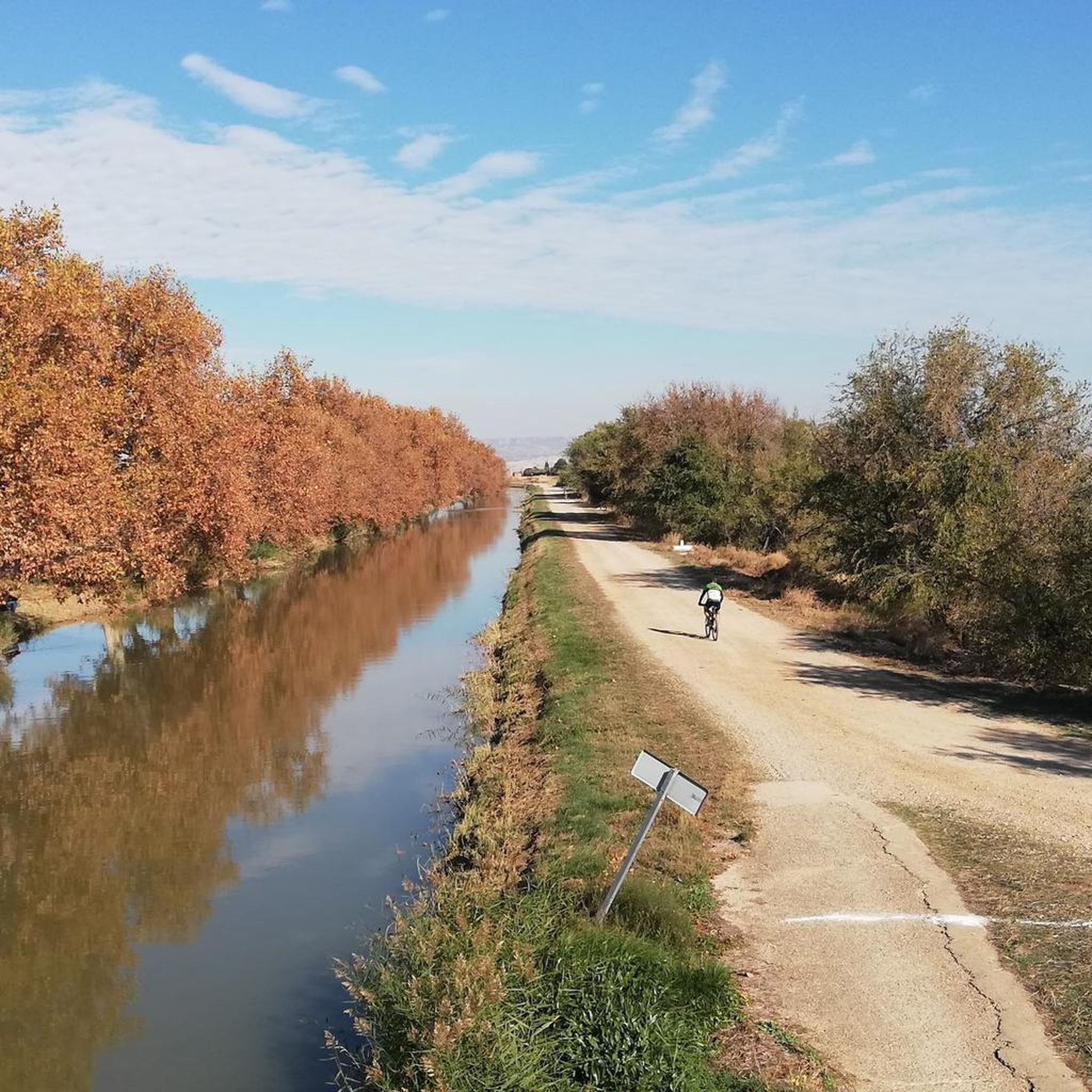
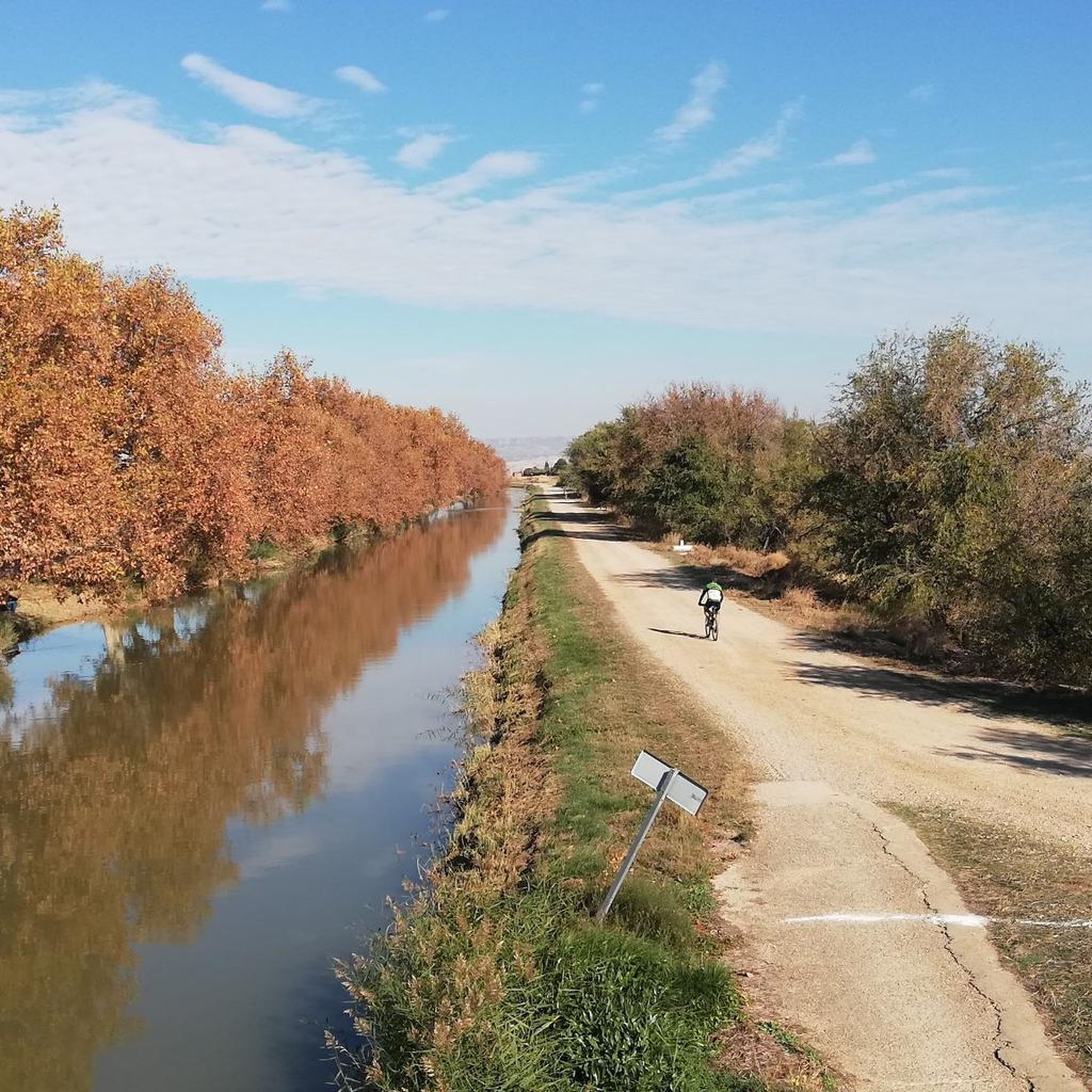
Historic arch bridge built in the 18th century to cross the Imperial Canal of Aragon. Nice picture to photograph!
2
0

Frequently Asked Questions
What historical landmarks can I explore in Pedrola?
Pedrola is rich in history, largely influenced by the Dukes of Villahermosa. You can visit the majestic Palace of the Dukes of Villahermosa, which dates back to the 10th century and features Renaissance, Baroque, and Neoclassical architecture. The Church of Nuestra Señora de los Ángeles also showcases a blend of Romanesque, Mudejar, and Neoclassical styles, housing significant artworks. Additionally, the Old Hospital and a monument dedicated to Miguel de Cervantes are notable historical sites within the town.
Are there any natural areas or wetlands to visit near Pedrola?
Yes, near Pedrola, you can explore the Balsa de Larralde, a 4-hectare wetland that is part of an ancient system of lagoons. It's a rich habitat for diverse flora and fauna, surrounded by poplars and reedbeds. The Jalón River Aqueduct (El Caracol) also offers a natural setting with picnic facilities by the river.
What notable bridges can I see around Pedrola?
The region features several historic bridges. The Clavería Bridge over the Imperial Canal of Aragon, built in the 18th century, is known for its scenic beauty. The Jalón River Aqueduct (El Caracol) is another significant 18th-century engineering marvel. You can also find the Jubo Bridge, a pedestrian crossing over the Imperial Canal of Aragon with a history spanning from the 18th to the 21st century, near Pinseque.
Are there family-friendly attractions in the Pedrola area?
Many attractions around Pedrola are suitable for families. The Balsa de Larralde wetland offers a chance to observe nature. The Jalón River Aqueduct (El Caracol) provides a picnic area with tables and barbecue facilities, perfect for a family outing. Historic bridges like the Clavería Bridge and Jubo Bridge are also accessible for family walks.
Where can I go for outdoor activities like hiking or cycling near Pedrola?
The area around Pedrola offers various outdoor activities. For hiking, you can explore routes like the 'Pinseque and Imperial Canal of Aragón Loop' or the 'Jubo Bridge loop from Pinseque'. Cyclists can enjoy routes such as the 'Soto Trail. – Third Millennium Bridge loop from Alagón'. You can find more details and routes on the Hiking around Pedrola and Cycling around Pedrola guide pages.
What is the <a href="https://www.komoot.com/highlight/6950938" target="_blank" rel="noopener">Jalón River Aqueduct (El Caracol)</a> known for?
The Jalón River Aqueduct (El Caracol) is a significant 18th-century work of the Imperial Canal of Aragon. It's known for its impressive architecture and the surrounding natural setting. The site features a picnic area with tables and barbecue facilities, and its name 'El Caracol' (The Snail) comes from a spiral staircase built for travelers at a former staging post.
What kind of wildlife can be found at <a href="https://www.komoot.com/highlight/5238060" target="_blank" rel="noopener">Balsa de Larralde</a>?
The Balsa de Larralde is a vibrant wetland ecosystem. It's home to a rich variety of flora and fauna, with poplars and reedbeds providing shelter. This environment is crucial for diverse animals to take refuge, search for food, and build their nests, making it an excellent spot for nature observation.
What cultural activities are available in Pedrola?
Pedrola's House of Culture (Casa de Cultura) is a hub for various cultural activities. It hosts English academies, folklore associations, and theater performances. The building includes an auditorium with a capacity for 400 people, where theater certifications, concerts, and conferences are regularly held.
Are there any running trails near Pedrola?
Yes, if you enjoy running, there are several trails available. You can find routes like the 'Running loop from Zaragoza' or 'Running loop from Alagón'. For more options and detailed information, refer to the Running Trails around Pedrola guide page.
What do visitors enjoy most about the attractions around Pedrola?
Visitors particularly appreciate the blend of historical significance and natural beauty. The 18th-century engineering marvels like the bridges over the Imperial Canal of Aragon and the Jalón River Aqueduct are highly regarded for their scenic beauty and historical context. The natural wetlands, such as Balsa de Larralde, are also popular for their ecological value and peaceful atmosphere.
Is there a monument dedicated to Miguel de Cervantes in Pedrola?
Yes, Pedrola has a monument dedicated to the renowned Spanish writer Miguel de Cervantes. It is believed that he wrote parts of his famous novel *Don Quixote* while in Pedrola, adding a literary historical layer to the town's heritage.
What is the Imperial Canal of Aragon, and how does it relate to Pedrola's attractions?
The Imperial Canal of Aragon is a historic waterway that plays a significant role in the region's landscape and history. Several key attractions around Pedrola are associated with it, including the Clavería Bridge and the Jubo Bridge, both of which cross the canal. The canal itself is an impressive feat of 18th-century engineering.

Get inspired with the komoot mobile app


Explore more
Still not found the Highlight you’re looking for? See guides of the top attractions in other regions:
