The best road cycling routes around Pinseque
5.0
(3)
252
riders
23
rides
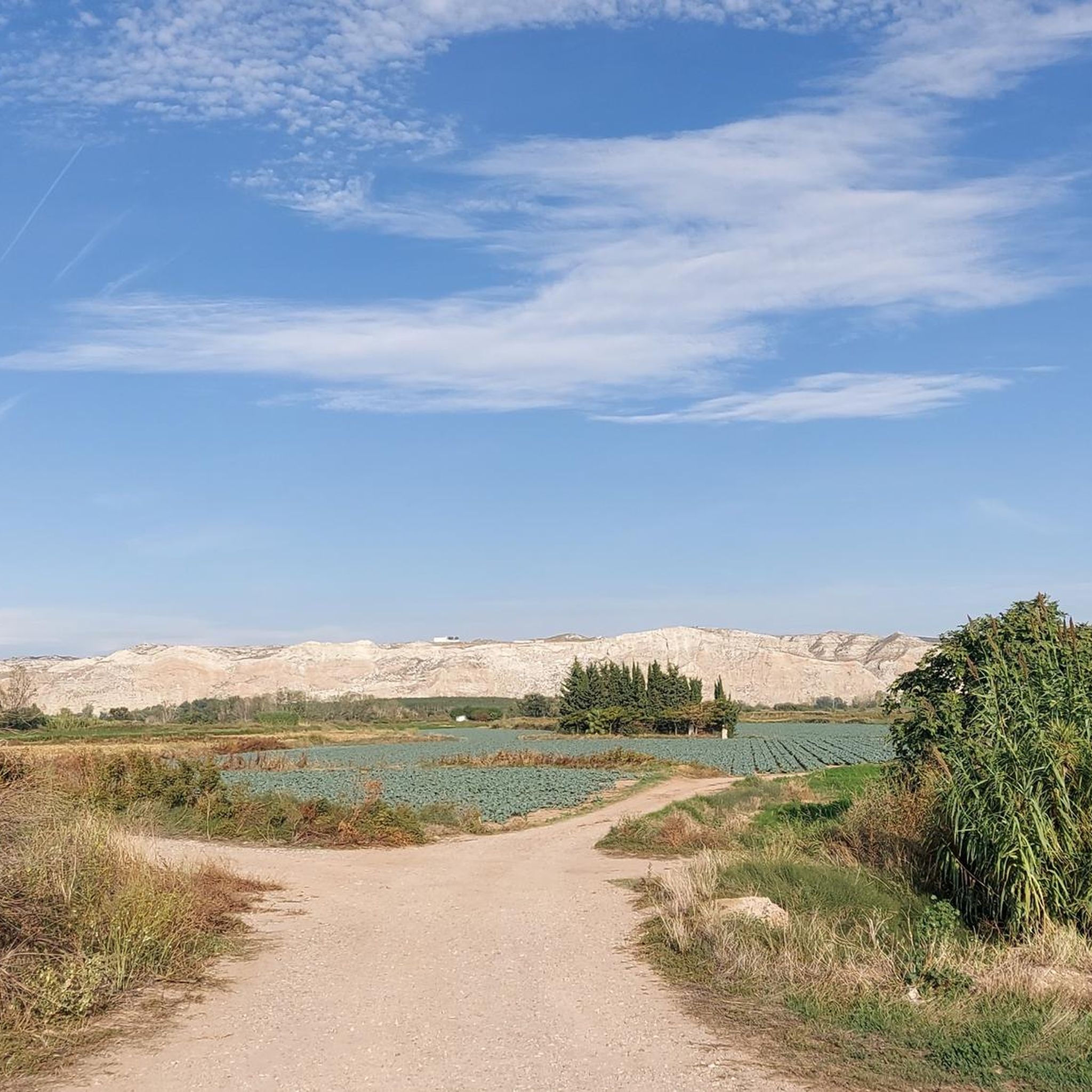
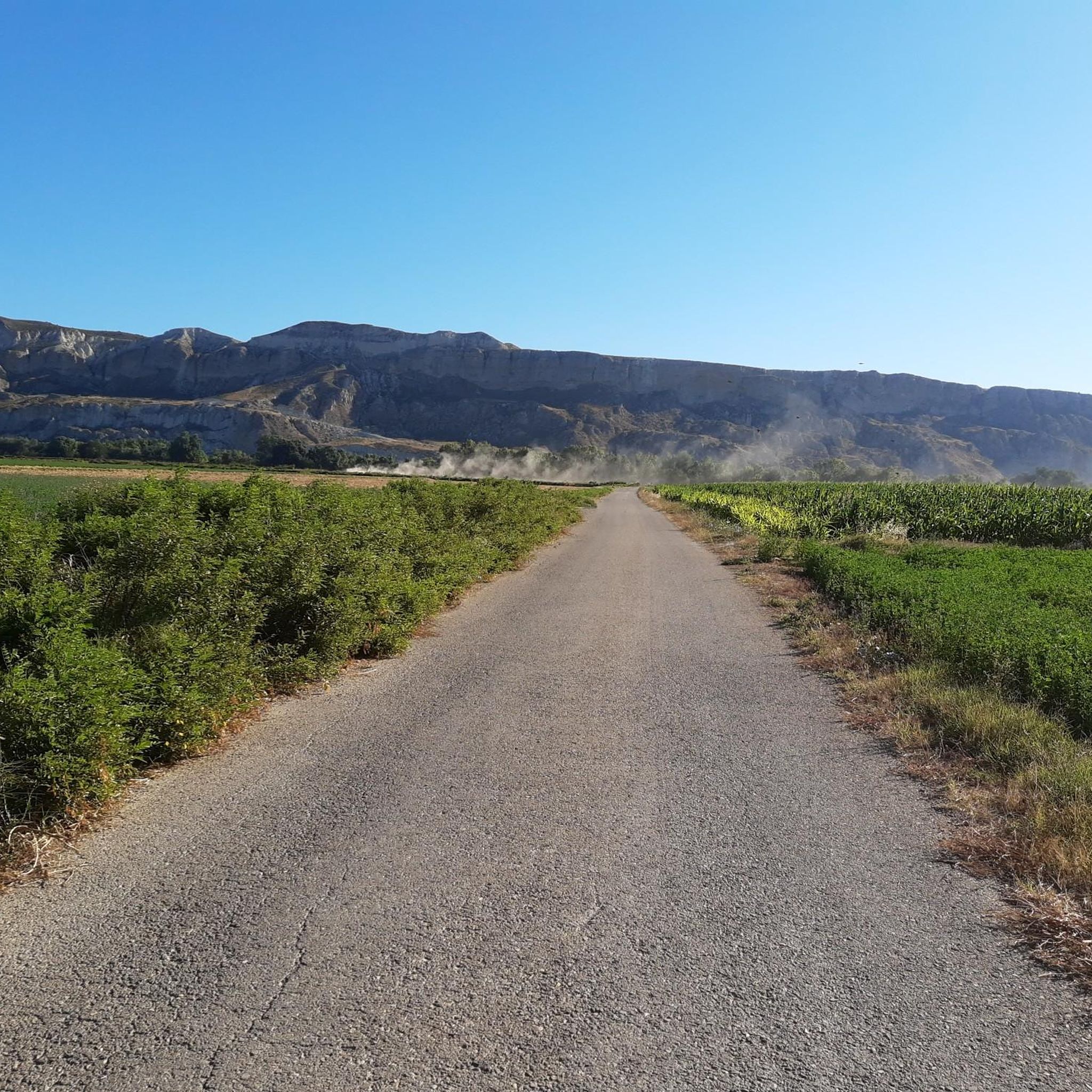
Road cycling around Pinseque is characterized by its accessible natural landscapes, primarily influenced by the Ebro River and the historic Imperial Canal of Aragon. The terrain predominantly features flat routes, making it suitable for covering long distances. Agricultural fields and the canal's historic infrastructure, including locks and old bridges, define much of the scenery. This region offers a mix of rural tranquility and proximity to urban amenities, providing diverse cycling opportunities.
Best road cycling routes around Pinseque
- The most popular…
Last updated: August 25, 2026
1
riders
105km
04:21
510m
510m
This moderate 65.5-mile road cycling loop from Alagón to Muel, Épila, and Lumpiaque offers scenic views and historic landmarks.
28
riders
38.0km
01:34
100m
100m
Easy road ride. Great for any fitness level. Mostly well-paved surfaces and easy to ride.

Sign up for free
19
riders
47.1km
01:53
160m
160m
Easy road ride. Great for any fitness level. Mostly well-paved surfaces and easy to ride.
17
riders
118km
05:26
610m
610m
Hard road ride. Very good fitness required. Some segments of this route may be unpaved and difficult to ride.
5.0
(1)
16
riders
69.6km
02:47
220m
220m
Moderate road ride. Good fitness required. Mostly well-paved surfaces and easy to ride.
Get access to more routes and recommendations from other explorers.
Sign up for free
Already have an account?
Our route recommendations are based on thousands of hikes, rides, and runs completed by other people on komoot.
Start today with a free account
Your next adventure awaits.
Login or Signup

Tips from the Community

La Balsa de Larralde (also called balsa de Torre Medina) is an artificial wetland of high ecological value protected as a "Singular Wetland" by the Government of Aragon. It is located next to the Torre Medina neighborhood, in the rural district of Garrapinillos, within the municipality of Zaragoza, 🛠️ Origin and history Old quarry: It originated more than 200 years ago as a clay extraction site for building the nearby Imperial Canal of Aragon. Humidal birth: When the subsoil was perforated, the water table was reached and the excavation was permanently flooded with water. Environmental recovery: After decades of abandonment serving as an uncontrolled landfill, it was recovered from 1995 thanks to the Hydrographic Confederation of the Ebro (CHE) and the Naturalist Association of Aragon (ANSAR). 🌿 Ecological characteristics Extension: It has a protected area of about 4 hectares. Inverted water cycle: Being mainly fed by groundwater influenced by the irrigation of the Imperial Canal, it has more water in summer and spring than in winter, unlike most Mediterranean wetlands. Biodiversity refuge: It is surrounded by abundant riparian vegetation (reeds, cattails, poplars, and elms) that serves as a habitat and breeding ground for about 100 species of aquatic birds such as coots, moorhens, and ducks. 🚶 Visit and equipment It is a space open to the public, ideal for hiking and environmental education. The surroundings have: A perimeter path with wooden planks and walkways. A covered viewpoint-observatory for spotting birds without disturbing them. Interpretive panels explaining the local fauna and flora. (Note: As a local curiosity, it stands out for being the only protected wetland in Zaragoza that can be reached directly by public bus)
0
0

Cycle/pedestrian bridge crossing the Rio Jalon, adjacent to a rest area.
0
0

Alagón is a town with a rich past, evident in its Mudéjar church of San Pedro Apóstol, built on the site of a former mosque and famous for its 16th-century altarpiece. Strolling through the old town, you can also see the former Jesuit college next to the church of San Antonio de Padua. It's a good place to stop along your route, with all the necessary amenities and a tourist office for further information.
1
0

The Larralde raft is worth seeing, but not the rest.
0
0

It's still just a bike lane on a 6-lane avenue, but any bridge that crosses the Ebro is worth a stop, and the architecture of this one is quite impressive (I seem to remember that at the time it was the largest concrete arch built in Spain).
0
0

Enjoy the hot days near the Muel waterfall
0
0

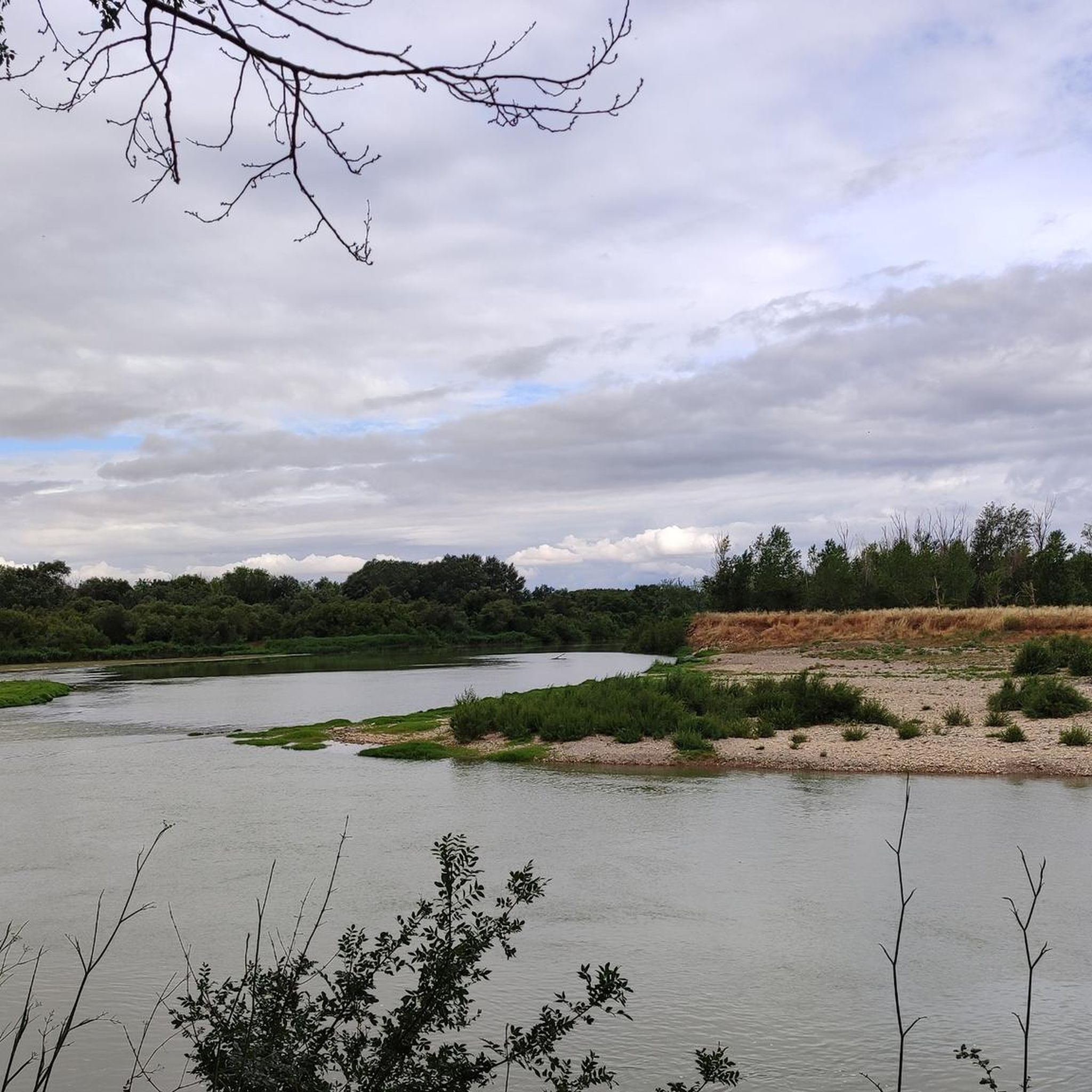
As it passes through Cabañas el Ebro, the river appears powerful and spreading. On the banks grow reeds that dance to the sway of the wind.
0
0
Luceni is a town in the province of Zaragoza that benefits from the imperial channel of Aragon and the waters of the Ebro. In its surroundings barley, cereals, corn and vegetables are grown. It is also an ideal place for a stopover due to its range of services.
0
0
Frequently Asked Questions
What is the typical terrain like for road cycling around Pinseque?
Road cycling around Pinseque is primarily characterized by its generally flat terrain, especially along the Ebro River and the historic Imperial Canal of Aragon. This makes it ideal for covering long distances comfortably and is suitable for various fitness levels. While many routes are flat, the broader Zaragoza region offers some routes with moderate elevation changes for those seeking a bit more challenge.
Are there family-friendly road cycling routes near Pinseque?
Yes, the flat routes along the Imperial Canal of Aragon and the Ebro River are particularly well-suited for family outings and leisure rides. These paths offer serene views and a safe environment for cyclists of all ages. For example, routes like the Third Millennium Bridge loop from Casetas are considered easy and can be a good option for families.
What scenic spots or landmarks can I expect to see along road cycling routes in Pinseque?
You can enjoy diverse scenery including lush agricultural fields, the historic infrastructure of the Imperial Canal of Aragon with its locks and old bridges like the Jubo Bridge, and views of the Ebro River. Notable natural features include the Balsa de Larralde (Larralde Reservoir). Historically, you might encounter structures like the Jalón River Aqueduct (El Caracol) or the Clavería Bridge over the Imperial Canal of Aragon.
Can I find circular road cycling routes in the Pinseque area?
Yes, there are several circular road cycling routes available. Many routes are designed as loops, allowing you to start and end in the same location. Examples include the View of Cadrete Castle loop from Utebo and the Balsa de Larralde – Almenara de San Miguel loop from Utebo, which offer varied distances and scenery.
When is the best time of year for road cycling in Pinseque?
The region generally offers good cycling conditions for much of the year. Spring and autumn are often ideal, with pleasant temperatures and less extreme weather. While specific seasonal challenges are not detailed, the rural setting suggests that avoiding the peak heat of summer or colder winter days would enhance your experience.
Is there convenient parking or public transport access for cyclists in Pinseque?
Pinseque is situated in a rural setting but is conveniently close to urban amenities in Zaragoza, approximately 20 kilometers away. While specific parking facilities for cyclists are not detailed, its proximity to Zaragoza suggests good road access. For public transport, you would likely need to check local bus or train services connecting Pinseque to larger towns, keeping in mind bicycle transport policies.
Are road cycling routes around Pinseque suitable for cycling with dogs?
While Pinseque offers beautiful natural landscapes, road cycling routes, especially those on paved roads or shared paths, are generally not ideal for cycling with dogs due to safety concerns with traffic and potential paw pad injury on hard surfaces. For activities with dogs, exploring the riparian areas along the Ebro River or other natural trails might be more suitable, though these may not be designated road cycling routes.
Are there places to stop for refreshments along the road cycling routes?
The region offers a mix of rural tranquility and proximity to urban amenities. While specific cafes or pubs directly on every route are not listed, Pinseque itself and nearby towns will have options for refreshments. Planning your route to pass through these towns or carrying your own supplies is advisable, especially on longer rural stretches.
What do other cyclists say about road cycling in Pinseque?
The road cycling routes around Pinseque are highly rated by the komoot community, with an average score of 5.0 stars from over 3 reviews. Cyclists often appreciate the varied terrain, from easy, flat rides to routes with moderate elevation changes, and the scenic views along the Ebro River and Imperial Canal of Aragon.
How many road cycling routes are available around Pinseque, and what are their difficulty levels?
There are 17 road cycling routes available around Pinseque. These routes cater to various skill levels, with 3 easy routes, 11 moderate routes, and 3 difficult routes, ensuring options for beginners to experienced cyclists.
What natural features define the road cycling experience in Pinseque?
The primary natural features defining road cycling in Pinseque are the Ebro River and the historic Imperial Canal of Aragon. These waterways provide extensive flat routes, offering serene views of lush agricultural fields and riparian areas. The presence of the Balsa de Larralde (Larralde Reservoir) also adds scenic waterside cycling opportunities.
Are there historical sites to explore while road cycling near Pinseque?
Yes, Pinseque and its surroundings offer several historical points of interest. You can find the 16th-century Church of San Pedro Mártir, known for its Aragonese Mudejar style, and the 15th-century Castle-Palace of Pinseque (Palace of the Counts of Atarés) in the town center. Cycling along the Imperial Canal also allows you to see historic infrastructure like locks and old bridges, such as the Jubo Bridge.
Are there challenging road cycling routes in Pinseque, or are they mostly flat?
While many routes around Pinseque are flat, especially along the Ebro River and Imperial Canal, there are also more challenging options. Out of 17 routes, 3 are classified as difficult, offering more significant elevation changes. An example of a more demanding route is the Bridge Over the Jalón River – Sancho Abarca Hermitage loop from Utebo, which includes over 600 meters of elevation gain.
Most popular attractions around Pinseque

Get inspired with the komoot mobile app


Explore more
Browse the best Road cycling routes in other regions.
