The best cycling routes around National Park Monte Aloia
4.5
(25)
332
riders
33
rides
Touring cycling routes around National Park Monte Aloia traverse a landscape characterized by granitic topography with altitudes ranging from 80 to 629 meters, featuring exposed rock formations. The park's diverse flora includes both exotic trees like cypresses and native species such as sessile oak and cork oak, creating varied visual environments. Several viewpoints offer panoramic vistas over the River Miño and surrounding valleys. The Louro River flows through the park, adding a dynamic water element to the scenery.
Best touring cycling routes around National Park Monte Aloia
- The most popular touring cycling route is Baiona Marina – Hermitage of Saint Sebastian loop from Tui, a 58.7 miles (94.5 km) trail that takes 6 hours 3 minutes to complete. This route offers extensive views and diverse natural environments.
- Another top favourite among local touring cyclists is Esteiro do Miño Pier – Tui loop from Tui, a difficult 41.8 miles (67.2 km) path. It features riverine landscapes and connections to the Miño River.
- Local touring cyclists also love the Roman Bridge of Pontenova loop from Tui, a 19.0 miles (30.5 km) trail leading through varied terrain, often completed in about 1 hour 46 minutes.
- Touring cycling around National Park Monte Aloia is defined by panoramic viewpoints, diverse flora, and granitic topography. The network offers options for different ability levels, from moderate paths to more difficult routes.
- The routes in National Park Monte Aloia are highly rated by the komoot community with an average score of 4.3 stars from over 40 reviews. More than 500 touring cyclists have used komoot to explore National Park Monte Aloia's varied terrain.
Last updated: July 4, 2026
17
riders
96.1km
06:12
970m
970m
Hard bike ride. Very good fitness required. Mostly paved surfaces. Suitable for all skill levels.
4.0
(2)
12
riders
30.5km
01:46
160m
160m
Moderate bike ride. Good fitness required. Mostly paved surfaces. Suitable for all skill levels.

Sign up for free
10
riders
21.7km
02:14
690m
690m
Hard bike ride. Very good fitness required. You may need to push your bike for some segments of this route.
5.0
(2)
13
riders
43.6km
03:00
390m
390m
Moderate bike ride. Good fitness required. Mostly paved surfaces. Suitable for all skill levels.
5.0
(1)
9
riders
74.4km
05:05
1,150m
1,150m
Hard bike ride. Very good fitness required. You may need to push your bike for some segments of this route.
Get access to more routes and recommendations from other explorers.
Sign up for free
Already have an account?
Our route recommendations are based on thousands of hikes, rides, and runs completed by other people on komoot.
Start today with a free account
Your next adventure awaits.
Login or Signup
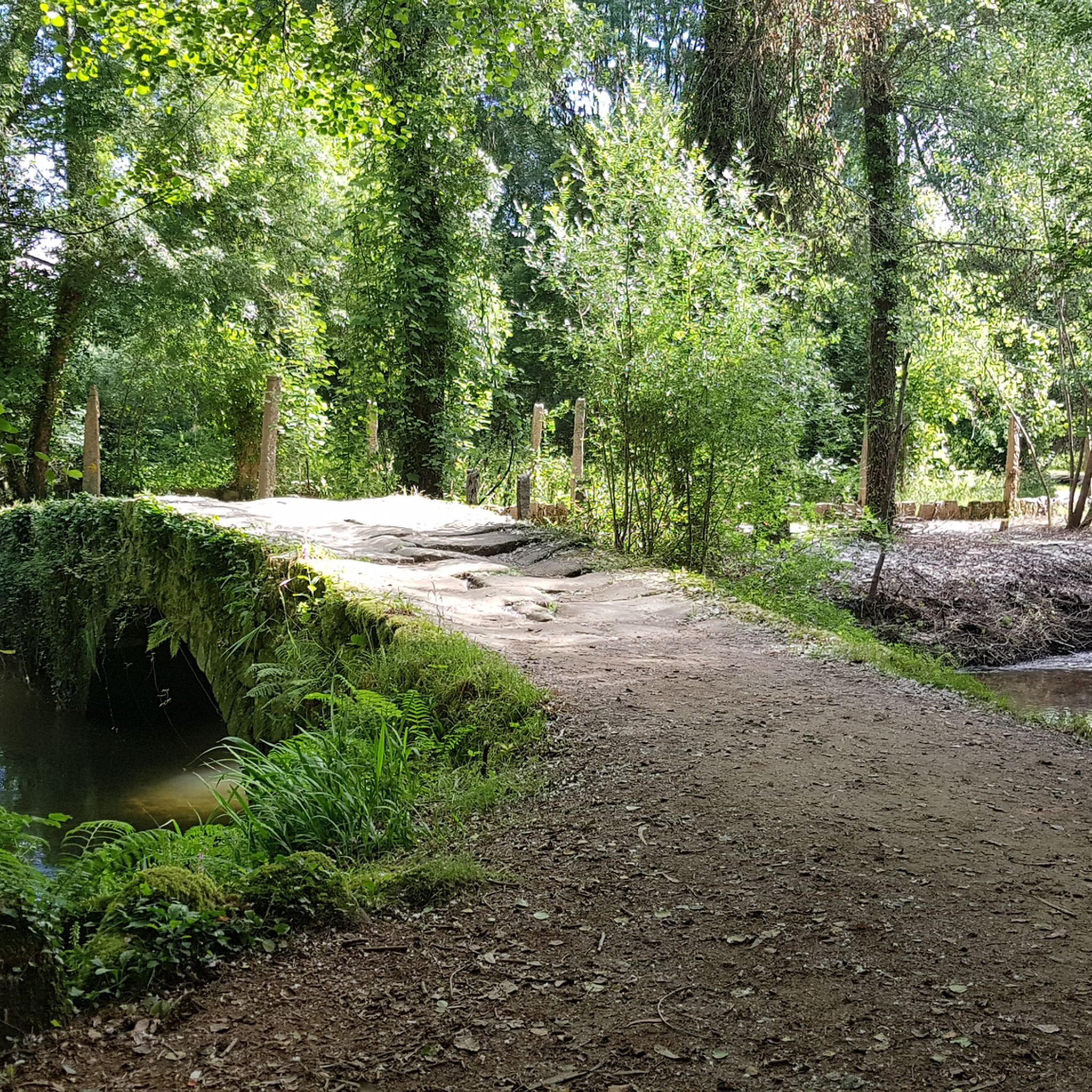
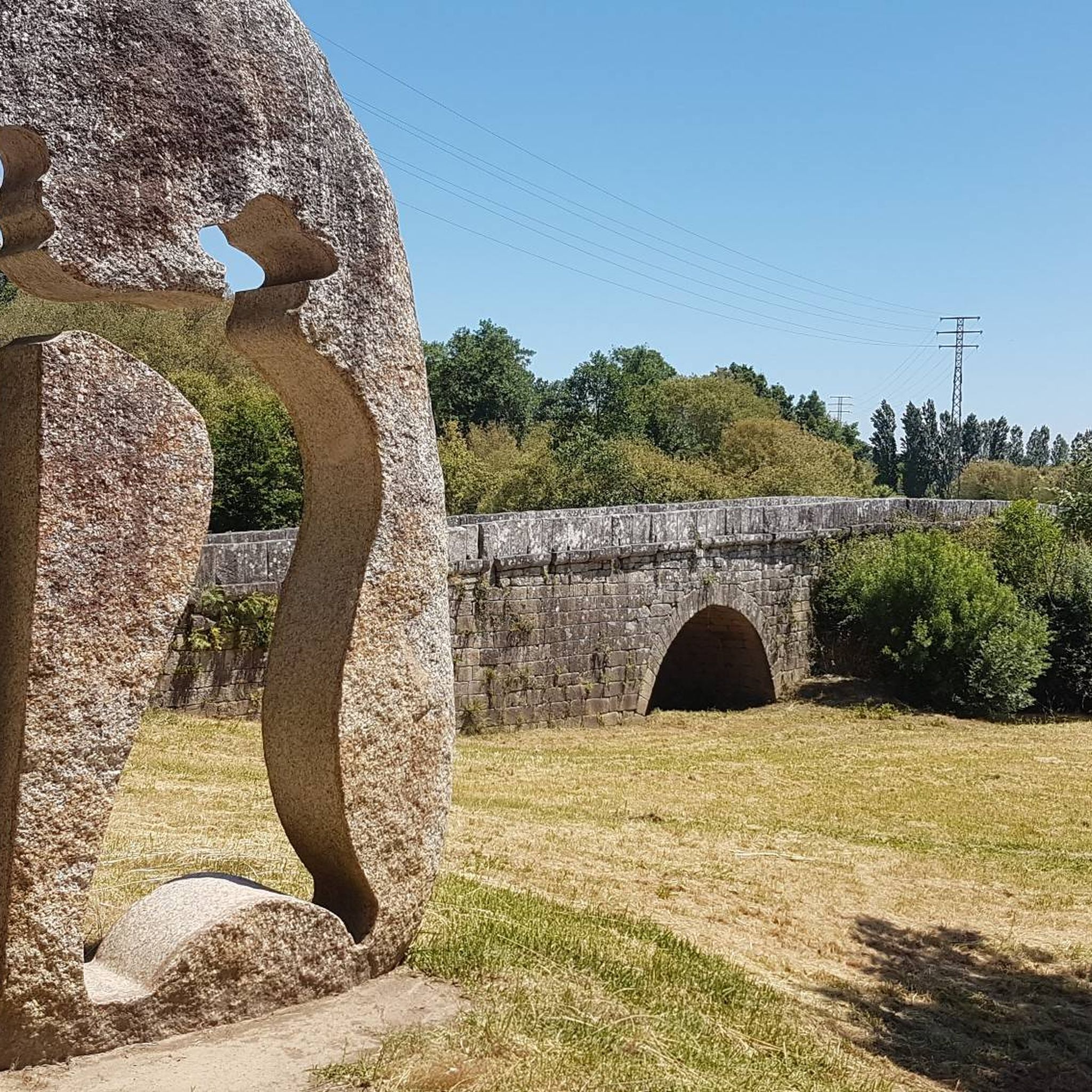
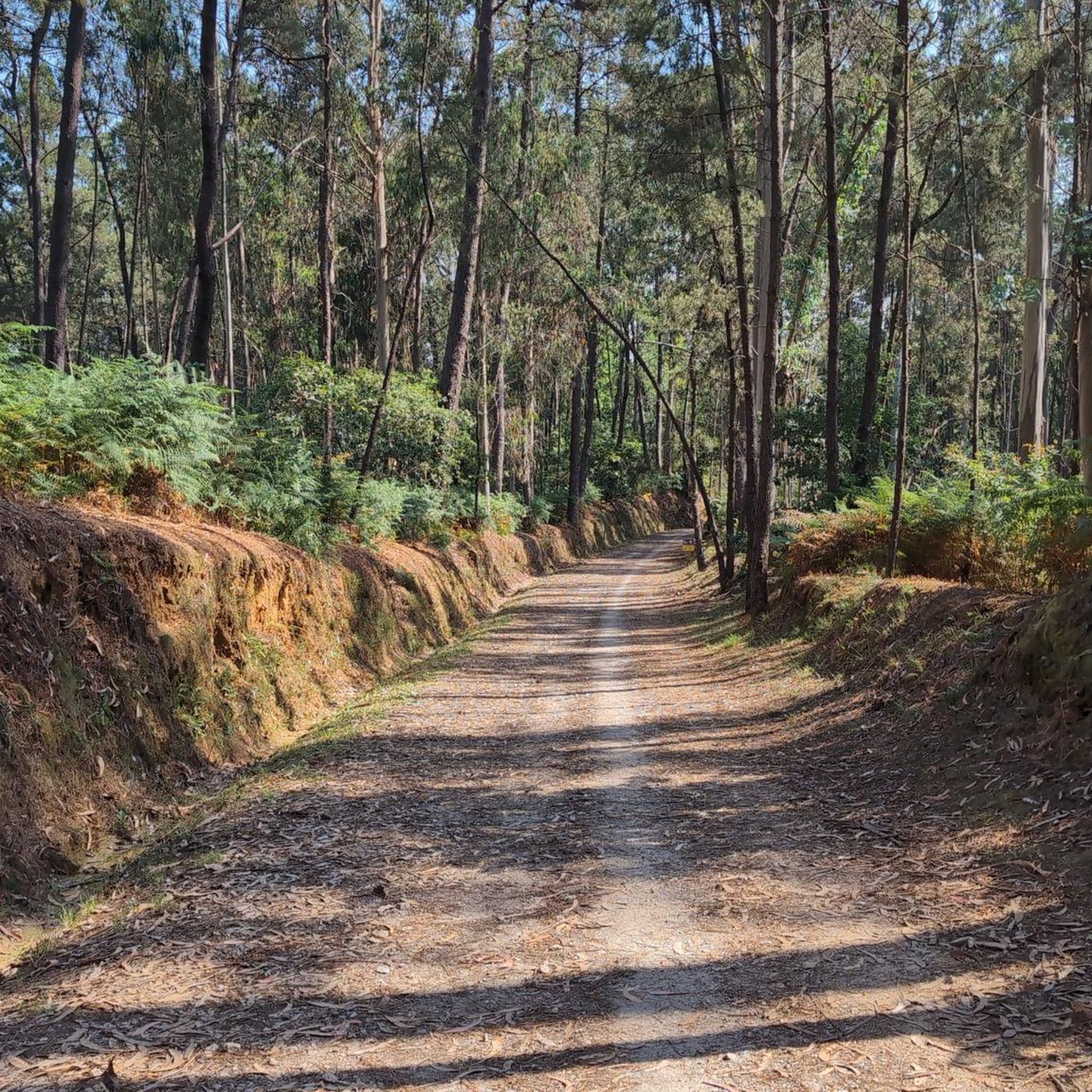


Tips from the Community

Historic bridge that unites the two countries.
0
0
For those of us who are older, it reminds us of what it was like to cross from one country to another, when you might randomly have to open the trunk of your car so that both police forces could check what you were carrying, so that younger people could get their documents, and above all so that everyone can see how beautiful and enriching it is to be able to live in peace between neighboring countries.
0
0
Because it allows you to travel along the coast avoiding the main road, and is also a stop on the Portuguese Coastal Way.
0
0


A fantastic place
0
0

The Tui International Bridge is a landmark on the border between Portugal and Spain, connecting the Galician city of Tui to Valença, Portugal, across the Minho River. This historic metal truss bridge serves as a crossing for cars, trains, and pedestrians. It is also part of the Camino de Santiago route, offering views of the river and both cities.
1
0
The Tui International Bridge is a landmark on the border between Portugal and Spain, connecting the Galician city of Tui to Valença, Portugal, across the Minho River. This historic metal truss bridge serves as a crossing for cars, trains, and pedestrians. It is also part of the Camino de Santiago route, offering views of the river and both cities.
1
0
The Tui International Bridge is a landmark on the border between Portugal and Spain, connecting the Galician city of Tui to Valença, Portugal, across the Minho River. This historic metal truss bridge serves as a crossing for cars, trains, and pedestrians. It is also part of the Camino de Santiago route, offering views of the river and both cities.
1
0
Frequently Asked Questions
How many touring cycling routes are available in National Park Monte Aloia?
National Park Monte Aloia offers a wide selection of touring cycling routes. There are over 35 routes available, catering to various skill levels. You'll find everything from moderate paths to more challenging trails, with 10 moderate and 25 difficult routes listed in the area.
Are there touring cycling routes suitable for beginners or families in National Park Monte Aloia?
While many routes in National Park Monte Aloia are rated moderate to difficult, there is at least one easy touring cycling route available. For families or beginners, it's advisable to check the route details on komoot for specific difficulty ratings and terrain descriptions to ensure it matches your comfort level. The park's diverse landscape means some segments, even on road cycling routes, might be unpaved.
What kind of terrain can I expect on touring cycling routes in National Park Monte Aloia?
The terrain in National Park Monte Aloia is characterized by its granitic topography, with altitudes ranging from 80 to 629 meters. You can expect exposed rock formations and varied surfaces. While there are road cycling routes, some sections might be unpaved, requiring good fitness and suitable equipment. The park's diverse flora, including exotic cypresses and native oaks, provides a visually appealing environment.
What natural features and viewpoints can I expect to see while cycling in Monte Aloia?
National Park Monte Aloia is renowned for its spectacular panoramic views. You can expect to encounter five to six balconies and viewpoints offering breathtaking vistas over the River Miño, the Louro Valley, the Miño estuary, Mount Santa Trega, and even the Cíes Islands on clear days. The park also features diverse flora, from exotic trees to native species, and the Louro River flows through it, adding dynamic water elements to the scenery.
Are there any historical or cultural sites to explore along the touring cycling routes?
Yes, beyond its natural beauty, National Park Monte Aloia holds significant historical and cultural interest. You can explore archaeological remains, including prehistoric and Roman traces like the Castro dos Altos Cubos with its partially preserved Cyclopean wall. Religious buildings such as the 16th-century hermitage of San Xiao also dot the landscape, offering cultural enrichment to your cycling tour.
What do other touring cyclists enjoy most about cycling in National Park Monte Aloia?
The touring cycling routes in National Park Monte Aloia are highly rated by the komoot community, with an average score of 4.3 stars from over 40 reviews. Cyclists often praise the extensive views, diverse natural environments, and the variety of routes available. Over 500 touring cyclists have used komoot to explore the park's varied terrain, highlighting its appeal.
Are there any circular touring cycling routes in National Park Monte Aloia?
Yes, several circular touring cycling routes are available in and around National Park Monte Aloia. For example, the Baiona Marina – Hermitage of Saint Sebastian loop from Tui is a popular option, offering extensive views. Another great choice is the Roman Bridge of Pontenova loop from Tui, which leads through varied terrain.
What is the typical elevation gain on touring cycling routes in Monte Aloia?
The elevation gain on touring cycling routes in Monte Aloia can vary significantly due to the park's rough topography. For instance, the Baiona Marina – Hermitage of Saint Sebastian loop from Tui involves an elevation gain of over 960 meters, while the Esteiro do Miño Pier – Tui loop from Tui has an elevation gain of around 547 meters. Routes like the Roman Bridge of Pontenova loop from Tui have a more moderate gain of about 160 meters.
Is it possible to connect with longer cycling networks like the Camino de Santiago from Monte Aloia?
Absolutely. National Park Monte Aloia is strategically located and included in the network of routes throughout O Baixo Miño. The Camino de Santiago (Portuguese Way) also surrounds the park, with an entrance in Tui. This connectivity makes it an excellent base for touring cyclists looking to undertake longer, multi-day journeys that incorporate the natural beauty of Monte Aloia with broader regional cycling tours.
Are there visitor facilities or information centers in National Park Monte Aloia?
Yes, the "Casa do Enxeñeiro Areses," an attractive building designed by forestry expert Rafael Areses, serves as a Visitor Reception Centre. Here, you can find information about the park's highlights and importance. Additionally, the Chapel and Hostel on Monte Aloia can serve as a focal point for travelers, providing a resting spot during your explorations.
What are some of the more challenging touring cycling routes in the area?
For experienced touring cyclists seeking a challenge, routes like the Roman Bridge of Pontenova – Ponte de Fillaboa loop from Tui are excellent choices. This route covers over 74 kilometers and features an elevation gain of more than 1150 meters. Another demanding option is the Esteiro do Miño Pier – Tui loop from Tui, a difficult 67.2 km path with significant elevation.
Where can I find parking for touring cycling routes in National Park Monte Aloia?
While specific parking locations for each route are best checked on individual komoot tour pages, National Park Monte Aloia is accessible by car. Given its proximity to Tui and its status as a natural park, there are likely designated parking areas near key access points or visitor centers within the park. It's advisable to plan your starting point and check for parking availability beforehand.
Most popular routes around National Park Monte Aloia

Get inspired with the komoot mobile app


Explore more
Browse the best Cycling routes in other regions.
