The best road cycling routes around National Park Montes de Málaga
5.0
(28)
2,480
riders
28
rides
Road cycling around National Park Montes de Málaga features diverse mountainous terrain, offering a range of challenges from steady climbs to intense ascents. The region is characterized by well-maintained asphalt roads that transition from urban proximity to forested landscapes and olive groves. Cyclists encounter significant elevation gains, winding through pine-covered sections and river valleys. This natural park provides a network of routes suitable for various road cycling preferences.
Best road cycling routes around National Park Montes de Málaga
- The most popular road cycling route is Colmenar – Upper Guadalhorce River Valley loop from Colmenar, a 41.4 miles (66.6 km) trail that takes 3 hours 22 minutes to complete. This difficult route traverses varied mountainous terrain with significant elevation changes.
- Another top favourite among local road cyclists is Queen's Fountain – León Pass loop from Colmenar, a difficult 37.4 miles (60.2 km) path. This route includes challenging ascents, offering extensive views of the surrounding landscape.
- Local road cyclists also love the Colmenar – Riogordo loop from Colmenar, an 8.2 miles (13.2 km) trail leading through forested areas and traditional villages, often completed in about 46 minutes.
- Road cycling around National Park Montes de Málaga is defined by mountainous terrain, pine forests, and panoramic viewpoints. The network offers options for different ability levels, from moderate loops to difficult climbs.
- The routes in National Park Montes de Málaga are highly rated by the komoot community with an average score of 4.9 stars from over 29 reviews. More than 2,300 road cyclists have used komoot to explore National Park Montes de Málaga's varied terrain.
Last updated: July 11, 2026
65
riders
66.2km
03:21
1,080m
1,080m
Hard road ride. Very good fitness required. Mostly well-paved surfaces and easy to ride.
4
riders
26.3km
01:45
760m
760m
Moderate road ride. Good fitness required. Mostly well-paved surfaces and easy to ride.

Sign up for free
5.0
(6)
208
riders
59.4km
03:28
1,460m
1,460m
Hard road ride. Very good fitness required. Mostly well-paved surfaces and easy to ride.
8
riders
39.5km
02:06
760m
760m
Moderate road ride. Good fitness required. Mostly well-paved surfaces and easy to ride.
5.0
(1)
44
riders
39.3km
02:06
740m
740m
Cycle the moderate 24.4-mile Puerto de Sabar loop through Axarquía's white villages, gaining 2441 feet with impressive mountain and sea view
Get access to more routes and recommendations from other explorers.
Sign up for free
Already have an account?
Our route recommendations are based on thousands of hikes, rides, and runs completed by other people on komoot.
Start today with a free account
Your next adventure awaits.
Login or Signup
Tips from the Community

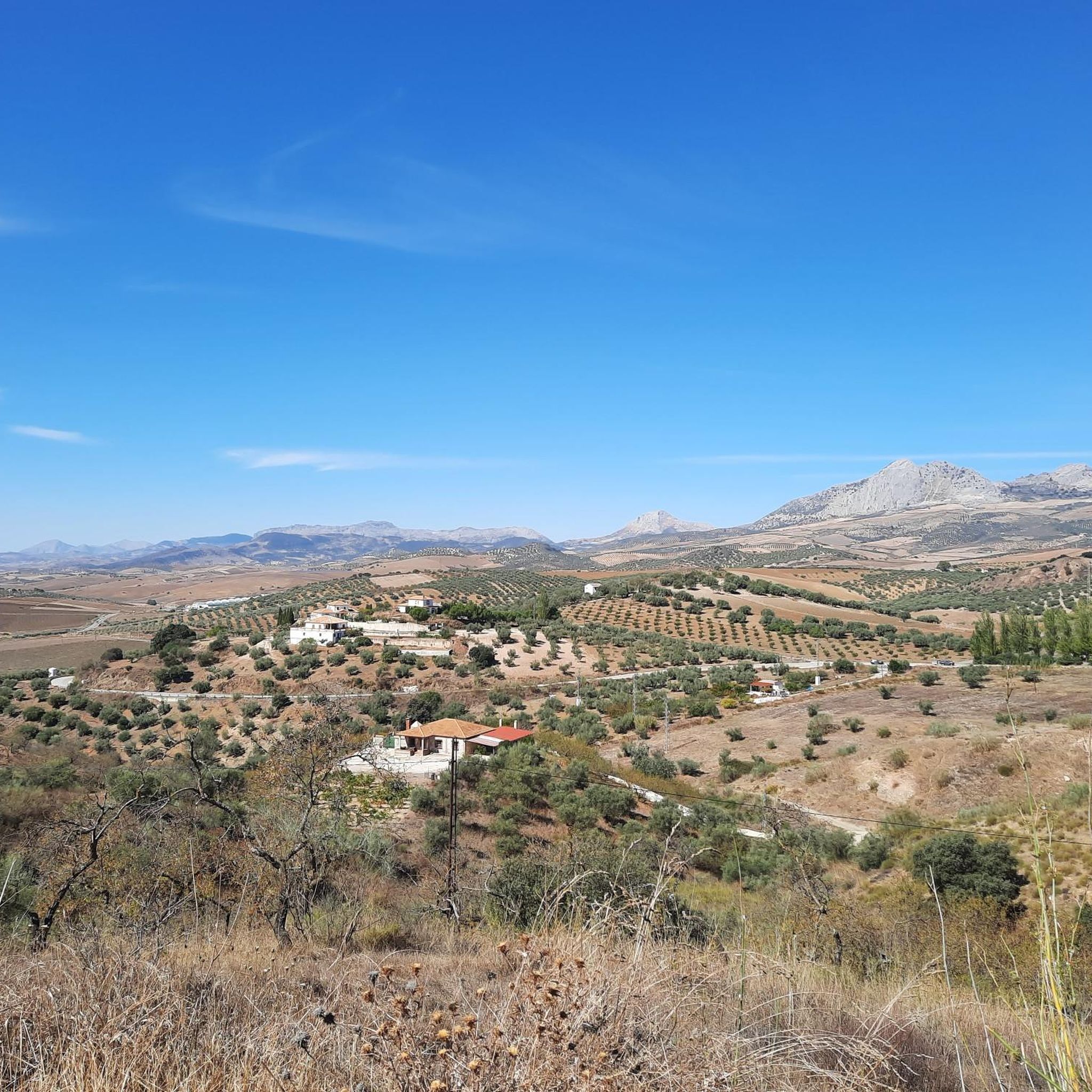
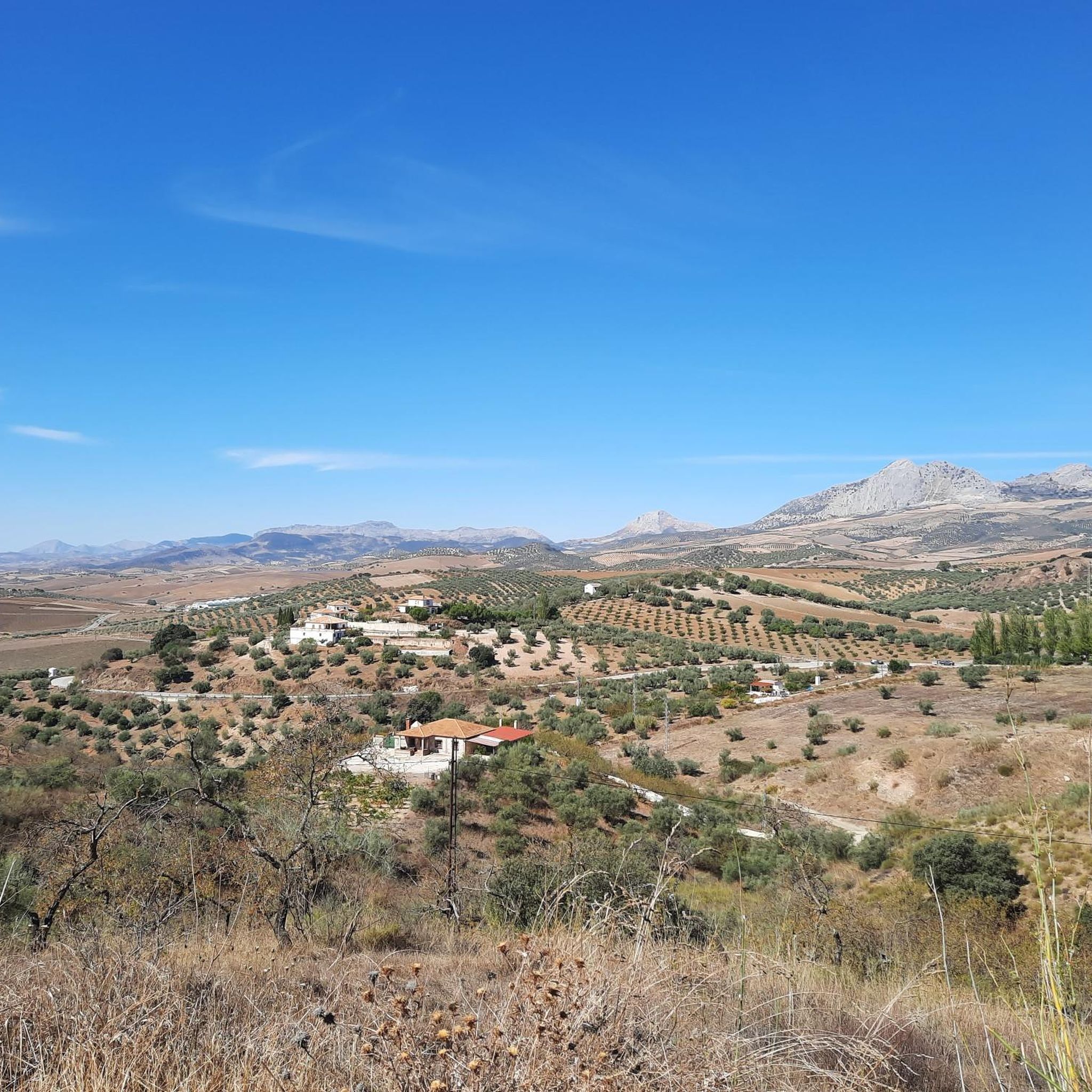
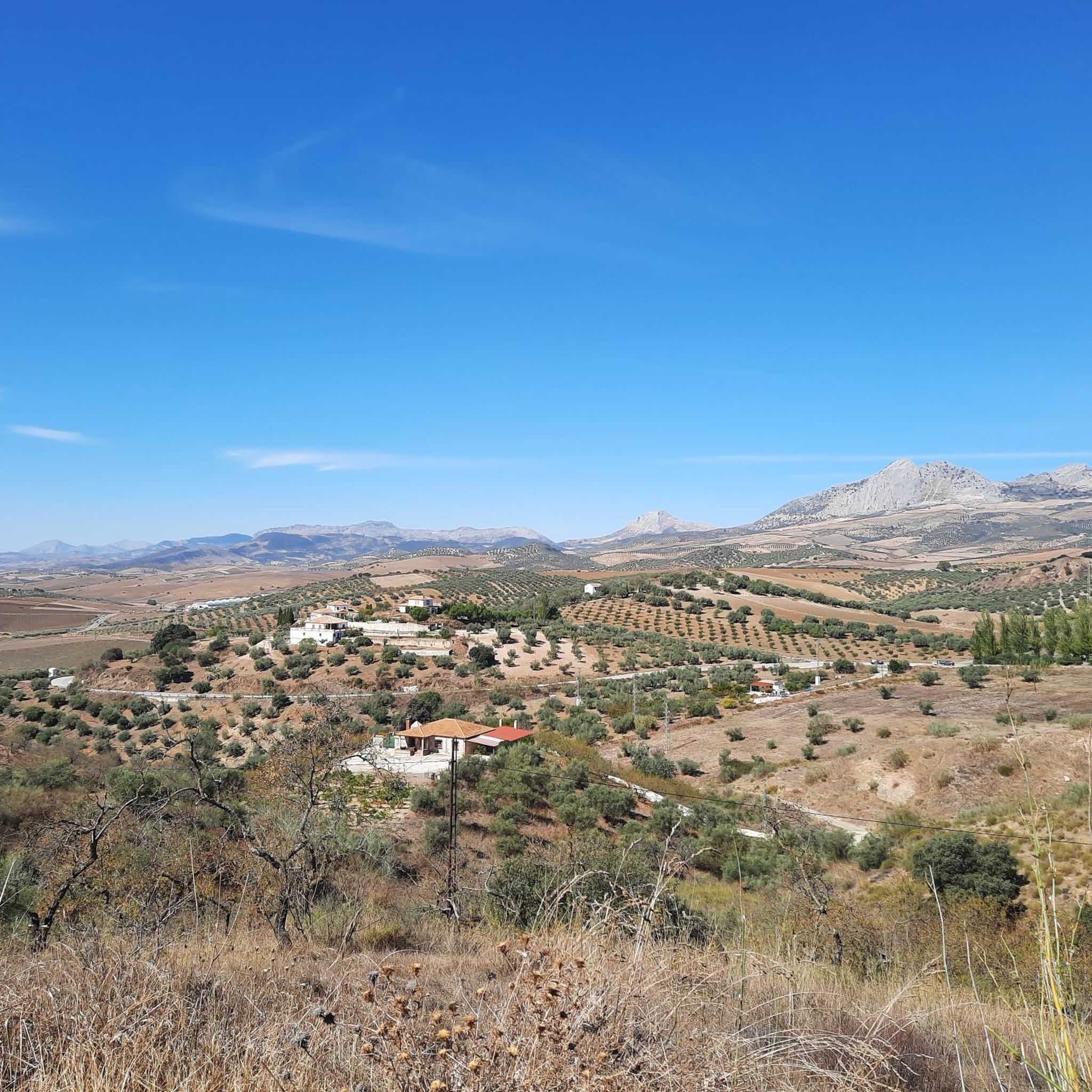
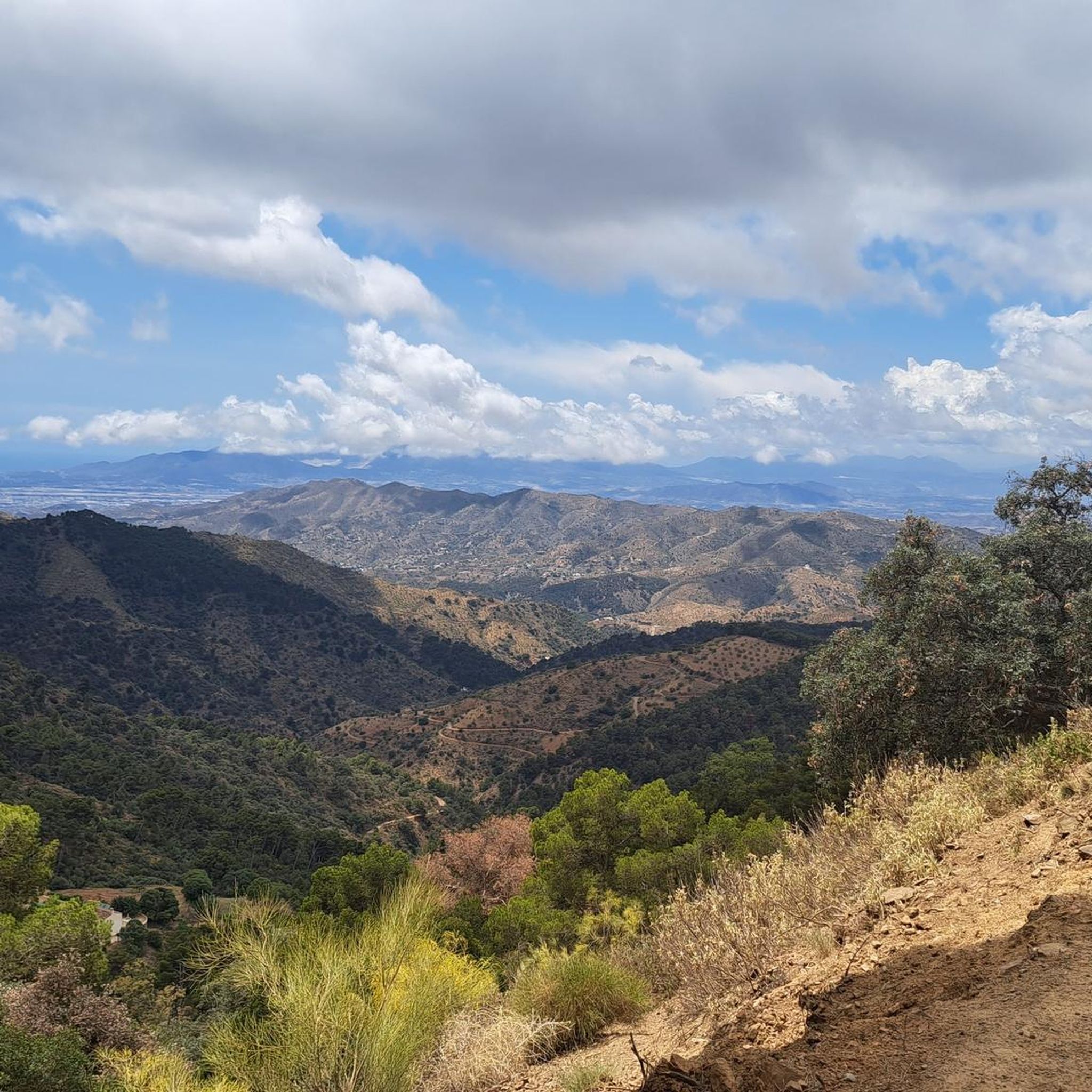
The ascent to Puerto del León follows a winding, paved road characterized by a consistently steep gradient, particularly noticeable in the switchbacks. The route leads through the foothills of the Montes de Málaga, past wooded slopes, scattered olive groves, and small fields. Upon reaching the upper sections, a view opens up to the mountainous landscape of the Axarquía region, with its gentle mountain ranges and deep valleys. The road itself snakes through the mountains, with the gradient frequently alternating between moderate and challenging, demanding both stamina and pedaling technique. The route, combined with the altitude, offers an intense experience of nature and riding.
2
0
The Hermitage of Our Lady of Candelaria in Colmenar sits atop a hill overlooking the town and is one of the most important buildings in the Axarquía region. This Baroque chapel was built in the 17th century, its richly decorated chancel dating from 1719. The church consists of a single, rectangular nave with a hemispherical vault over the chancel. The façade, with its round-arched portal, Tuscan pilasters, and a bell gable with three openings, gives the small pilgrimage church its distinctive appearance. Legend has it that it was built in gratitude for the miraculous rescue of sailors who were dedicated to Our Lady of Candelaria. Today, the chapel is considered the spiritual heart of Colmenar and, from its elevated position, offers magnificent views of the surrounding Sierra de Tejeda landscape.
2
0
Colmenar, a picturesque village in the Andalusian province of Málaga, was founded at the end of the 15th century after the Christian reconquest of the region. The village's name derives from the Spanish word colmena ("beehive") and recalls the long tradition of beekeeping, which once played a central role here. Thanks to its favorable location in the Montes de Málaga mountains and the lush vegetation, beekeeping was one of the most important sources of income for the population for centuries. Even today, Colmenar is known as the "Village of Honey" and proudly maintains this cultural heritage. Among the village's most important landmarks is the Ermita de la Candelaria, a small 17th-century chapel perched on a hill overlooking the village, offering sweeping views of the surrounding mountains. In the town center stands the Iglesia de Nuestra Señora de la Asunción, a church dating from the 16th and 17th centuries, which impresses with its simple Andalusian style and tranquil atmosphere. At the town entrance, visitors are greeted by the Puerta de la Cruz, a symbolic gate featuring a monolith bearing the village's coat of arms – adorned with a bee and a honeycomb, representing Colmenar's history and identity. A particular highlight is the Museo de la Miel, the "Honey Museum," where visitors can learn all about beekeeping, the work of bees, and honey production. Thus, Colmenar harmoniously blends history, nature, and tradition – a place where the region's past and a deep love for its landscape are reflected in every street and every scent of wild rosemary.
6
0
The monument commemorates Don Alfonso Molina Padilla, one of the town's most important figures. Born in Colmenar in 1875, Molina Padilla was a lawyer and politician of the liberal left. He represented the Archidona constituency in the Spanish Parliament and dedicated his life to social causes and education. Having no children, he bequeathed his entire fortune to a foundation he established in his will – the "Fundación Molina Padilla – Orfanato de Jesús y Candelaria." The foundation's aim was to provide underprivileged children and young people from Colmenar with access to education. To this day, the foundation awards scholarships to pupils and students, ensuring the continued impact of his work across generations. A monument honoring his legacy was erected in Colmenar, located in the plaza at the end of Calle Camino de Málaga, near Calle La Nora. The statue depicts Don Alfonso Molina Padilla as a symbol of charity and community spirit – values that he deeply rooted in his home community.
0
0

A town famous for its honey and sausages, among other things. A visit to its central square and the church located at the top of the town are highly recommended.
0
0
A very peculiar point on the mountain road. It marks a double junction (be very careful ⚠️) and we even enter some small tunnels. It's certainly a very striking and peculiar point.
0
0
A restaurant that has gained a lot of fame over the years BUT its original owners have transferred it, the food is not the same (I don't mean it's bad).
0
0

Frequently Asked Questions
How many road cycling routes are available in National Park Montes de Málaga?
There are over 30 road cycling routes in National Park Montes de Málaga, offering a variety of experiences for different skill levels. These routes are highly rated by the komoot community, with an average score of 4.9 stars.
What kind of terrain can I expect when road cycling in Montes de Málaga?
The region features diverse mountainous terrain, ranging from long, steady climbs to intense ascents and exhilarating descents. You'll find well-maintained asphalt roads that transition quickly from urban proximity to forested landscapes, pine-covered sections, and olive groves, often with significant elevation gains.
Are there routes suitable for beginners or less experienced road cyclists?
While many routes involve significant climbs, there are 14 moderate-difficulty routes available. For example, the Colmenar – Riogordo loop from Colmenar is a moderate 13.2 km trail that leads through forested areas and traditional villages, offering a less strenuous option.
What are some of the most challenging climbs for road cyclists in the area?
Montes de Málaga is known for its challenging ascents. Notable climbs include the ascent to Puerto del León, which reaches up to 900 meters from Málaga with consistently steep gradients, and the Subida a Fuente La Reina, a 15.4 km route featuring hairpin turns and stunning vistas. The Queen's Fountain – León Pass loop from Colmenar is a difficult 60.2 km path that includes many of these challenging ascents.
What is the best time of year for road cycling in National Park Montes de Málaga?
The Mediterranean climate makes Montes de Málaga an ideal spot for cycling, especially during winter, spring, and autumn. These seasons offer more comfortable temperatures for tackling the park's varied terrain.
Are there any loop road cycling routes in Montes de Málaga?
Yes, many of the routes in National Park Montes de Málaga are designed as loops, allowing you to start and finish in the same location. Examples include the popular Colmenar – Upper Guadalhorce River Valley loop from Colmenar and the Colmenar – Puerto de Sábar loop from Colmenar.
What natural features or viewpoints can I see along the road cycling routes?
The park is rich in natural beauty. You can expect to cycle through extensive Aleppo pine forests and remnants of Mediterranean forest. Several viewpoints offer breathtaking panoramic vistas, such as the Boar Viewpoint (Mirador del Cochino) with views of the entire Natural Park and Málaga city, and the Francisco Vázquez Sell Viewpoint, which includes views of the Bay of Málaga and the Sierra de las Nieves Natural Park.
Are there any historical or cultural landmarks to explore while cycling in Montes de Málaga?
Yes, the area is rich in history. You might encounter ancient windmills, hermitages, and remnants of old fortifications. The ruins of old wine presses (lagares), such as Lagar de Picapedreros, reflect the region's wine-producing past. The Lagar de Torrijos has been converted into an eco-museum and visitor center, providing insights into the area's heritage.
Can I find places to eat or stay near the road cycling routes?
The park encompasses picturesque villages like Colmenar and Casabermeja at its northern end, which offer traditional Mediterranean architecture and amenities. These villages can serve as excellent bases for finding cafes, pubs, and accommodation after your ride.
What do other road cyclists enjoy most about cycling in National Park Montes de Málaga?
The komoot community highly rates road cycling in Montes de Málaga, with an average score of 4.9 stars from over 29 reviews. Cyclists often praise the diverse mountainous terrain, the well-maintained asphalt roads, and the stunning panoramic views that transition from urban proximity to serene forested landscapes.
Are there specific routes that offer extensive views of the surrounding landscape?
Many routes provide spectacular views due to the mountainous terrain. The ⭐ Comares Viewpoint – View of Comares loop from Colmenar is a difficult 46.5 km route specifically designed to showcase panoramic vistas, including the charming village of Comares.
Most popular routes around National Park Montes de Málaga

Get inspired with the komoot mobile app


Explore more
Browse the best Road cycling routes in other regions.
