The best walks and hikes around National Park Sierra de las Nieves
4.4
(3433)
17,110
hikers
47
hikes
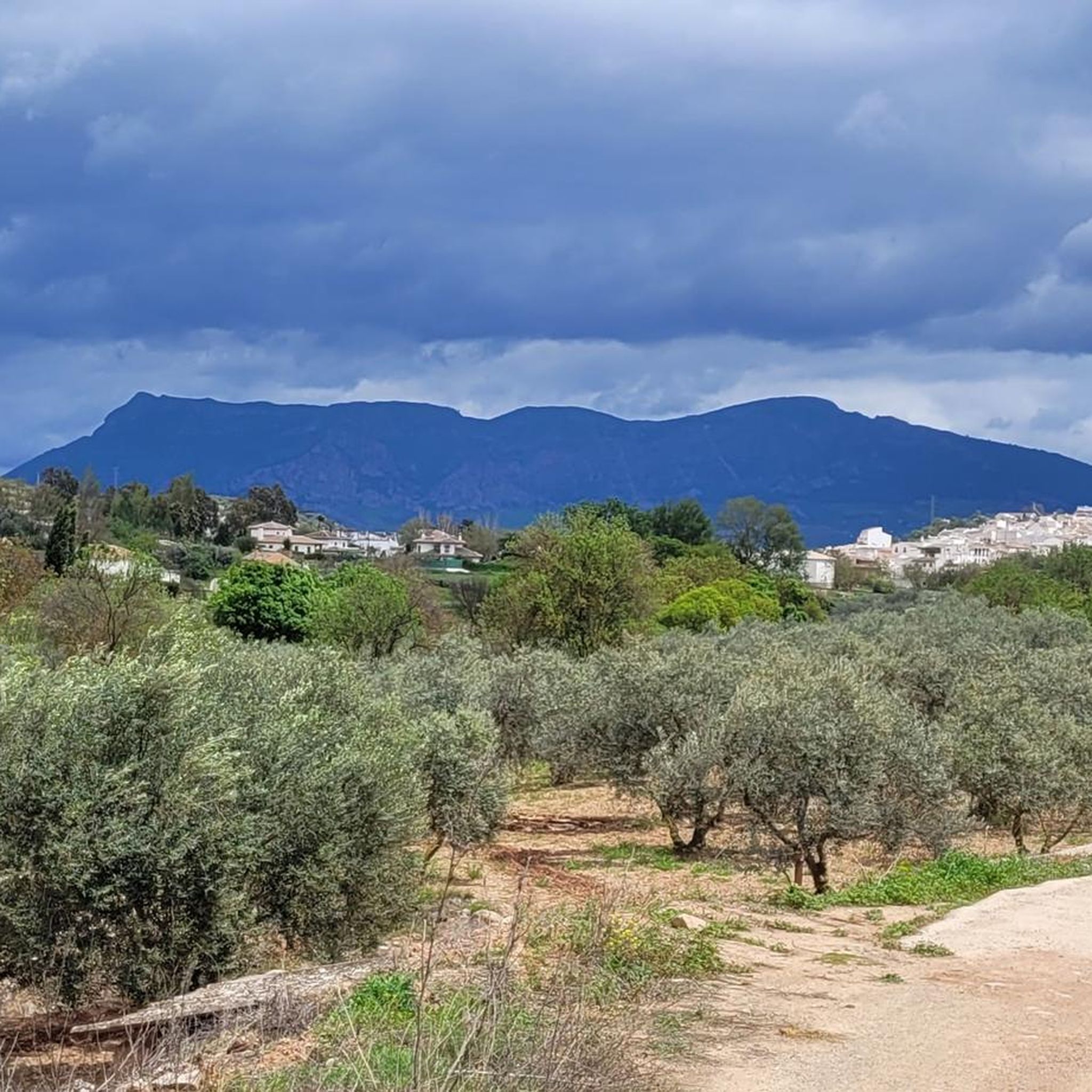
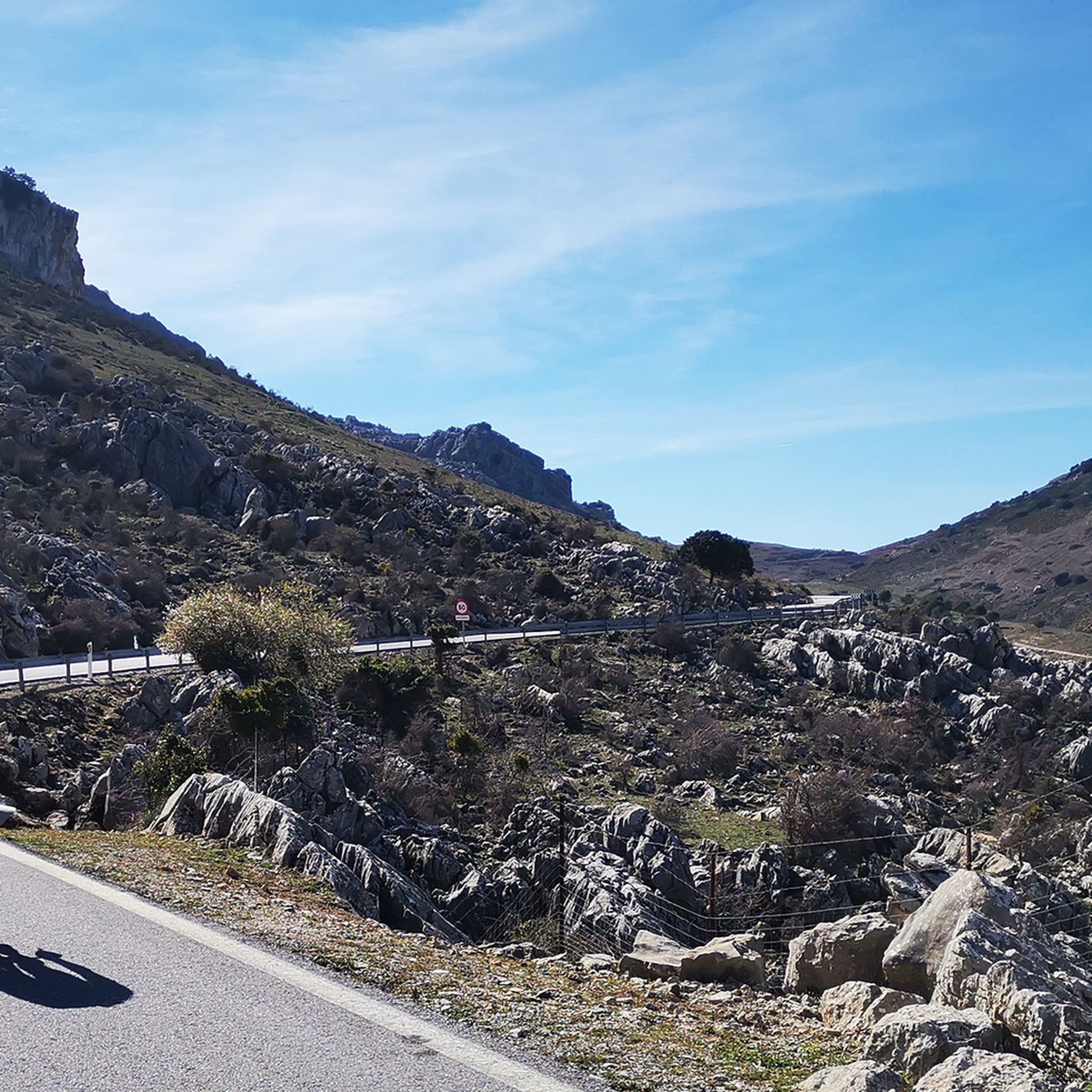
Hiking around National Park Sierra de las Nieves offers diverse terrain, characterized by dramatic karst landscapes, high peaks, and unique Spanish fir forests. This UNESCO Biosphere Reserve features rugged beauty with impressive sinkholes and a complex network of geological formations. The park's varied elevation, including Torrecilla Peak at 1,919 meters, provides a range of challenges and panoramic views. Hikers can explore ancient woodlands, discover rare flora, and encounter diverse wildlife within this protected natural area.
Best hiking trails around National Park Sierra de las Nieves
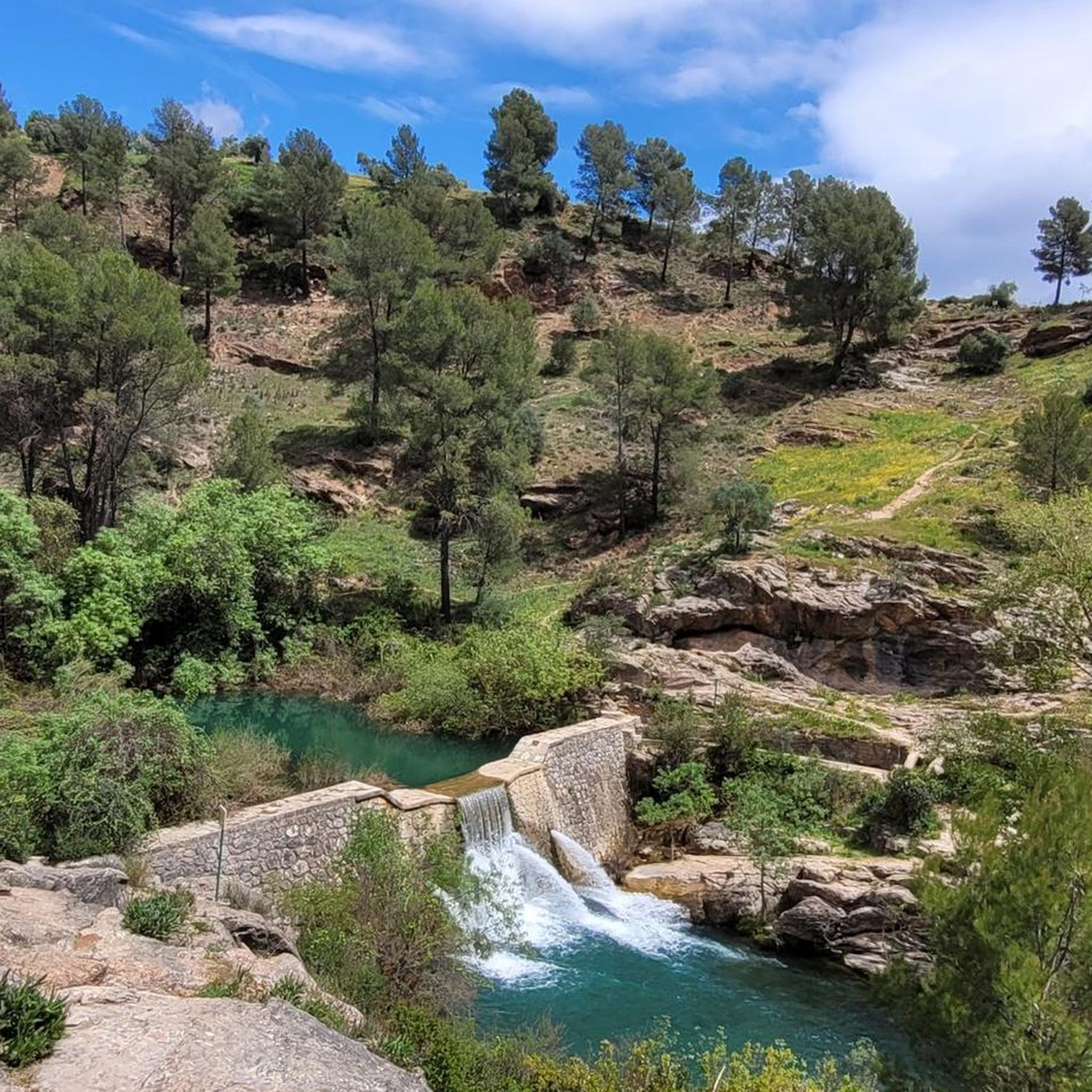
- The most popular hiking route is Parque Nacional de la Sierra de las Nieves – loop by the Cascadas Trail (PR-A 282), a 6.3 miles (10.1 km) trail that takes 3 hours 15 minutes to complete. This moderate route features stunning waterfalls and lush natural surroundings.
- Another top favourite among local hikers is Pico Torrecillas – circular via the Cañada de las Ánimas - Sierra de las Nieves National Park, a difficult 9.3 miles (14.9 km) path. This trail offers significant elevation gains and rewarding panoramic views from the park's highest point.
- Local hikers also love the Parque Nacional de la Sierra de las Nieves – circular to Peñón de los Enamorados, a 7.6 miles (12.2 km) trail leading through dramatic karst landscapes, often completed in about 4 hours 48 minutes.
- Hiking around National Park Sierra de las Nieves is defined by dramatic karst formations, ancient Spanish fir forests, and high mountain peaks. The extensive network of routes offers options for various ability levels, from leisurely walks to challenging mountaineering.
- The routes in National Park Sierra de las Nieves are highly rated by the komoot community with an average score of 4.5 stars from over 1,300 reviews. More than 8,000 hikers have used komoot to explore National Park Sierra de las Nieves's varied terrain.
Last updated: July 7, 2026
4.7
(287)
1,044
hikers
Moderate hike. Good fitness required. Easily-accessible paths. Suitable for all skill levels.
4.8
(49)
271
hikers
Hard hike. Very good fitness required. Sure-footedness, sturdy shoes and alpine experience required.

Sign up for free
4.7
(9)
49
hikers
Hard hike. Good fitness required. Sure-footedness, sturdy shoes and alpine experience required.
5.0
(6)
18
hikers
4.92km
01:36
220m
220m
Hike the moderate 3.1-mile Puerto Saucillo - Puerto Bellina Trail through rare pinsapo forests in Sierra de las Nieves National Park.
4.4
(13)
94
hikers
Easy hike. Great for any fitness level. Easily-accessible paths. Suitable for all skill levels.
Get access to more routes and recommendations from other explorers.
Sign up for free
Already have an account?
Our route recommendations are based on thousands of hikes, rides, and runs completed by other people on komoot.
Start today with a free account
Your next adventure awaits.
Login or Signup
Popular around National Park Sierra de las Nieves

Tips from the Community

El Salto de la Rejía is the highest natural waterfall in the province of Málaga. It is not a single drop but three chained falls that cascade over the rocks. The best time to visit is autumn or spring, when the flow is at its peak. In summer the water dwindles considerably, although the surroundings are still worth a visit. A tip: approach the viewpoint on the trail before descending to the base, from above you get the most complete perspective of the three falls at once.
1
0
El Charco de la Virgen is a natural pool fed by an 18-meter waterfall in the bed of the río de los Caballos river. To reach the last section, you have to enter the riverbed itself and advance by jumping between rocks. In summer it is a very popular destination for swimming, although it should be noted that the place is shady and the water remains cold almost all year round. If the summer has been dry, the flow may be disappointing: the best time to see it with its full force is spring.
1
0
At 1700 meters above sea level, the Pilar de Tolox is the highest spring in the entire province of Málaga. It is believed to have Roman origins, and for centuries it was a mandatory stopping point for shepherds and flocks. From this point begins the toughest section of the ascent to the Torrecilla peak, the highest peak in Málaga.
1
0

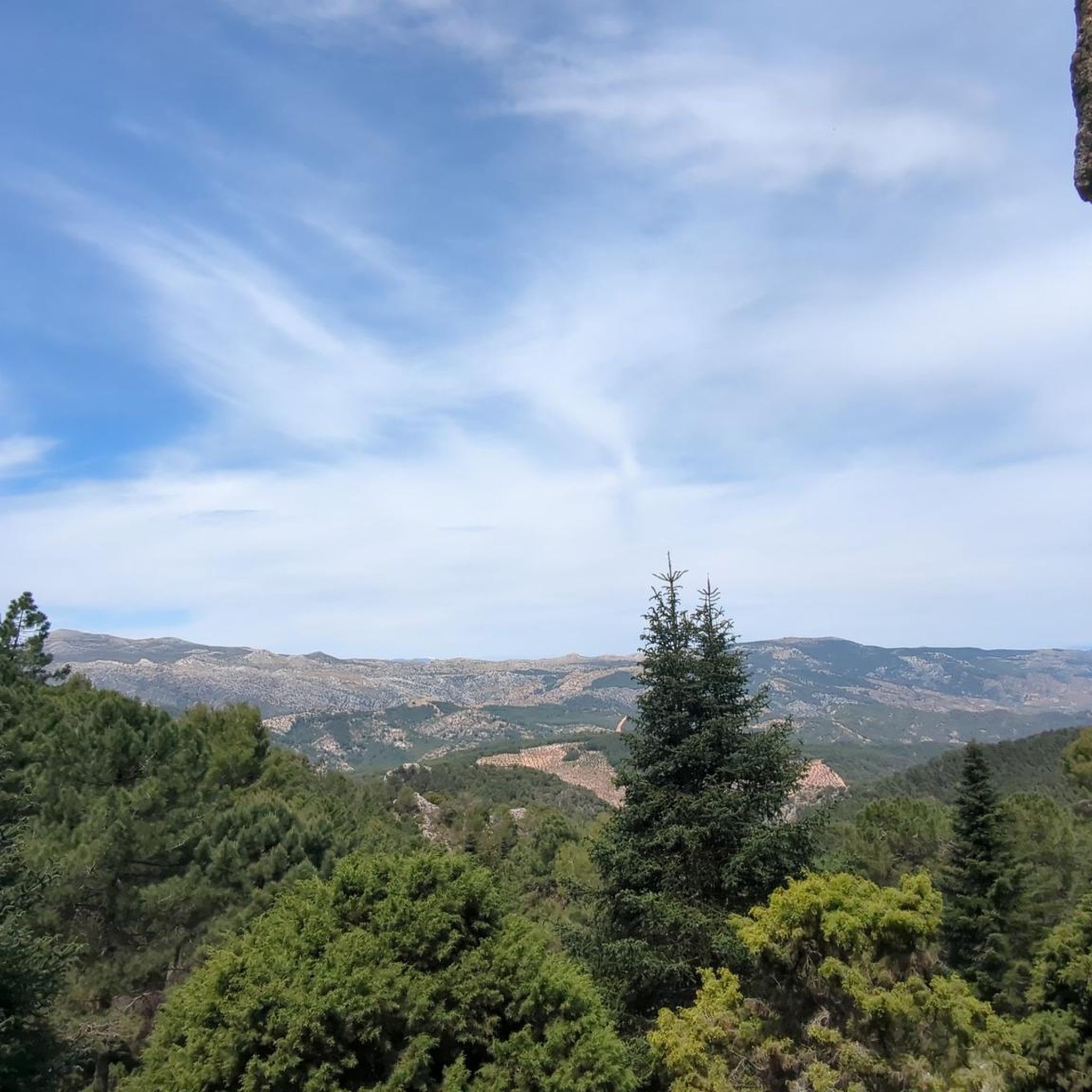
As of April 2026 , one can reach the recreational area Quejigales by car. The route is well marked and chill, compared to other routes marked as “Hard” on Komoot. The final ascent to the peak is well marked and very doable as is the descent. The views are very nice, from the Sierra Nevada to the Sierra de Grazalema, from Malaga to Gilbraltar. Overall a rewarding hike!
2
0

The suspension bridge over the Rio Verde is unfortunately no longer there. The water level was too high today to cross the river.
0
0

Best to bring beach/water shoes
0
0

If the weather is good: the perfect summit with a view! With a little scrambling it is also easy to climb, the easiest way is to go diagonally from the hiking trail near the Portuguese oak (southern flank) to the summit; if you want something more exciting: there are many beautiful climbing spots on the north side that lead to the summit
0
0

Frequently Asked Questions
How many hiking trails are available in Sierra de las Nieves National Park?
Sierra de las Nieves National Park offers a wide variety of hiking opportunities, with over 45 routes documented on komoot. These range from easy strolls to challenging mountain expeditions, ensuring there's something for every skill level.
Are there any easy or family-friendly hiking trails in the park?
Yes, the park features several easy routes suitable for families and beginners. For instance, the Charco de la Virgen loop is known for leading to beautiful natural pools. You can also find 9 easy routes on komoot, perfect for a leisurely walk.
What kind of unique natural features can I expect to see while hiking?
The park is renowned for its dramatic karst landscapes, featuring impressive sinkholes and high cliffs. A defining feature is its ancient Spanish fir (Abies pinsapo) forests, a rare relic from the Ice Age. You can also discover stunning waterfalls like La Rejía and Los Horcajuelos, and even historic 'neveros' or snow wells along some trails.
Are there any trails that feature waterfalls?
Absolutely. The park is home to several beautiful waterfalls. A notable route is the Parque Nacional de la Sierra de las Nieves – loop by the Cascadas Trail (PR-A 282), which features stunning waterfalls and lush natural surroundings. You can also find the Charco del Canalón Waterfall and Charco de la Virgen Waterfall as highlights within the park.
What is the highest point in the park, and are there trails to it?
The highest point in Sierra de las Nieves National Park is Torrecilla Peak, reaching 1,919 meters. For experienced hikers, the ascent to Torrecilla Peak offers challenging expeditions with significant elevation gains and rewarding panoramic views. You can explore routes like Pico Torrecillas – circular via the Cañada de las Ánimas for a challenging experience to the summit.
Can I find circular hiking routes in Sierra de las Nieves National Park?
Yes, there are many circular routes available. For example, the Parque Nacional de la Sierra de las Nieves – circular to Peñón de los Enamorados is a popular option leading through dramatic karst landscapes. Another is the Cañada de las Ánimas loop from Cortijo de los Quejigales.
What kind of wildlife can I encounter while hiking in the park?
Sierra de las Nieves is rich in biodiversity. Hikers might spot Iberian ibex, golden eagles, peregrine falcons, and eagle owls. The park is also home to otters and wildcats, and its location on the migratory route of the Strait further enhances its animal diversity.
What do other hikers say about the trails in Sierra de las Nieves National Park?
The trails in Sierra de las Nieves National Park are highly regarded by the komoot community, with an average rating of 4.5 stars from over 1,300 reviews. Hikers often praise the dramatic karst formations, the unique Spanish fir forests, and the rewarding panoramic views from the high mountain peaks.
Are there any specific permits required for hiking in the park?
While most trails are freely accessible, certain areas or activities within a National Park might require specific permits, especially for larger groups or protected zones. It's always advisable to check the official park website or local information centers for the most current regulations before your visit.
What are the best starting points for hikes in Sierra de las Nieves?
Numerous trails start from the charming municipalities surrounding the park, such as Ronda, Tolox, Yunquera, and El Burgo. These towns often provide convenient access to trailheads and local amenities.
Is it possible to hike with dogs in Sierra de las Nieves National Park?
Generally, dogs are permitted on trails in Spanish National Parks, but often with restrictions such as being kept on a leash. It's recommended to verify specific regulations with the park authority or local visitor centers, as rules can vary by season or specific protected areas within the park.
What is the best time of year to go hiking in Sierra de las Nieves?
The park offers hiking opportunities year-round, but the best time largely depends on your preferred experience. Spring and autumn provide pleasant temperatures and vibrant landscapes. Summer can be hot, making early morning or late afternoon hikes preferable, especially at higher altitudes. Winter offers a unique experience, with snow often covering the higher peaks, though some routes may require specialized gear.
Most popular routes around National Park Sierra de las Nieves
Most popular attractions around National Park Sierra de las Nieves

Get inspired with the komoot mobile app


Explore more
Browse the best Hikes in other regions.
