The best road cycling routes around National Park Doñana
5.0
(1)
50
riders
4
rides
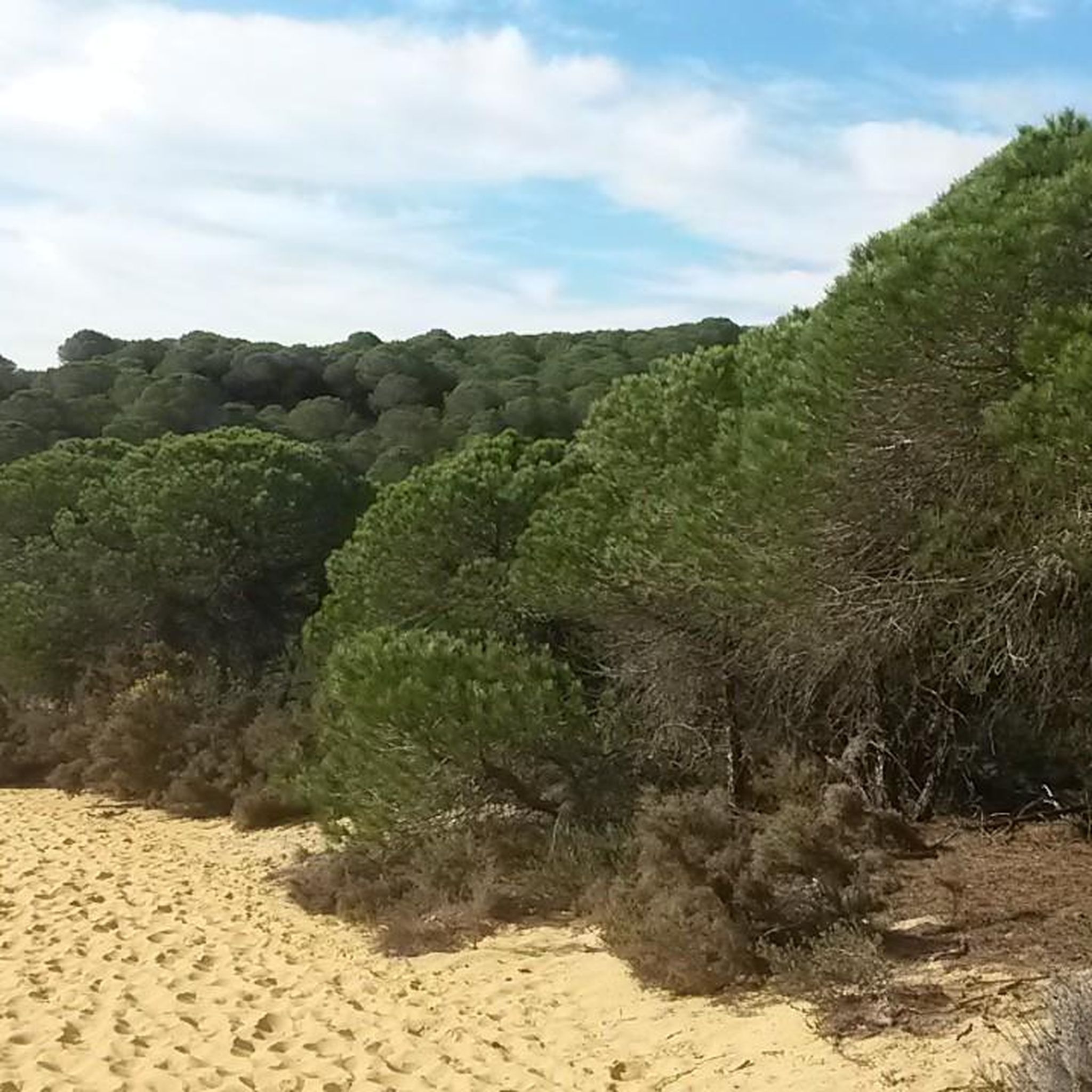
Road cycling routes around National Park Doñana traverse a landscape characterized by coastal plains, riverine ecosystems, and pine forests. The region offers generally flat to gently rolling terrain, with moderate elevation gains spread over longer distances. This area is known for its natural parks and proximity to the Atlantic coast, providing varied scenery for road cyclists.
Best road cycling routes around National Park Doñana
- The most popular road cycling route is La Rocina Stream – Hermitage of El Rocío loop…
Last updated: July 4, 2026
5.0
(1)
38
riders
Moderate road ride. Good fitness required. Some segments of this route may be unpaved and difficult to ride.
4
riders
68.4km
02:54
470m
470m
Moderate road ride. Good fitness required. Some segments of this route may be unpaved and difficult to ride.

Sign up for free
7
riders
89.9km
03:40
430m
430m
Moderate road ride. Good fitness required. Mostly well-paved surfaces and easy to ride.
1
riders
75.3km
03:19
480m
480m
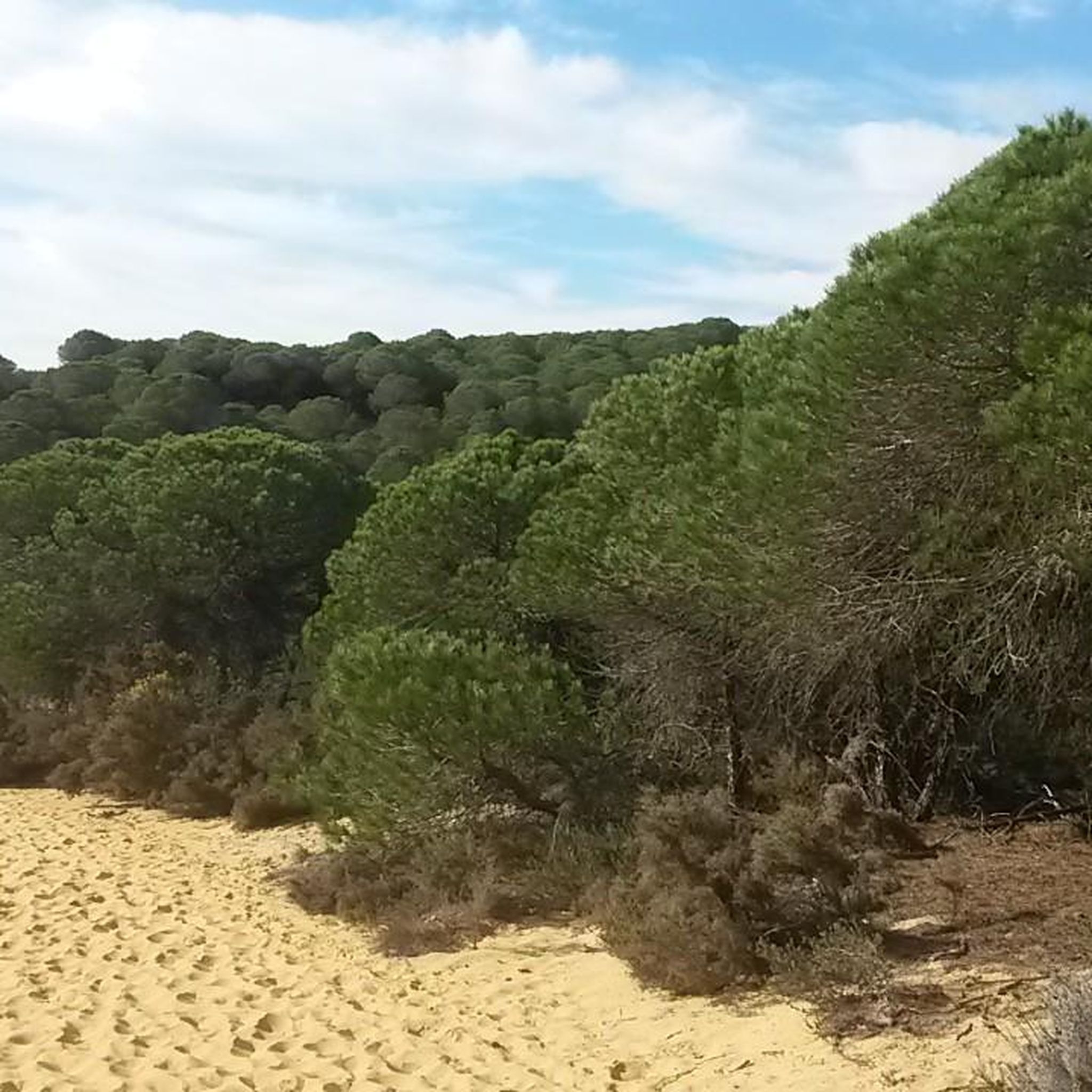
Cycle a moderate 46.8-mile (75.3 km) route through coastal landscapes, pine forests, and historical towns to Mazagón's Centenary Pine.
Our route recommendations are based on thousands of hikes, rides, and runs completed by other people on komoot.
Start today with a free account
Your next adventure awaits.
Login or Signup
Other adventures around National Park Doñana

Tips from the Community


Undoubtedly one of the greatest epicenters of Marian devotion in the world, the Sanctuary of Nuestra Señora del Rocío is visited by hundreds of thousands of believers throughout the year. Surrounded by marshes and fervor, the sanctuary stands in the village of El Rocío in Almonte, a magical and esoteric place where all roads converge.
6
1
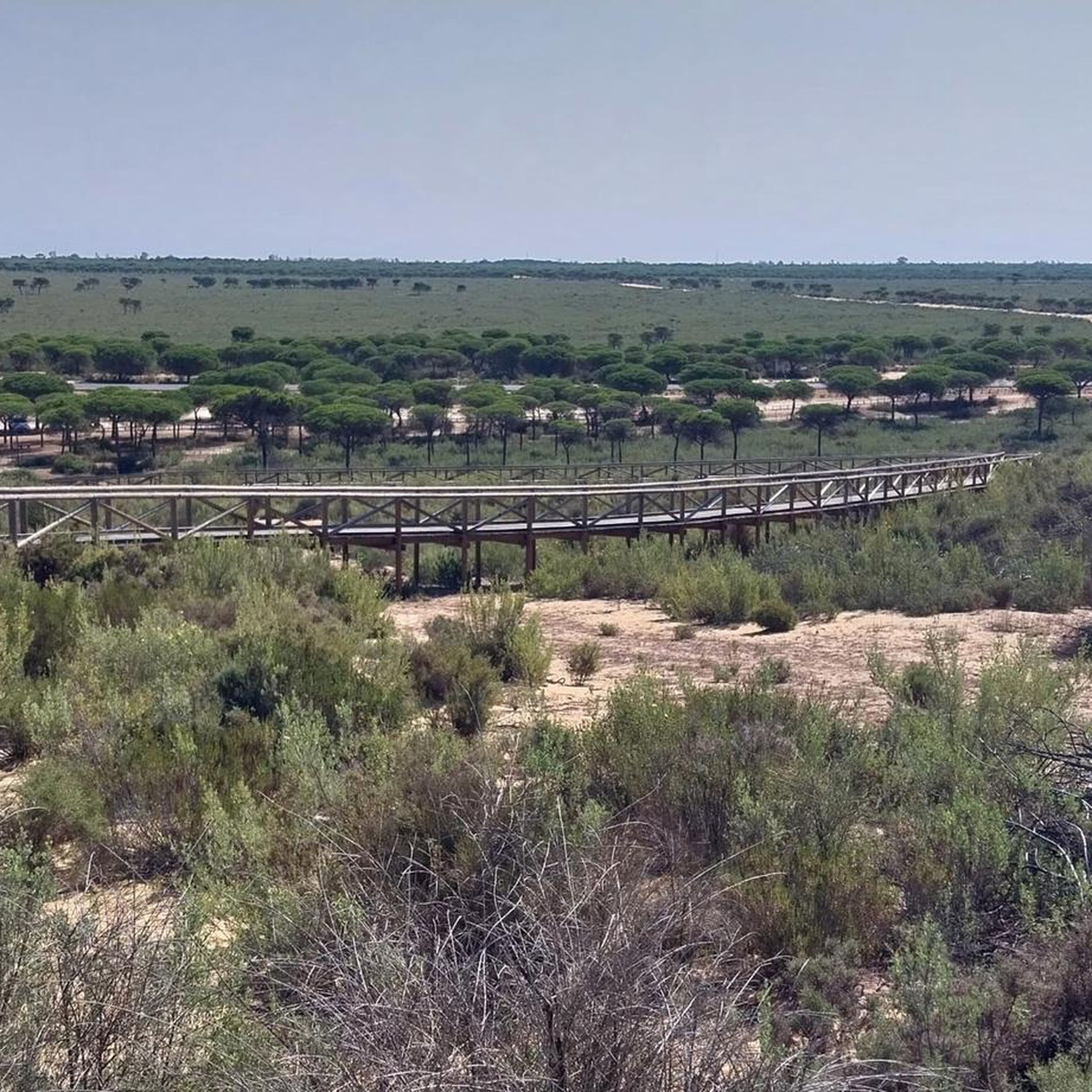
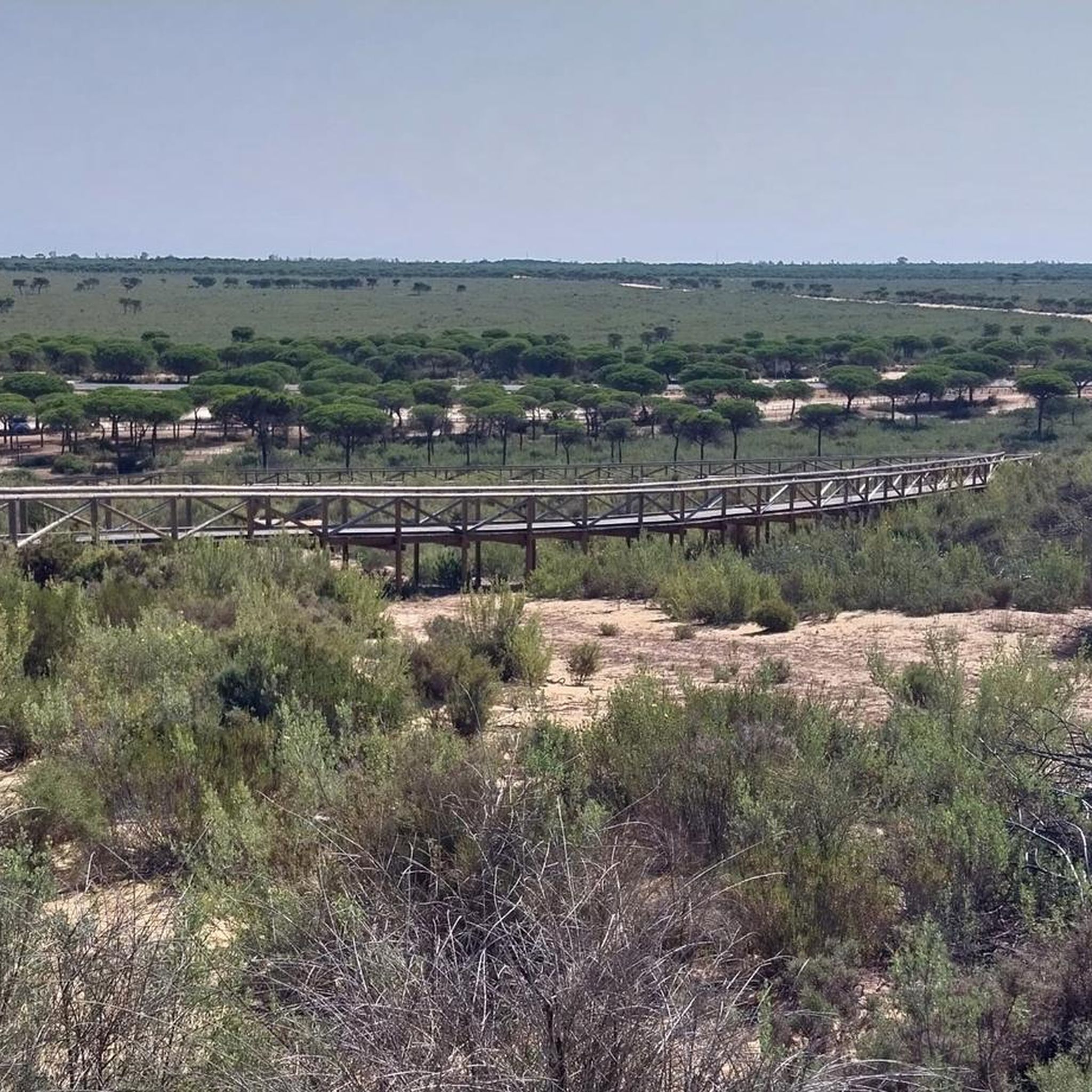
The La Rocina stream is one of the main sources of water for the marshes of the Doñana National Park and at this point it leads to an extension of the channel called Charco de la Boca. The path of the same name crosses a great biodiversity of the landscape, from a pine forest to riparian vegetation, ferns, reed beds and aromatic plants. Along the path, four observatories built as "huts" allow
7
0

Beautiful decking route with approximately 4 bird watching huts
12
1
About 1,000,000 come every year! Pilgrims
9
0

Since the middle of the 18th century, pilgrimages (Romerías) have taken place on a large scale in El Rocío. Today, what happens in the town every year during Pentecost can be described as a huge spectacle. And as one of the weirdest religious celebrations on the European continent. Around a million (!) pilgrims come to El Rocío from all parts of the country at Pentecost. The highlight is the procession that begins on the night of Whit Monday. The almost human-sized, festively decorated Madonna is then carried under a canopy through the surging crowd for around twelve (!) hours.
1
2

After Santiago the 2nd largest pilgrimage church in Spain. Thousands of visitors over Pentecost.
4
1

Brilliant backdrop that isn't one! Everything is real! The western town is awesome. Here at the church in the outbuilding you can light candles. This building and the church can also be seen in the video here: https://youtu.be/hnqMIt_kL3o
3
0
Frequently Asked Questions
What is the general terrain like for road cycling in National Park Doñana?
The region features coastal plains, riverine ecosystems, and pine forests. The terrain is generally flat to gently rolling, with moderate elevation gains spread over longer distances, offering varied scenery for road cyclists.
Are there road cycling routes suitable for beginners in National Park Doñana?
All five road cycling routes in the National Park Doñana area are rated as moderate. While there are no routes specifically classified as 'easy,' the generally flat to gently rolling terrain makes them accessible for cyclists with some experience looking for a moderate challenge.
How many road cycling routes are available in the National Park Doñana area?
There are 5 dedicated road cycling routes available around National Park Doñana, all offering a moderate challenge.
Are there circular road cycling routes in National Park Doñana?
Yes, several routes are circular, allowing you to start and finish at the same point. For example, the Mazagon, Palos de la Frontera, Moguer, Lucero del Puerto – circular route connects several towns and coastal sections in a loop.
What is the typical duration for road cycling routes in National Park Doñana?
The road cycling routes in the area typically range from approximately 2 hours 30 minutes to 3 hours 40 minutes to complete. For instance, the La Rocina Stream – Hermitage of El Rocío loop takes about 3 hours 10 minutes.
What kind of wildlife can I expect to see while road cycling in Doñana?
National Park Doñana is renowned for its rich biodiversity. While cycling, you might spot various bird species, especially near the riverine ecosystems, and potentially other wildlife characteristic of the park's pine forests and coastal areas.
Are there any specific viewpoints or attractions along the road cycling routes?
Yes, the routes offer opportunities to see natural attractions. You can find highlights such as the View of El Asperillo Cliff, the Mazagón Beach Cliffs, and the Centenary Pine of Parador de Mazagón. The El Acebuche Visitor Center is also a point of interest.
What is the best season for road cycling in National Park Doñana?
The mild climate of Andalusia generally makes road cycling enjoyable for much of the year. Spring and autumn offer pleasant temperatures, while summer can be very hot, making early morning or late afternoon rides preferable. Winter is typically mild and can also be a good time to cycle.
Are there any family-friendly road cycling options in the Doñana area?
While all listed road cycling routes are rated as moderate, the generally flat to gently rolling terrain can be suitable for families with older children who have some cycling experience. For dedicated family-friendly options, consider exploring the Litoral Greenway – Doñana Natural Park, which offers a more relaxed trail experience.
What do other road cyclists enjoy most about road cycling in National Park Doñana?
The area is highly rated by the komoot community, with an average score of 5.0 stars. Cyclists often praise the varied scenery, which includes coastal paths, riverine landscapes, and parkland areas, as well as the opportunity to explore natural parks.
Are there specific parking facilities available for road cyclists near the routes?
While specific parking information for each route start is not detailed, many towns and attractions in the Doñana area, such as Mazagón or Palos de la Frontera, offer public parking options that can serve as convenient starting points for your rides.
Do I need a permit to cycle on road routes within National Park Doñana?
Road cycling on public roads and designated cycling paths within the general vicinity of National Park Doñana typically does not require a special permit. However, if you plan to venture into restricted or protected areas within the park, it's advisable to check with the park authorities for any specific regulations or permit requirements.
Most popular routes around National Park Doñana
Most popular attractions around National Park Doñana

Get inspired with the komoot mobile app


Explore more
Browse the best Road cycling routes in other regions.
