The best cycling routes around National Park Sierra de Hornachuelos
4.2
(16)
530
riders
39
rides
Touring cycling routes around National Park Sierra de Hornachuelos traverse a landscape characterized by massifs, ravines, and elevated plains, offering diverse terrain for cyclists. The park features deep gorges carved by rivers like the Bembézar and Guadiato, creating lush riverine ecosystems. Extensive Mediterranean forests, dominated by holm oaks and cork oaks, provide shaded paths and a sense of immersion in nature. While many routes are mostly paved, some segments can be unpaved, catering to various cycling preferences.
Best touring cycling…
Last updated: August 21, 2026
5.0
(1)
14
riders
74.0km
04:48
1,030m
1,030m
Cycle a challenging 46.0 miles (74.0 km) route through Hornachuelos Sierra Natural Park, featuring Mediterranean forests and wildlife.
Hard bike ride. Very good fitness required. Mostly paved surfaces. Suitable for all skill levels.

Sign up for free
8
riders
37.5km
02:29
590m
590m
Hard bike ride. Very good fitness required. Mostly paved surfaces. Suitable for all skill levels.
3.0
(1)
6
riders
35.5km
02:53
620m
620m
Hard bike ride. Very good fitness required. Mostly paved surfaces. Suitable for all skill levels.
6
riders
32.8km
02:03
370m
370m
Moderate bike ride. Good fitness required. Mostly paved surfaces. Suitable for all skill levels.
Get access to more routes and recommendations from other explorers.
Sign up for free
Already have an account?
Our route recommendations are based on thousands of hikes, rides, and runs completed by other people on komoot.
Start today with a free account
Your next adventure awaits.
Login or Signup
Popular around National Park Sierra de Hornachuelos

Tips from the Community

Non-cycling route in many sections. Fences with padlocks Not recommended for bikes Yes for hiking
0
1

The town retains its Arab structure with steep and narrow streets as well as buildings from that era, among which the Arab fortress stands out. In its old town, you can also see the Town Hall building, its Gothic church, and the homage tower of its castle in the Plaza de Armas.
0
0
The town of San Calixto, about 17 km from Hornachuelos, is located in the heart of the Natural Park. Its origin is found in the ancient and legendary Monastery of Tardón, founded in the 16th century. XVI by Brother Mateo de la Fuente, disciple of Saint John of Ávila and hermit from the wilderness of Córdoba, in the company of Brother Diego Vidal. Due to their reputation for holiness, many others joined them. Installed in some mountains heavily populated with thistles, which is why they called it Cardón, in a hut that served as their church, they placed an image of Saint Michael. Over time, these anchorites decided to live under one of the rules approved by the church, and chose that of San Basilio, founding in 1543 the Monastery of San Basilio del Tardón, a nickname derived from Cardón, which remained inhabited by monks until the year 1808. Twenty years later, Francisco Sánchez Gadeo founded the last of the New Towns of Sierra Morena, protected by the repopulating spirit of Carlos III and following his colonizing precepts. In memory of the day of the birth of King Ferdinand VII, October 14, the name of San Calixto was given to the new town.
0
0
In the North of the Province of Córdoba, and following the local road CO-5314 that enters the Sierra de Hornachuelos, in the municipality of Posadas we find an old mining exploitation "Las Minas de la Plata", which despite its Abandoned state, it has become an obligatory route for hikers and hikers thanks to its great scenic beauty. At the foot of the road we find a series of abandoned buildings belonging to the Spanish-German company Sociedad Especial Minera Santa Bárbara, which was responsible for the exploitation of the mine at the end of the 19th century. These mines, which were already exploited by the Romans, were closed in 1914 due to World War I, since the material obtained was melted down in Belgium and with the war they could no longer be transported to the foundries.
0
0
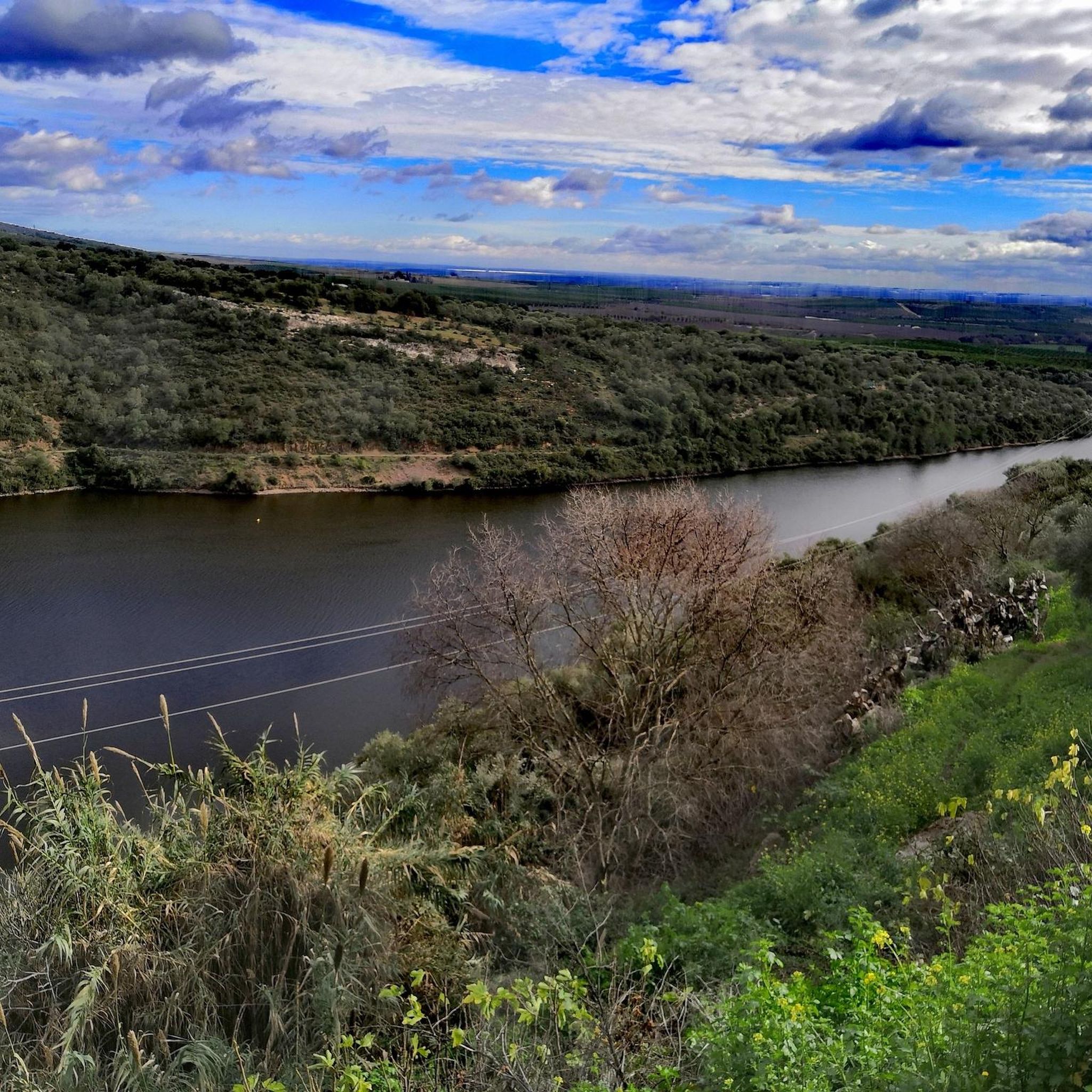
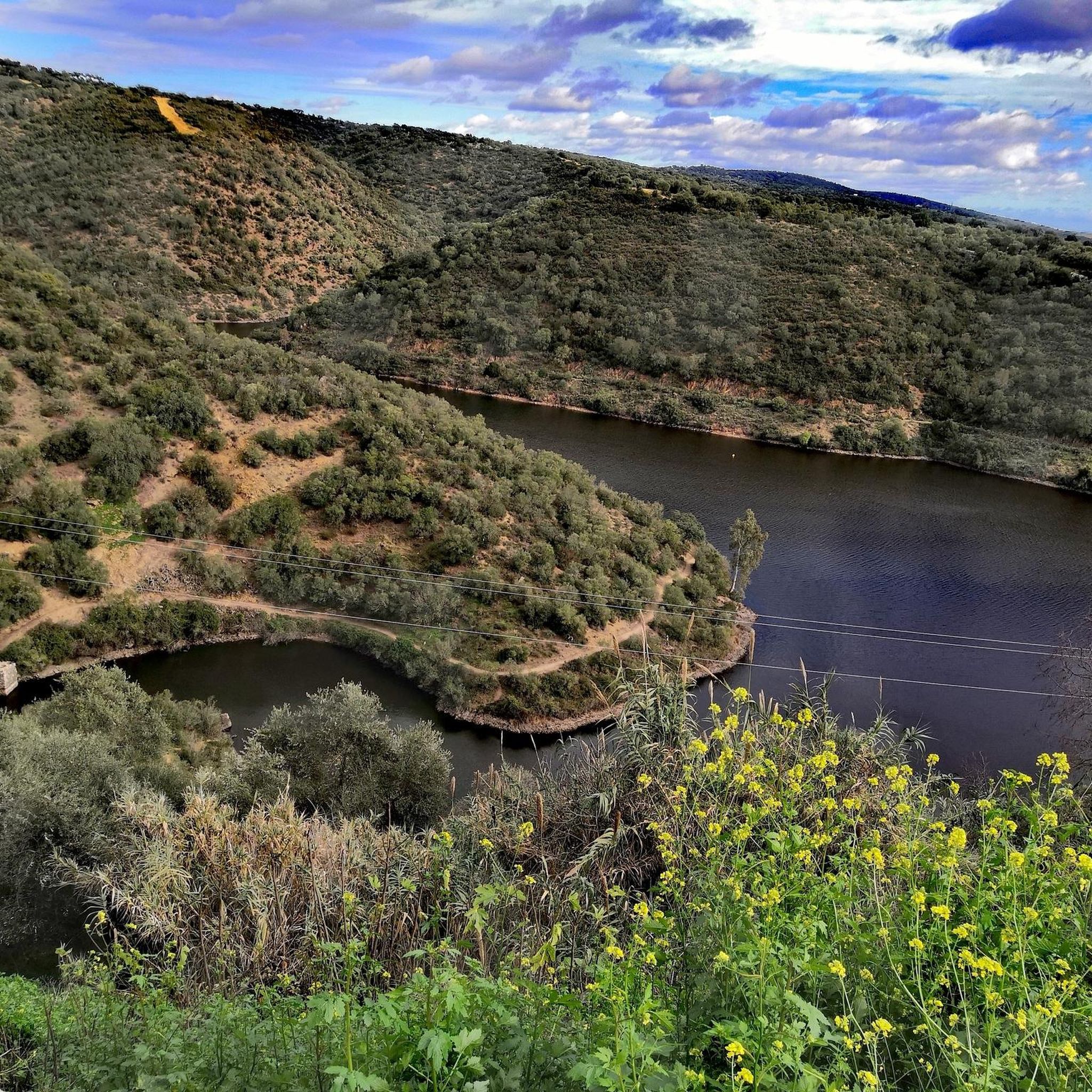
Beautiful path next to the dammed Bembézar River. Halfway there you can see the Santa María de Los Ángeles Seminary on the other shore. Path practically without unevenness, closed, with two gates along the route.
0
0

It is a watchtower tower built in the 15th century with the aim of dealing with possible Muslim attacks. It is part of the set of fortifications located on the defensive line of the road between Córdoba and Seville. There is currently a project to enhance the value that will allow the tower to be visited from the inside.
3
0
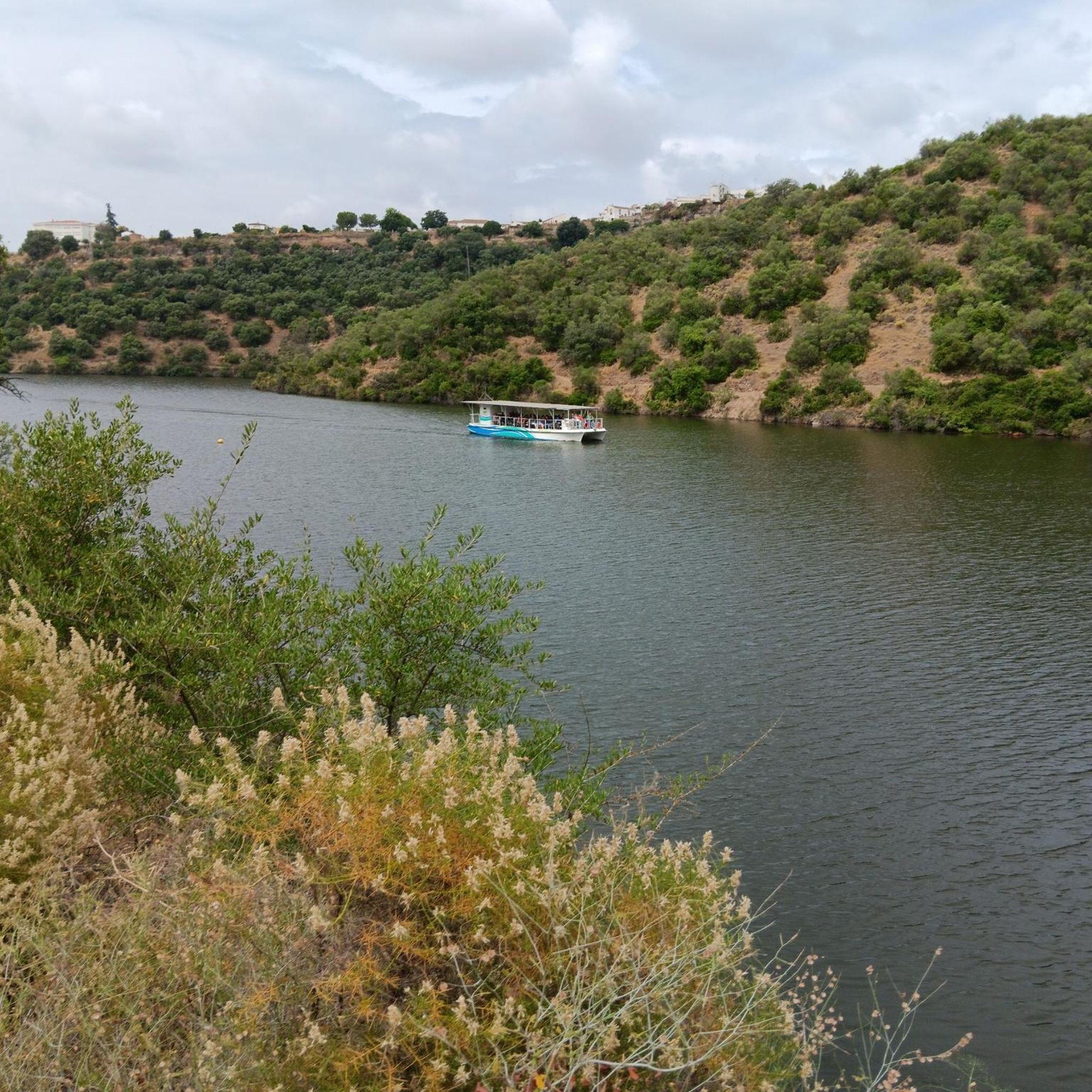
Located between the municipalities of Hornachuelos and Espiel, this reservoir was built in the 50s of the last century. It collects the waters of numerous rivers and streams, among which the Benajarafe and the Névalo stand out, both belonging to the Guadalquivir hydrographic basin.
2
0
This small rock-cut sanctuary is located on the outskirts of the town of Hornachuelos. It is a good place to refill your water bottle and admire the care with which the altar is decorated.
3
0
Frequently Asked Questions
What is the overall difficulty level of touring cycling routes in National Park Sierra de Hornachuelos?
The touring cycling routes in National Park Sierra de Hornachuelos are predominantly rated as moderate to difficult. Out of 29 available routes, 8 are considered moderate and 21 are difficult, offering a challenge for experienced cyclists. The varied terrain, with massifs, ravines, and elevated plains, contributes to these difficulty ratings.
Are there any easy touring cycling routes suitable for beginners or families?
While most touring cycling routes in the park are rated moderate to difficult, the region offers diverse terrain. For those seeking a less strenuous experience, it's advisable to look for shorter, flatter sections, possibly along the riverbanks, which tend to be less challenging. The park's visitor center can provide more localized information on suitable paths.
What kind of landscapes and natural features can I expect to see while cycling?
Cyclists will encounter a rich variety of landscapes, including deep gorges carved by rivers like the Bembézar and Guadiato, lush riverine ecosystems with willows and poplars, and extensive Mediterranean forests dominated by holm and cork oaks. The park is also known for its 'Cordoba fjords' and offers numerous points with wonderful and jaw-dropping panoramic views.
Are there any circular touring cycling routes in the park?
Yes, there are several circular routes available. A popular option is the Circular Route of Hornachuelos and Las Navas, which covers 46 miles (74 km). Another highly-rated circular route is Embalse de la Breña from Hornachuelos, which circles the Embalse de la Breña.
What are some notable points of interest or attractions along the cycling routes?
Along the routes, you can explore several significant natural and man-made features. These include the Bembézar Dam and the Retortillo Reservoir. You can also find scenic viewpoints like the View of the Seminario de los Ángeles and the View of the Bembézar River from the Santuario de los Ángeles.
What is the best time of year for touring cycling in National Park Sierra de Hornachuelos?
The park offers pleasant cycling conditions during spring and autumn when temperatures are milder. While summer can be hot, the extensive Mediterranean forests provide shaded routes, offering some relief. Winter can also be suitable, though some areas might be cooler.
Can I spot any wildlife while cycling in the park?
Yes, the Sierra de Hornachuelos Natural Park is a haven for wildlife. It's home to significant colonies of large birds of prey, including griffon and black vultures, golden eagles, and imperial eagles. Mammals such as deer, wild boar, and even the elusive Iberian lynx, mongoose, and otter can also be found, especially in quieter areas.
Are there any facilities like cafes or restaurants near the cycling trails?
The Huerta del Rey Visitor Centre, located near Hornachuelos, provides information about the park and includes a bar-restaurant where you can refuel. Additionally, nearby towns and villages like Hornachuelos, Almodóvar del Río, and Posadas offer various amenities.
What do other touring cyclists enjoy most about cycling in National Park Sierra de Hornachuelos?
The area is highly rated by the komoot community, with an average score of 4.1 stars from over 15 reviews. Reviewers often praise the park's diverse terrain, the stunning natural beauty of its deep gorges and Mediterranean forests, and the rewarding panoramic views encountered along the routes.
Are there any routes that pass by dams or reservoirs?
Yes, several routes incorporate the park's impressive water features. For instance, the Bembézar Dam – Junction towards the Silver Mines loop from Hornachuelos leads through riverine areas and past the Bembézar Dam. Another option is the Bembézar Dam – Hornachuelos Dam loop from Hornachuelos.
What types of roads can I expect on the touring cycling routes?
The park's routes feature a mix of road types. Many are mostly paved, offering comfortable riding. However, some segments can be unpaved and more challenging, catering to different fitness levels and cycling preferences. The roads often traverse picturesque landscapes, including meadows and dense forests.
Are there any routes that offer views of historical or cultural sites?
While the focus is on natural beauty, the region does have cultural interest. The nearby towns and villages like Hornachuelos offer heritage sites. The Peña del Fraile, near the abandoned Seminario de Nuestra Señora de Los Ángeles (a 1489 monastery), is a notable landmark with literary significance that can be viewed from certain points, such as the View of the Seminario de los Ángeles.
Most popular routes around National Park Sierra de Hornachuelos
Most popular attractions around National Park Sierra de Hornachuelos

Get inspired with the komoot mobile app


Explore more
Browse the best Cycling routes in other regions.
