The best road cycling routes around National Park Fragas Eume
4.0
(36)
2,048
riders
98
rides
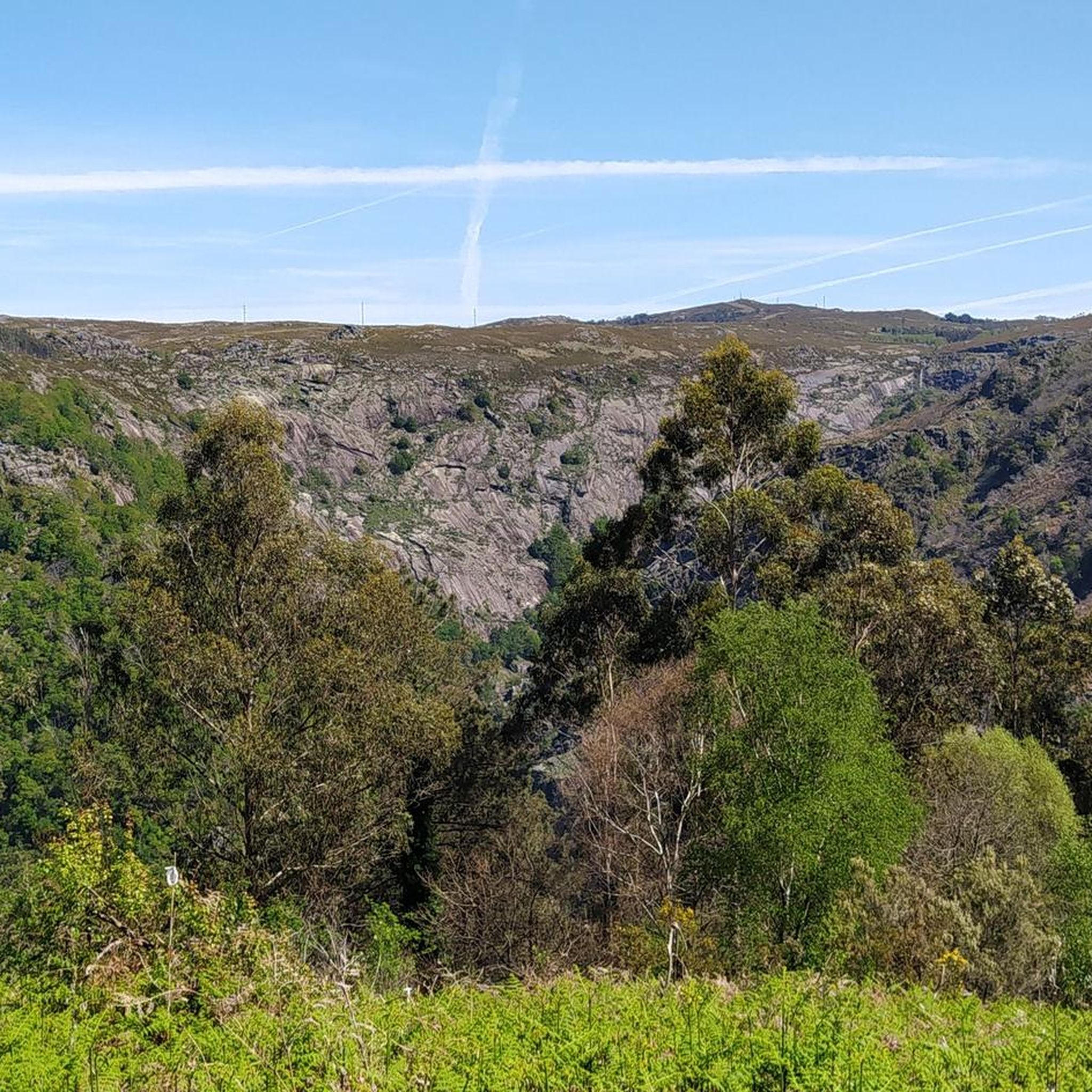
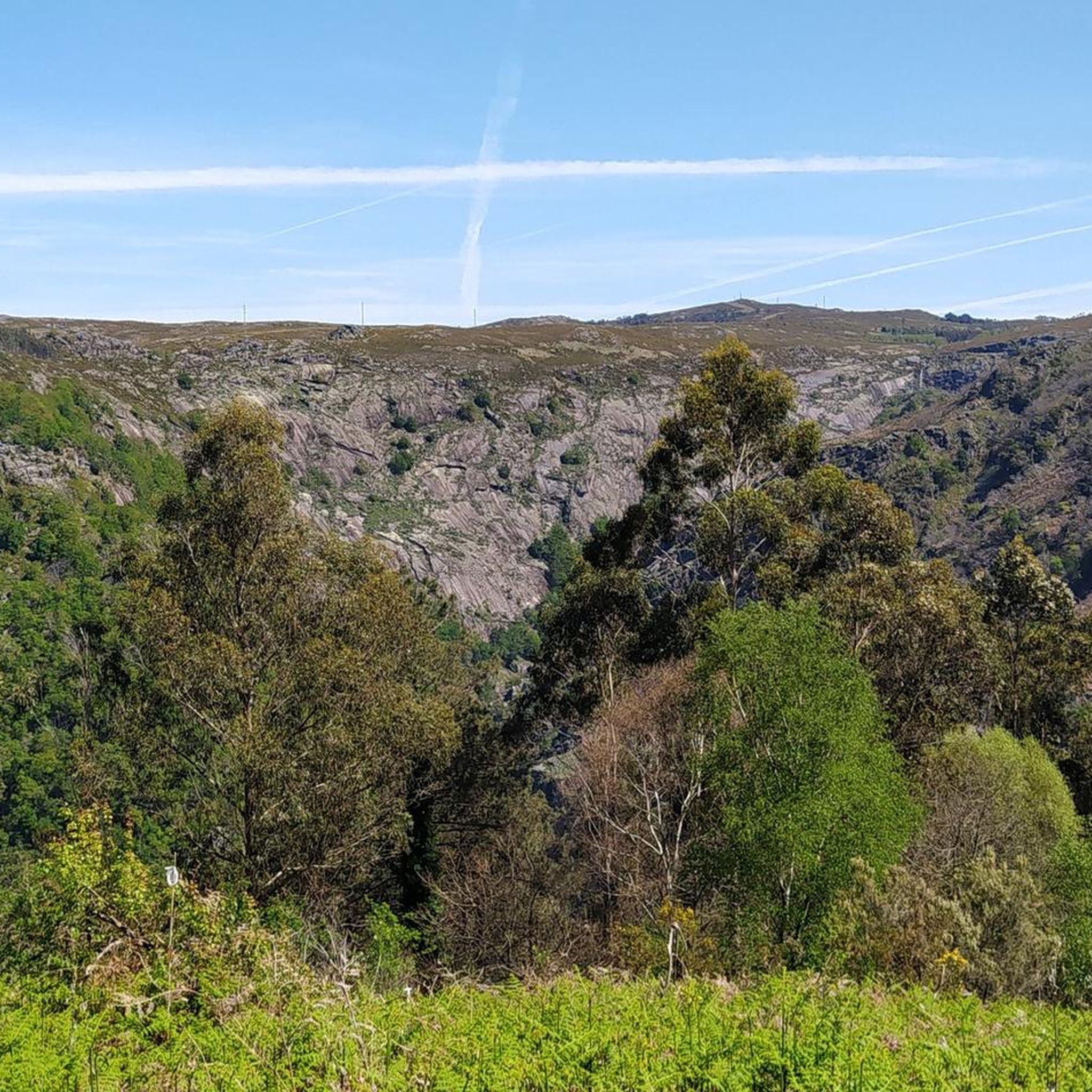
Road cycling routes around National Park Fragas Eume traverse a landscape characterized by dense ancient woodlands, deep river valleys carved by the Eume River, and rolling hills. The region offers varied terrain, from winding roads through forested areas to routes that provide views of the surrounding countryside. Road cyclists can expect a mix of ascents and descents, with some routes featuring significant elevation changes.
Best road cycling routes around National Park Fragas Eume
- The most popular road cycling route is…
Last updated: October 8, 2026
5.0
(1)
12
riders
49.9km
02:28
770m
770m
Moderate road ride. Good fitness required. Mostly well-paved surfaces and easy to ride.
3.0
(1)
3
riders
48.8km
02:52
960m
960m
Hard road ride. Very good fitness required. Mostly well-paved surfaces and easy to ride.

5.0
(6)
69
riders
58.1km
03:06
1,000m
1,000m
Hard road ride. Very good fitness required. Some segments of this route may be unpaved and difficult to ride.
25
riders
65.9km
03:02
760m
760m
Moderate road ride. Good fitness required. Mostly well-paved surfaces and easy to ride.
18
riders
36.2km
01:42
440m
440m
Moderate road ride. Good fitness required. Mostly well-paved surfaces and easy to ride.
Get access to more routes and recommendations from other explorers.
Already have an account?
Our route recommendations are based on thousands of hikes, rides, and runs completed by other people on komoot.
Start today with a free account
Your next adventure awaits.

Tips from the Community

A small village at the mouth of the Lambre River, whose banks are covered with fine white sand
2
0

Good bathing area, with a large sandy beach and picnic area
0
0

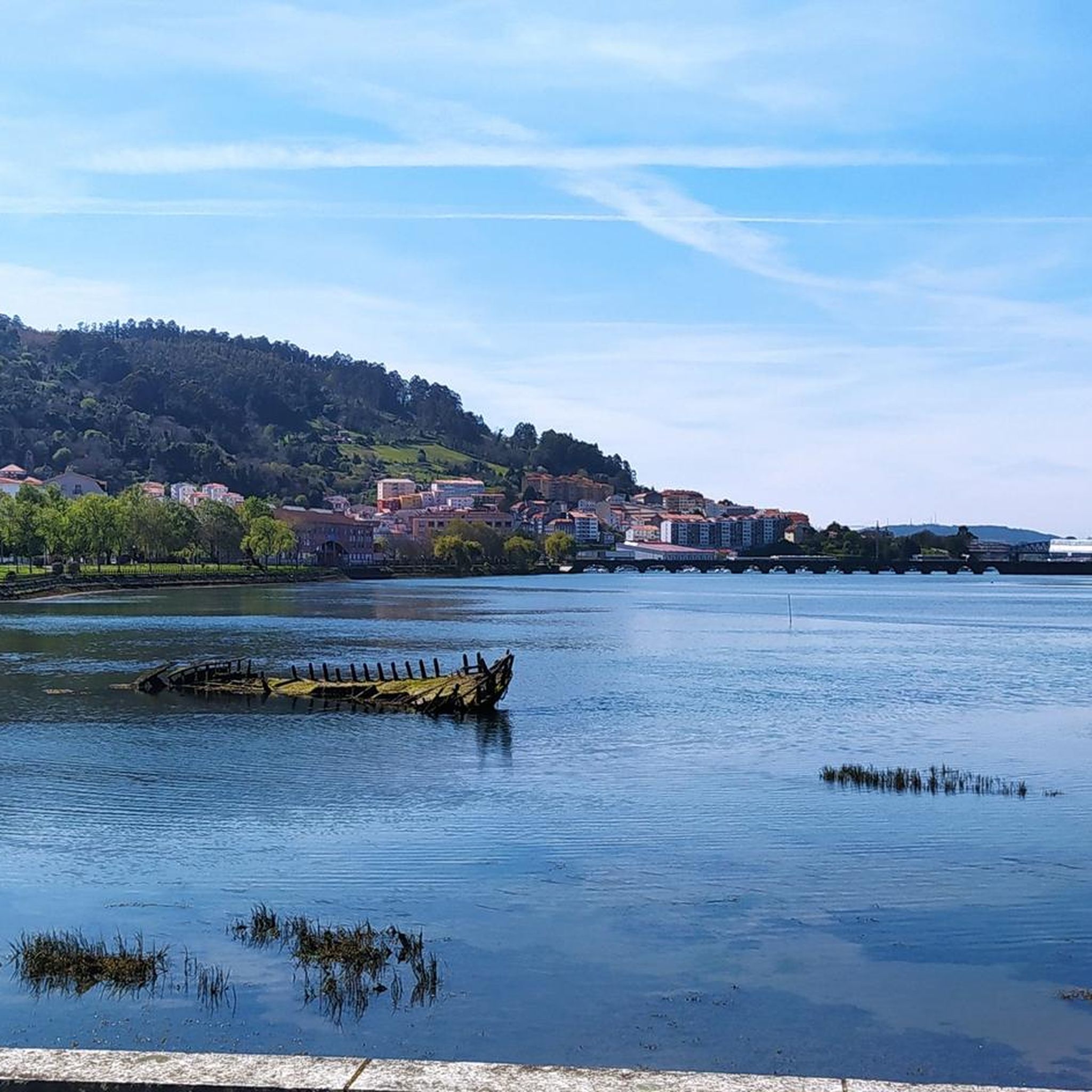
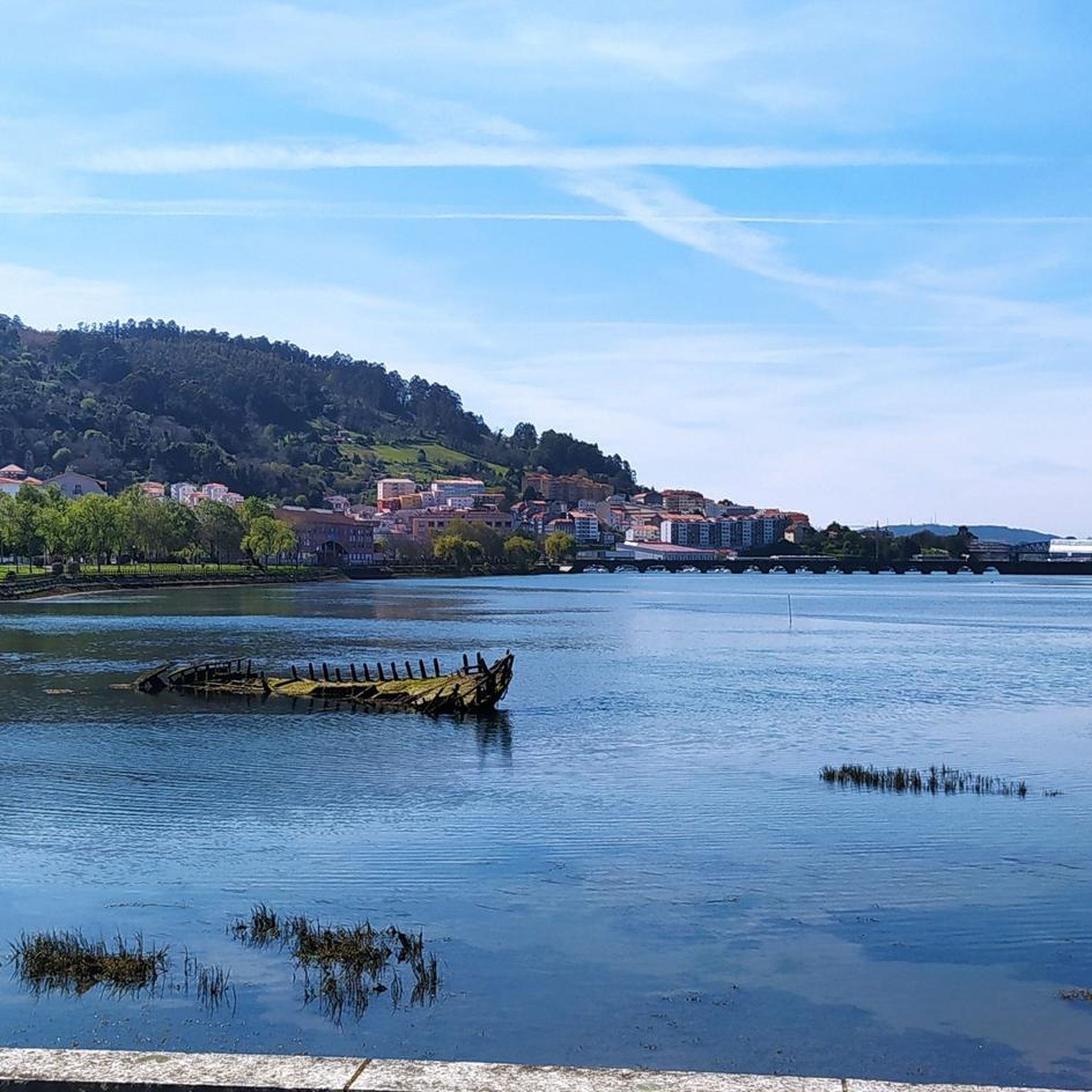
The large beach of Miño is an extensive spit of sand that forms the largest beach in this town in the Betanzos estuary. Bathers and passers-by can enjoy a privileged natural environment with white sand and blue waters.
1
0

Most famous thanks to the monastery of Santa María, this town in A Coruña is located in the Fragas de Eume natural park. It has about 1800 inhabitants and is made up of seven parishes.
1
1
The large beach of Miño is an extensive tongue of sand that forms the largest beach in this town in the Betanzos estuary. Bathers and passers-by can enjoy a privileged natural environment with white sand and blue waters.
1
0
The Frouxeira lagoon is part of the protected humid zone of the Valdoviño lagoon and sandbank. It is one of the sanctuaries for marine species and birds essential for the conservation of biodiversity and the economic sustainability of the surrounding towns.
1
0

Ascent of 4.22km with a positive drop of 274m with an average slope of 6.5%
1
0
Final mill on the river Xuvia also known as Rio Grande de Xubia, its discharge of water is responsible for the formation of the Ria de Ferrol. This unique mill was probably the main producer of flour in Galicia and the entire country for many decades, producing up to 172,500 kg a year, feeding a large part of the Ferrol region.
1
0
Frequently Asked Questions
How many road cycling routes are available in National Park Fragas Eume?
There are over 85 road cycling routes available in National Park Fragas Eume, offering a wide range of options for different skill levels and preferences.
What kind of terrain can I expect when road cycling in National Park Fragas Eume?
Road cycling in National Park Fragas Eume features a diverse landscape characterized by dense ancient woodlands, deep river valleys carved by the Eume River, and rolling hills. You can expect a mix of ascents and descents, with some routes involving significant elevation changes, providing both challenging climbs and scenic stretches.
Are there road cycling routes suitable for beginners in National Park Fragas Eume?
Yes, National Park Fragas Eume offers a few easy road cycling routes perfect for beginners or those looking for a more relaxed ride. One such route is the Pontedeume loop from Pontedeume, which covers 13.9 miles (22.3 km) with moderate elevation.
What are some challenging road cycling routes for experienced riders?
For experienced riders seeking a challenge, National Park Fragas Eume has numerous difficult routes. A notable option is the Castillo de Naraío – O Roxal loop from A Abelleira, a 30.3 miles (48.8 km) trail with significant climbs, exploring the region's interior and historical sites.
Are there any circular road cycling routes in the area?
Many of the road cycling routes in National Park Fragas Eume are designed as loops, allowing you to start and finish at the same point. Examples include the Wooden Floor – Pontedeume loop from Castle of Andrade and the Ponte de Lambre – Playa Grande de Miño loop from Pontedeume, offering varied scenery.
What is the best time of year for road cycling in National Park Fragas Eume?
The best time for road cycling in National Park Fragas Eume is generally during the spring (April to June) and autumn (September to October). During these months, the weather is typically milder, and the natural scenery, especially the ancient woodlands, is particularly vibrant or colorful. Summers can be warm, while winters are cooler and wetter.
What interesting places can I see along the road cycling routes in National Park Fragas Eume?
While cycling, you can encounter several points of interest. The region is home to historical structures like the Monastery of Saint John of Caaveiro and scenic spots such as the Parque Natural das Fragas do Eume itself, known for its ancient forest. You might also cross charming bridges like the Wooden bridge over the Eume River.
Where can I find parking for road cycling in National Park Fragas Eume?
Parking is generally available in the towns and villages surrounding the National Park, such as Pontedeume or Cabanas, which serve as common starting points for many routes. Specific parking areas may be signposted near popular trailheads, but it's advisable to check local information for the most convenient spots depending on your chosen route.
Are there cafes or places to stop for refreshments along the routes?
Yes, you'll find opportunities for refreshments, particularly in the larger towns and villages that routes pass through or start from. For example, the Caaveiro Tavern is a notable spot within the park, and other local establishments can be found in places like Pontedeume.
What do other road cyclists say about the routes in National Park Fragas Eume?
The road cycling routes in National Park Fragas Eume are highly rated by the komoot community, with an average score of 4.3 stars from over 20 reviews. More than 1600 road cyclists have explored the varied terrain, often praising the region's natural beauty, challenging climbs, and the unique experience of cycling through ancient woodlands and river valleys.
Are there any long-distance road cycling routes in the National Park Fragas Eume area?
Yes, for those looking for longer rides, there are routes that extend further, offering more distance and elevation. An example is the Playa Grande de Miño – Pontedeume loop from Cabanas-O Areal, which covers approximately 49.5 miles (79.6 km) and features significant elevation gain, combining riverine and coastal landscapes.
Most popular routes around National Park Fragas Eume
Most popular attractions around National Park Fragas Eume

Get inspired with the komoot mobile app


Explore more
Browse the best Road cycling routes in other regions.
