The best cycling routes around Rada De Haro
1.0
(1)
12
riders
5
rides
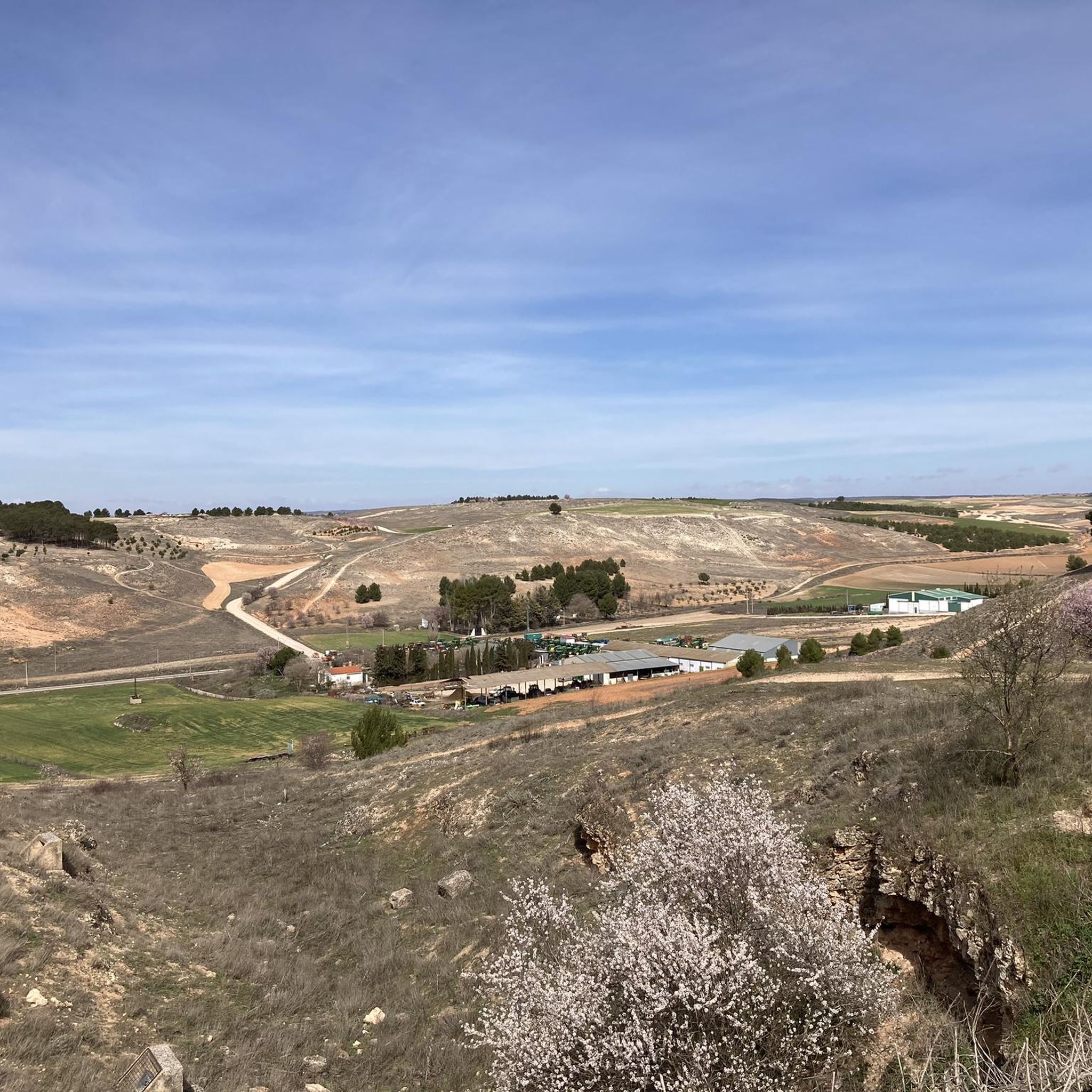
Touring cycling around Rada De Haro is set within the broader Castilla-La Mancha region, characterized by its expansive La Mancha plains. The terrain primarily features flat and undulating sections, with some routes including hills. Cyclists can expect peaceful country roads that traverse vineyards and traditional farms. The area also encompasses river valleys and small mountains, offering varied landscapes for exploration.
Best touring cycling routes around Rada De Haro
- The most popular touring cycling route is Villaescusa de Haro from Belmonte…
Last updated: June 27, 2026
2
riders
43.0km
03:30
350m
350m
Cycle a moderate 26.7-mile (43.0 km) touring route from Belmonte, passing rural landscapes and the historic Castillo de Belmonte.
1
riders
57.8km
03:53
510m
510m
Hard bike ride. Very good fitness required. Mostly paved surfaces. Suitable for all skill levels.

Sign up for free
1.0
(1)
4
riders
12.3km
01:05
60m
60m
Easy bike ride. Great for any fitness level. Mostly paved surfaces. Suitable for all skill levels.
2
riders
40.6km
03:34
360m
360m
Moderate bike ride. Good fitness required. Mostly paved surfaces. Suitable for all skill levels.
3
riders
20.6km
01:57
240m
240m
Moderate bike ride. Good fitness required. Mostly paved surfaces. Suitable for all skill levels.
Our route recommendations are based on thousands of hikes, rides, and runs completed by other people on komoot.
Start today with a free account
Your next adventure awaits.
Login or Signup
Popular around Rada De Haro

Tips from the Community

The typical houses of La Mancha in Las Pedroñeras and the surrounding region feature a very distinctive architecture, characterized by functionality and adaptation to the climate and agricultural life. Traditional materials: They were built with rammed earth (compacted mud) and adobe bricks mixed with straw. The roofs were made with poles, reeds, and plaster, and reinforced with green esparto grass ropes. White facades and indigo baseboards: The whitewash served to keep the houses cool and disinfect the walls, while the indigo blue on the baseboards and frames had both a functional and superstitious origin (to ward off insects and evil spirits).
5
0
Built in the 15th century by order of Don Juan Pacheco, first Marquis of Villena, the castle is a notable example of Gothic-Mudejar architecture. The castle has been restored and turned into a museum, and is now considered a Site of Cultural Interest. In addition to its rich history, the castle is known for events such as the National Medieval Combat Championship, which is held annually.
3
0
The castle was built in 1456 by order of Juan Pacheco, a prominent nobleman during the reign of Henry IV. Its architectural style combines Gothic and Mudejar elements. It has a peculiar triangular plan and a strategic location on the top of a hill. Over the centuries, the castle has witnessed historical events, from visits by the Catholic Monarchs to restorations and cultural events. Today, the castle hosts exhibitions, dramatized tours, medieval combat tournaments and the impressive Trebuchet Park, which displays full-scale siege engines. 😊🏰
4
0

Built in the 15th century by order of the first Marquis of Villena, Don Juan Pacheco, it is located on the San Cristóbal hill. Currently the castle is owned by the Ducal House of Peñaranda y Montijo, which through a management company chaired by the Count of Montalvo, Mr. Javier Fitz-James Stuart de Soto, has carried out a final rehabilitation between 2008 and 2016 with which has become a museum and also hosts various events. In the month of May/June, the Historical Recreation Days are held in the Castle, which allow us to see the life of warriors, artisans, doctors, monks, lords or peasants. National and international medieval combat tournaments are also held, a spectacular contact sport with period weapons and armor.
1
0
This is one of the gates in the wall that gives access to the town of Belmonte. In addition to the Almudí, it was known by other names: Puerta del Rollo or Cristo de los Ausentes. The name Puerta de Almudí comes from being next to the Pósito, a stone house attached to the door that was the place used to collect grains, mainly wheat, in order to lend them to farmers and neighbors during the months of less abundance. . The term Almudí refers to the public house intended for the purchase and sale of wheat, as well as for other grains, foodstuffs or merchandise, which were stored inside, or warehouse, with the purpose that you do not accrue taxes while they would not be sold. The name of the Roll is due to the fact that in front of it was the stone roll or column that served as an insignia of jurisdiction and that, in many other cases, also served as a pillory to execute the prisoners. The name Puerta del Cristo de los Ausentes is due to the fact that it houses a bronze image of this Christ, the work of the Cuenca sculptor José Antonio Lafuente Roldán, in 1967.
0
0

Nice 15th century castle. Inside is a museum.
1
0
One of the three mills in Belmonte that maintain their shape that we know from the stories of Don Quixote. It can be visited - it maintains its original machinery (confirm the schedule that varies between summer and winter). From this point you can admire Belmonte and its surroundings.
1
0
Convent of Santa Cruz founded in the 16th century, currently in a poor state of conservation, it was included in the Red List of endangered heritage.
2
0
Frequently Asked Questions
What kind of terrain can I expect when touring cycling around Rada De Haro?
The region around Rada De Haro, part of Castilla-La Mancha, is characterized by its expansive La Mancha plains. You'll primarily find flat and undulating sections, with some routes including hills. Expect peaceful country roads that traverse vineyards and traditional farms, offering a varied landscape for exploration.
Are there any easy touring cycling routes suitable for beginners or families?
Yes, there are options for easier rides. For instance, the Bike loop from Belmonte is an easy 12.3 km trail that can be completed in about 1 hour 5 minutes, perfect for a relaxed outing through the local countryside.
What historical landmarks or attractions can I visit while cycling in the area?
The region is rich in history. You can explore sites like the impressive Castillo de Belmonte, a 15th-century castle, or the El Puntal Mill. Other notable points include the Almudí Gate (Christ of the Absent) and the Castle of Villaescusa de Haro.
Are there any circular touring cycling routes available?
Yes, many routes in the area are circular, allowing you to start and end in the same location. A popular moderate option is Villaescusa de Haro from Belmonte — circular by Osa de Vega, which covers 43 km and offers views of rural landscapes and traditional villages.
What is a more challenging touring cycling route for experienced riders?
For those seeking a more demanding ride, consider La Alberca de Záncara y Belmonte — circular desde Las Pedroñeras. This difficult 57.8 km path explores the wider agricultural plains and features a more challenging elevation profile.
What kind of natural scenery can I expect to see on these routes?
Beyond the agricultural plains, the broader Castilla-La Mancha region includes river valleys and small mountains. You'll cycle through areas with vineyards and traditional farms, and the landscape is often associated with the iconic windmills of Don Quixote's La Mancha.
Are there any routes that showcase traditional architecture or villages?
Yes, several routes pass through charming villages. The Typical Manchegan houses – Las Pedroñeras loop from Las Pedroñeras is a moderate 40.6 km route that allows you to experience the traditional architecture of the region.
How many touring cycling routes are available around Rada De Haro?
There are 5 touring cycling routes detailed in this guide for the Rada De Haro area, offering a range of difficulties from easy to difficult.
What is the best time of year for touring cycling in this region?
The Castilla-La Mancha region generally offers pleasant conditions for cycling during spring and autumn, when temperatures are milder. Summer can be quite hot, while winter might bring cooler temperatures, though cycling is possible year-round.
Can I find routes that include religious or historical buildings?
Absolutely. The Convent of the Dominicans loop from Villaescusa de Haro is a moderate 20.7 km route that includes a visit to a significant religious site, offering a blend of cycling and cultural exploration.
What do other touring cyclists enjoy most about cycling in Rada De Haro?
Cyclists often appreciate the peaceful country roads, the serene atmosphere of the small villages, and the opportunity to ride through vineyards and traditional farms. The blend of accessible terrain and historical landmarks makes for a rewarding experience.
Most popular routes around Rada De Haro
Most popular attractions around Rada De Haro

Get inspired with the komoot mobile app


Explore more
Browse the best Cycling routes in other regions.
