The best mountain hikes around Vilajuïga
5.0
(3)
9
hikers
4
hikes
Mountaineering routes around Vilajuïga, located in Catalonia's Alt Empordà region, traverse a landscape characterized by rugged terrain and diverse geological features. The area borders the Cap de Creus Natural Park, known for its unique rock formations and coastal cliffs, and is set against the backdrop of the Serra de Rodes mountain range. This environment offers significant elevation changes and challenging granite formations, making it suitable for various mountaineering activities, including strenuous hiking and rock climbing.
Best mountaineering routes around Vilajuïga
…Last updated: May 16, 2026
5.0
(1)
4
hikers
Hard mountaineering route. Good fitness required. Sure-footedness, sturdy shoes and alpine experience required.
1
hikers
Moderate mountaineering route. Good fitness required. Mostly accessible paths. Sure-footedness required.

Sign up for free
5.0
(2)
2
hikers
9.39km
03:34
420m
410m
Hard mountaineering route. Good fitness required. Sure-footedness, sturdy shoes and alpine experience required.
1
hikers
9.00km
04:01
590m
590m
Moderate mountaineering route. Good fitness required. Mostly accessible paths. Sure-footedness required.
2
hikers
Moderate mountaineering route. Great for any fitness level. Mostly accessible paths. Sure-footedness required.
Our route recommendations are based on thousands of hikes, rides, and runs completed by other people on komoot.
Start today with a free account
Your next adventure awaits.
Login or Signup
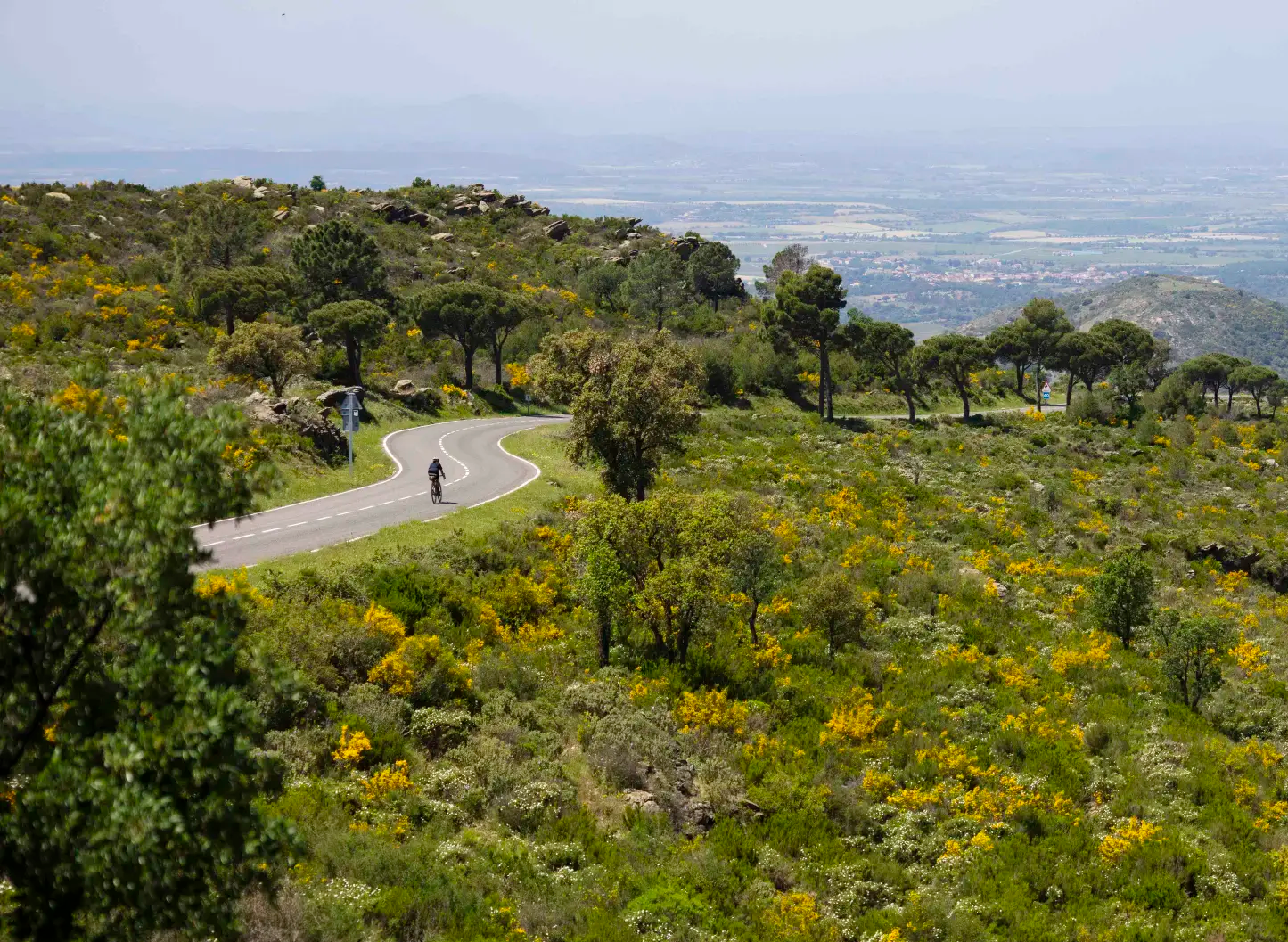
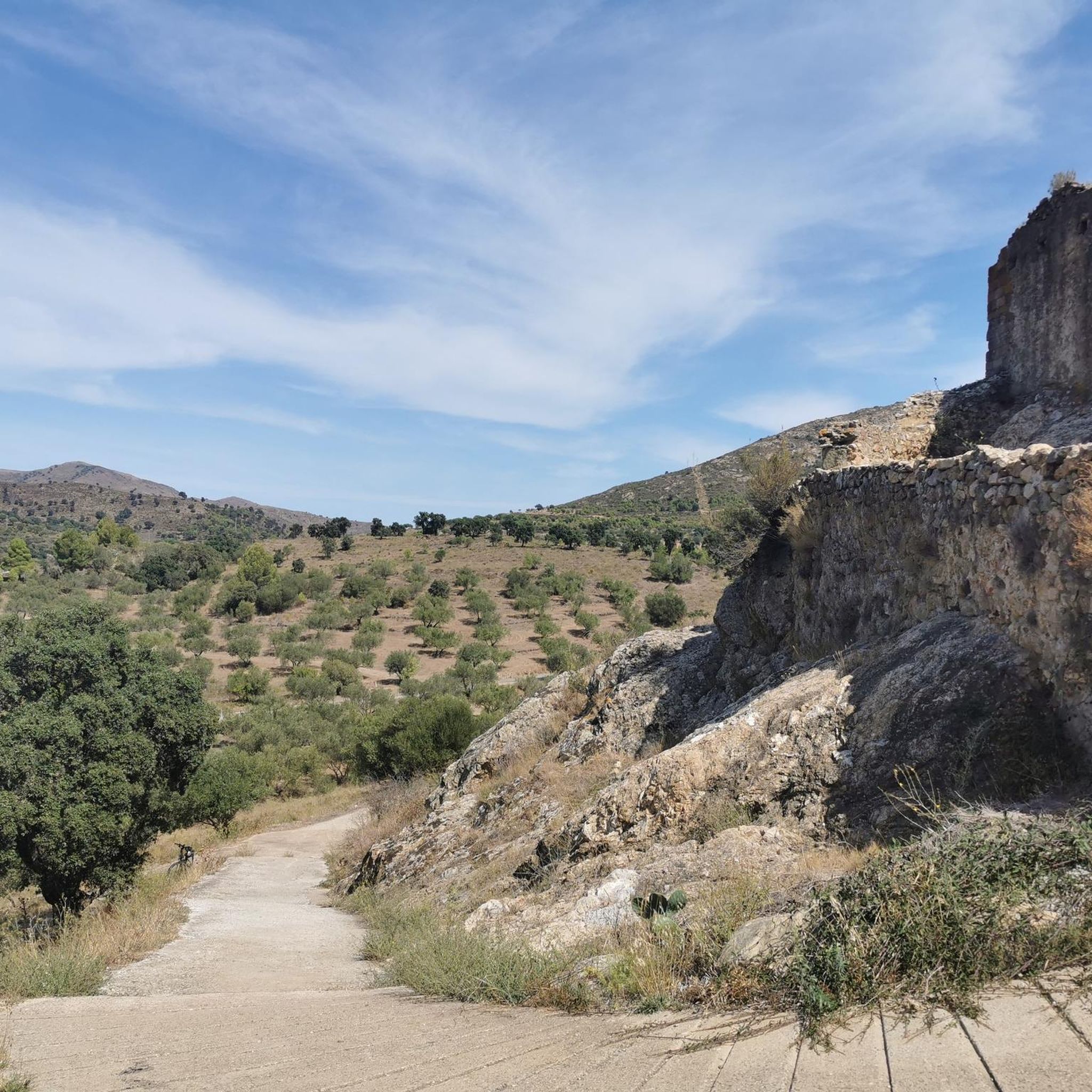
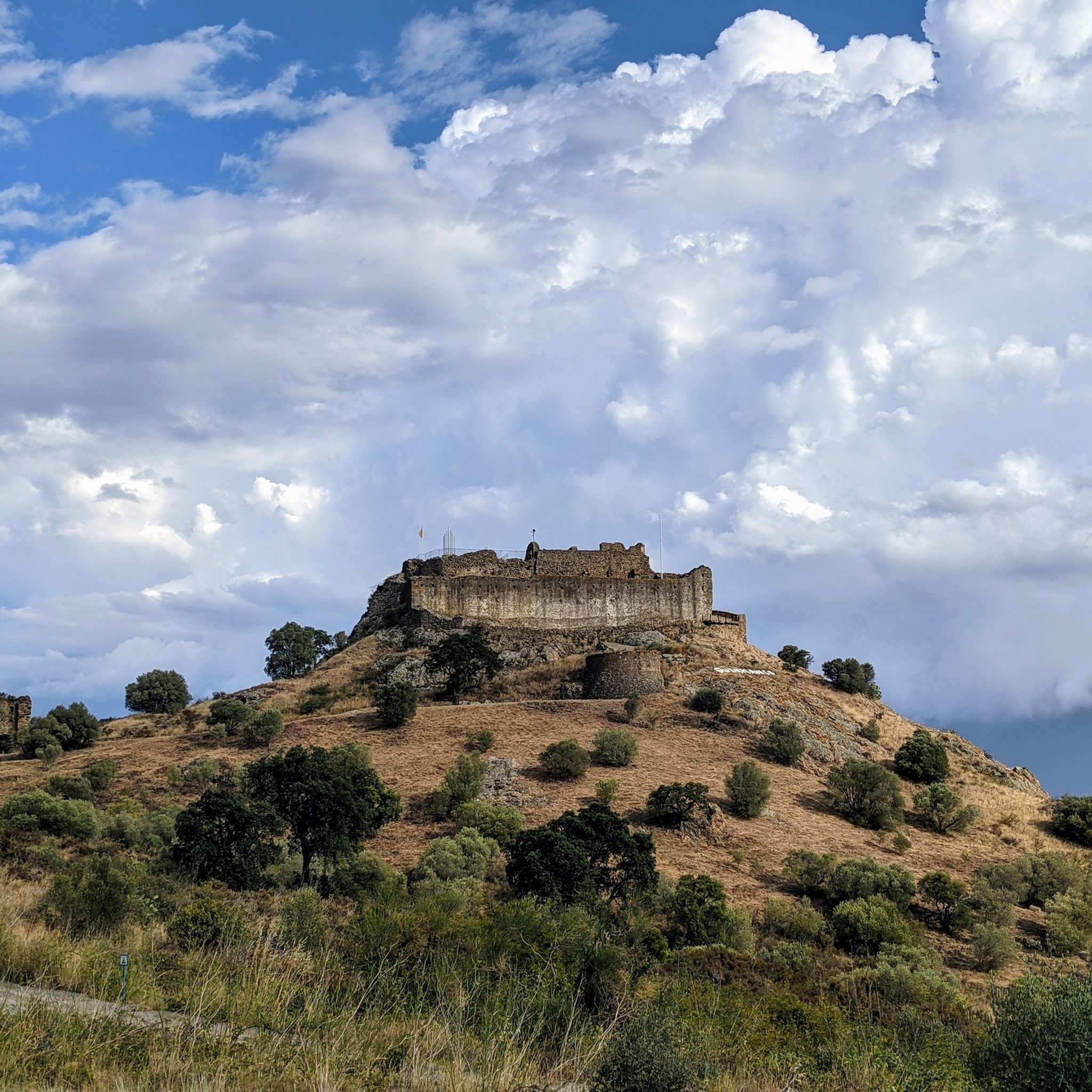
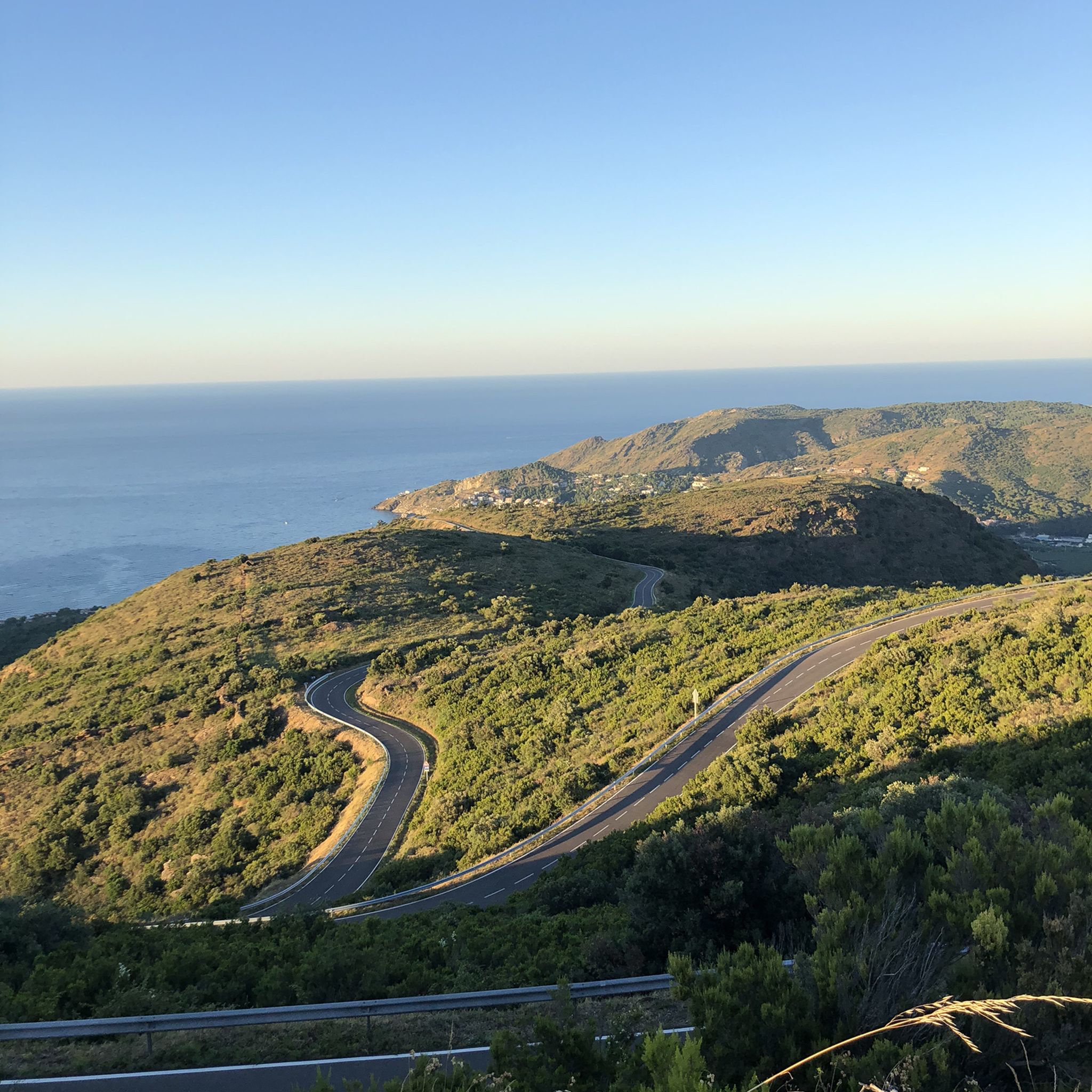

Other adventures around Vilajuïga

Tips from the Community

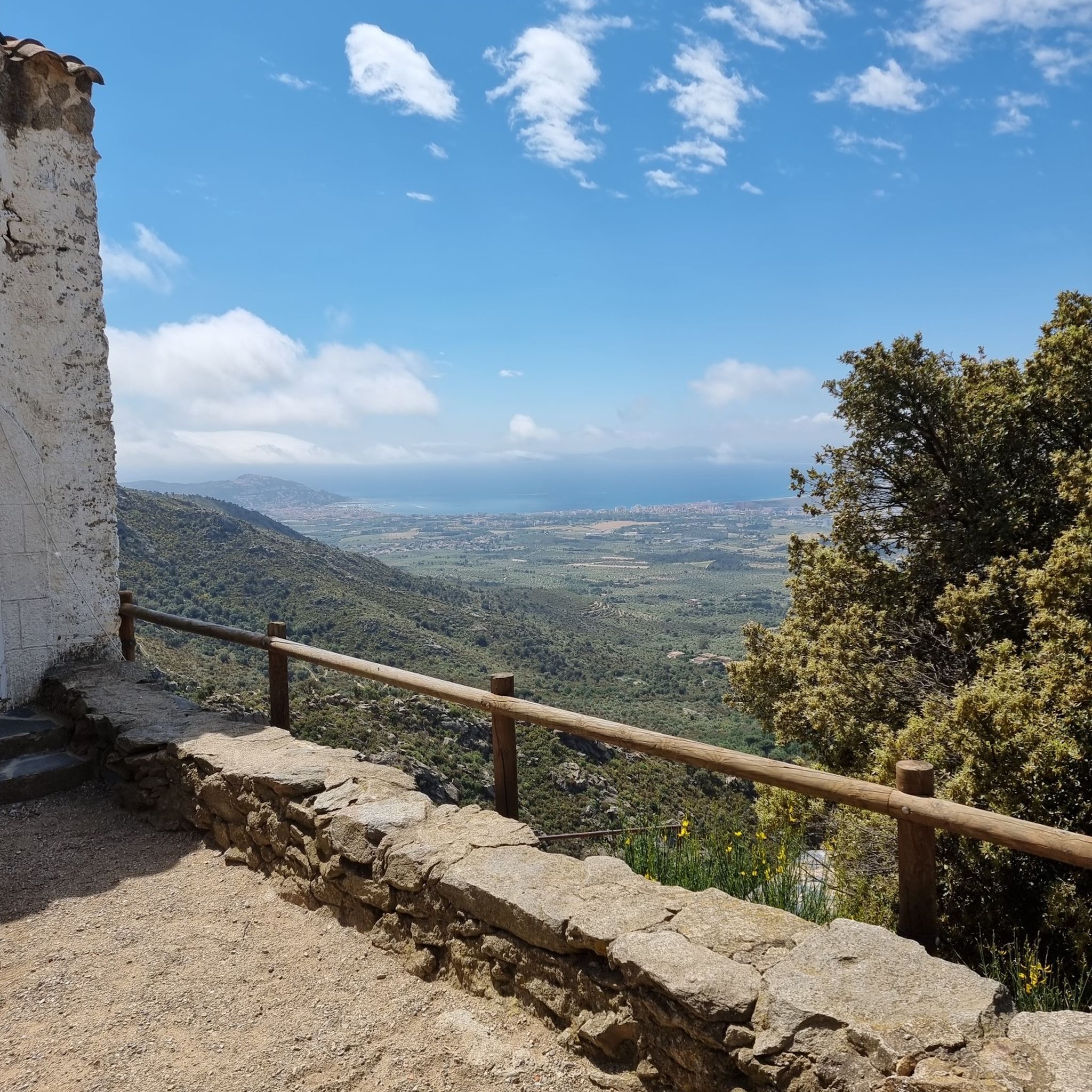
The view from the Benedictine abbey, founded in 878, across the sea, the bays and mountains of Cap de Creus is particularly magnificent.
0
0
Magnificent power tree
0
0

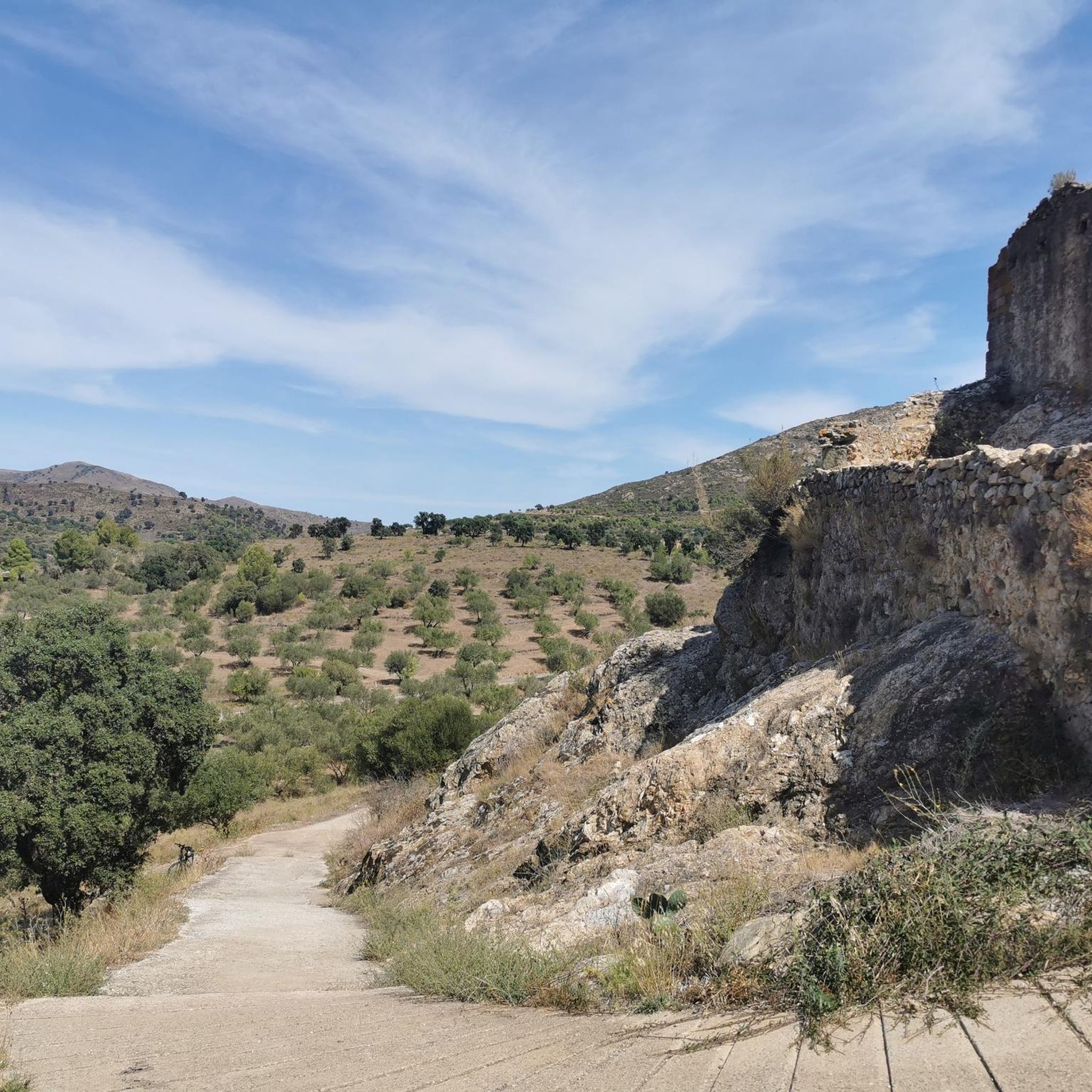
A huge cork oak, surely centuries old... Perfect for a stop and a few photos to remember, while you contemplate its grandeur...
0
0

Fantastic old Monestir. It’s hard to imagine it’s thát old. Somehow it made me think of the James Bond movie Skyfall. Definitely worth a visit. Last part of the road is unpaved. For that part the Gravelbike or an MTB is the best choice
1
0

The monastery of Sant Quirze de Colera is a Benedictine abbey documented since the 9th century, in the Catalan municipality of Rabós in the Alto Ampurdán region (Girona, Spain).
2
0

A route to get started on and above all to look at the weather forecast, if it's windy you won't enjoy it.
2
0

Beautiful views of the Bay of Roses. Moderate path.
0
0

From the nearby car park you can start a short walk to the remains of Santa Creu de Rodes (Iglesia de Santa Helena) - or hike longer tours on the Way of St. James
1
0
Frequently Asked Questions
What kind of terrain can I expect on mountaineering routes around Vilajuïga?
The terrain around Vilajuïga is characterized by rugged landscapes, significant elevation changes, and unique geological features. You'll encounter challenging granite rock formations, especially in areas bordering the Cap de Creus Natural Park and the Serra de Rodes mountain range. Routes often feature steep ascents and descents, requiring good fitness and sure-footedness.
Are there routes suitable for beginners or those looking for an easier mountaineering experience?
While many routes are challenging, there are options for varying ability levels. For a moderate experience, consider the Cova de Veta Negra – Sant Salvador Castle loop from Monestir de Sant Pere de Rodes, which offers a manageable elevation gain over 6.6 km. Another moderate option is the Sant Pere de Rodes Monastery loop from Monestir de Sant Pere de Rodes, a shorter 3.8 km trail through the Serra de Rodes.
What are some challenging mountaineering routes for experienced hikers?
For those seeking a more demanding experience, the Cova de Veta Negra – Sant Salvador Castle loop from Palau-saverdera is a difficult 6.7 km trail with significant elevation gain. Another challenging option is the Puig de l'Àliga – Puig de la Sardina loop from Roses, a difficult 9.2 km path known for its panoramic views and strenuous ascents.
Are there any circular mountaineering routes in the area?
Yes, many of the mountaineering routes around Vilajuïga are designed as loops, allowing you to start and end at the same point. Examples include the Cova de Veta Negra – Sant Salvador Castle loop from Palau-saverdera, the Puig de l'Àliga – Puig de la Sardina loop from Roses, and the Puig de les Guilles – Puig Bonic loop from Monestir de Sant Quirze de Colera.
What natural features or landmarks can I see along the mountaineering routes?
The region is rich in natural beauty and historical sites. Many routes offer stunning views of the Mediterranean, the Gulf of Roses, and Cap de Creus. You might encounter unique rock formations sculpted by erosion, especially within the Cap de Creus Natural Park. The Serra de Rodes also features ancient rock carvings. Notable points of interest include the historic Sant Pere de Rodes Monastery and various summits like Eagle Peak.
Is Vilajuïga a good destination for rock climbing or bouldering?
Absolutely. The granite rock formations around Vilajuïga are particularly well-suited for bouldering and rock climbing. The area offers over 100 bouldering problems with diverse routes, ranging in difficulty from 5a to 8a (Fontainebleau grades), featuring dihedrals, overhangs, steep walls, and slabs.
What is the best time of year for mountaineering in Vilajuïga?
The climate in Vilajuïga is generally pleasant, making it suitable for outdoor activities for much of the year. Spring and autumn typically offer the most comfortable temperatures for mountaineering, avoiding the peak heat of summer and potential cooler, windier conditions in winter. However, the unique features of the climbing areas are favored for their pleasant climate year-round.
Are there any permits required for mountaineering in the Cap de Creus Natural Park area?
Generally, no specific permits are required for hiking on established trails within the Cap de Creus Natural Park. However, it's always advisable to respect park regulations, stay on marked paths, and be aware of any seasonal restrictions, especially concerning fire prevention or protected areas.
What do other mountaineers enjoy most about the routes in Vilajuïga?
The mountaineering routes around Vilajuïga are highly rated by the komoot community, with an average score of 5.0 stars. Reviewers often praise the diverse and rugged terrain, the breathtaking panoramic views of the coast and mountains, and the challenging ascents that provide a rewarding outdoor experience.
Are the mountaineering trails around Vilajuïga accessible by public transport?
While Vilajuïga itself has some public transport connections, direct access to all trailheads by public transport can be limited. Many routes, especially those starting from smaller villages or more remote areas, may require private vehicle access or a short taxi ride from the nearest public transport hub. It's recommended to check local bus schedules if planning to rely on public transport.
Are there family-friendly mountaineering options in Vilajuïga?
While many routes are considered difficult or moderate, some shorter, less strenuous paths might be suitable for families with older children or those accustomed to hiking. The Sant Pere de Rodes Monastery loop from Monestir de Sant Pere de Rodes, at 3.8 km, could be a good option for families seeking a moderate walk with historical interest.
Can I bring my dog on the mountaineering routes?
Many natural parks and trails in Catalonia, including parts of Cap de Creus, are generally dog-friendly, provided dogs are kept on a leash and owners clean up after them. However, specific regulations can vary, especially in protected areas or during certain seasons. It's always best to check local signage or park guidelines for the specific route you plan to undertake to ensure it's permissible for dogs.
Most popular routes around Vilajuïga
Most popular attractions around Vilajuïga

Get inspired with the komoot mobile app


Explore more
Browse the best Mountain Hikes & Routes in other regions.
