Attractions and Places To See around El Toboso - Top 20
Best attractions and places to see around El Toboso include sites connected to Miguel de Cervantes' *Don Quixote*, as the town is famously known as the literary home of Dulcinea. This charming town in Toledo, Castilla-La Mancha, features traditional architecture with whitewashed walls and wooden corridors. Visitors can explore a blend of cultural, historical, and natural points of interest. The region offers a unique experience rooted in its literary heritage and authentic La Mancha atmosphere.
Best attractions and places to…
Last updated: August 12, 2026
Campo de Criptana Windmills
Highlight • Monument
Translated by Google •
Tip by

Sierra de los Molinos Windmills
Highlight • Monument
In 1575, the Topographical Reports of Philip II already mentioned “many mills” in the area; …
Translated by Google •
Tip by
Sign up now to discover places like this
Get recommendations on the best single tracks, peaks, & plenty of other exciting outdoor places.
Sign up for free
Ruins of the Hermitage of Santa Ana
Highlight • Religious Site
Translated by Google •
Tip by

Hermitage of Cristo de Villajos
Highlight • Religious Site
It originated from the old village of …
Translated by Google •
Tip by
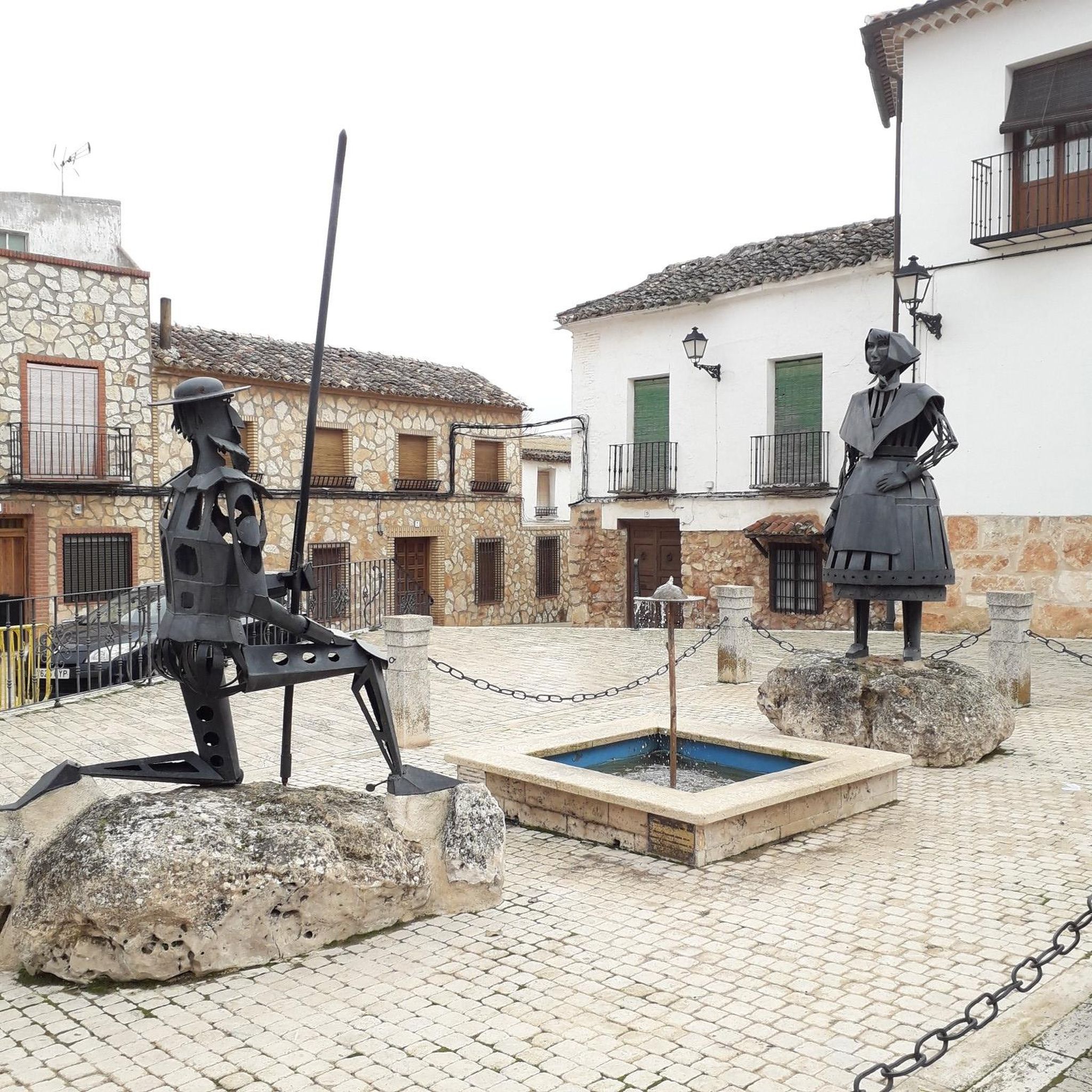
Statue of Quixote and Dulcinea
Highlight • Monument
Translated by Google •
Tip by
Sign up for free to discover even more attractions around El Toboso.
Sign up for free
Already have an account?
Start today with a free account
Your next adventure awaits.
Login or Signup
Popular around El Toboso




Tips from the Community

The ruins of the Ermita de Santa Ana in El Toboso (Toledo) are the remains of a 16th-century Renaissance temple. It is located outside the village, on a deserted hill.
2
0

Hill of the Mills (also known as Sierra de los Molinos) in Campo de Criptana. In 1575, the Topographical Reports of Philip II already mentioned “many mills” in the area; in 1752, the Cadastre of the Marquis of Ensenada recorded 34 mills in Campo de Criptana. Currently, 10 mills are preserved, three of them (Infante, Burleta, and Sardinero) dating from the 16th century with their original machinery. The complex has been declared a Site of Cultural Interest and designated a “Historic Site.”
6
0
The Hermitage or Sanctuary of the Holy Christ of Villajos is one of the most emblematic places in Campo de Criptana (Ciudad Real). It originated from the old village of Villajos, which was abandoned in the 14th century. The original church was dedicated to Our Lady of Villajos.
8
0

Return to the town of Campo de Criptana
0
0
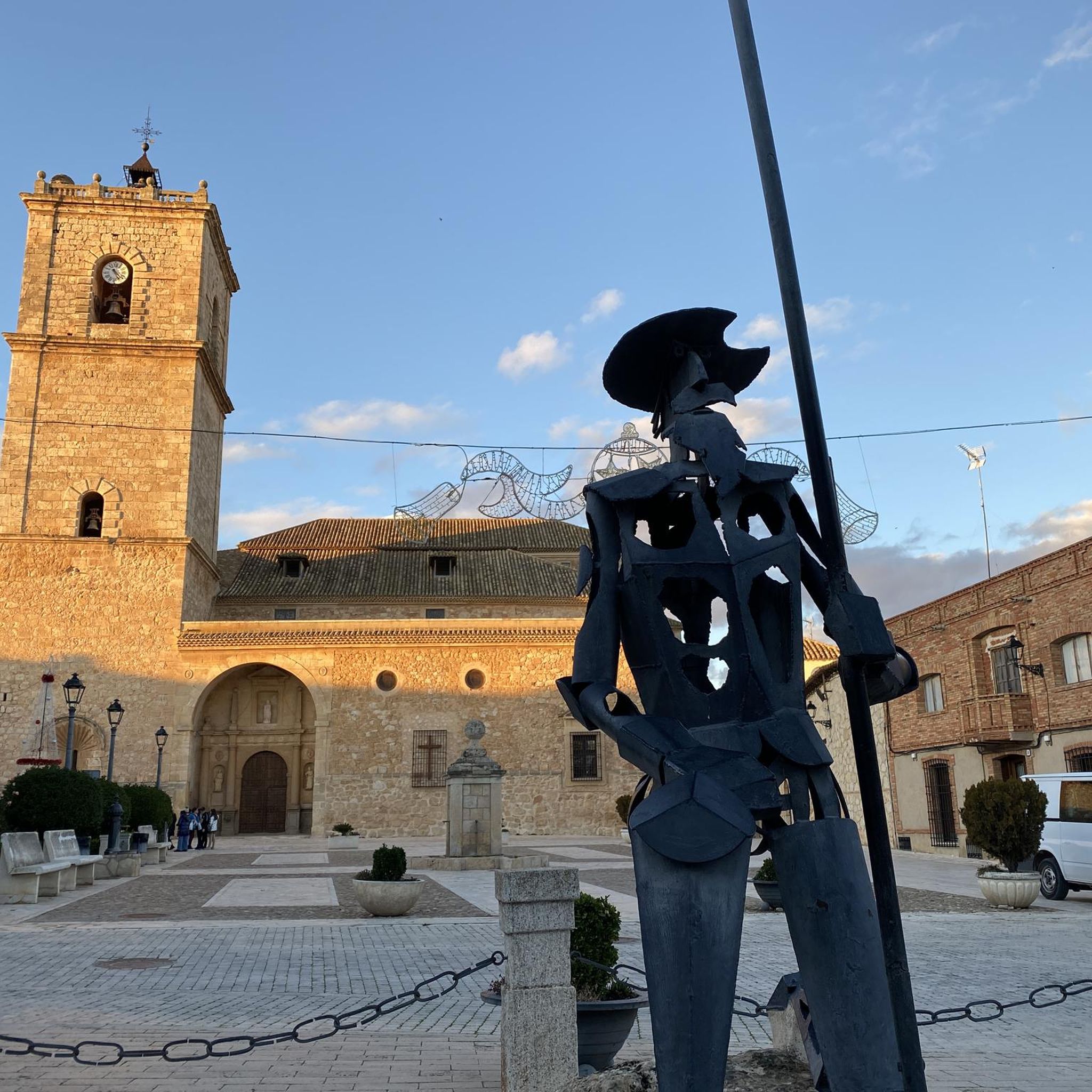
The statue of Don Quixote and Dulcinea in El Toboso is one of the town's most emblematic monuments, deeply linked to the Cervantes universe. It stands in the main square of El Toboso, dedicated to Juan Carlos I, in the heart of the town. The sculptures are made of sheet iron, not cast iron, giving them a handcrafted and robust appearance.
4
0
The Sierra de los Molinos is the place where the famous windmills are built. It is the top of a hill where the open space ensures the wind that would move its blades in its time. Of the more than thirty windmills that once existed, ten of them are preserved, called: Sardinero located on the Cerro de la Paz and Burleta, Infanto, Cariari, Culebro, Inca Garcilaso, Lagarto, Pilón, Poyatos and Quimera located in the Sierra de los Molinos. Their existence inspired Cervantes to narrate "The Battle of Don Quixote against the Giants", in chapter VIII of "The Ingenious Gentleman Don Quixote of La Mancha", where Don Quixote mistook the windmills for giants against whom to fight.
1
0
These iconic mills are symbols of Campo de Criptana and all of Castilla-La Mancha. Its blades preside over the life of the town of La Mancha from above. The mills are of the “tower” type, built in masonry and whitewashed with lime. They have a circular plan pierced with small windows, which served as a guide for the orientation of the wind. This indicated where to turn the conical cover so that its blades could take advantage of the wind as desired. Each mill has three floors: the upper one with the grinding stones and the lower ones for storage and packaging. The oldest mills, such as the Sardinero, Burleta and Infante, have been standing since the 16th century and preserve their original mechanism. There are also more modern mills, such as the Inca Garcilaso, the Cariari, the Vicente Huidobro, the Pilón, the Lagarto, the Culebro and the Poyatos, which date back to 1900. Currently, some of these mills can be visited, such as the Molino Infante, the Burleta, the Culebro (which houses the Sara Montiel Museum), the Quimera (which houses the town's Holy Week Museum) and the Poyatos Mill (current tourist information point). The others are closed to the public. I hope you enjoy exploring these iconic windmills! 😊
8
0

Also beautiful to look at at dusk
2
0
Frequently Asked Questions
What historical sites related to Don Quixote can I visit in El Toboso?
El Toboso is rich in literary history. You can explore the Casa-Museo de Dulcinea, a meticulously recreated 16th-century Manchegan farmhouse believed to have inspired Cervantes. The Iglesia de San Antonio Abad, also known as 'the Cathedral of La Mancha,' is referenced in *Don Quixote*. Don't miss the Sierra de los Molinos Windmills, which famously inspired Don Quixote's battle against giants, and the Windmills of Campo de Criptana, preserving their original 16th-century mechanisms.
Are there any religious buildings or convents worth visiting in El Toboso?
Yes, El Toboso features several significant religious sites. The Iglesia de San Antonio Abad is a grand 15th-century church. You can also visit the Convento de las Trinitarias, a 16th-century Historical-Artistic Monument with a collection of sacred art. The Convento de las Clarisas, with origins from 1515, is known for its artisanal sweets. Nearby, you can find the Hermitage of Cristo de Villajos and the Hermitage of the Virgin of Criptana, which offers magnificent 360° views.
Where can I learn more about the literary heritage of El Toboso?
To delve deeper into El Toboso's literary connections, visit the Casa-Museo de Dulcinea to experience 16th-century rural life. The Museo Cervantino houses a valuable collection of *Don Quixote* editions from around the world. For a unique perspective, the Museo de Humor Gráfico Dulcinea showcases humorous illustrations dedicated to Dulcinea.
What natural features or scenic viewpoints can I explore around El Toboso?
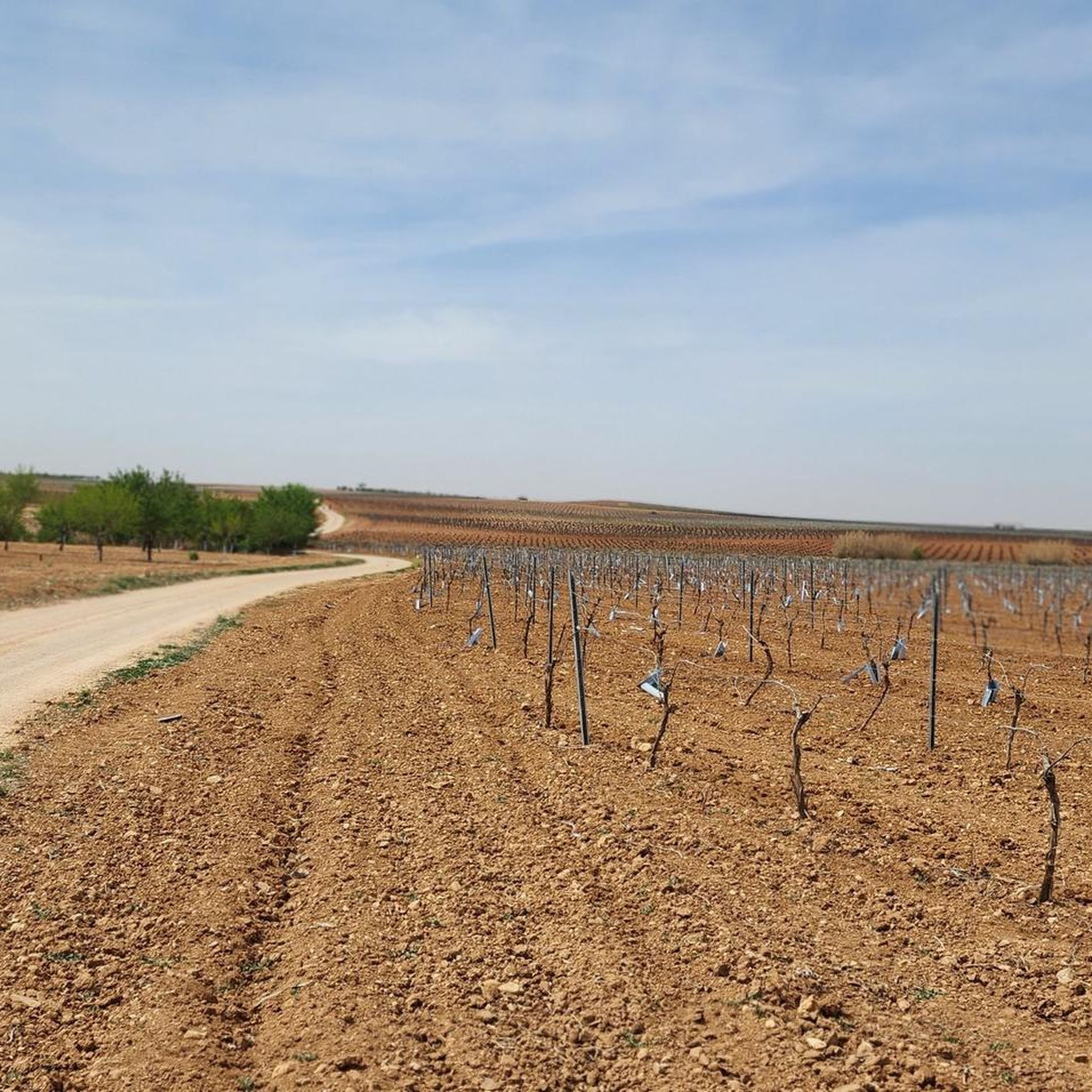
El Toboso offers several natural and scenic spots. You can discover the historic Wells of El Toboso scattered throughout the town. The region is also known for its vineyards and wineries, forming part of the La Mancha Wine Route. For panoramic views, head to the Windmills of Campo de Criptana or the Sierra de los Molinos Windmills. The Hermitage of the Virgin of Criptana also provides unbeatable 360° views, especially at sunset.
Are there family-friendly attractions or activities in El Toboso?
Many attractions around El Toboso are suitable for families. Exploring the Casa-Museo de Dulcinea offers an engaging glimpse into history. The iconic Windmills of Campo de Criptana and Sierra de los Molinos Windmills are popular and categorized as family-friendly. The Hermitage of Cristo de Villajos and the Hermitage of the Virgin of Criptana are also great for family visits, offering historical interest and scenic views.
What outdoor activities, like hiking or cycling, can I do near El Toboso?
The area around El Toboso is excellent for outdoor enthusiasts. You can find various routes for hiking, cycling, and mountain biking. For hiking, consider the 'Mota del Cuervo – circular by the mills of La Sierra' or the 'El Toboso and Miguel Esteban Lagoons Loop'. Cyclists can enjoy routes like 'El Toboso — circular from Campo de Criptana' or 'Mota del Cuervo, El Toboso, and Quintanar de la Orden Loop'. Mountain bikers have options such as 'El Toboso Town Center – Views of Ermita de Santa Ana loop from Pedro Muñoz'. You can find more details on these and other routes in the Hiking around El Toboso, Cycling around El Toboso, and MTB Trails around El Toboso guides.
Are there any unique local products or experiences in El Toboso?
Beyond its literary fame, El Toboso offers unique local experiences. The nuns at the Convento de las Clarisas are renowned for making and selling delicious artisanal sweets like 'Pelusas' and 'Caprichos de Dulcinea'. You can also explore the town's long tradition of winemaking by visiting local vineyards and wineries, which are part of the La Mancha Wine Route, for tastings and to learn about the process.
What is the best way to experience the traditional architecture of El Toboso?
The best way to experience El Toboso's traditional architecture is by simply strolling through its streets. The town is characterized by its charming whitewashed walls, wooden corridors, and patios. The main square, Plaza Mayor, and Plaza de la Constitución, home to the emblematic Town Hall, are excellent starting points to immerse yourself in the authentic atmosphere of La Mancha.
What do visitors enjoy most about the attractions around El Toboso?
Visitors particularly enjoy the historical significance and the stunning views. The Windmills of Campo de Criptana are praised for their spectacular views of the entire region. The Hermitage of the Virgin of Criptana is loved for its unbeatable 360° views and magnificent sunsets. The overall charm of El Toboso's literary heritage and traditional atmosphere also leaves a lasting impression on visitors.
Can I visit any ruins or ancient sites near El Toboso?
Yes, you can visit the Ruins of the Hermitage of Santa Ana. This site, built on a rocky promontory, was once a large chapel likely dating back to the 14th or 15th century. While much information is lost, it offers a glimpse into the region's ancient past and provides a sense of positive energy for those who visit.
Most popular attractions around El Toboso

Get inspired with the komoot mobile app


Explore more
Still not found the Highlight you’re looking for? See guides of the top attractions in other regions:
