Attractions and Places To See around La Vilavella - Top 20
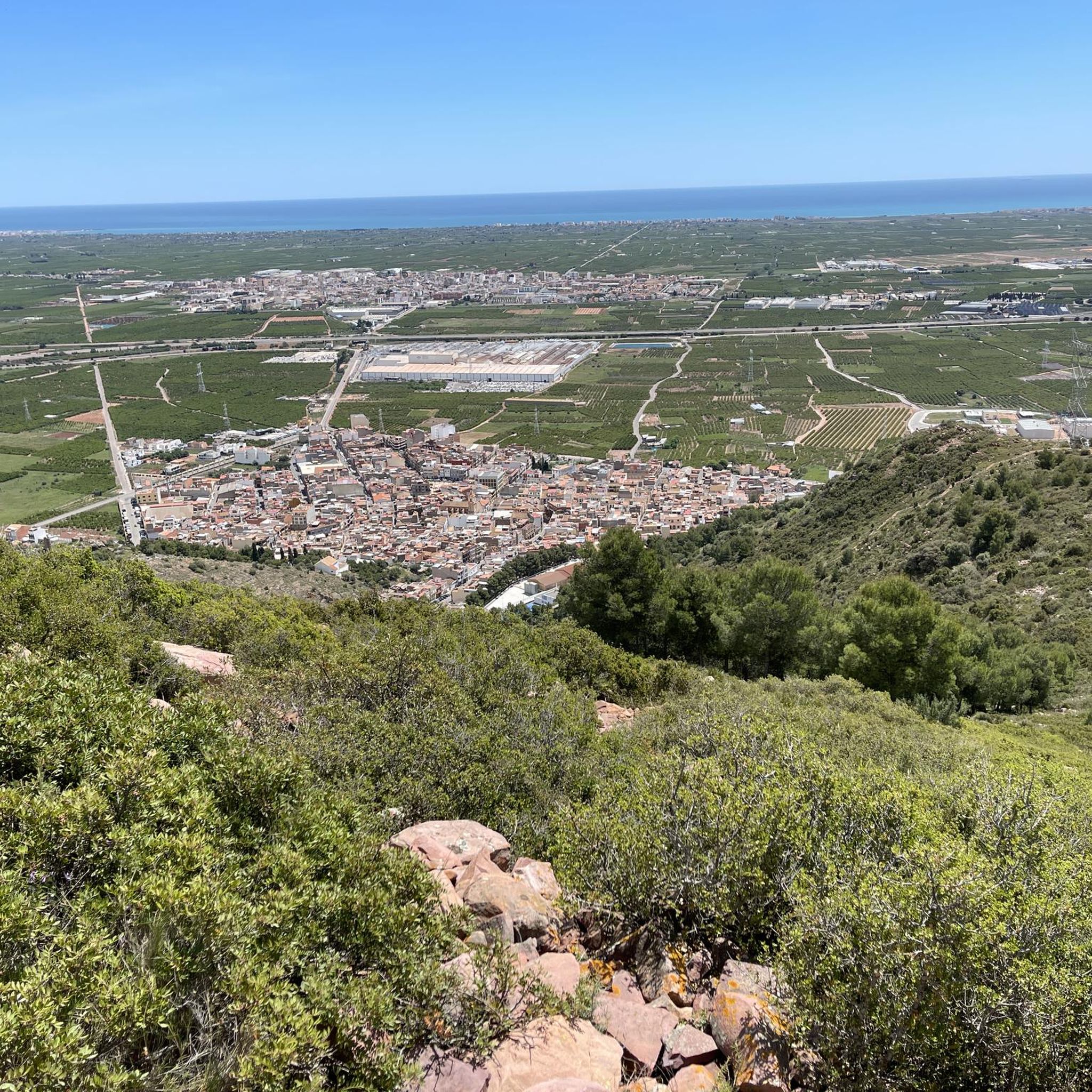
Best attractions and places to see around La Vilavella. This municipality in Castellón, Spain, offers a blend of historical sites and natural landscapes. It serves as a gateway to the Sierra de Espadán Natural Park, characterized by Mediterranean scrubland and ravines. The area features historical landmarks such as ancient castles and thermal springs, reflecting its cultural significance and diverse natural features.
Best attractions and places to see around La Vilavella
- The most popular attractions is Eslida Pass, a mountain pass known for its challenging climb and spectacular views. It is a classic route in the Serra d'Espada, offering diverse landscapes throughout the journey.
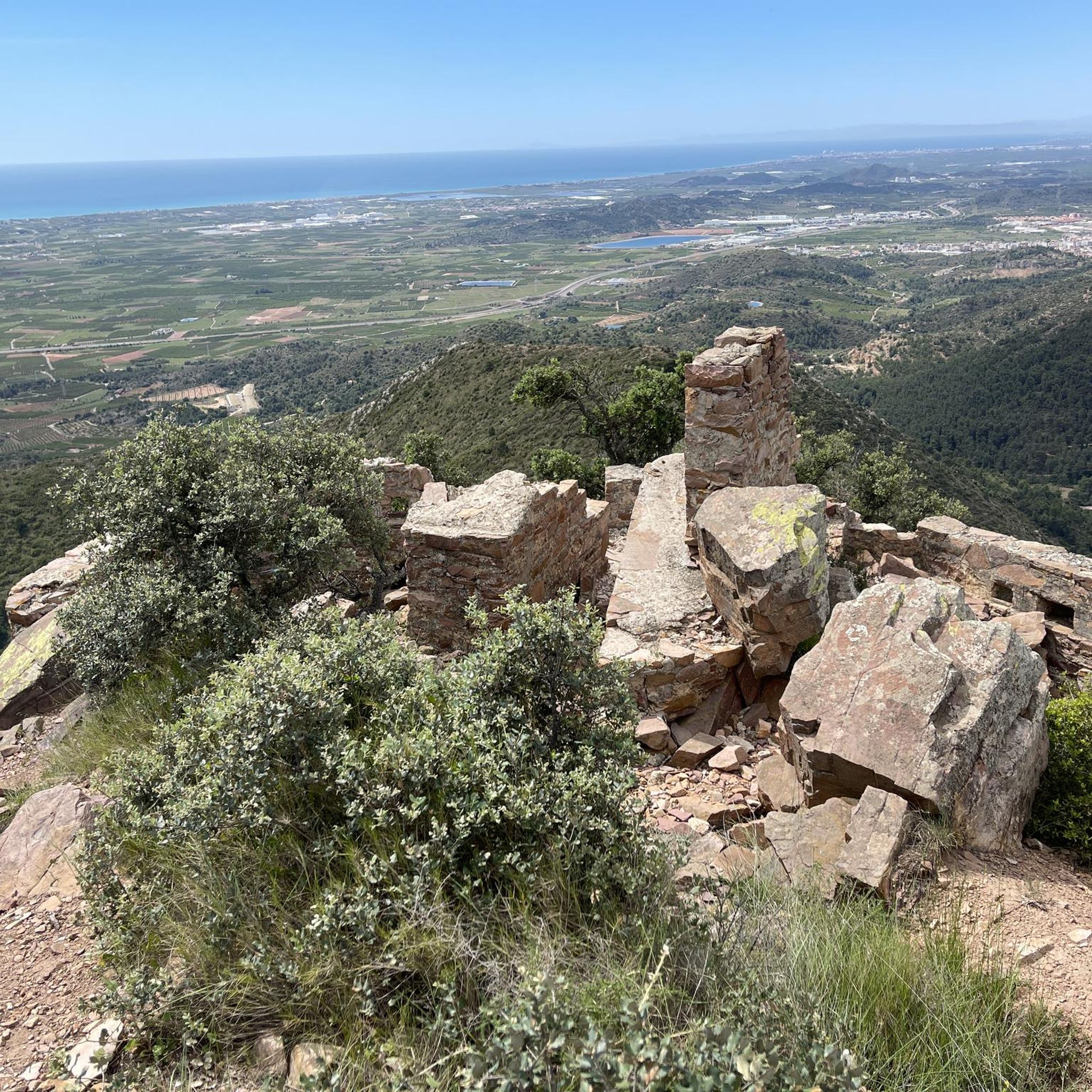
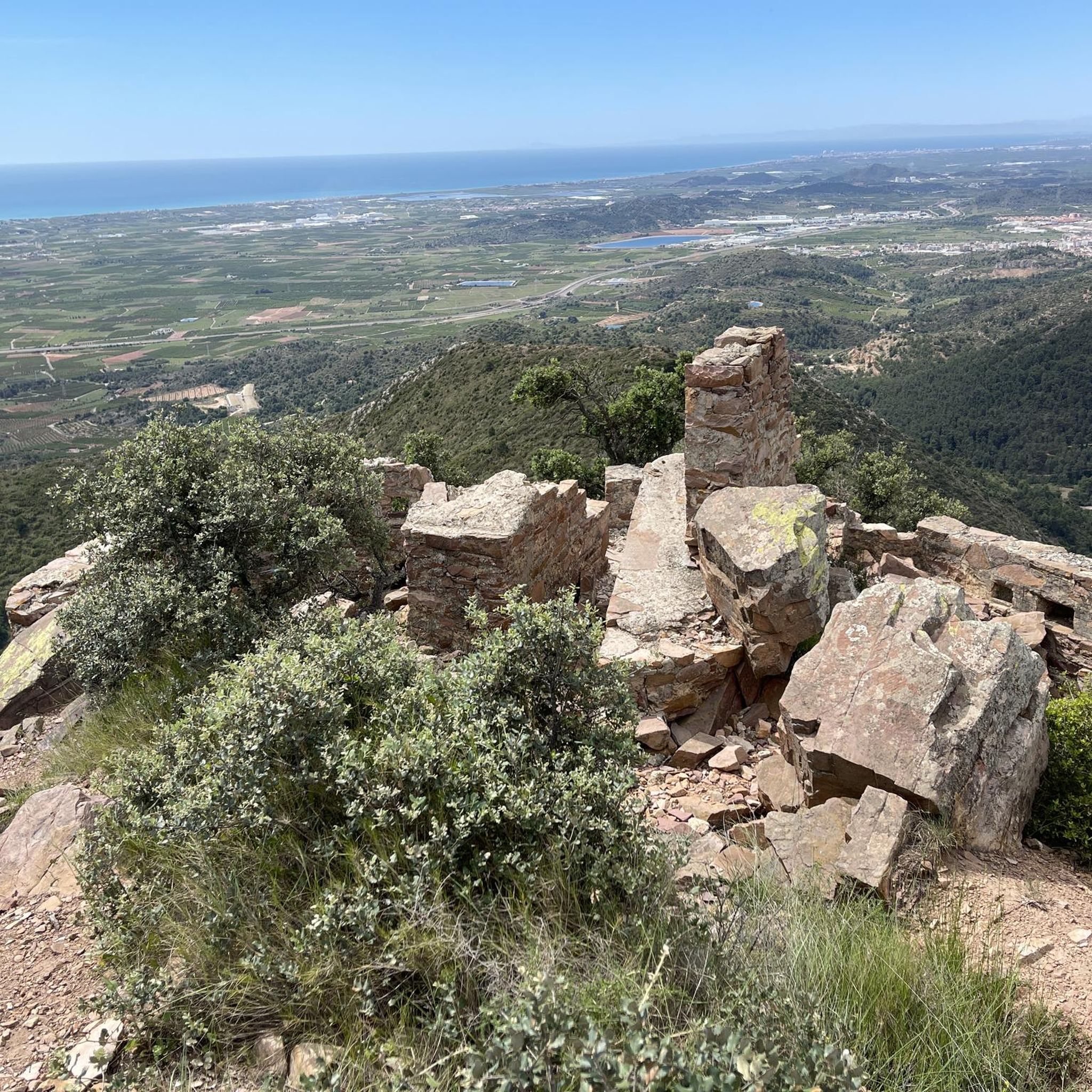
- Another must-see spot is Castro Castle, a castle ruin offering panoramic views of the surrounding mountains. This Arab fortress was a significant historical site, with remnants providing insight into its past as a watchtower.
- Visitors also love Peñas Aragonesas, a natural monument featuring a pyramidal-shaped rock formation. This picturesque geological point in the Sierra de Espadán Natural Park is striking for its red sandstone formations and vertical cuts from erosion.
- La Vilavella is known for its historical castles, natural thermal springs, and diverse natural park landscapes. The region offers a variety of attractions to see and explore, from ancient ruins to geological formations.
- The attractions around La Vilavella are appreciated by the komoot community, with more than 60 upvotes and 20 photos shared by visitors.
Last updated: July 7, 2026
Eslida Pass
Highlight • Mountain Pass
Translated by Google •
Tip by

Eslida Pass
Highlight (Segment) • Mountain Pass
Translated by Google •
Tip by

Sign up now to discover places like this
Get recommendations on the best single tracks, peaks, & plenty of other exciting outdoor places.
Sign up for free
Peñas Aragonesas
Highlight • Natural Monument
Translated by Google •
Tip by

Castro Castle
Highlight • Castle
It was taken by the Duke of Segorbe and General Cavanilles after the Castillo de Aín had also fallen. It was also used in the Carlist Wars.
The castle covers an area of about 2,000 m2, where two parts can be distinguished: the "Albacar", a fortified refuge for
the inhabitants of the towns dependent on the fortress; and on the other side, the castle itself, which presided
surrounded by a large keep that was demolished in 1938 during the Civil War.
The views are impressively beautiful.
Translated by Google •
Tip by

Ajuez Reservoir
Highlight • Lake
Unfortunately, the reservoir is almost dry and things are slowly getting tight for the fish and turtles.
The Chóvar Reservoir, as it is also called, is part of an ancient local irrigation system built to retain the rushing water from the eponymous gorge. The place name is derived from Arabic, the meaning of which means “common pastureland” and indicates the importance of agriculture and livestock breeding in the region. Due to its capacity of 30,000 m³ and the lack of water sources in the nature park, it is of great value for the fauna. It is currently included in the catalog of wetlands of the Valencian Community
Translated by Google •
Tip by
Sign up for free to discover even more attractions around La Vilavella.
Sign up for free
Already have an account?
Start today with a free account
Your next adventure awaits.
Login or Signup
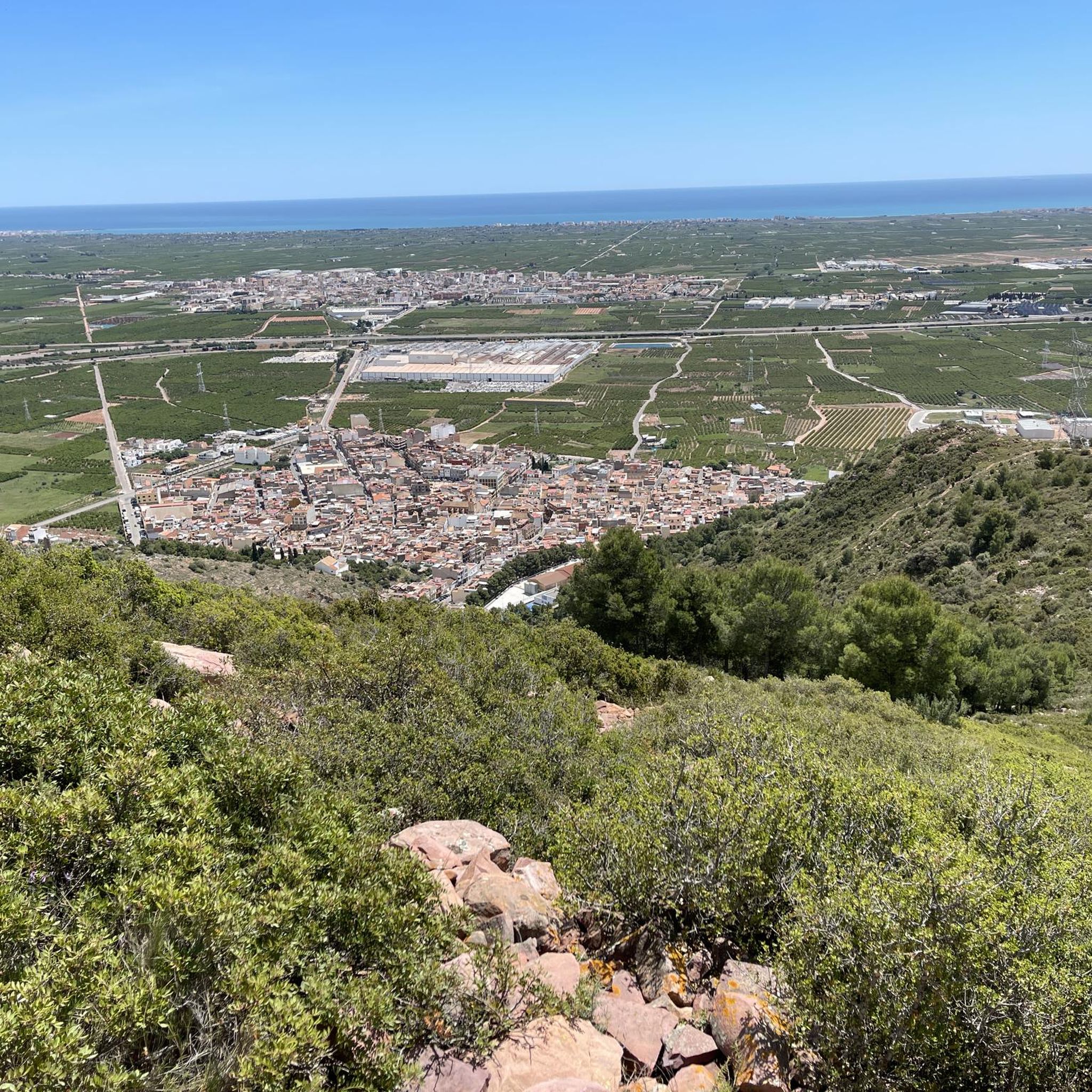
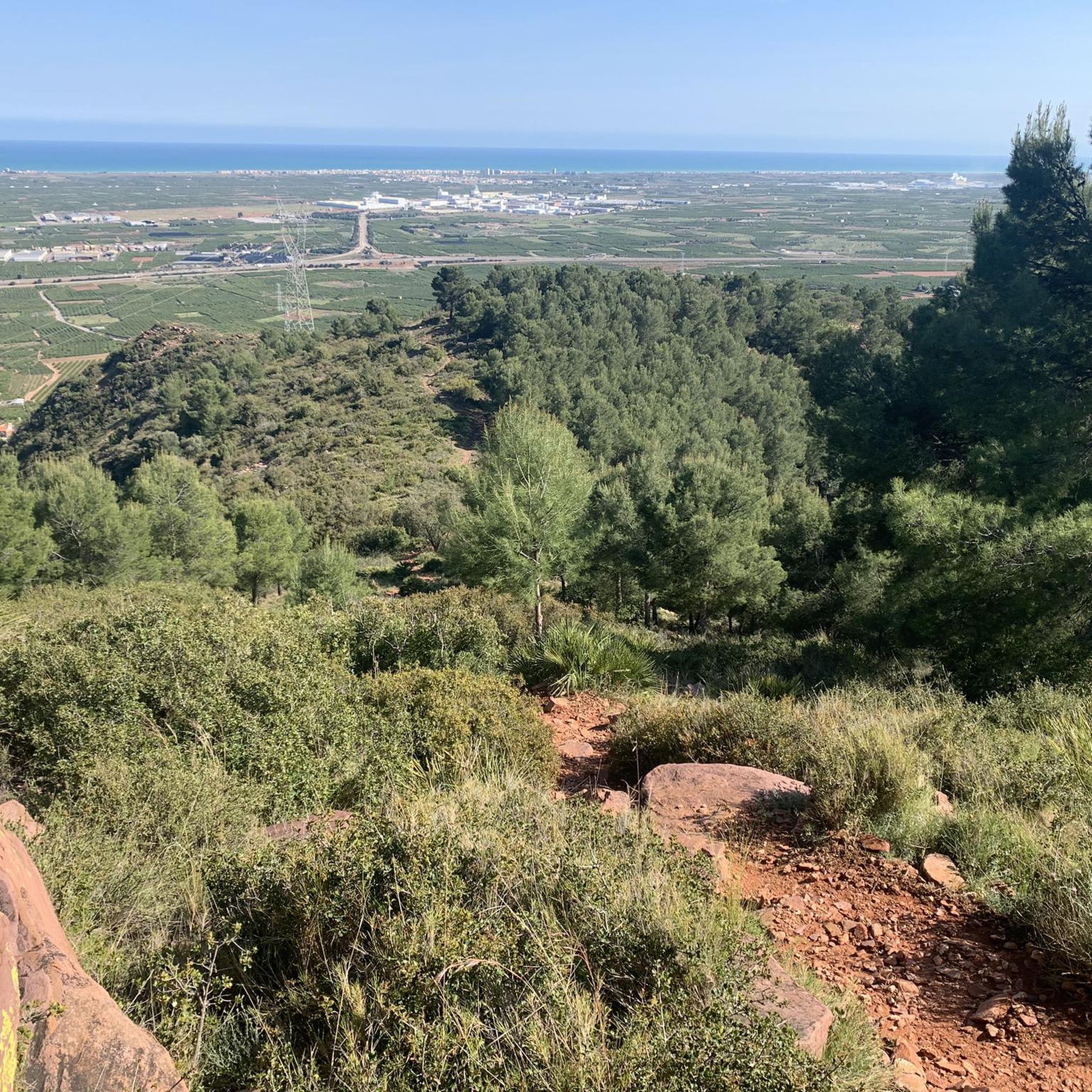
Tips from the Community

It's a tough climb once you've been on the bike for a couple of hours. Especially going down, having lunch and going back up to get home. Very cool and quiet, no cars.
1
0

A very beautiful and easy to drive pass road.
0
0

A beautiful spot between Artana and Onda that is worth visiting. The path is in good condition and runs through beautiful forests with the Peñas Altas in the background.
0
0

On the previous climb, there is a moment where you have to go over a cable with a no entry sign, but that is because there are bee hives, they are quite far from the path.
1
0

It was built in the 12th century by the Muslims who inhabited the region. Its original purpose was to retain the waters of the ravine of the same name and then use them to irrigate the fields downstream. This route is ideal for hiking lovers and offers a variety of landscapes and experiences. I hope you enjoy exploring the Ajuez Reservoir and its surroundings! 🌿🏞️
4
0

Ernbalse de Ajuez Unfortunately, the reservoir is almost dry and things are slowly getting tight for the fish and turtles. The Chóvar Reservoir, as it is also called, is part of an ancient local irrigation system built to retain the rushing water from the eponymous gorge. The place name is derived from Arabic, the meaning of which means “common pastureland” and indicates the importance of agriculture and livestock breeding in the region. Due to its capacity of 30,000 m³ and the lack of water sources in the nature park, it is of great value for the fauna. It is currently included in the catalog of wetlands of the Valencian Community
8
0

After the Reconquista, many castles in the region were modified or rebuilt to adapt to Christian styles and needs.
7
0
The Castro Castle, an Arab fortress with an impressive watchtower at a height of about 780 m, was a fundamental bastion of the Moorish resistance at the time of their expulsion. It was taken by the Duke of Segorbe and General Cavanilles after the Castillo de Aín had also fallen. It was also used in the Carlist Wars. The castle covers an area of about 2,000 m2, where two parts can be distinguished: the "Albacar", a fortified refuge for the inhabitants of the towns dependent on the fortress; and on the other side, the castle itself, which presided surrounded by a large keep that was demolished in 1938 during the Civil War. The views are impressively beautiful.
9
0
Frequently Asked Questions
What historical sites can I explore in La Vilavella?
La Vilavella boasts a rich history. You can visit the ruins of the 10th-century La Vilavella Castle, which offers panoramic views and preserves an Arab cistern. Another significant historical site is Castro Castle, an Arab fortress with impressive watchtower remnants. Don't miss the Parish Church of the Sagrada Familia, built in Corinthian style, or the Ermita de San Sebastián.
Are there any natural thermal springs in La Vilavella?
Yes, La Vilavella is known for its natural thermal springs. The most prominent is the Fuente Calda, located within La Glorieta Garden. Its waters maintain a constant temperature of 27°C and were historically known for their medicinal properties. The garden also features a public washhouse still fed by this spring.
What natural features or viewpoints are worth visiting near La Vilavella?
The region offers several stunning natural features and viewpoints. You can visit Peñas Aragonesas, a natural monument with striking pyramidal-shaped red sandstone formations in the Sierra de Espadán Natural Park. The ruins of Castro Castle also provide incredible panoramic views of the surrounding mountains. Additionally, the Via Crucis to the Hermitage offers excellent views of the vast orange groves in the Plana Baixa region.
What museums can I visit in La Vilavella?
La Vilavella offers two interesting museums. The La Vilavella Museum, housed in the former Cervelló spa chapel, covers geology, paleontology, and archaeology, including artifacts from the Bronze Age and a unique Arab manuscript. The Museu dels Espardenyers (Espadrille Makers' Museum) in the old town showcases the traditional craft of making esparto espadrilles.
Are there family-friendly attractions around La Vilavella?
Yes, the area has options for families. The Ajuez Reservoir, also known as the Balsa de Chovar, is a very quiet place surrounded by nature, ideal for a family escape. The Coves de Sant Josep (Caves of San José) nearby offer boat tours on Europe's longest navigable underground river, which can be a fascinating experience for all ages.
What outdoor activities, like running, can I do near La Vilavella?
For running enthusiasts, there are several trails around La Vilavella. You can find routes like the 'La Vilavella Town Center – Coll de L'Ereta loop' or the 'Pic de la Font de Cabres loop'. These trails vary in difficulty, with many offering challenging terrain. For more details and specific routes, explore the Running Trails around La Vilavella guide.
Are there cycling routes available near La Vilavella?
Absolutely. Cyclists can enjoy a variety of routes, from easy coastal loops like the 'Burriana and Marjal de Nules Coastal Loop' to more challenging rides such as the 'Mascarell Walled Town – Viewpoint of les Penyes Altes loop'. The Cycling around La Vilavella guide provides detailed information on these and other routes.
What kind of mountain biking (MTB) trails are there around La Vilavella?
Mountain biking around La Vilavella offers diverse and often challenging trails. You can find routes like the 'Mascarell Town Walls – Betxí Pass loop' or the 'View of the Espadà Valley – Hermitage of Saint Christina loop'. These trails often feature significant distances and elevation changes. Discover more options in the MTB Trails around La Vilavella guide.
What is the Sierra de Espadán Natural Park, and how can I access it from La Vilavella?
La Vilavella is considered a gateway to the Sierra de Espadán Natural Park, a protected area known for its diverse landscapes, Mediterranean scrubland, ravines, and siliceous mountains. It's an excellent spot for birdwatching, with over 100 species. For nature enthusiasts, the GR-36 Route starts from La Vilavella and leads into the park towards Eslida, offering beautiful hiking opportunities.
What do visitors enjoy most about the attractions around La Vilavella?
Visitors frequently praise the spectacular views and diverse landscapes. For instance, Eslida Pass is loved for its challenging climb and breathtaking scenery. The ruins of Castro Castle are highlighted for their incredible panoramic mountain views, while Peñas Aragonesas is admired for its striking red sandstone formations. The tranquility and natural environment of places like the Ajuez Reservoir are also highly appreciated.
Are there any unique cultural or religious sites to visit?
Beyond the main church and hermitage, you can find the Nuestra Señora de Lourdes Grotto, a reproduction of the famous grotto in Lourdes, France, located near the Ermita de San Sebastián. The Old Town (Barrio Antiguo) itself is a cultural site, where you can stroll through picturesque streets and admire the urban layout and facades.
Can I experience the region's mining history?
Yes, you can explore the region's mining past at the Espai Miner María Fernanda. This open-air museum is located in an old mine and provides insights into the local mining history, offering a unique perspective on the area's industrial heritage.
Most popular routes around La Vilavella
Most popular attractions around La Vilavella

Get inspired with the komoot mobile app


Explore more
Still not found the Highlight you’re looking for? See guides of the top attractions in other regions:
