The best road cycling routes around Bembibre
4.6
(8)
1,101
riders
33
rides
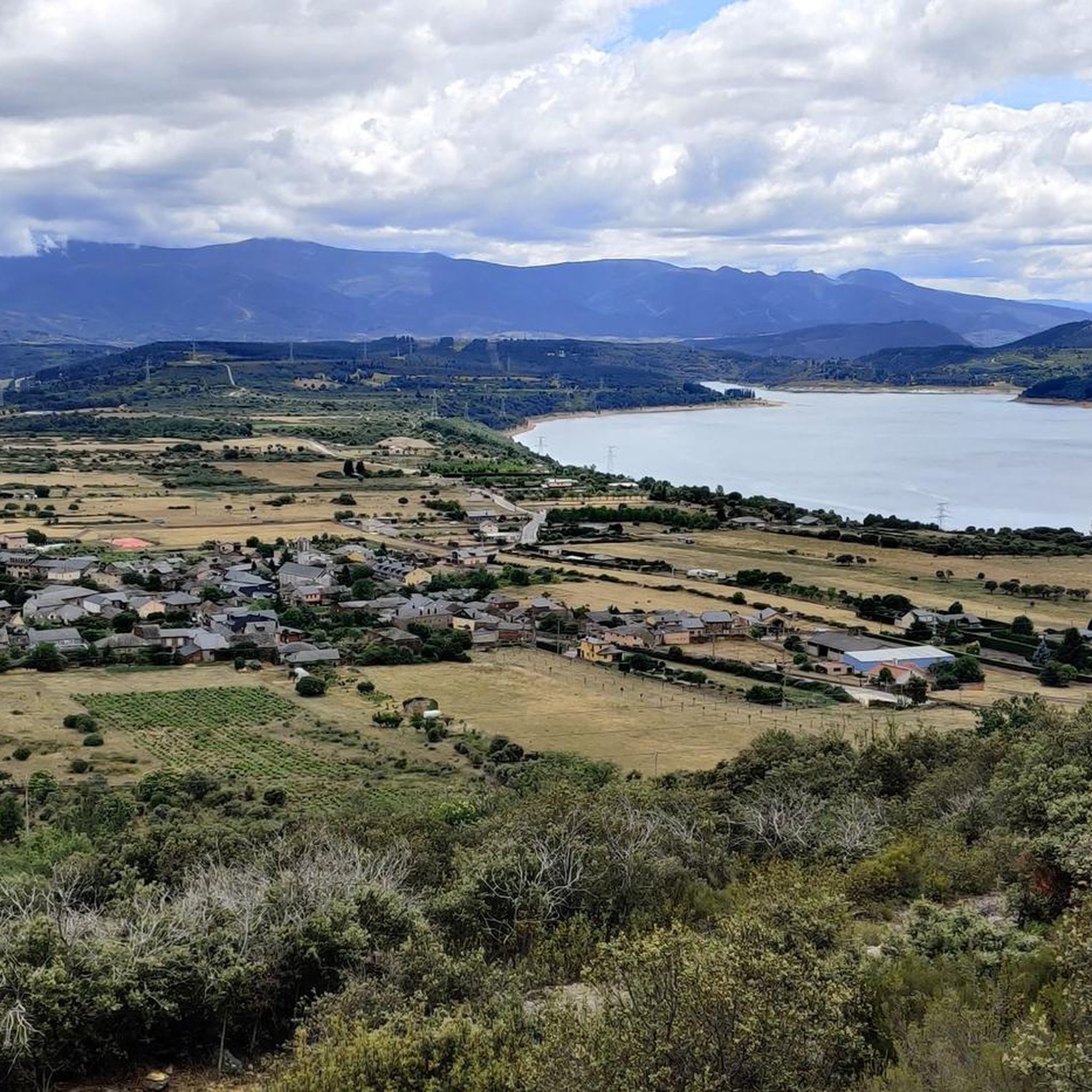
Road cycling routes around Bembibre traverse the fertile Bercian valley, offering diverse landscapes for cyclists. The region is characterized by a mix of open valleys and lush forests, with the Bouza River influencing some routes. This varied terrain provides options for different cycling preferences, from routes winding through wooded areas to those crossing scenic agricultural lands.
Best road cycling routes around Bembibre
- The most popular road cycling route is Astorga from Bembibre – circular via Molinaseca and Palacio de Gaudí…
Last updated: June 30, 2026
68
riders
113km
05:36
1,810m
1,810m
Hard road ride. Very good fitness required. Mostly well-paved surfaces and easy to ride.
80
riders
64.4km
03:02
760m
760m
Moderate road ride. Good fitness required. Some segments of this route may be unpaved and difficult to ride.

Sign up for free
5.0
(1)
15
riders
28.3km
01:20
330m
330m
Moderate road ride. Good fitness required. Mostly well-paved surfaces and easy to ride.
52
riders
54.6km
02:37
620m
620m
Moderate road ride. Good fitness required. Mostly well-paved surfaces and easy to ride.
46
riders
65.1km
03:34
770m
770m
Moderate road ride. Good fitness required. Some segments of this route may be unpaved and difficult to ride.
Get access to more routes and recommendations from other explorers.
Sign up for free
Already have an account?
Our route recommendations are based on thousands of hikes, rides, and runs completed by other people on komoot.
Start today with a free account
Your next adventure awaits.
Login or Signup
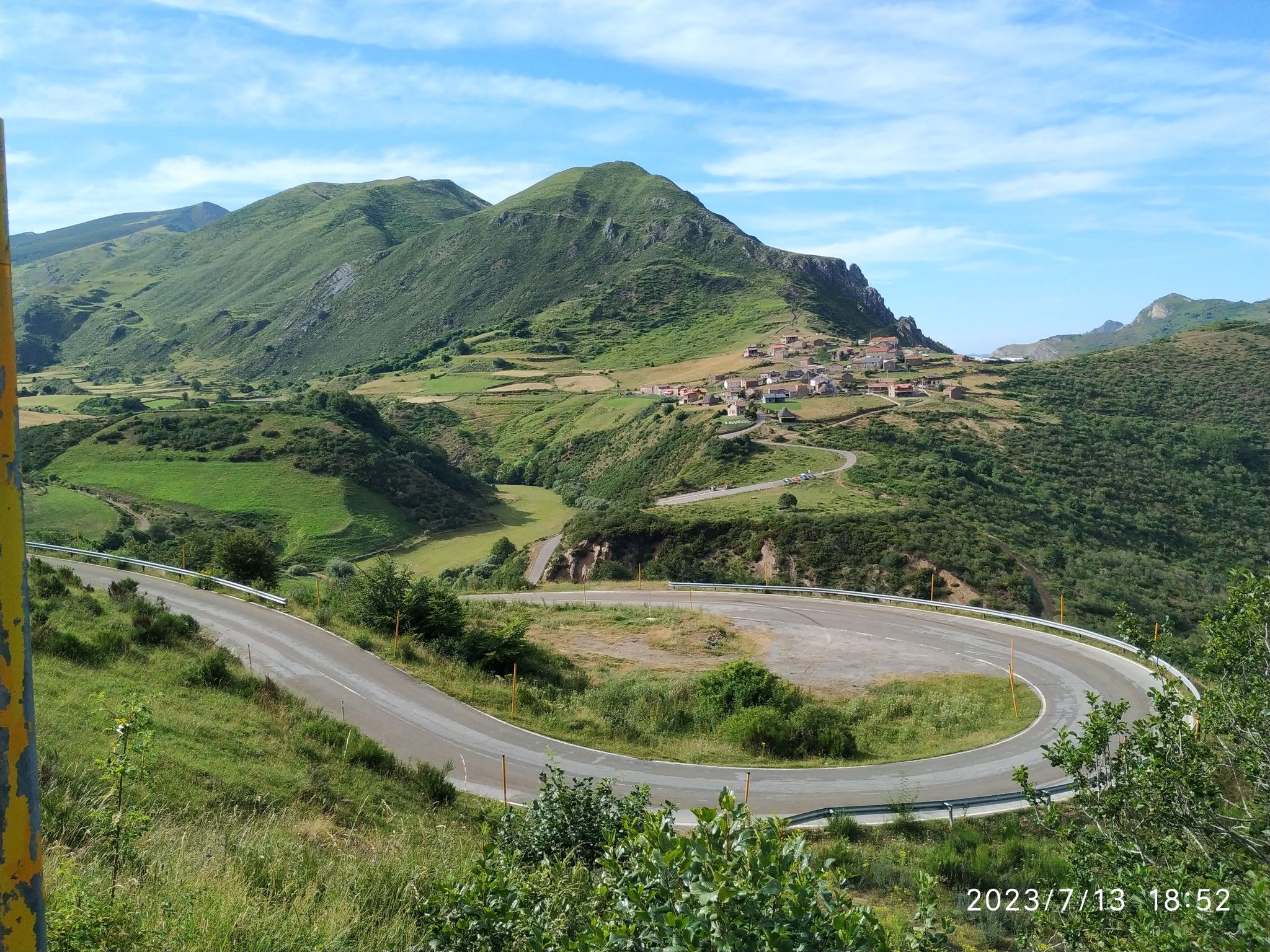
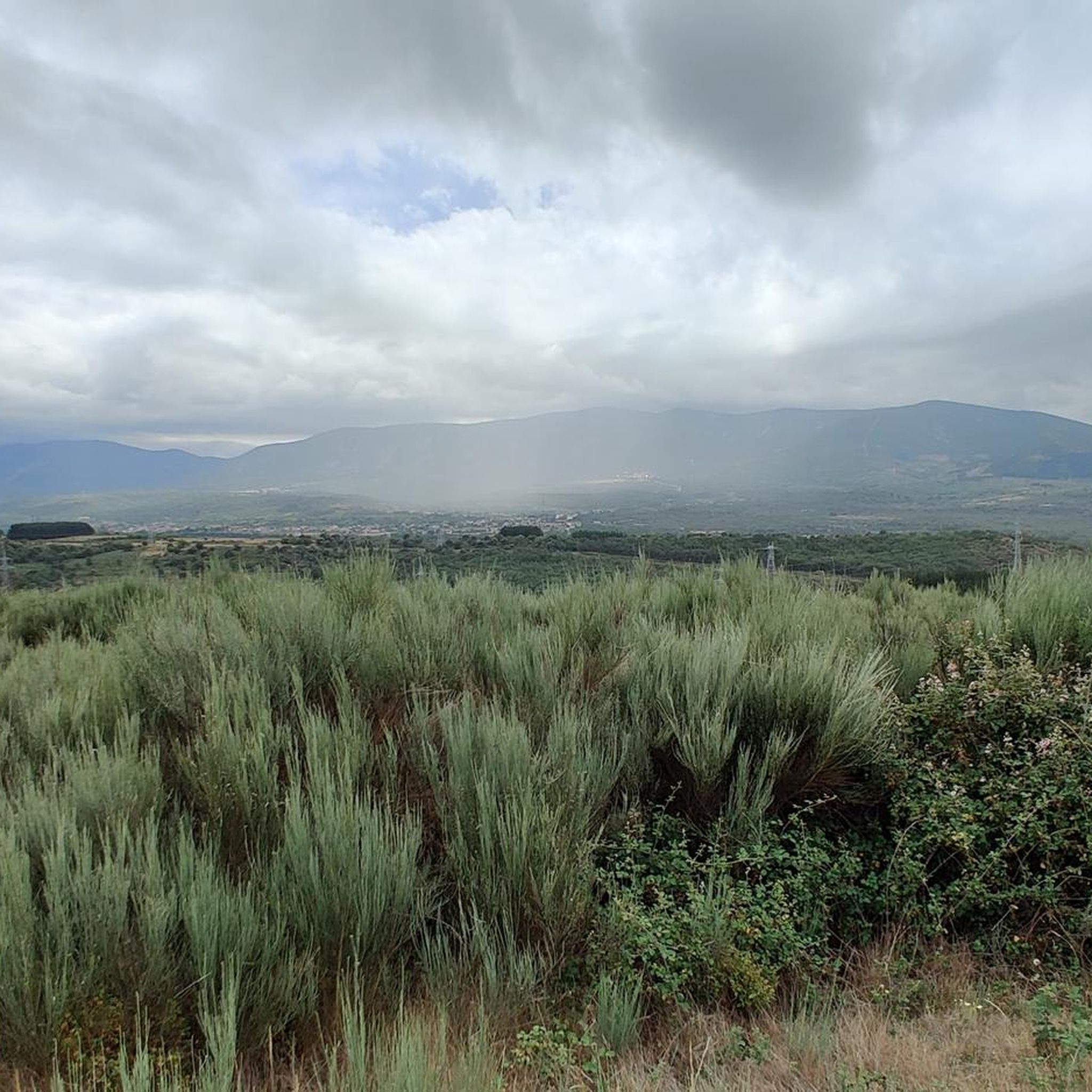
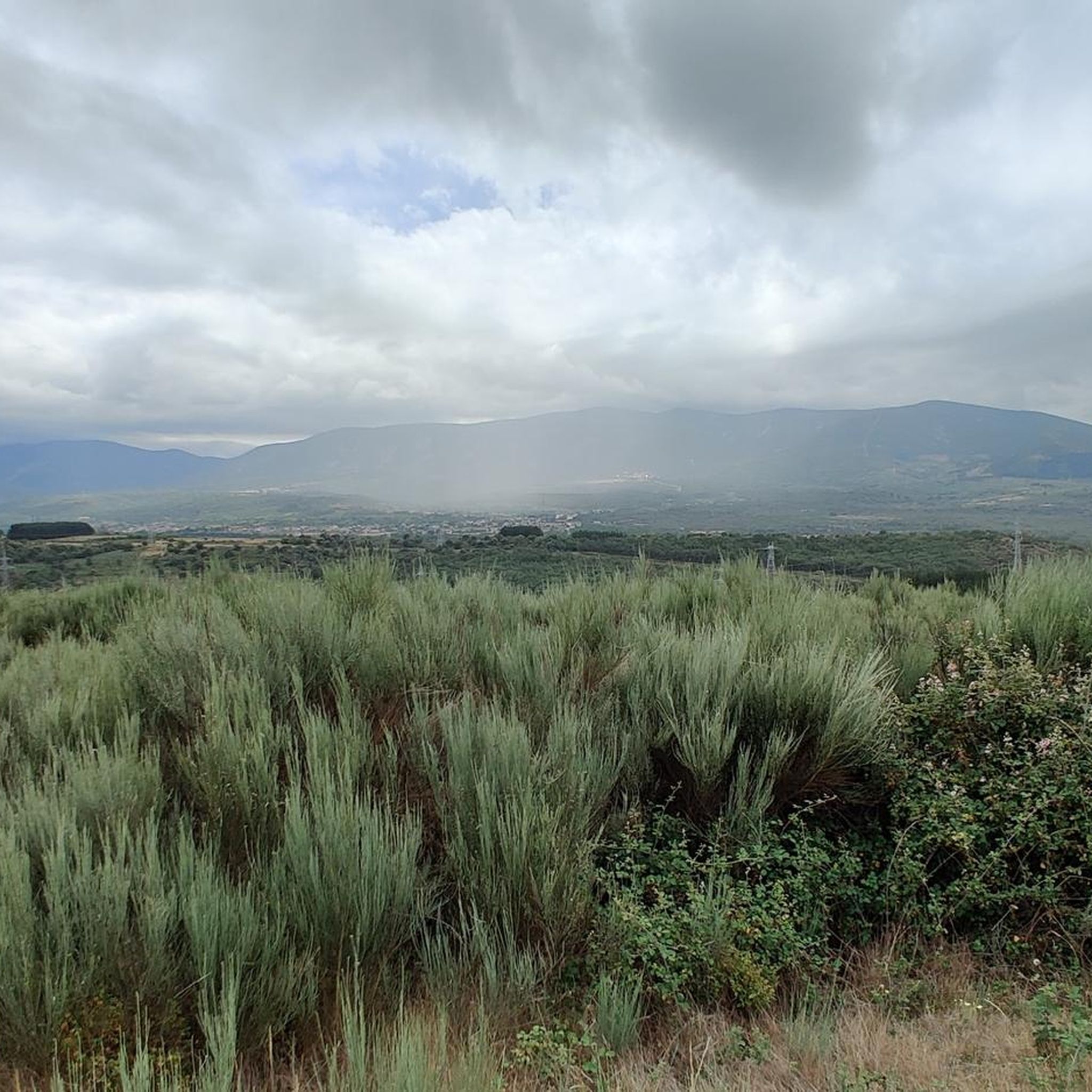
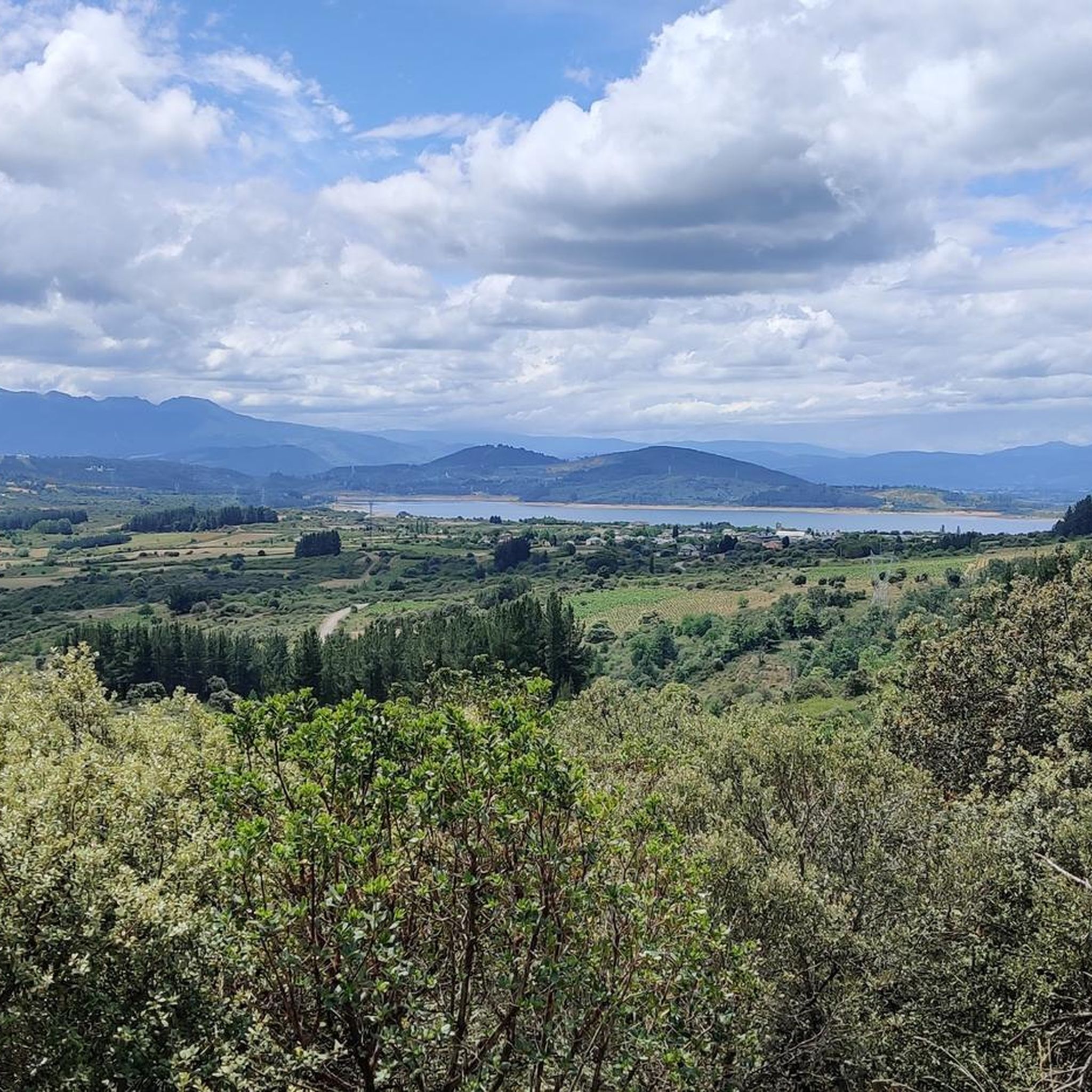

Other adventures around Bembibre

Tips from the Community

The Basilica of Our Lady of the Holm Oak, located in the old town of Ponferrada, is one of the most emblematic churches in the Bierzo region and a key point on the Camino de Santiago. It was built on the remains of a 12th-century medieval church known as Santa María. Construction of the current basilica began in 1573 and was completed a century later.
5
0

The Bishop's Palace of Astorga is one of only three buildings that Antoni Gaudí built outside Catalonia.
3
0

In the heart of Astorga, right next to the cathedral, lies one of the most unusual bishop's residences on the Iberian Peninsula: the Palacio Gaudi. It was designed and built by the famous Spanish architect of the same name (Antonio Gaudi, 1852-1926). A visit to the museum housed here is worthwhile both for the exhibits on display and, of course, for the imaginative architecture of the building.
2
0

A nice and good place to take a break. With many opportunities to stop
2
0

On June 24, 1889, the prelate's name day, the first stone was laid. They had planned to complete the work on the palace in June 1894, but the bishop died in 1893, and this event radically changed the course of the work, paralyzed by the hostility between Gaudí and the Diocesan Council. Finally, Antonio Gaudí resigned from his post as chief architect, very upset by the treatment he received. In 1905, D. Julián de Diego y Alcolea ruled the diocese of Astorga and tried to convince Gaudí to return to the works of the palace, but he did not succeed. Ricardo García-Guereta, diocesan of León, was appointed architect and completed the work on October 12, 1913, as bishop D. Julián de Diego y Alcolea
4
0

At the end of the 11th century, Osmundo, Bishop of Astorga, ordered the construction of a bridge (partly made of iron = pons ferrata) over the Sil for the pilgrims on the Way of St. James, near which a settlement was built. At the "pons ferrata", the iron bridge, the Knights Templar built a huge castle on a surface area of 160 x 90 m to protect the pilgrims on the Way of St. James. The medieval castle complex was inhabited by the Knights Templar from 1178 to 1312. Source: Wikipedia
5
0

The Templars' heyday from the 12th to 14th centuries led to the construction of this mighty fortress, among other things to protect the pilgrims on the Way of St. James. The rampart on the city hill stands out impressively against the mountain backdrop and absolutely conforms to the stereotypical image of a knight's castle. It is sensationally well maintained and a feast for the eyes.
6
0
The order, often referred to simply as the "Order of the Knights Templar," whose full name is "Poor Knights of Christ and of Solomon's Temple in Jerusalem," takes us mentally back to the 13th century. Founded in the Holy Land, it spread surprisingly quickly to many countries in Central Europe, and this castle complex in Ponferrada, northern Spain, was one of its numerous branches. The order gained notoriety through its dissolution in 1312 by the French king and the pope, and many of its members were burned at the stake as alleged heretics. The main reason for the dissolution, however, was not the members' human and religious misconduct (heresy), which was merely a pretext, but the legendary wealth of this order. King Philip IV of France primarily wanted to secure the treasures to bolster his coffers.
6
0
Frequently Asked Questions
How many road cycling routes are available around Bembibre?
There are over 30 road cycling routes around Bembibre, offering a wide range of options for different skill levels and preferences. You'll find everything from moderate loops to more challenging rides with significant elevation.
What kind of terrain can I expect on road cycling routes in Bembibre?
Road cycling in Bembibre features diverse terrain. Routes traverse the fertile Bercian valley, offering a mix of open agricultural lands and lush forests. You can expect varied landscapes, including sections along the Bouza River, providing both flat stretches and climbs with notable elevation profiles.
Are there any family-friendly road cycling routes in Bembibre?
While many routes in Bembibre are moderate to difficult, there are a few easier options suitable for families or those new to road cycling. These routes typically feature less elevation gain and cover shorter distances, allowing for a more relaxed experience through the scenic valley.
What are some notable landmarks or attractions I can see along the road cycling routes?
Many routes pass by interesting sights. For example, the route Astorga from Bembibre – circular via Molinaseca and Palacio de Gaudí – Eurovelo 3 takes you past historical landmarks. Other routes might offer views of the Bárcena Dam on the Sil River or the Bárcena Reservoir. The region also has a Romanesque church and the Sanctuary of Ecce Homo, which can be incorporated into rides.
Are there any circular road cycling routes starting from Bembibre?
Yes, Bembibre is a great starting point for circular road cycling routes. A popular option is the Astorga from Bembibre – circular via Molinaseca and Palacio de Gaudí – Eurovelo 3, a challenging 70-mile loop. Another local favorite is the Folgoso de la Ribera – View of Bembibre loop from Bembibre, a moderate 39-mile path.
What is the best time of year for road cycling in Bembibre?
The fertile Bercian valley generally offers pleasant conditions for road cycling. Spring and autumn are often ideal, with milder temperatures and beautiful scenery. Summer can also be good, but it's advisable to start earlier in the day to avoid the midday heat.
What do other road cyclists enjoy most about road cycling in Bembibre?
The area is highly rated by the komoot community, with an average score of 4.7 stars. Reviewers often praise the diverse landscapes, from open valleys to lush forests, and the variety of routes that cater to different ability levels, including challenging climbs and scenic loops.
Are there any road cycling routes that pass by waterfalls or natural monuments?
Yes, the Bembibre area is home to several natural attractions. While not directly on every road cycling route, you can find highlights like the Pozo de las Hoyas Waterfall and the Gualta Waterfall nearby. The Sulphur Spring and the Zofreral de Arriba forest are also points of interest in the wider region.
Are there any specific routes for advanced road cyclists looking for a challenge?
Absolutely. For experienced road cyclists, routes like Astorga from Bembibre – circular via Molinaseca and Palacio de Gaudí – Eurovelo 3 offer significant elevation gain and longer distances, providing a demanding and rewarding experience. Another challenging option is the Ponferrada Castle – Cruz de Ferro (Iron Cross) loop from Bembibre.
Is public transport available in Bembibre for cyclists, and can I bring my bike?
Bembibre has public transport options, but policies regarding bikes can vary. It's recommended to check with local bus or train operators directly for their specific rules on carrying bicycles, especially during peak times or for longer journeys.
Are there any specific parking facilities for cyclists in Bembibre?
While there isn't dedicated 'cyclist-only' parking, Bembibre offers various municipal parking areas where you can safely leave your vehicle before starting a ride. Look for general public parking facilities within the town center or near the main access points to routes.
Are cycling permits required for road cycling in the Bembibre area or Castilla y León?
Generally, no specific permits are required for road cycling on public roads in the Bembibre area or the wider Castilla y León region of Spain. Cyclists are expected to follow standard traffic laws and regulations.
Most popular attractions around Bembibre

Get inspired with the komoot mobile app


Explore more
Browse the best Road cycling routes in other regions.
