The best walks and hikes around Parc Natural del Penyagolosa
4.9
(78)
1,066
hikers
10
hikes
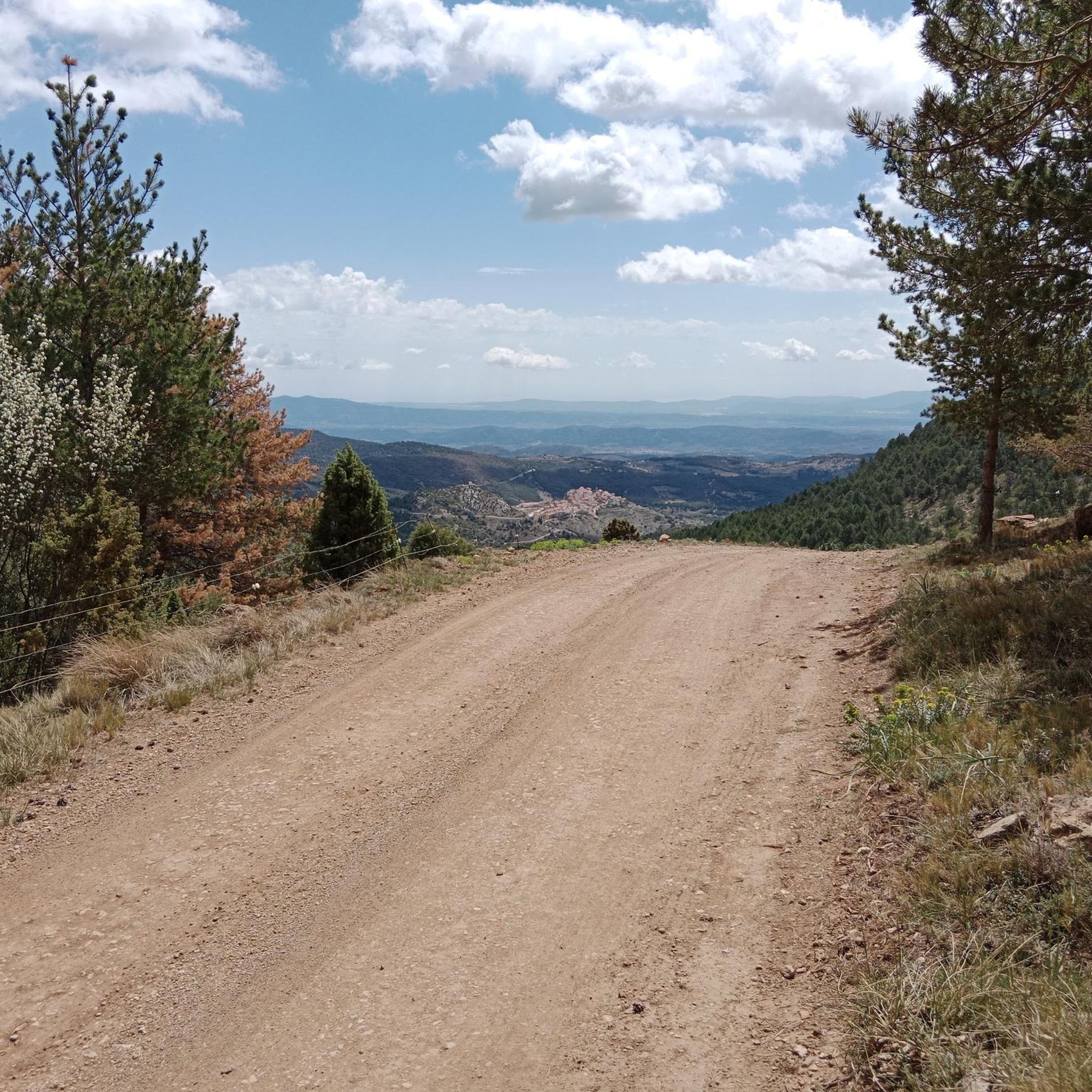
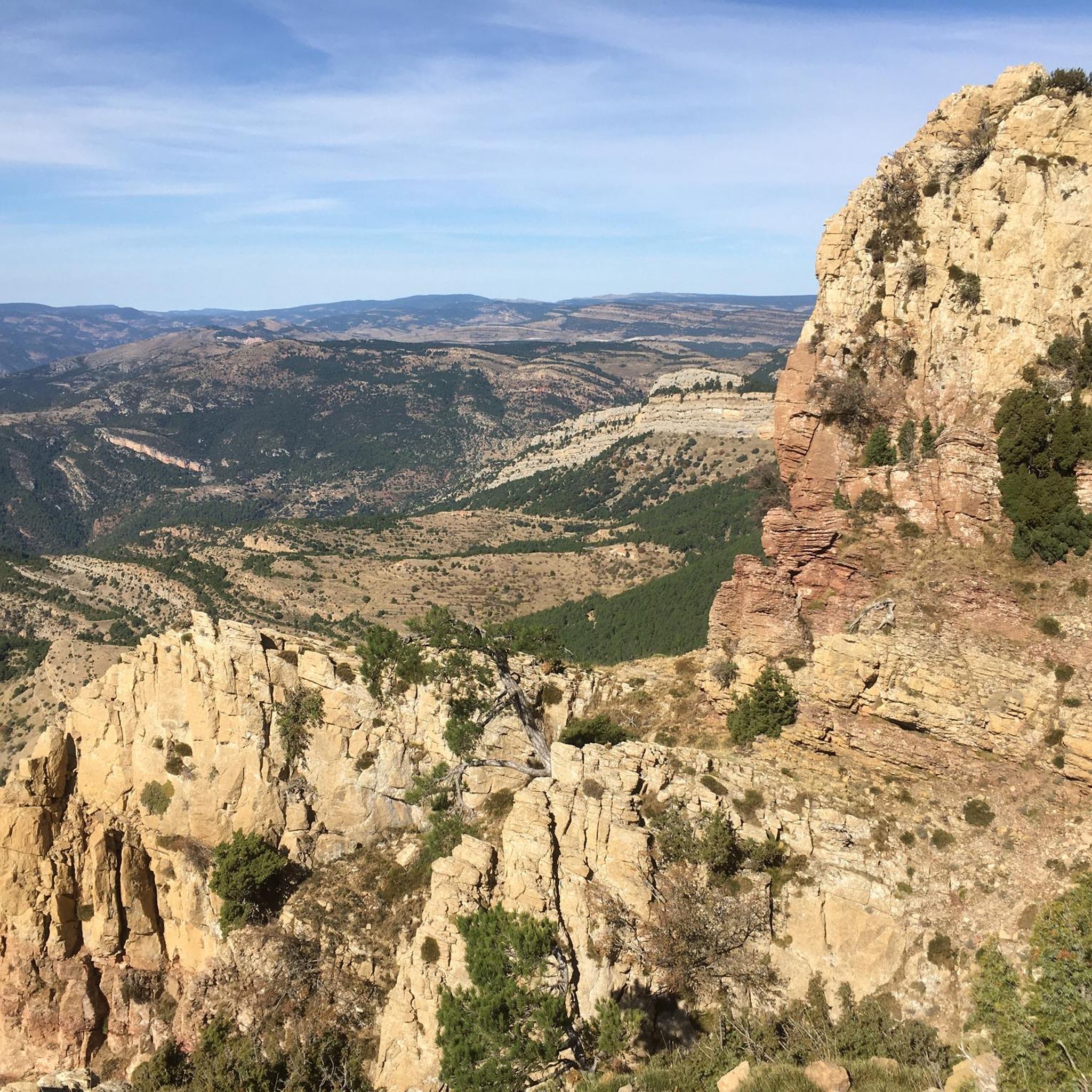
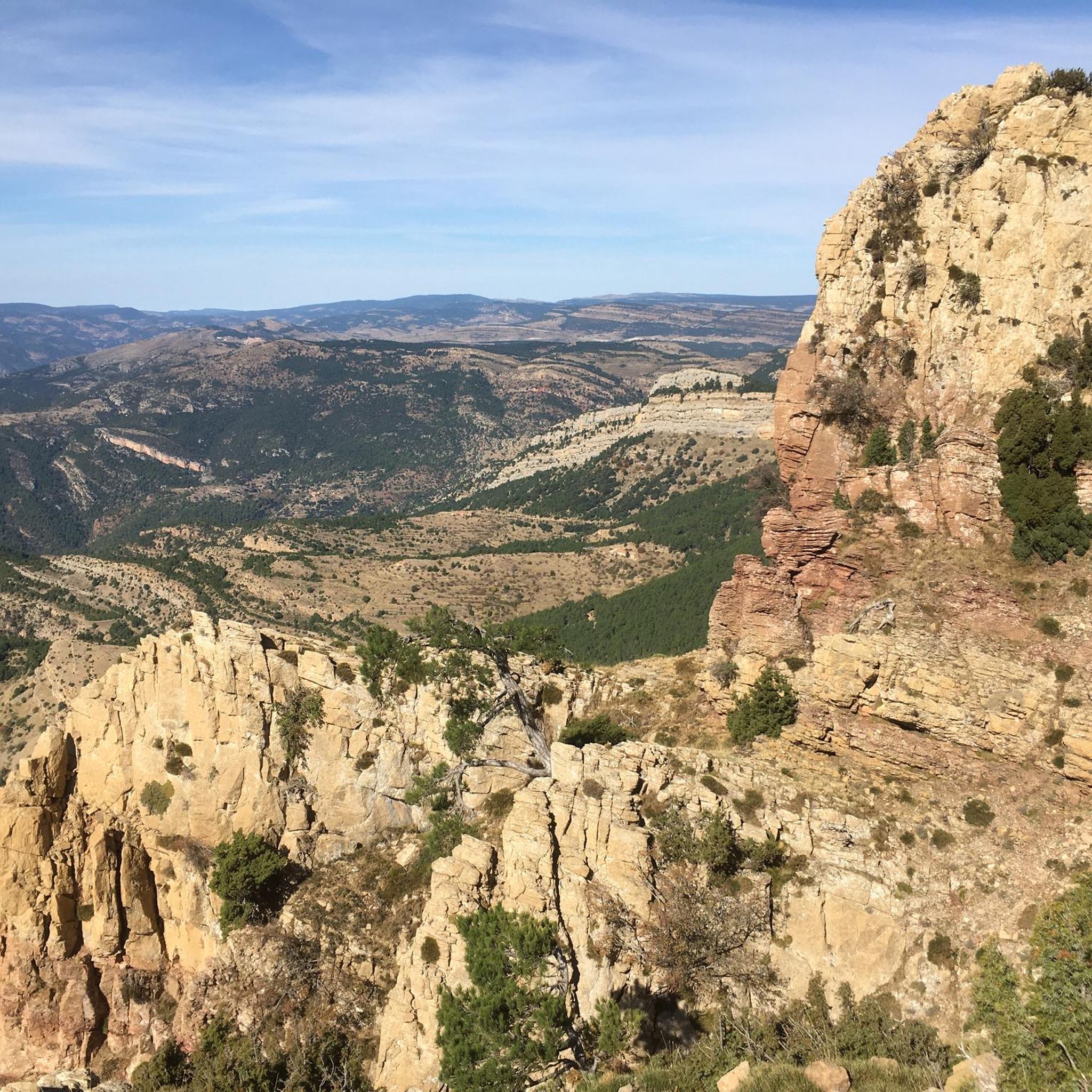
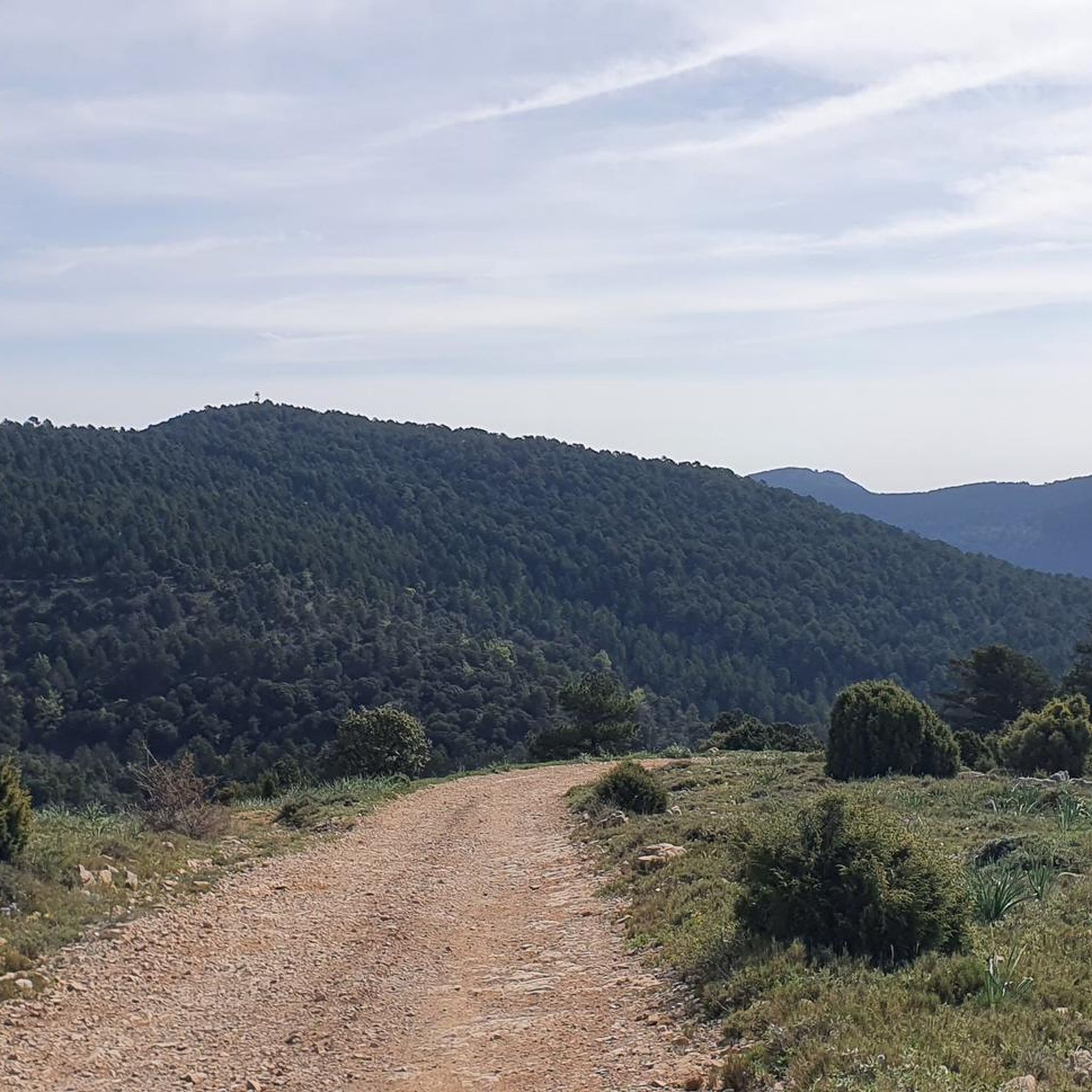
Hiking around Parc Natural del Penyagolosa offers diverse terrain within its 1,094.45 hectares, characterized by the prominent Penyagolosa mountain, which reaches 1,813 meters. The landscape features extensive woodlands with black pines, Scots pines, and Pyrenean oaks, alongside other species like maple and holly. Hikers can explore varied topography, including peaks, hills, and the scenic Barranc de la Pegunta gorge, which is a flora micro-reserve. The park's combination of continental and Mediterranean climates supports significant biodiversity.
Best hiking trails around Parc Natural del Penyagolosa
- The most popular hiking route is Parque Natural de Penyagolosa — Circular to the "roof of the Valencian Community", a 8.0 miles (12.9 km) trail that takes 5 hours 10 minutes to complete. This difficult route ascends towards the park's highest peak, offering expansive views.
- Another top favourite among local hikers is Penyagolosa Summit – Más de la Cambreta loop from Parc Natural de Penyagolosa, a difficult 11.0 miles (17.7 km) path. This trail navigates through varied woodlands and offers a challenging ascent to the summit area.
- Local hikers also love the Penyagolosa Summit loop from Parc Natural de Penyagolosa, a 2.4 miles (3.9 km) trail leading through the lower slopes of the Penyagolosa massif, often completed in about 1 hour 50 minutes.
- Hiking around Parc Natural del Penyagolosa is defined by rugged peaks, dense pine and oak woodlands, and scenic gorges like Barranc de la Pegunta. The network offers options for both moderate and difficult trails, catering to various experience levels.
- The routes in Parc Natural del Penyagolosa are highly rated by the komoot community with an average score of 4.9 stars from over 60 reviews. More than 1000 hikers have used komoot to explore Parc Natural del Penyagolosa's varied terrain.
Last updated: June 29, 2026
5.0
(1)
8
hikers
Hard hike. Very good fitness required. Sure-footedness, sturdy shoes and alpine experience required.
5.0
(2)
13
hikers
Hard hike. Good fitness required. Sure-footedness, sturdy shoes and alpine experience required.

Sign up for free
5.0
(3)
15
hikers
Hard hike. Very good fitness required. Sure-footedness, sturdy shoes and alpine experience required.
5
hikers
3.94km
01:50
280m
280m
Moderate hike. Great for any fitness level. Mostly accessible paths. Sure-footedness required.
5.0
(1)
7
hikers
11.2km
04:12
560m
560m
Moderate hike. Good fitness required. Mostly accessible paths. Sure-footedness required.
Get access to more routes and recommendations from other explorers.
Sign up for free
Already have an account?
Our route recommendations are based on thousands of hikes, rides, and runs completed by other people on komoot.
Start today with a free account
Your next adventure awaits.
Login or Signup
Tips from the Community

It is very soft but beautiful
0
0

Penyagolosa is known for its stunning panoramic views and is a popular destination for hiking enthusiasts. The route to the summit will take you through pine forests and rocky terrain, offering a unique experience in contact with nature. In addition, at the base of the mountain is the hermitage of Sant Joan de Penyagolosa, an important pilgrimage destination.
3
0


The sanctuary of Sant Joan de Penyagolosa (San Juan Bautista de Peñagolosa in Spanish) is located at the foot of the Peñagolosa massif. It is an important religious place and every year it serves as the end point of one of the oldest pilgrimages in the Valencian Community: The pilgrims of Useras.
1
0

Place of pilgrimage par excellence in the province
0
0

Sanctuary, hermitage and shelter of Sant Joan de Penyagolosa.
1
0
Mandatory visit to the top of the Pedra Giant.
1
0
An experience climbing the Penyagolosa canal. You have to be careful. It is recommended to wear a helmet if you go in a group.
1
0
Frequently Asked Questions
What kind of terrain can I expect when hiking in Parc Natural del Penyagolosa?
Parc Natural del Penyagolosa offers a diverse and rugged landscape. You'll encounter peaks, hills, and even cliffs, with trails winding through extensive woodlands dominated by black pines, Scots pines, and Pyrenean oaks. The scenic Barranc de la Pegunta gorge is another notable feature, providing a lush, shaded hiking experience. The combination of continental and Mediterranean climates creates varied topography, from lower elevation Aleppo pines to higher Holm oak and black pine forests.
Are there any easy hiking trails suitable for beginners in Parc Natural del Penyagolosa?
While Parc Natural del Penyagolosa is known for its challenging terrain, most of the routes are classified as moderate or difficult. There are no trails specifically rated as 'easy' in our current selection. However, some moderate routes might be suitable for those with a reasonable fitness level, such as the Penyagolosa Summit loop from Parc Natural de Penyagolosa, which is shorter and leads through the lower slopes of the massif.
What are the main points of interest or natural features to look out for in the park?
The park is rich in natural and cultural highlights. The defining feature is the Penyagolosa Summit itself, often called the 'roof of the Valencian Community,' offering panoramic views. You can also explore the Barranc de la Pegunta, a flora micro-reserve with a lush black pine forest. Culturally, the Sant Joan de Penyagolosa Sanctuary is a significant site at the foot of the massif, serving as a culmination point for ancient pilgrimages.
Can I find circular hiking routes in Parc Natural del Penyagolosa?
Yes, there are several excellent circular routes available. A popular option is the Parque Natural de Penyagolosa — Circular to the "roof of the Valencian Community", which ascends towards the park's highest peak. Another great choice is the Más de la Cambreta – Barranc de la Pegunta loop from Parc Natural de Penyagolosa, which takes you through varied landscapes including the scenic gorge.
Is Parc Natural del Penyagolosa suitable for family hikes?
The park offers a range of trails, but many are rated as moderate to difficult due to significant elevation changes and rugged terrain. While there are no specifically 'easy' trails, families with older children or those accustomed to hiking might enjoy shorter, moderate routes like the Penyagolosa Summit loop from Parc Natural de Penyagolosa. Always check the difficulty and length of a route before heading out with children.
Are dogs allowed on the hiking trails in Parc Natural del Penyagolosa?
Parc Natural del Penyagolosa is generally dog-friendly, but it's always advisable to keep dogs on a leash, especially in areas with wildlife or near livestock. Be mindful of the challenging terrain and potential for rocky paths, which might not be suitable for all dogs. Always carry enough water for both yourself and your pet.
What is the best time of year to go hiking in Parc Natural del Penyagolosa?
The park experiences a mix of continental and Mediterranean climates. Spring and autumn are generally considered the best times for hiking, offering pleasant temperatures and vibrant scenery. Summer can be hot, especially at lower elevations, while winter can bring snow to the higher peaks, making some routes more challenging and requiring appropriate gear and experience.
Are there any waterfalls in Parc Natural del Penyagolosa?
Yes, you can find routes that feature waterfalls. For example, the Carbo Waterfall loop from Parc Natural de Penyagolosa is a moderate trail that includes this natural feature. The Barranc de la Pegunta ravine, while primarily known for its forests, can also have a stream running through it, especially after rainfall.
How many hiking routes are available in Parc Natural del Penyagolosa?
There are over 10 hiking routes documented in Parc Natural del Penyagolosa on komoot, offering a variety of experiences from moderate to difficult. These routes are highly rated by the komoot community, with an average score of 4.9 stars.
What are the options for parking when visiting Parc Natural del Penyagolosa?
Parking is generally available at key access points and trailheads within or near the park. For instance, the El Corralico (Trailhead to Penyagolosa Summit) is a known starting point for the classic route to the summit, implying parking facilities nearby. It's recommended to check specific trailhead information for detailed parking availability.
Can I reach Parc Natural del Penyagolosa using public transport?
While the park is somewhat remote, public transport options to nearby towns may exist, though direct access to trailheads can be limited. It's advisable to research local bus services to towns surrounding the park, such as Vistabella del Maestrat or Xodos, and then consider local taxis or a longer walk to reach specific starting points. The park also has a visitor center, which might offer more specific guidance on accessibility.
Are there any long-distance hiking trails that pass through Parc Natural del Penyagolosa?
Yes, Parc Natural del Penyagolosa integrates into significant long-distance paths. Notably, the GR7 and the GR33 Sender de la lluna Plena both traverse parts of the park. These routes offer opportunities for multi-day treks and connect the park with broader regional hiking networks.
Most popular routes around Parc Natural del Penyagolosa
Most popular attractions around Parc Natural del Penyagolosa

Get inspired with the komoot mobile app


Explore more
Browse the best Hikes in other regions.
