The best road cycling routes around Paraje Natural Karst en Yesos de Sorbas
4.9
(7)
351
riders
13
rides
Road cycling around Paraje Natural Karst en Yesos de Sorbas offers routes through a landscape characterized by gypsum formations and varied terrain. The region features undulating roads that traverse natural park areas, providing a mix of ascents and descents. Cyclists can expect to encounter open vistas and rural settings. The routes often connect small villages and offer views of the surrounding natural environment.
Best road cycling routes around Paraje Natural Karst en Yesos de Sorbas
- The most popular road cycling…
Last updated: July 5, 2026
5.0
(1)
51
riders
61.4km
03:19
1,200m
1,200m
Hard road ride. Very good fitness required. Mostly well-paved surfaces and easy to ride.
5.0
(1)
34
riders
72.4km
03:13
770m
770m
Moderate road ride. Good fitness required. Mostly well-paved surfaces and easy to ride.

Sign up for free
5.0
(1)
12
riders
91.8km
04:40
1,440m
1,440m
Hard road ride. Very good fitness required. Some segments of this route may be unpaved and difficult to ride.
7
riders
56.3km
02:56
950m
950m
Hard road ride. Very good fitness required. Mostly well-paved surfaces and easy to ride.
5.0
(1)
6
riders
112km
05:53
2,100m
2,100m
Hard road ride. Very good fitness required. Mostly well-paved surfaces and easy to ride.
Get access to more routes and recommendations from other explorers.
Sign up for free
Already have an account?
Our route recommendations are based on thousands of hikes, rides, and runs completed by other people on komoot.
Start today with a free account
Your next adventure awaits.
Login or Signup
Tips from the Community

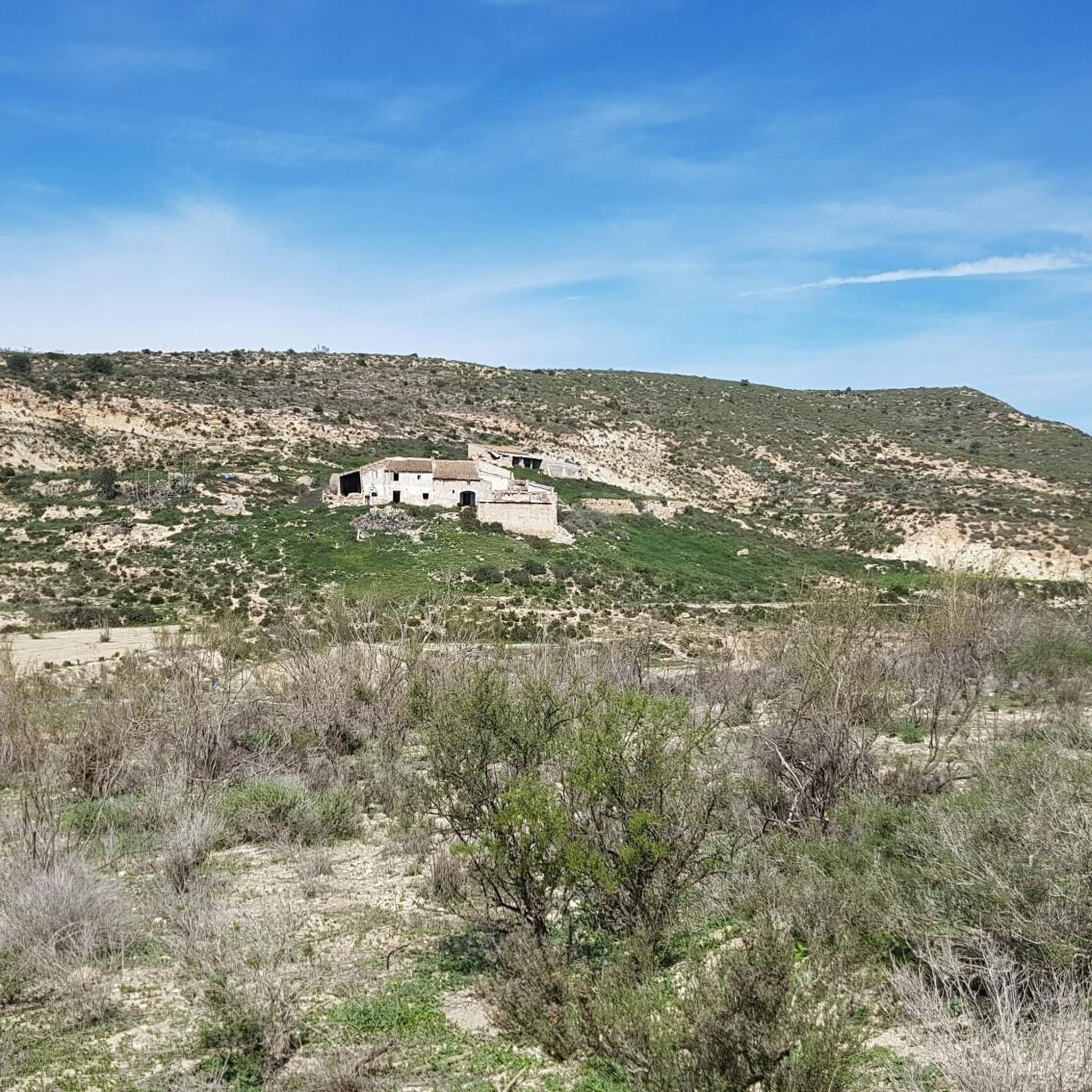
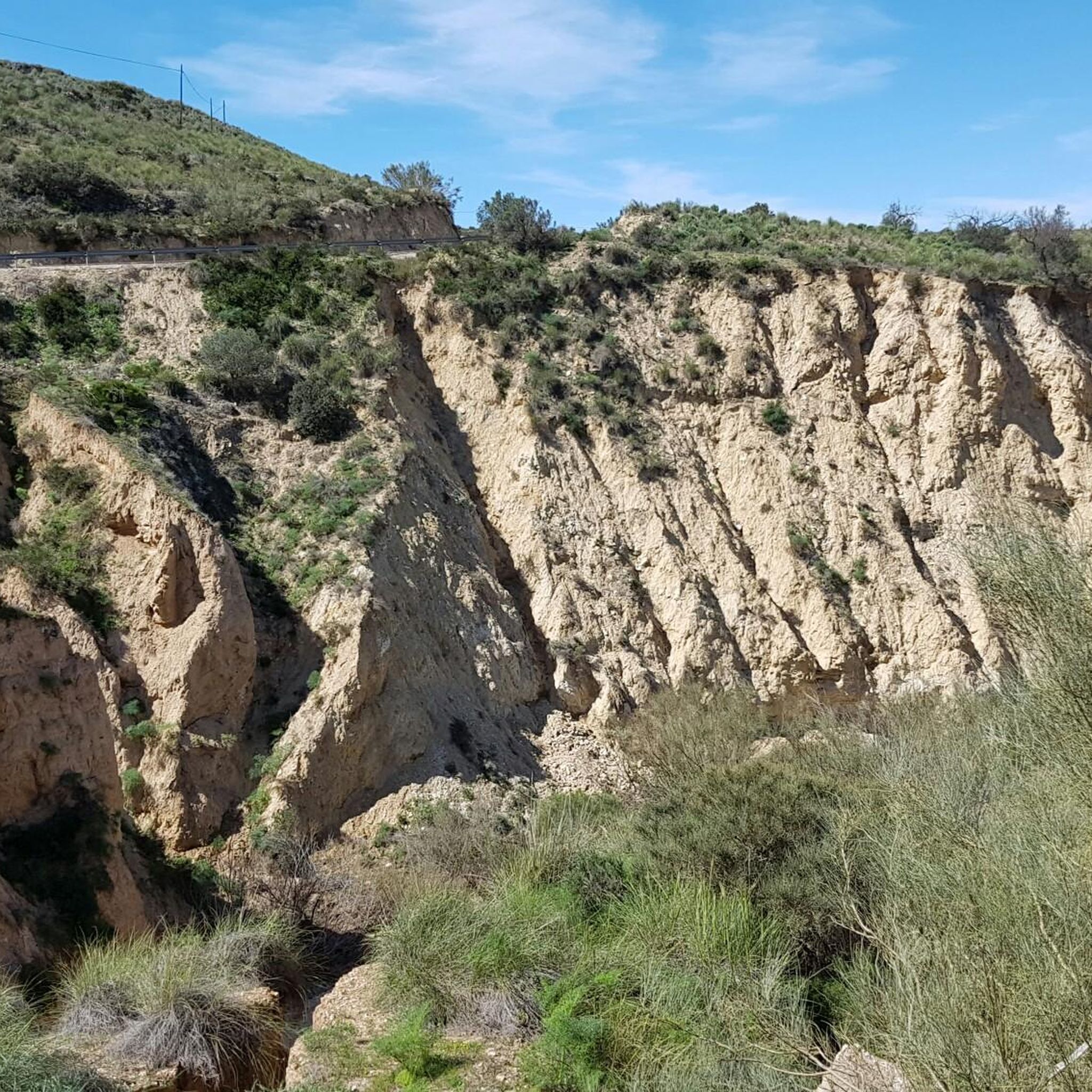
Beautiful piece of rambla ideal for mtb and gravel bikes, enjoy.
14
0

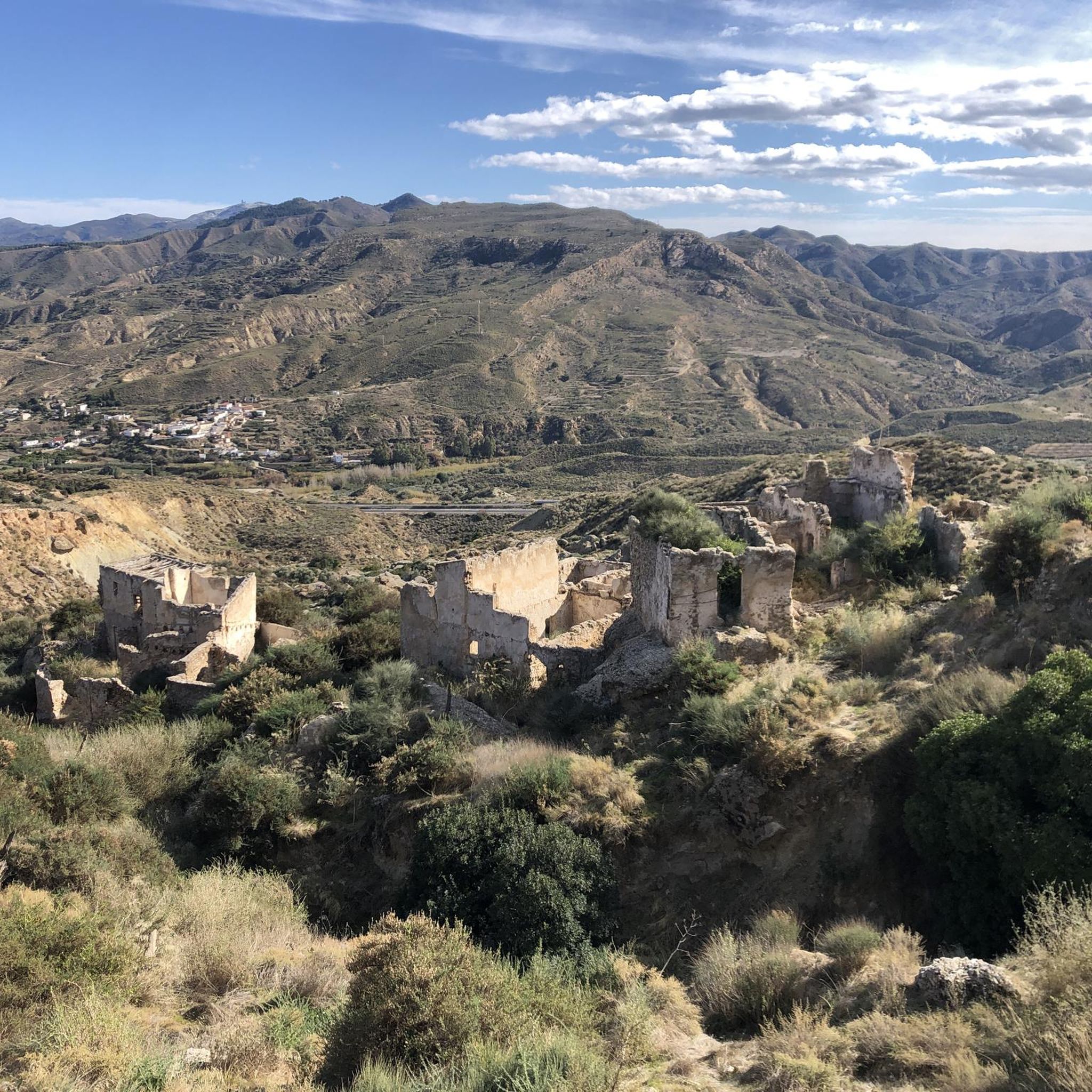
Tahal Castle, nestled in the Sierra de los Filabres, was built in the 15th and 16th centuries to control the routes between the Almanzora Valley and Tabernas. Although it remains in a state of consolidated ruin today, its large rectangular keep, with its elevated entrance and masonry walls, is still impressive. Next to it, you can see the remains of a circular tower, the walled enclosure, and a cistern that provided water in the event of a siege. Freely accessible, it is an interesting place to combine history and hiking in this part of Almería.
1
0
Uleila del Campo is a small town located on the southern slopes of the Sierra de los Filabres, at the foot of Monteagud Hill. Its surroundings combine hills, gullies, and unusual sites such as "El Salar," a salt flat with a unique ecosystem. Its heritage includes the Neo-Romanesque Church of Santa María and the Cueva de la Mora archaeological site, home to Neolithic remains and cave paintings. The town keeps its traditions alive with festivals such as the Santo Cristo de las Penas festival in September, ideal for discovering local life and culture after a hike through the mountains.
3
0
Village situated in the foothills of the Filabres, descending to the depression of Sorbas and near the Campo de Tabernas. Situated on a small elevation, it forms a well-structured round group of buildings in a not unattractive landscape where fields of vineyards, almond and olive trees predominate. The church of St. Mary characterizes the village.
0
0

A small village with many olive farmers and a Züger cheese factory, in the local supermarket you can buy the delicacies of the region
0
0

Sorbas is a charming town in the province of Almería, located in the Levante Almeriense region. Known for its hanging houses and impressive caves, the town offers a unique combination of history and nature. Its monuments include the church of Nuestra Señora de la Asunción, the castle of Villavieja and the Palace of the Dukes of Alba.
2
0
The hanging houses of Sorbas are a group of houses located in the historic center of the Almeria town of Sorbas. These houses are characterized by being built on the limestone of the area, forming a set of balconies and terraces that seem to be suspended in the air. Its origin is believed to date back to Muslim times, although they have undergone restorations and reforms over the centuries.
1
0
It is a small municipality in the province of Almería, in the Los Filabres-Tabernas region. The town is located at an altitude of 640 meters, just below the Sierra de los Filabres and especially the Monteagud hill.
1
0
Frequently Asked Questions
How many road cycling routes are available in Paraje Natural Karst en Yesos de Sorbas?
There are 10 road cycling routes documented in Paraje Natural Karst en Yesos de Sorbas on komoot. These routes offer a variety of experiences through the region's unique gypsum landscapes.
Are there any easy road cycling routes for beginners in the area?
The routes in Paraje Natural Karst en Yesos de Sorbas are generally considered moderate to difficult due to the undulating terrain and significant elevation changes. There are no routes specifically classified as easy. However, routes like Lucainena de las Torres loop from Sorbas are rated moderate and could be a good starting point for those with some experience, offering a 31.9-mile ride with manageable climbs.
What are some challenging road cycling routes in Paraje Natural Karst en Yesos de Sorbas?
For experienced cyclists seeking a challenge, routes such as Lubrín Village and Castle – Puerto de la Virgen loop from Sorbas offer over 2,000 meters of elevation gain across 112.1 miles. Another demanding option is Tahal Castle – Uleila del Campo loop from Sorbas, which covers 57.0 miles with substantial climbs through varied terrain.
What is the typical distance and duration for road cycling routes here?
Road cycling routes in Paraje Natural Karst en Yesos de Sorbas vary significantly in length and duration. You can find routes ranging from approximately 31.9 miles, like the Lucainena de las Torres loop from Sorbas (around 3 hours 10 minutes), to longer rides such as the Lubrín Village and Castle – Puerto de la Virgen loop from Sorbas, which is 112.1 miles and can take over 5 hours to complete.
Are there any circular road cycling routes in the Sorbas area?
Yes, many of the road cycling routes in Paraje Natural Karst en Yesos de Sorbas are designed as loops, allowing you to start and finish in the same location. Examples include the Ascent from Lubrín to Bédar – Lubrín Village and Castle loop from Sorbas and the Lucainena de las Torres loop from Sorbas.
What is the best time of year for road biking in Paraje Natural Karst en Yesos de Sorbas?
The best time for road biking in Paraje Natural Karst en Yesos de Sorbas is typically during the spring (March to May) and autumn (September to November). During these seasons, temperatures are milder and more pleasant for cycling, avoiding the intense heat of summer and the cooler, sometimes wetter, conditions of winter. The arid landscape also means less vegetation to obscure views during these times.
What kind of weather conditions should I expect when cycling in this region?
Paraje Natural Karst en Yesos de Sorbas is characterized by a semi-arid Mediterranean climate. Expect hot, dry summers with high temperatures, and mild winters. Rainfall is generally low, but can occur, especially in autumn and spring. Always check the local forecast before heading out, as conditions can change, and be prepared for sun exposure and potential wind.
Are there any viewpoints or scenic spots along the road cycling routes?
Yes, the undulating roads through Paraje Natural Karst en Yesos de Sorbas offer numerous opportunities for scenic views. Cyclists can expect open vistas across the unique gypsum formations, rural landscapes, and the surrounding natural park areas. Routes often connect small villages, providing picturesque stops and panoramic outlooks over the region's distinctive topography.
What do other road cyclists enjoy most about road cycling in Paraje Natural Karst en Yesos de Sorbas?
The area is highly rated by the komoot community, with an average score of 4.8 stars from more than 5 reviews. Reviewers often praise the unique geological landscape, the challenging yet rewarding climbs, and the quiet, rural roads that connect charming villages. The sense of exploration through a distinctive natural environment is frequently highlighted.
Are there any cafes or places to refuel near the road cycling trails?
While the routes traverse rural landscapes, they often connect small villages such as Sorbas, Lubrín, and Lucainena de las Torres. These villages typically offer local cafes, bars, or small shops where you can stop for refreshments, water, and snacks. It's advisable to plan your route and carry sufficient supplies, especially on longer stretches between villages.
Is there parking available for road cyclists near the trails?
Many road cycling routes in Paraje Natural Karst en Yesos de Sorbas start from or pass through towns like Sorbas. In these villages, you can usually find public parking areas. It's recommended to check specific starting points of routes for the most convenient parking options, often available near town centers or public facilities.
Most popular routes around Paraje Natural Karst en Yesos de Sorbas

Get inspired with the komoot mobile app


Explore more
Browse the best Road cycling routes in other regions.
