The best walks and hikes around Villalba De Duero
4.6
(9)
108
hikers
35
hikes
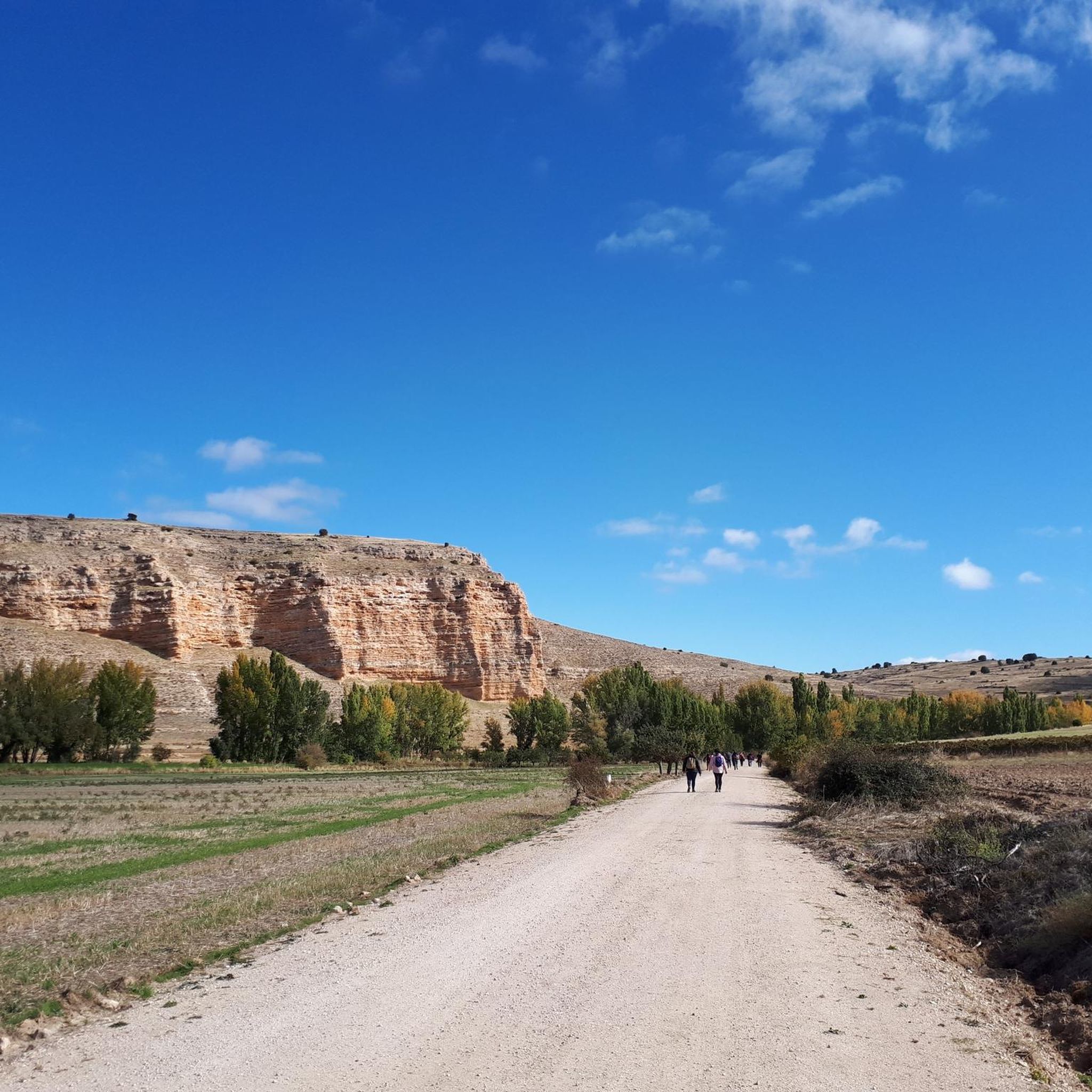
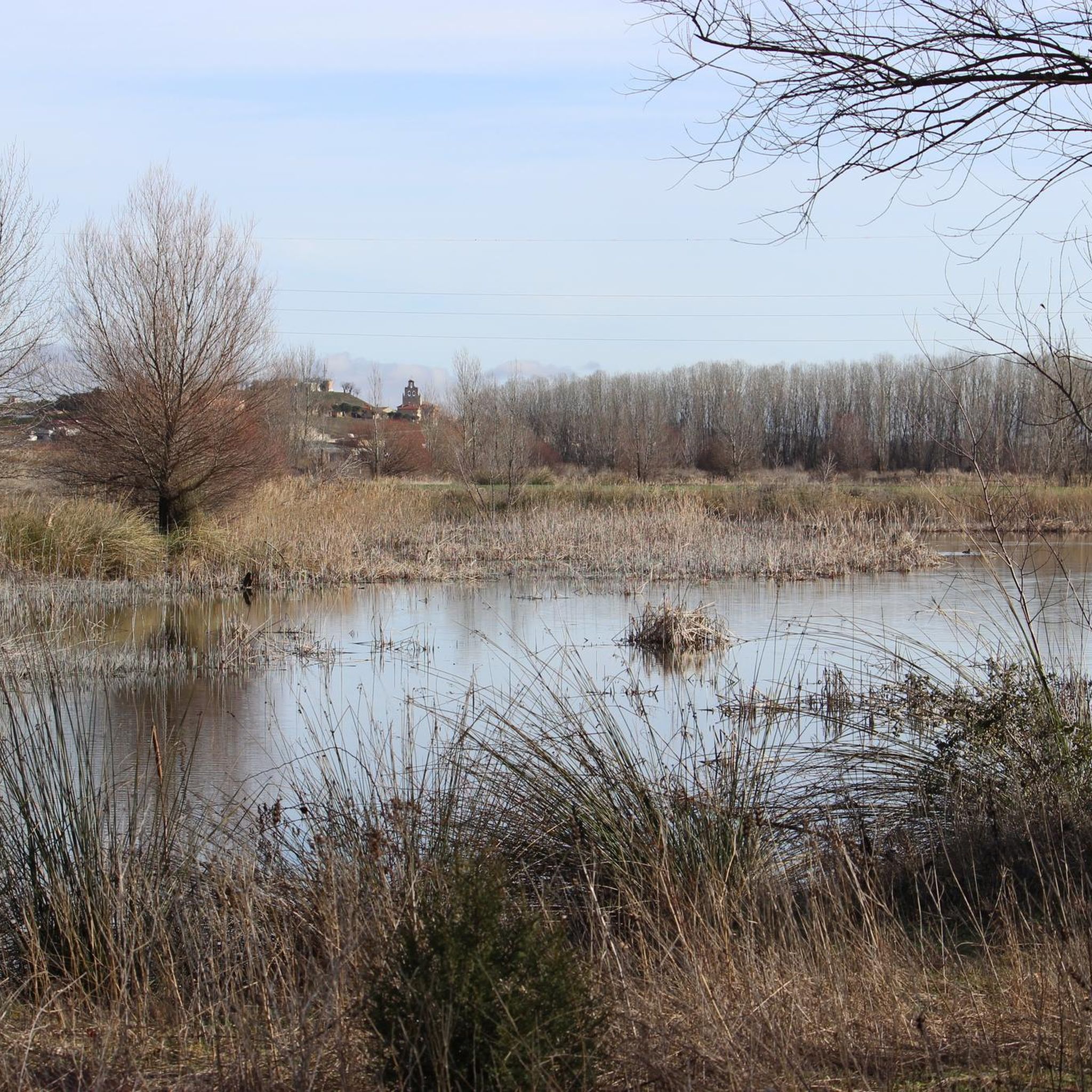
Hiking around Villalba De Duero offers access to diverse Castilian landscapes, characterized by the Duero River and its associated wetlands. The region features rolling vineyards and agricultural lands, providing a mix of open scenery and riverine environments. The terrain generally includes gentle elevations, with some routes exploring local hills and natural features.
Best hiking trails around Villalba De Duero
- The most popular hiking route is Duero Path, a 2.1 miles (3.4 km) trail that takes 54 minutes to complete.…
Last updated: June 29, 2026
1
hikers
3.44km
00:54
30m
30m
Explore the ancient streets and Duero riverbank of Aranda del Duero on this easy 2.1-mile circular hike, passing historic landmarks.
1
hikers
10.6km
02:41
20m
20m
Moderate hike. Good fitness required. Easily-accessible paths. Suitable for all skill levels.

Sign up for free
5.0
(1)
18
hikers
Moderate hike. Good fitness required. Easily-accessible paths. Suitable for all skill levels.
5.0
(1)
17
hikers
12.6km
03:14
50m
50m
Moderate hike. Good fitness required. Easily-accessible paths. Suitable for all skill levels.
4.5
(4)
9
hikers
Moderate hike. Good fitness required. Easily-accessible paths. Suitable for all skill levels.
Get access to more routes and recommendations from other explorers.
Sign up for free
Already have an account?
Our route recommendations are based on thousands of hikes, rides, and runs completed by other people on komoot.
Start today with a free account
Your next adventure awaits.
Login or Signup


Tips from the Community

Built of stone and with several semicircular arches, it is a good example of medieval civil engineering and has withstood the test of time thanks to its solidity, although it has been restored at different times. At one time it was key for the transit of workers and goods between neighborhoods, contributing to the economic growth of Aranda. Today it is preserved as a heritage element and is a pleasant place to walk, forming part of the city's historic complex and allowing visitors to learn about its industrial and medieval past along the river.
2
0
The medieval Puente de las Tenerías, located in Aranda de Duero over the Bañuelos river, is one of the most interesting historical corners of the city, although less known than the Duero bridge. It is a construction of medieval origin, linked to the urban and industrial development of the town, as it takes its name from the old tanneries (leather tanning workshops) that were in the area and that needed abundant water for their activity.
2
0
These large-format murals cover a wide variety of themes such as wine culture, the city's history, popular traditions, or social issues like equality and gender-based violence, combining contemporary art with local identity. Some outstanding works, such as Old to the new or Poseidón y Medusa, convey messages about the city's evolution or social denunciations, adding a reflective component to the tour. Overall, this initiative has transformed Aranda into a benchmark for urban art in the Ribera del Duero, offering a different kind of visit that can be done on foot while discovering lesser-known corners of the city.
2
0
The urban art murals of Aranda de Duero are one of the city's most curious cultural attractions, as they have turned its streets into an authentic open-air gallery. Since 2016, the so-called Mural Route has been developed, a tour with more than 20 works spread across different neighborhoods —especially in Santa Catalina— created by local, national, and international artists.
2
0
The bridge is built of stone and is characterized by its semicircular arches; it originally had four, although today it retains three due to later renovations. Over the centuries it has undergone numerous restorations, especially due to the floods of the Duero, one of the most important being the expansion and widening in the 19th century. In addition to its architectural value, it has been a strategic point for the passage of people, goods and herds, and today it is a symbol of the city and a very pleasant place to walk and enjoy the views of the river and Aranda de Duero. [iglesiaslocales.com], [edadesdelh...ogspot.com]
2
0
The Aranda de Duero Bridge, also known as Puente Mayor, is one of the city's most important historical elements, as it crosses the Duero River and has been key to its development. Although often called "Roman", it is actually a bridge of medieval origin, with references from the 12th-14th centuries, when it served as a fundamental crossing point on trade routes and the old Royal Road that connected the center and north of Spain.
2
0

Aranda de Duero, in the province of Burgos, is the capital of the famous Ribera del Duero wine region. The city is known for its excellent wines and its network of underground wine cellars, medieval tunnels dug beneath the old town. It is also a top culinary destination, famous for its roast lamb and blood sausage. Its heritage includes Gothic churches such as Santa María la Real, which complement the cultural and culinary experience.
4
0
The Aranda de Duero Bridge, also known as the Puente Mayor, is a medieval stone bridge over the Duero River. It is a symbol of the city and its heritage, connecting the old town with the modern areas. Although it has been renovated over time, it retains its historic essence.
4
1
Frequently Asked Questions
How many hiking trails are available around Villalba de Duero?
There are over 25 hiking routes around Villalba de Duero. These include a good mix of easy and moderate trails, ensuring options for various fitness levels.
What kind of landscapes can I expect to see while hiking in Villalba de Duero?
Hiking in Villalba de Duero offers diverse Castilian landscapes. You'll encounter the picturesque Duero River and its significant wetlands, rolling vineyards, and agricultural lands. The terrain generally features gentle elevations, with some routes exploring local hills and natural features.
What is the general difficulty level of hikes in this area?
The hiking trails around Villalba de Duero are generally accessible. There are 12 easy routes and 13 moderate routes, making it suitable for both casual walkers and those looking for a bit more challenge. There are no difficult routes listed in this guide.
Are there any circular hiking routes in Villalba de Duero?
Yes, there are several circular routes. A notable one is the Humedales del Carrascal — circular from Villalba de Duero, which is a moderate 6.6-mile (10.6 km) path exploring the area's significant wetlands.
Can I hike along the Duero River?
Absolutely. The Duero River is a central natural feature of the region. The Duero Path is an easy 2.1-mile (3.4 km) route that follows its banks, offering pleasant riverside strolls.
Are there opportunities for wildlife spotting, especially birds?
Yes, the wetlands around Villalba de Duero, particularly the Humedales del Carrascal, are a haven for rich birdlife. These areas feature Holm Oak wood and Black Poplars, providing an excellent habitat for various bird species, making it interesting for ornithology lovers.
What natural landmarks or viewpoints can I discover on the trails?
Beyond the immediate area, Villalba de Duero is an excellent base for exploring dramatic natural parks within an hour's drive. These include the Natural Park of the Hoces del Río Duratón with its deep gorges, and the Cañón de Río Lobos Natural Park, known for its beautiful trails and the Templar hermitage of San Bartolomé.
Are the hiking trails around Villalba de Duero suitable for families with children?
Many of the trails, especially the 12 easy routes, are suitable for families. The gentle terrain along the Duero River and through the wetlands offers enjoyable and manageable walks for all ages. The Duero Path is a great option for a family outing.
Are dogs allowed on the hiking trails in Villalba de Duero?
Generally, dogs are welcome on trails in this region, especially in natural outdoor areas. However, it's always advisable to keep them on a leash, particularly in areas with wildlife or near agricultural land, and to respect local signage regarding pet regulations.
What is the best time of year to go hiking in Villalba de Duero?
The region is particularly scenic during spring and autumn. Spring brings lush greenery and blooming landscapes, while autumn offers vibrant colors in the vineyards. These seasons also typically provide pleasant temperatures for hiking.
Is there public transport available to reach the trailheads, or is parking generally available?
While specific public transport options directly to all trailheads might be limited, Villalba de Duero and nearby towns like Aranda de Duero are generally accessible by regional buses. For most hiking routes, parking is usually available near the starting points, especially in or around the villages.
Are there any cafes or places to eat near the hiking routes?
Villalba de Duero and the surrounding villages offer local amenities including cafes and restaurants where you can enjoy traditional Castilian cuisine and local wines. Aranda de Duero, a short distance away, provides a wider selection of dining options.
What cultural or historical attractions are near the hiking trails in Villalba de Duero?
The area is rich in culture and history. You can explore the Aranda Bridge in nearby Aranda de Duero, visit the impressive Church of Santa María la Real, or discover the charming village of Haza and its castle. The region is also part of the renowned Ribera del Duero Wine Route, offering bodega visits and wine tastings.
What do other hikers say about their experience in Villalba de Duero?
The hiking routes in Villalba de Duero are highly rated by the komoot community, with an average score of 4.5 stars from more than 8 reviews. Hikers often praise the peaceful river paths, the beauty of the wetlands, and the charming rural landscapes.
Most popular routes around Villalba De Duero
Most popular attractions around Villalba De Duero

Get inspired with the komoot mobile app


Explore more
Browse the best Hikes in other regions.
