Attractions and Places To See around Alcudia De Monteagud - Top 20
Attractions and places to see around Alcudia De Monteagud include a mountain village nestled in the Sierra de los Filabres, offering panoramic views of the surrounding valley. This region combines historical sites with natural beauty, situated at over 1000 meters above sea level. The landscape features almond and olive groves, alongside cultural landmarks reflecting its rich heritage.
Best attractions and places to see around Alcudia De Monteagud
- The most popular attractions is Uleila del Campo, a settlement located on…
Last updated: July 2, 2026
Uleila del Campo
Highlight • Settlement
Translated by Google •
Tip by

Virgen de la Cabeza de Monteagud Sanctuary
Highlight • Religious Site
Translated by Google •
Tip by
Sign up now to discover places like this
Get recommendations on the best single tracks, peaks, & plenty of other exciting outdoor places.
Sign up for free
Tahal Castle
Highlight • Castle
Translated by Google •
Tip by
Líjar Castle
Highlight • Castle
It is a castle-shaped building, located in the highest part of the town.
Showing Translation
Tip by

Macael Viejo
Highlight • Historical Site
Translated by Google •
Tip by

Sign up for free to discover even more attractions around Alcudia De Monteagud.
Sign up for free
Already have an account?
Start today with a free account
Your next adventure awaits.
Login or Signup

Tips from the Community

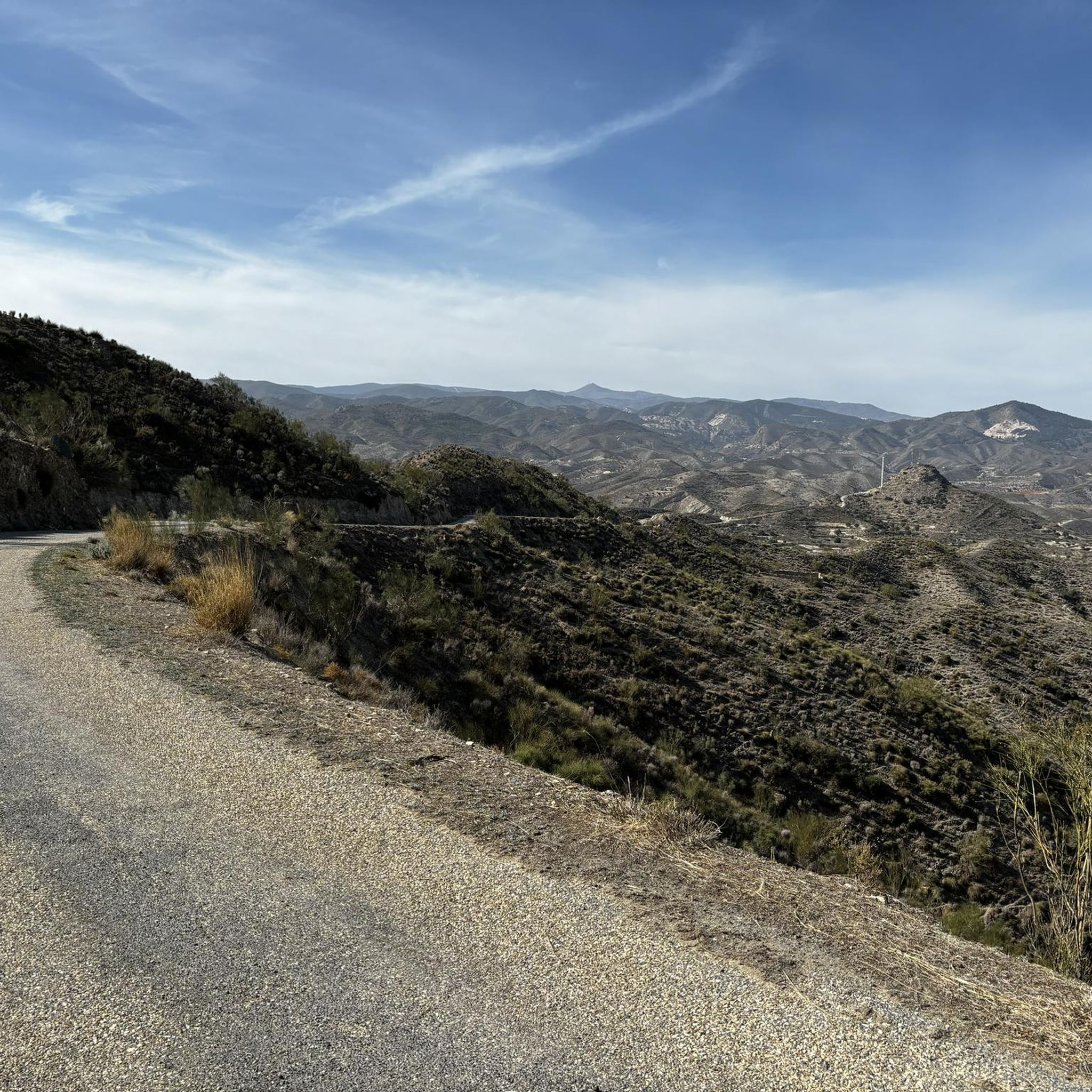
The sanctuary of the Virgin of Cabeza de Monteagud, in Benizalón, stands at the top of Monteagud Hill and is one of the most iconic sites in the area. The hermitage, built on the site of an old Muslim ribat, houses the venerated image of the Virgin, a center of devotion for residents and pilgrims from throughout the region. Every year it hosts a mass pilgrimage that fills the area with a festive and religious atmosphere. For hikers, the climb offers excellent panoramic views, so it's a good idea to wear comfortable shoes and water.
2
0
Tahal Castle, nestled in the Sierra de los Filabres, was built in the 15th and 16th centuries to control the routes between the Almanzora Valley and Tabernas. Although it remains in a state of consolidated ruin today, its large rectangular keep, with its elevated entrance and masonry walls, is still impressive. Next to it, you can see the remains of a circular tower, the walled enclosure, and a cistern that provided water in the event of a siege. Freely accessible, it is an interesting place to combine history and hiking in this part of Almería.
1
0
Uleila del Campo is a small town located on the southern slopes of the Sierra de los Filabres, at the foot of Monteagud Hill. Its surroundings combine hills, gullies, and unusual sites such as "El Salar," a salt flat with a unique ecosystem. Its heritage includes the Neo-Romanesque Church of Santa María and the Cueva de la Mora archaeological site, home to Neolithic remains and cave paintings. The town keeps its traditions alive with festivals such as the Santo Cristo de las Penas festival in September, ideal for discovering local life and culture after a hike through the mountains.
3
0

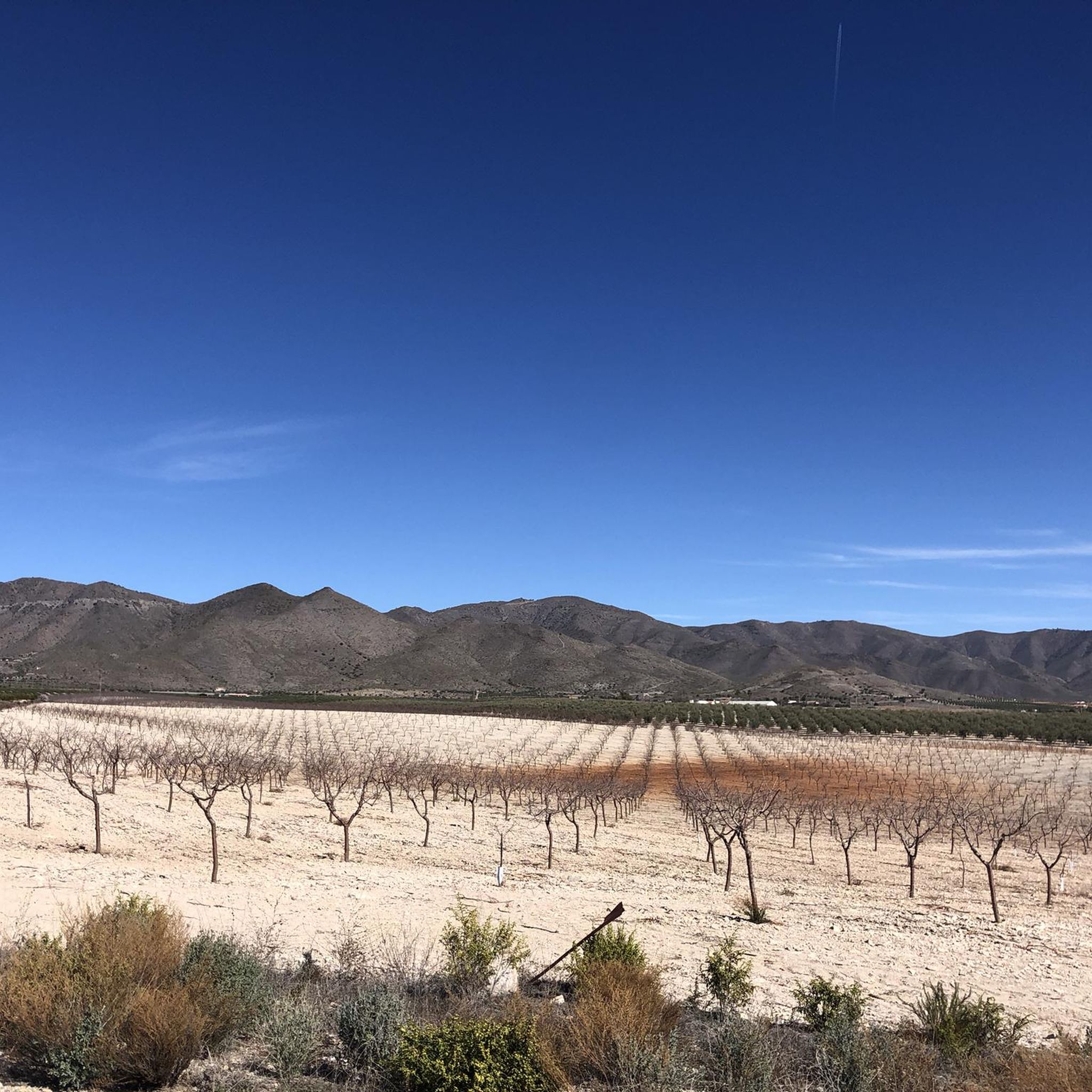
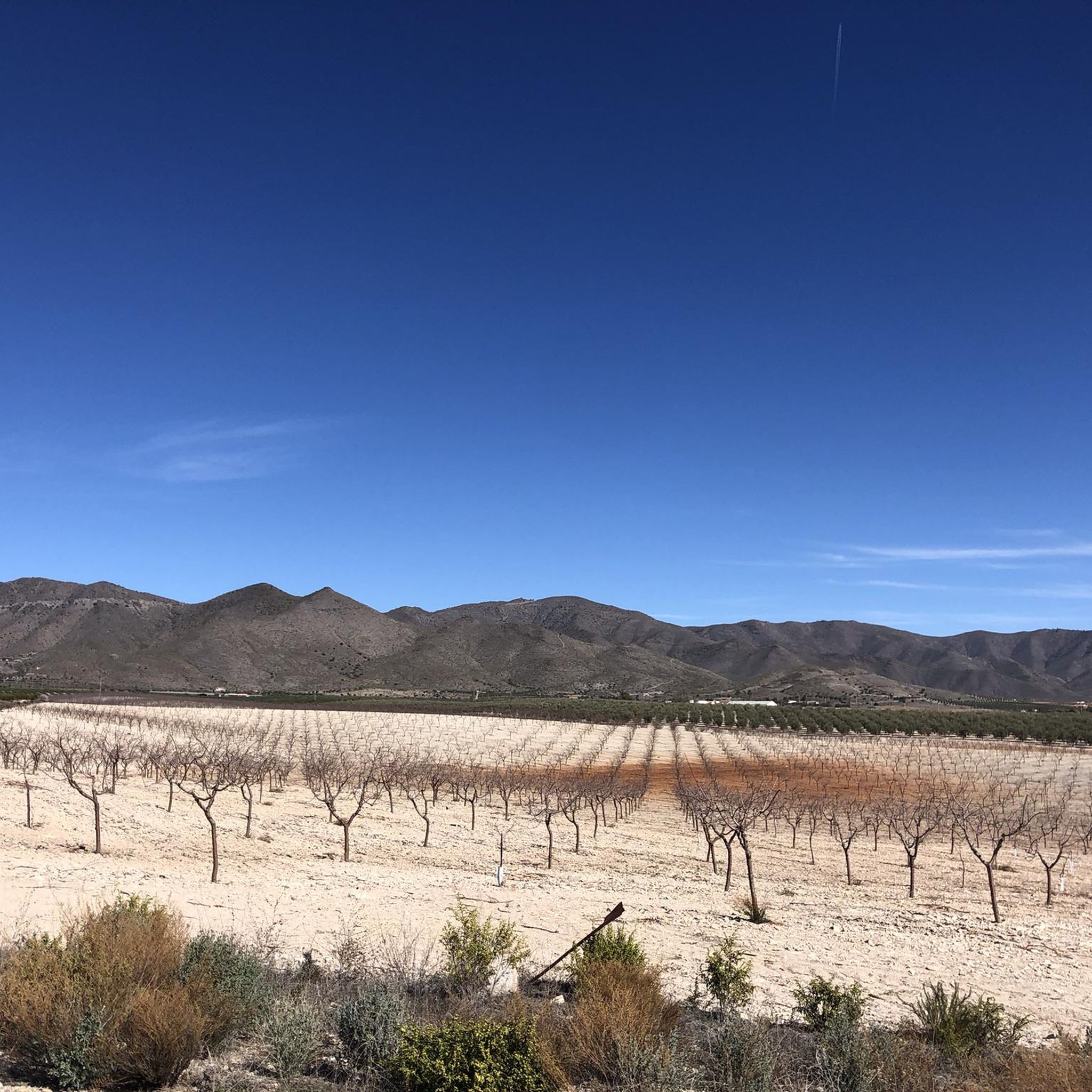
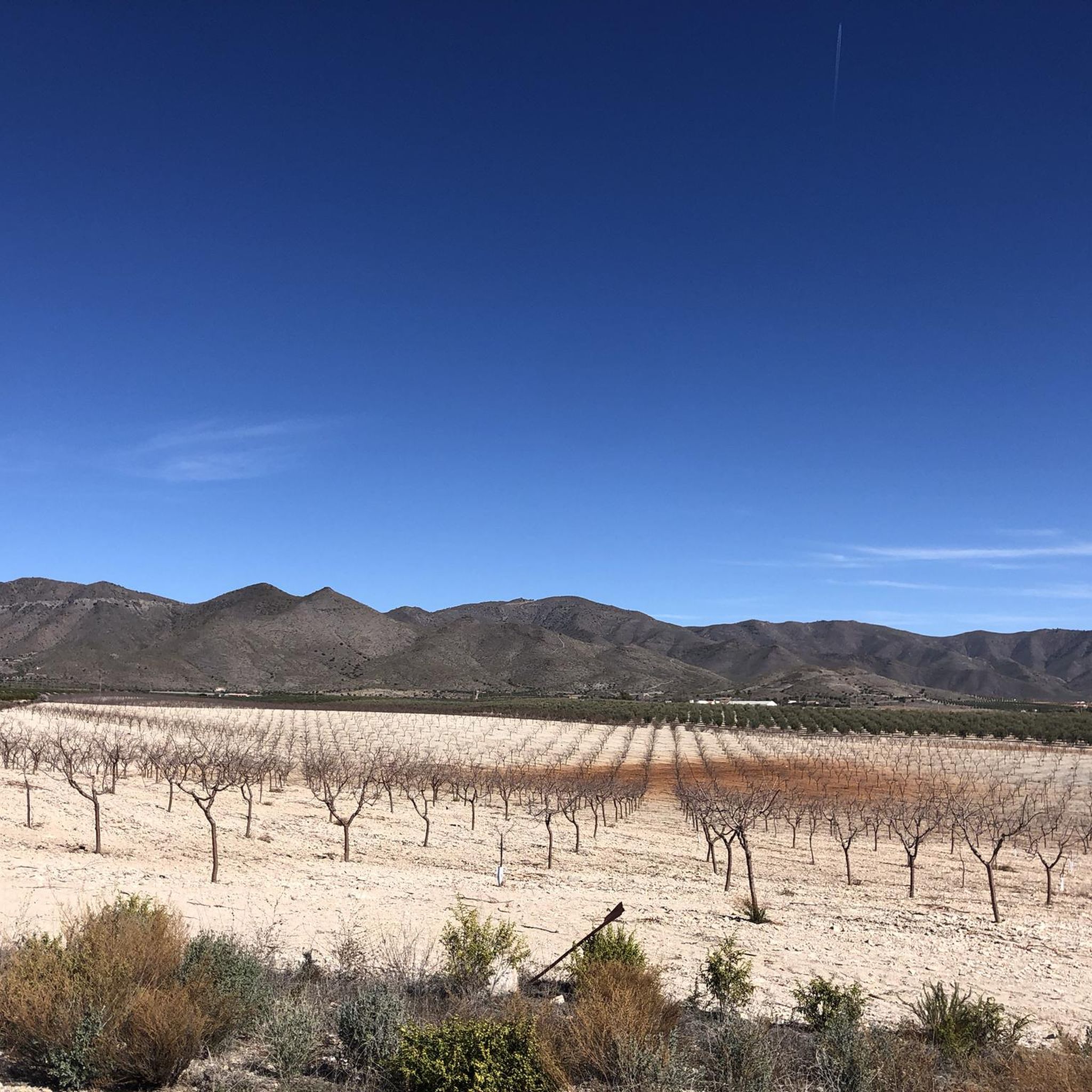
Village situated in the foothills of the Filabres, descending to the depression of Sorbas and near the Campo de Tabernas. Situated on a small elevation, it forms a well-structured round group of buildings in a not unattractive landscape where fields of vineyards, almond and olive trees predominate. The church of St. Mary characterizes the village.
0
0

In 1227, Pastor Juan de Ribas, originally from Colomera (Granada), witnessed the apparition of the Virgin on a hill in the Sierra Morena. He asked her to build a temple in her honor, and a few years later, the devotion led to the construction of a building that still stands today.
0
0

A small village with many olive farmers and a Züger cheese factory, in the local supermarket you can buy the delicacies of the region
0
0

In Macael Viejo there are vestiges of the different cultures that have inhabited the surroundings of the Macael quarries throughout history.
6
0

It is a small municipality in the province of Almería, in the Los Filabres-Tabernas region. The town is located at an altitude of 640 meters, just below the Sierra de los Filabres and especially the Monteagud hill.
1
0
Frequently Asked Questions
What historical sites can I explore in Alcudia De Monteagud?
Alcudia De Monteagud is rich in history. You can visit the 17th-century Iglesia de Nuestra Señora del Rosario with its distinctive Mudejar tower, or the Nazarí-era Torre de Alhabia, a 13th-15th century watchtower. The village also features El Callejón El Patio, an alleyway showcasing its Muslim heritage. Further afield, explore the ruins of Tahal Castle, a 15th-16th century fortress, or the historical site of Macael Viejo, which holds vestiges of various cultures.
Are there any unique cultural experiences or museums in the area?
Yes, Alcudia De Monteagud offers several unique cultural insights. You can visit La Era Grande, the largest cobbled threshing floor in the province, where traditional threshing demonstrations sometimes occur. The village also has a small Ethnographical Museum. For a deeper dive into the region's past, the Museo de Historia Ecológica de Almería, housed in a former mill, is the first of its kind in Europe, focusing on the area's historical and geological changes. Additionally, the Parque de la Piedra Seca, inaugurated in July 2025, celebrates dry stone architecture.
What natural features are prominent around Alcudia De Monteagud?
The village is nestled within the Sierra de los Filabres, offering stunning mountain landscapes. The surrounding area is characterized by vast almond and olive groves, which are particularly beautiful in February when the almond trees are in full bloom. You can also explore El Atalayón, a hill that was once home to a 15th-century watchtower and is now a great spot for hiking, or follow the "Memoria del Agua" interpretive trail around the Barranco de la Fuente, which highlights the history of water in the region.
What kind of outdoor activities can I do near these attractions?
The Sierra de los Filabres provides excellent conditions for various outdoor activities. You can find numerous routes for road cycling, general cycling, and mountain biking. For example, there are challenging road cycling routes like the "Puerto de la Virgen, Albánchez y Lubrín — circular through the Sierra de de los Filabres" or moderate MTB trails such as the "Transandalus: Uleila del Campo Loop." For more details on routes, visit the Road Cycling Routes around Alcudia De Monteagud, Cycling around Alcudia De Monteagud, and MTB Trails around Alcudia De Monteagud guides.
Are there family-friendly attractions or activities in Alcudia De Monteagud?
Yes, several attractions are suitable for families. The village itself, with its historical alleyways like El Callejón El Patio, offers an engaging walk through history. The Ethnographical Museum and the Museo de Historia Ecológica de Almería can also be educational for older children. For outdoor family fun, the Parque de la Piedra Seca is designed to be a themed park. Additionally, the Uleila del Campo settlement is considered family-friendly, as is Tahal Castle, which offers a historical exploration.
When is the best time to visit Alcudia De Monteagud?
The best time to visit depends on your interests. For nature lovers, February is ideal to witness the stunning bloom of the almond trees. May brings the "Alcudia en Flor" event, celebrating local botany and featuring a contest for balconies and facades. The "Rutas del Almendro en Flor" are available between January and March. For hiking and cycling, spring and autumn offer pleasant temperatures, while the village's elevation provides a cooler escape during the summer months.
Where can I find the best panoramic views of the region?
For breathtaking panoramic views, head to La Era Grande, the largest cobbled threshing floor, which offers impressive vistas of the entire valley and much of the Sierra de los Filabres. The village itself, situated at over 1000 meters above sea level, provides stunning views. Additionally, the Virgen de la Cabeza de Monteagud Sanctuary, located at the top of Monteagud Hill, is renowned for its excellent panoramic views, making the climb well worth it.
What is the significance of water in Alcudia De Monteagud's history?
Water has played a central role in Alcudia De Monteagud's history. The village's main water source, known simply as La Fuente (The Source), is historically significant. The Ethnographical Museum is located near circular wells that once collected water from underground galleries. You can also explore the "Memoria del Agua" interpretive trail around the Barranco de la Fuente, which focuses on the history and importance of water in the area, including green spaces and a pond.
Are there any religious sites to visit?
Yes, the Iglesia de Nuestra Señora del Rosario is a prominent religious site in the village, dating back to the 17th century and dedicated to San Roque. Its Mudejar tower is a local landmark. Another significant religious building is the Virgen de la Cabeza de Monteagud Sanctuary, an iconic hermitage built on an old Muslim ribat, which is a center of devotion and hosts an annual mass pilgrimage.
What is the Sierra de los Filabres like for outdoor enthusiasts?
The Sierra de los Filabres, where Alcudia De Monteagud is located, is a mountain range offering ideal conditions for cycling and walking. While now arid, it was historically covered in thick forests. The terrain provides varied routes for different skill levels, from moderate ascents to challenging trails. It's a great area to explore the natural landscape, including almond and olive groves, and enjoy the tranquility of the mountains.
What is Uleila del Campo known for?
Uleila del Campo is a charming settlement on the southern slopes of the Sierra de los Filabres. It's known for its unique natural surroundings, including hills, gullies, and a rare salt flat called "El Salar" with a distinct ecosystem. The town also features the Neo-Romanesque Church of Santa María and the Cueva de la Mora archaeological site, which contains Neolithic remains and cave paintings, offering a blend of natural beauty and historical interest.
Can I visit any castles or fortifications in the vicinity?
Absolutely. Besides the Torre de Alhabia within the village's reach, you can explore the impressive ruins of Tahal Castle. This 15th-16th century castle, though in a state of consolidated ruin, still showcases its large rectangular keep and masonry walls. Another notable fortification is Líjar Castle, a 21st-century construction built in the style of a castle, offering a viewpoint over the town and surrounding plains.
Most popular routes around Alcudia De Monteagud

Get inspired with the komoot mobile app


Explore more
Still not found the Highlight you’re looking for? See guides of the top attractions in other regions:
