Attractions and Places To See around Robledillo De La Jara - Top 20
Best attractions and places to see around Robledillo De La Jara are found in the Sierra Norte of Madrid, a region characterized by its blend of historical landmarks and natural beauty. The area features significant reservoirs like Embalse de El Atazar and Embalse de El Villar, alongside a landscape of rockroses, broom, pines, and oak groves. Visitors can explore traditional industries, cultural sites, and various hiking trails that highlight the region's heritage and environment.
Best attractions and places to see around Robledillo De La Jara
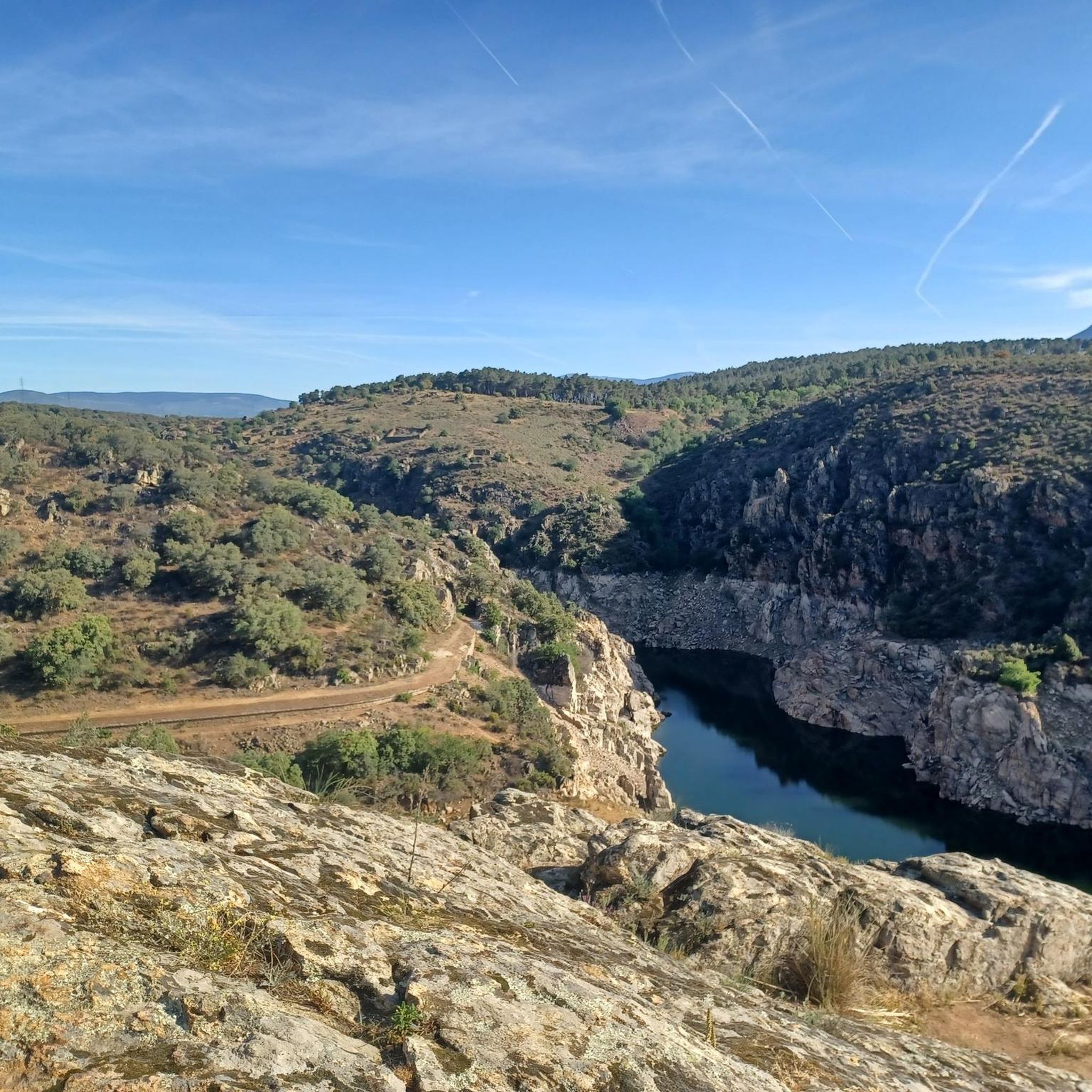
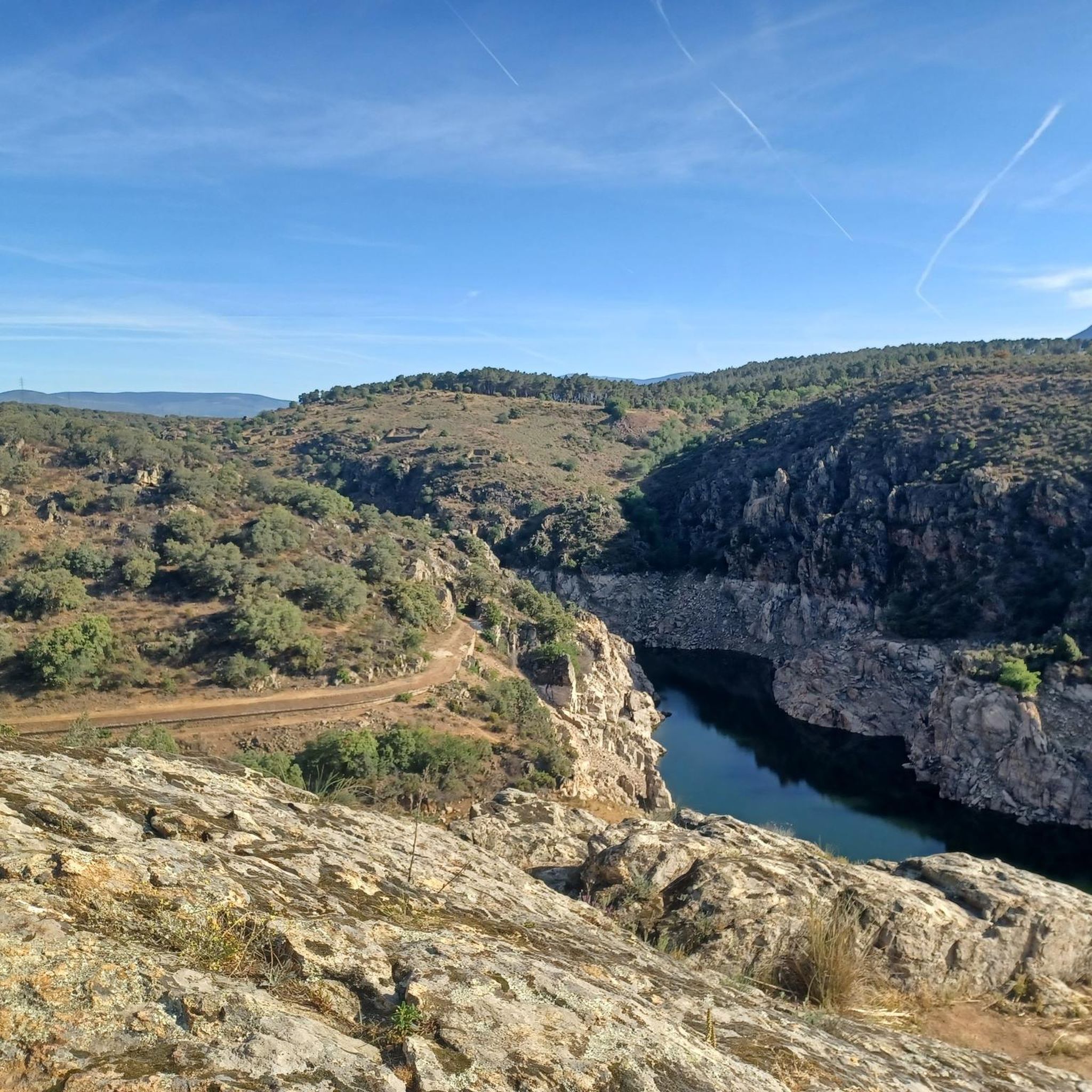
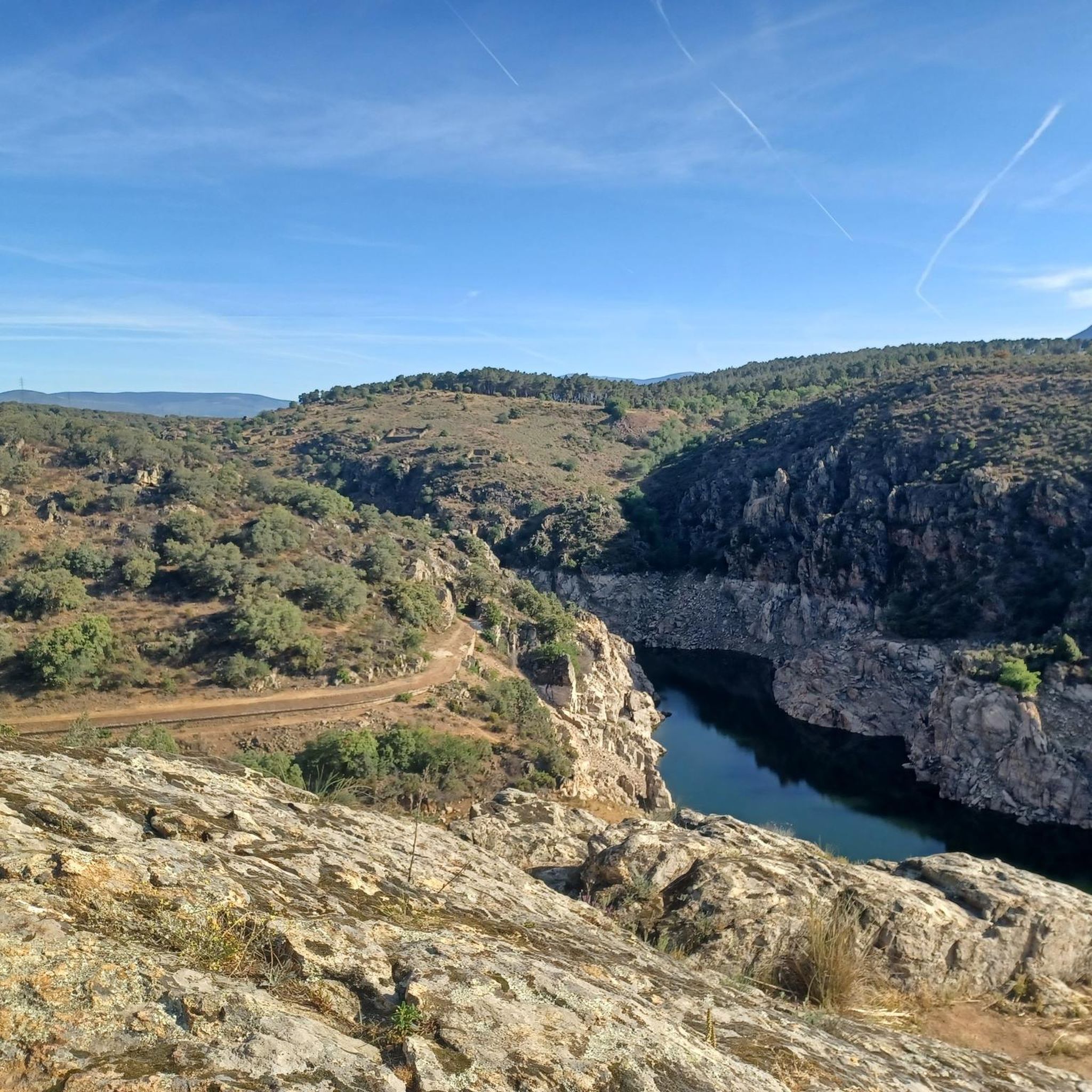
- The most popular attractions is Cancho de la Cabeza Summit, a summit that offers spectacular 360º views of the Atazar reservoir and surrounding mountain ranges. It is known for its accessibility and panoramic vistas, including distant peaks like Peñalara.
- Another must-see spot is Patones de Arriba, a settlement in the Sierra Norte region of Madrid. Its historic center is recognized for its well-preserved "black town" architecture, characterized by the use of slate.
- Visitors also love Pontón de la Oliva Dam and Cliffside Pathways, the oldest dam in Madrid, built in 1857. This historical site offers insights into the region's water supply history and features impressive cliffside pathways.
- Robledillo De La Jara is known for its historical sites, natural viewpoints, and hiking trails. The area offers a variety of attractions to see and explore, from ancient structures to scenic natural features.
- The attractions around Robledillo De La Jara are appreciated by the komoot community, with 87 upvotes and 55 photos shared by visitors.
Last updated: July 7, 2026
Cancho de la Cabeza Summit
Highlight • Summit
Translated by Google •
Tip by

Patones de Arriba
Highlight • Settlement
Translated by Google •
Tip by

Sign up now to discover places like this
Get recommendations on the best single tracks, peaks, & plenty of other exciting outdoor places.
Sign up for free
Pontón de la Oliva Dam and Cliffside Pathways
Highlight • Monument
Since the mid-eighteenth century there was already the idea of supplying water to the court from some of the mighty rivers of the Sierra de Madrid, such as the Lozoya. It is in the middle of the 19th century, when the olive pontoon was selected as the most suitable place to build the first dam in Madrid.
Translated by Google •
Tip by

El Villar Reservoir and Gorge
Highlight • Gorge
Translated by Google •
Tip by

El Berrueco Watchtower
Highlight • Monument
Translated by Google •
Tip by
Sign up for free to discover even more attractions around Robledillo De La Jara.
Sign up for free
Already have an account?
Start today with a free account
Your next adventure awaits.
Login or Signup
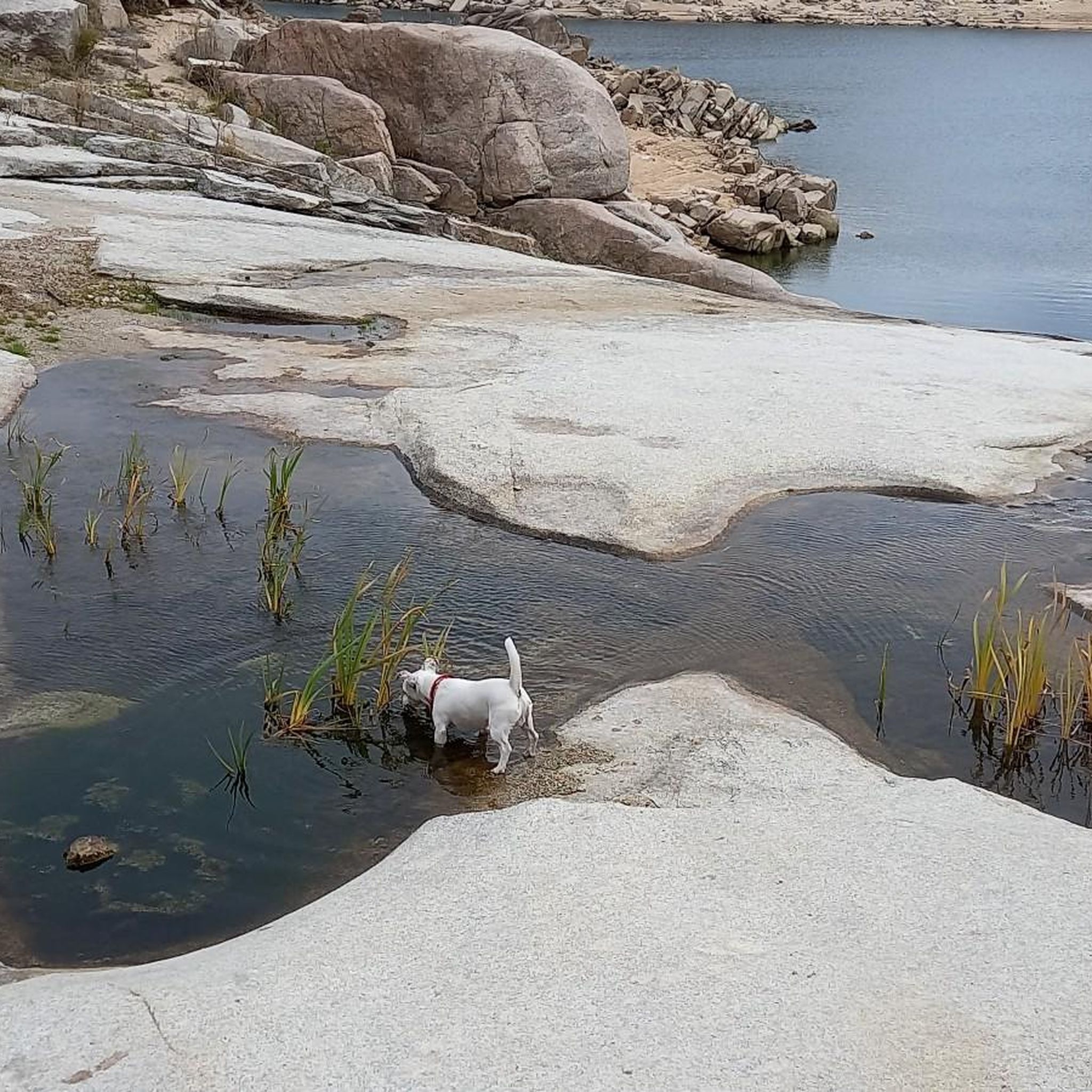

Tips from the Community

start from the dam
1
0

Beautiful place where people go for a walk or to climb.
1
0

The Pontón de la Oliva is a Spanish dam located in the Ayllón mountain range, northeast of the Community of Madrid and northwest of the province of Guadalajara. It was built in 1857 and is currently disused. This dam is the sixth and last in the course of the Lozoya River, and is the oldest of the entire system of dams and canalizations of the Canal de Isabel II. This canal supplies drinking water to Madrid and a large part of the community. The height of the Pontón de la Oliva Dam is approximately 30 meters. If you are interested in exploring the area, there are routes that take you to the Cárcavas de Pontón de la Oliva, a curious geological formation in the Community of Madrid. In addition, you can enjoy a route along the Pontón de la Oliva to the Lozoya River, which offers impressive views. I hope you find this information interesting! 😊
4
0

Spectacular views, generally good climb with some demanding sections before crossing the firebreak. the rest, quite bearable
1
0
Cancho de la Cabeza, the highest peak in the municipality of Patones, rises majestically in the Sierra Norte region of Madrid. This beautiful natural viewpoint offers panoramic views of the El Atazar reservoir and, in the background, you can see the Peña de la Cabra, one of the numerous peaks of the Ayllón mountain range.
2
0
Cancho de la Cabeza, the highest peak in the municipality of Patones, rises majestically in the Sierra Norte region of Madrid. This beautiful natural viewpoint offers panoramic views of the El Atazar reservoir and, in the background, you can see the Peña de la Cabra, one of the numerous peaks of the Ayllón mountain range. Remember that Patones de Arriba is a small “kingdom” near Madrid, full of charm and tradition. Enjoy the natural beauty and stunning views that Cancho de la Cabeza offers! 🏞️🌄
1
0
Do not confuse Patones de Arriba, the town of black architecture that lives off tourism, with Patones de Abajo. The latter was founded after the Spanish Civil War, and most of the Patoneros moved there. Although Patones de Arriba is practically uninhabited today, some older people still cling to their roots. Before visiting Patones de Arriba, keep in mind that parking there is complicated, so I recommend leaving your car in the Patones de Abajo parking lot.
1
1

Be careful with parking tickets. I won't go back there again. You are warned.
1
1
Frequently Asked Questions
What historical sites can I explore around Robledillo de la Jara?
The area is rich in history. You can visit Patones de Arriba, a unique 'black town' known for its slate architecture. Another significant site is the Pontón de la Oliva Dam, Madrid's oldest dam, offering insights into the region's water supply history. Don't miss the El Berrueco Watchtower, an Arab-origin defensive tower from the 9th-10th centuries. Within the village, explore the reconstructed Iglesia de San Pedro Apóstol, the historic Fuente de la Plaza, and the traditional El Potro de Herrar and Pozo Tradicional.
Are there any museums or cultural attractions in Robledillo de la Jara?
Yes, Robledillo de la Jara offers several cultural insights. The Taberna-Museo Etnográfico, housed in a 19th-century peasant dwelling, showcases rural life and agricultural tools. The Museo de las Formas de Vida del Pasado, located in the old brick factory, focuses on traditional industries like ironworking and beekeeping. Additionally, the former communal wash houses have been repurposed into a Micology Interpretation Center and a Laundry Museum.
What natural features and viewpoints can I find near Robledillo de la Jara?
The region boasts impressive natural beauty. The Cancho de la Cabeza Summit offers spectacular 360º views of the El Atazar reservoir and surrounding mountains, including distant peaks like Peñalara on clear days. The El Villar Reservoir and Gorge provides stunning vistas and is one of Madrid's oldest operating dams. You can also visit the Mirador de Robledillo de la Jara for panoramic views of the Dehesa Boyal and distant peaks.
What hiking opportunities are available around Robledillo de la Jara?
The area is excellent for hiking. You can find various trails, including sections of the 'Senda del Genaro' and routes like the 'Senda al embalse de El Villar'. For specific routes, consider the Robledillo de la Jara – El Villar Reservoir and Gorge loop, which is a moderate 8 km hike. Many paths wind through meadows, oak forests, and areas characterized by rockroses and pines.
Are there options for running or mountain biking near Robledillo de la Jara?
Yes, the diverse terrain is suitable for both running and mountain biking. For runners, there are routes like the Robledillo de la Jara loop, a challenging 12 km trail. Mountain bikers can explore routes such as the El Atazar Reservoir loop from Puentes Viejas, an easy 21 km ride, or more difficult options like the Puerto de la Puebla loop.
What is the Embalse de El Atazar, and what can I do there?
The Embalse de El Atazar is a significant reservoir and a major water reserve for the Community of Madrid. It's known for its scenic beauty and offers a 'beach' area in the north of Madrid, making it a popular spot for relaxation and enjoying the water. The reservoir is often visible from viewpoints like the Cancho de la Cabeza Summit.
Are there any family-friendly attractions or activities?
The natural surroundings offer plenty for families. The El Villar Reservoir and Gorge is considered family-friendly, providing scenic views and opportunities for gentle walks. Exploring the charming village of Robledillo de la Jara itself, with its traditional architecture and small museums, can also be an engaging activity for families.
When is the best time to visit Robledillo de la Jara?
The best time to visit largely depends on your preferred activities. Spring and autumn offer pleasant temperatures for hiking and exploring the natural landscapes, with vibrant flora in spring and beautiful foliage in autumn. Summer is ideal for enjoying the reservoirs, though it can be hot. Winter provides a different charm, especially if you enjoy cooler weather and quieter trails.
What unique local industries or products can I discover?
Robledillo de la Jara has a connection to traditional industries. The Museo de las Formas de Vida del Pasado provides insights into past trades like ironworking and charcoal production. You can also visit El Jabardo SAT, a local beekeeping association, which sells local honey products and offers a glimpse into this significant regional industry.
What is the 'black town' architecture mentioned in the region?
The 'black town' architecture refers to a distinctive building style found in the Sierra Norte region, characterized by the extensive use of dark-toned constructive elements, primarily slate. Patones de Arriba is an excellent example of this, with its historic center being one of the best-preserved 'black towns' in Madrid.
Can I see any ancient structures that are sometimes hidden?
Yes, the medieval Puente Romano (Roman Bridge) is a fascinating structure that once connected the banks of the Lozoya River. It is usually submerged under the waters of the Embalse de El Atazar but becomes visible when the reservoir's water levels are low, offering a unique glimpse into the past.
Most popular routes around Robledillo De La Jara
Most popular attractions around Robledillo De La Jara

Get inspired with the komoot mobile app


Explore more
Still not found the Highlight you’re looking for? See guides of the top attractions in other regions:
