Attractions and Places To See around Vilar De Santos - Top 11
Best attractions and places to see around Vilar De Santos include a blend of historical, cultural, and natural sites within the A Limia region of Galicia. This area, part of the "Area de Allariz" Biosphere Reserve, features diverse landscapes from extensive farmlands to forested areas. Visitors can explore the remnants of the former Antela Lagoon and follow various hiking trails. The municipality offers insights into traditional Galician life and Roman history.
Best attractions and places to see around Vilar De…
Last updated: June 29, 2026
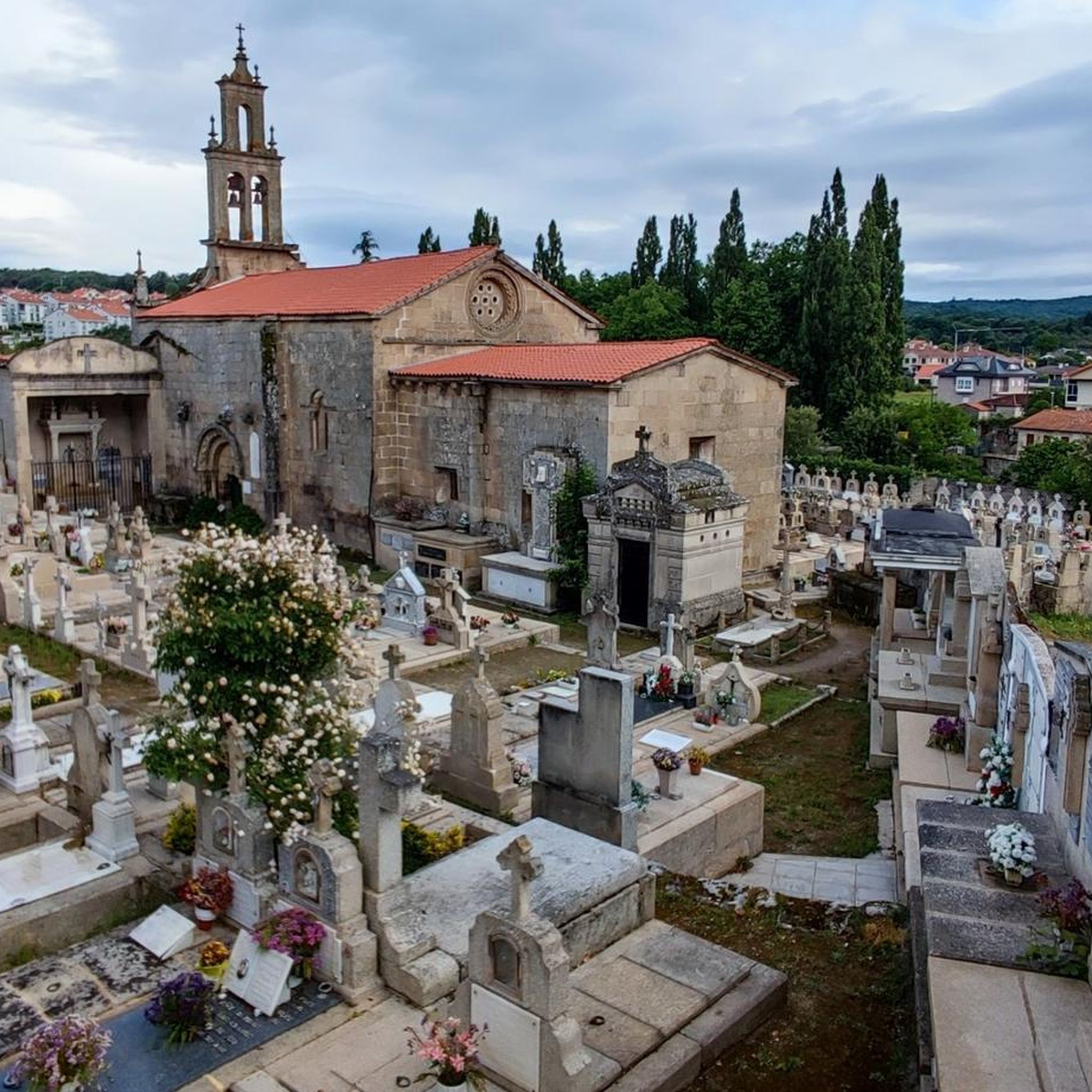
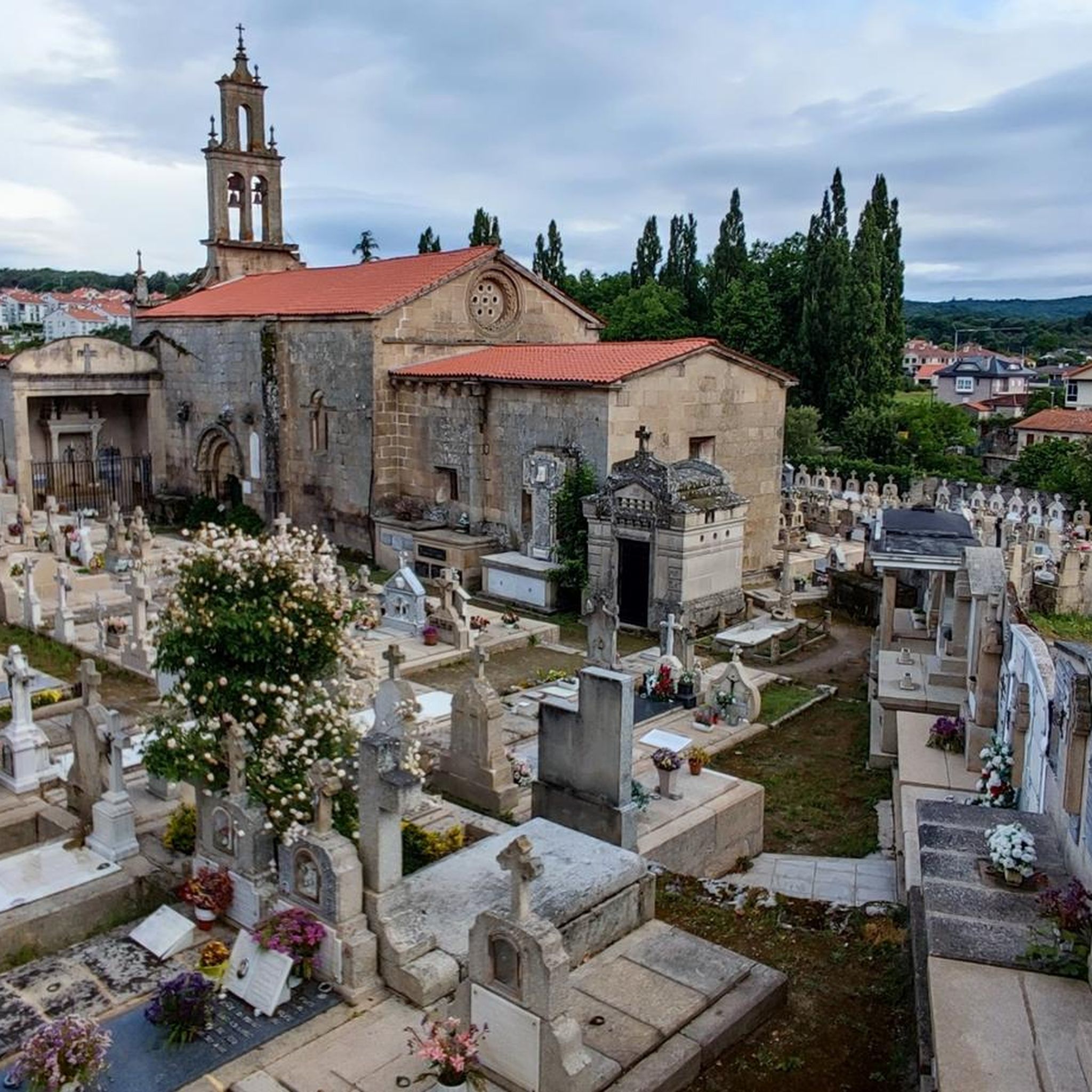
Collegiate Church of Santa María la Real de Xunqueira de Ambía
Highlight • Religious Site
Translated by Google •
Tip by

Allariz Roman Bridge
Highlight • Bridge
Translated by Google •
Tip by

Sign up now to discover places like this
Get recommendations on the best single tracks, peaks, & plenty of other exciting outdoor places.
Sign up for free
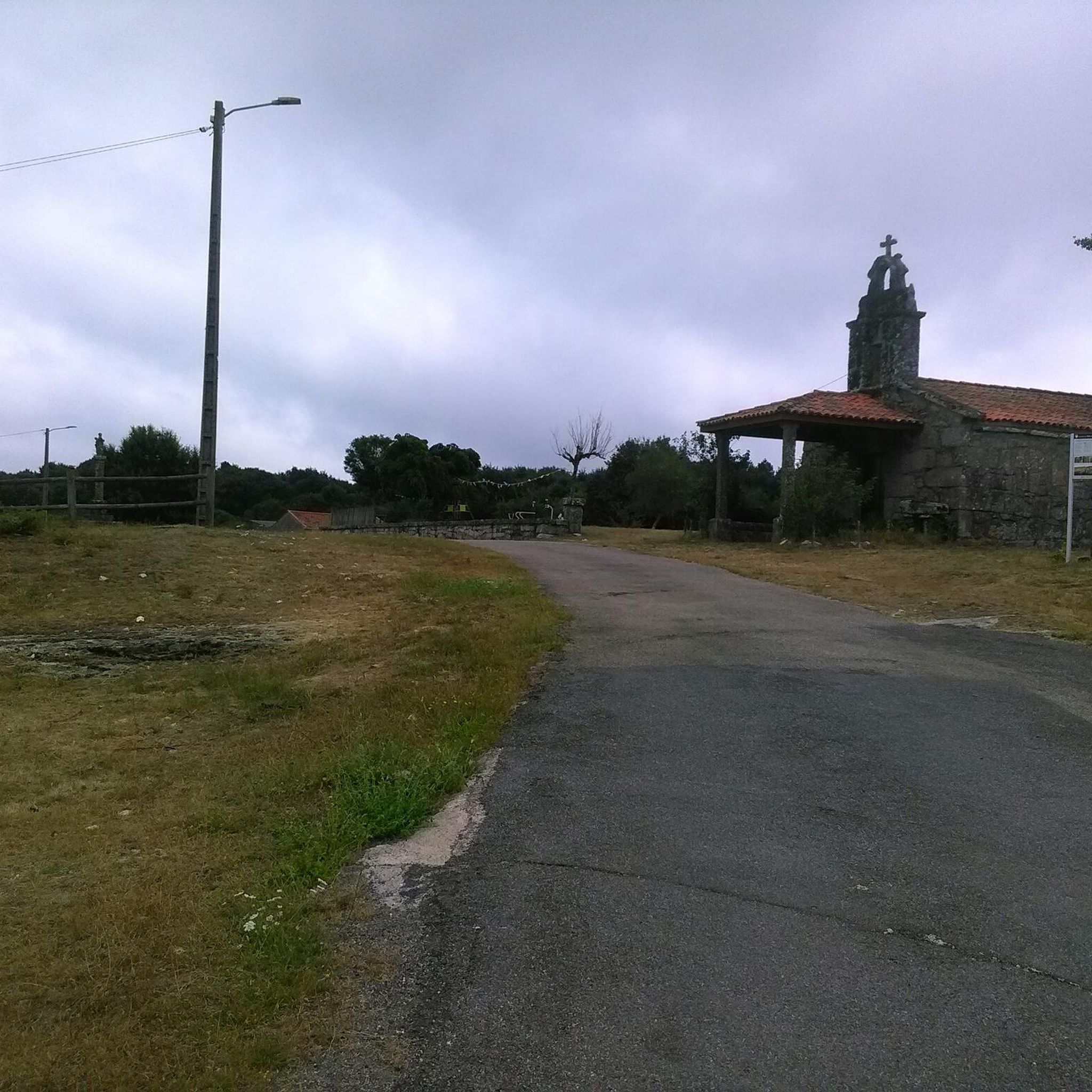
Pilgrims' Hostel of Vila de Pata
Highlight • Rest Area
Translated by Google •
Tip by

Stone Bridge Over the Arnoia River
Highlight • Bridge
Translated by Google •
Tip by

Santa Clara Monastery of Allariz
Highlight • Religious Site
Translated by Google •
Tip by
Sign up for free to discover even more attractions around Vilar De Santos.
Sign up for free
Already have an account?
Start today with a free account
Your next adventure awaits.
Login or Signup


Tips from the Community

collegiate church and monastery with an organ where we can still attend live concerts
2
0
Spectacular collegiate church and monastery in front of the pilgrims' hostel
2
0

Regarding the current work, although modified, we must attribute a Romanesque origin to it and it is known that in the High Middle Ages it was in the custody of the Knights of the Order of Saint John of Jerusalem.
6
0

The path crosses the river Arnoia with roads and trails on each side. Stop and take a cool bath or just rest.
1
0
Small town on the trade route between Allariz and Baños de Molgas, where you can find the Collegiate Church of Santa María La Real, from the 12th century, in Romanesque style, a sample of religious architecture.
1
0
In the main square and garden of A Barreira in Allariz there is a small museum of sacred art in the monastery of Santa Clara. The 13th century monastery is a beautiful example of the first religious buildings in Galicia.
1
0

The Roman bridge of Vilanova, which crosses the Arnoia river as it passes through Allariz, initially in late-Roman style, was located on a secondary Roman road, starting from the Aquae Originae road. Due to the multitude of people who crossed or spent the night in its surroundings, a hermitage was founded where the Church of Santa María de Vilanova is currently located.
2
0
Puente de Vilanova, Romanesque bridge over the Arnoia river in Allariz.
1
1
Frequently Asked Questions
What historical and cultural sites can I explore in Vilar de Santos?
Vilar de Santos is rich in history and culture. You can visit the Museo Etnográfico da Limia, housed in an 18th-century rectory, which showcases the traditional life of the A Limia region. Other notable sites include the medieval Iglesia de San Xoán, which was meticulously relocated stone by stone, and the restored Aldea de Saa, a didactic village highlighting traditional architecture. The area also features Roman milestones (miliarios) and several traditional Galician manor houses (pazos).
Are there any museums in Vilar de Santos?
Yes, the primary museum in the area is the Museo Etnográfico da Limia. It's dedicated to the traditional life, knowledge, and history of the A Limia region, including the vanished Antela Lagoon. Guides are often local residents who share personal stories, offering a unique insight into the area's heritage.
What natural features define the landscape around Vilar de Santos?
The landscape around Vilar de Santos is characterized by the agricultural plains of the A Limia region, with extensive fields of potatoes, cereals, and onions. It's also on the edge of what was once the vast Antela Lagoon. You can visit "As Pozas da Lagoa" (the pools of the lagoon), a small re-emerging wetland that supports diverse birdlife. The area also features the Limia, Arnolla, and Orille rivers, and forested areas known as "bosqueiras" with native oak and chestnut groves.
Are there hiking trails to explore the natural beauty of Vilar de Santos?
Absolutely. Vilar de Santos offers several well-marked hiking trails, such as the Sendeiro de Castelaus (5.1 km circular), Sendeiro de Parada (6.5 km and 11 km options), and Sendeiro do Ruxidoiro (3.7 km). These trails allow you to discover secret spots and the area's diverse flora and fauna. For more options, you can find various hiking routes around the region on komoot, including Hiking around Vilar De Santos.
What kind of outdoor sports can I do near Vilar de Santos?
Beyond hiking, the region around Vilar de Santos is suitable for various outdoor activities. You can find numerous routes for running, such as those listed in Running Trails around Vilar De Santos, and mountain biking, with options available in MTB Trails around Vilar De Santos. The relatively flat terrain in some areas also makes it suitable for cycling.
Are there family-friendly attractions or activities in the Vilar de Santos area?
Yes, several attractions are suitable for families. The Museo Etnográfico da Limia offers an engaging look into local history. Exploring the restored Aldea de Saa can be an educational experience. Many of the hiking trails, especially the shorter, flatter sections, are also suitable for families. Additionally, highlights like the Allariz Roman Bridge and the Stone Bridge Over the Arnoia River are great for a family outing, with the latter offering spots for resting by the river.
What is the best time of year to visit Vilar de Santos?
The best time to visit Vilar de Santos largely depends on your interests. Spring and autumn offer pleasant temperatures for hiking and exploring the natural landscapes, with lush greenery in spring and vibrant colors in autumn. Summer is ideal for enjoying local festivals like the Festa da Pataca and for outdoor activities, though it can be warmer. The region's agricultural cycle also offers different scenic views throughout the year.
What are some unique local traditions or events in Vilar de Santos?
Vilar de Santos is known for its Festa da Pataca (Potato Festival), a long-standing fair celebrating the potato, which is a key economic driver for the A Limia region. This festival offers a great opportunity to experience local culture, food, and community spirit.
Can I see any Roman historical remnants in the area?
Yes, the area has a significant Roman presence. Parada de Outeiro was once an important 'Villa,' and the ancient Vía Nova (Roman road XVIII), connecting Braga and Astorga, traversed the southern part of Vilar de Santos. You can still find several miliarios (milestones) from this Roman route, offering a tangible link to the past.
What are some of the most appreciated attractions by visitors around Vilar de Santos?
Visitors particularly appreciate the blend of historical and natural sites. The Collegiate Church of Santa María la Real de Xunqueira de Ambía is highly regarded for its architecture and the opportunity to attend live organ concerts. The historical significance of the Allariz Roman Bridge and the serene atmosphere of the Santa Clara Monastery of Allariz are also very popular. The natural beauty of the Arnoia river, especially near the Stone Bridge Over the Arnoia River, is often highlighted for its enchanting spots.
Are there any religious buildings of note in the Vilar de Santos region?
Yes, the region features several significant religious buildings. The Collegiate Church of Santa María la Real de Xunqueira de Ambía is a spectacular collegiate church and monastery. The Iglesia de San Xoán, a medieval church from the 12th century, is also historically important. Additionally, the Santa Clara Monastery of Allariz, dating back to the 13th century, is a beautiful example of early religious architecture in Galicia and houses a small museum of sacred art.
Most popular routes around Vilar De Santos

Get inspired with the komoot mobile app


Explore more
Still not found the Highlight you’re looking for? See guides of the top attractions in other regions:
