Attractions and Places To See around El Pont De Bar - Top 20
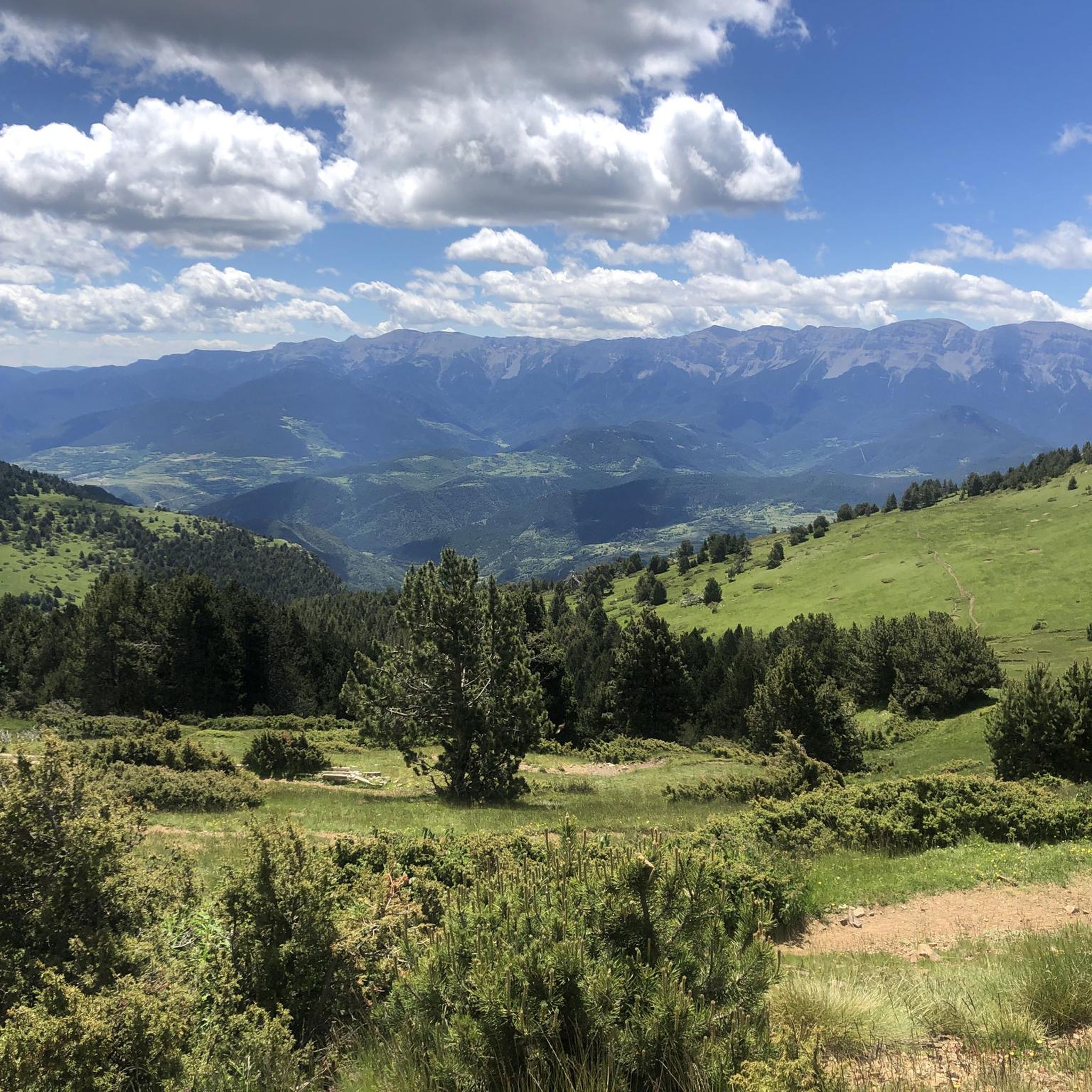
Best attractions and places to see around El Pont De Bar, a Pyrenean municipality in Catalonia, offer a blend of historical, cultural, and natural sites. The area is characterized by its mountain landscape, the Segre River, and a rich Romanesque heritage. Visitors can explore ancient churches, medieval ruins, and unique cultural institutions, alongside numerous trails for outdoor activities. This region provides diverse points of interest for those seeking both historical exploration and natural beauty.
Best attractions and places to see around El Pont De Bar
- The most popular attractions is Madriu-Perafita-Claror Valley, a gorge that is part of the UNESCO World Heritage since 2004. It offers impressive views and features signs of historical pasture farming and iron production.
- Another must-see spot is Gosolans Pass, a mountain pass located at an altitude of about 2,400 meters in the Sierra del Cadí. This mythical pass connects Cerdanya with Berguedá and is a significant point on the Cavalls del Vent route.
- Visitors also love Refugi de l'Illa, a hut located in the heart of the Madriu-Perafita-Claror valley. This refuge provides accommodation and catering services, with rooms offering views of the surrounding landscape.
- El Pont De Bar is known for its Romanesque churches, medieval castles, and natural features like the Segre River. The region offers a variety of attractions to see and explore, from historical landmarks to scenic mountain passes.
- The attractions around El Pont De Bar are appreciated by the komoot community, with more than 60 upvotes and 19 photos shared by visitors.
Last updated: July 6, 2026
Madriu-Perafita-Claror Valley
Highlight • Gorge
Translated by Google •
Tip by

Gosolans Pass
Highlight • Mountain Pass
Translated by Google •
Tip by

Sign up now to discover places like this
Get recommendations on the best single tracks, peaks, & plenty of other exciting outdoor places.
Sign up for free
Refugi de l'Illa
Highlight • Mountain Hut
Translated by Google •
Tip by

Cathedral of Saint Mary of La Seu d'Urgell
Highlight • Religious Site
We can visit the museum.
Translated by Google •
Tip by

Coll de Josa
Highlight • Mountain Pass
Translated by Google •
Tip by

Sign up for free to discover even more attractions around El Pont De Bar.
Sign up for free
Already have an account?
Start today with a free account
Your next adventure awaits.
Login or Signup


Tips from the Community

Mountain hut for overnight stay at 2488 m altitude. Very functional, good food. You sleep in 8-bed rooms.
0
0

A jewel of Catalan Romanesque architecture and one of the most impressive in the Pyrenees. Its austere façade, stone cloister and the silence of the interior convey history and serenity in equal parts. Located in the heart of La Seu, surrounded by lively streets, terraces and shops. By mountain bike, it is a perfect cultural stop before or after a route through the Cadí or Segre: there are bike parking spaces nearby and fountains to fill your tank. Tip: avoid peak hours and get there early or at dusk, when the light caresses the stone and the atmosphere is pure charm.
0
0

The Cathedral of La Seu d'Urgell is a large Romanesque church from the 12th century and is unique in this style in all of Catalonia.
0
0

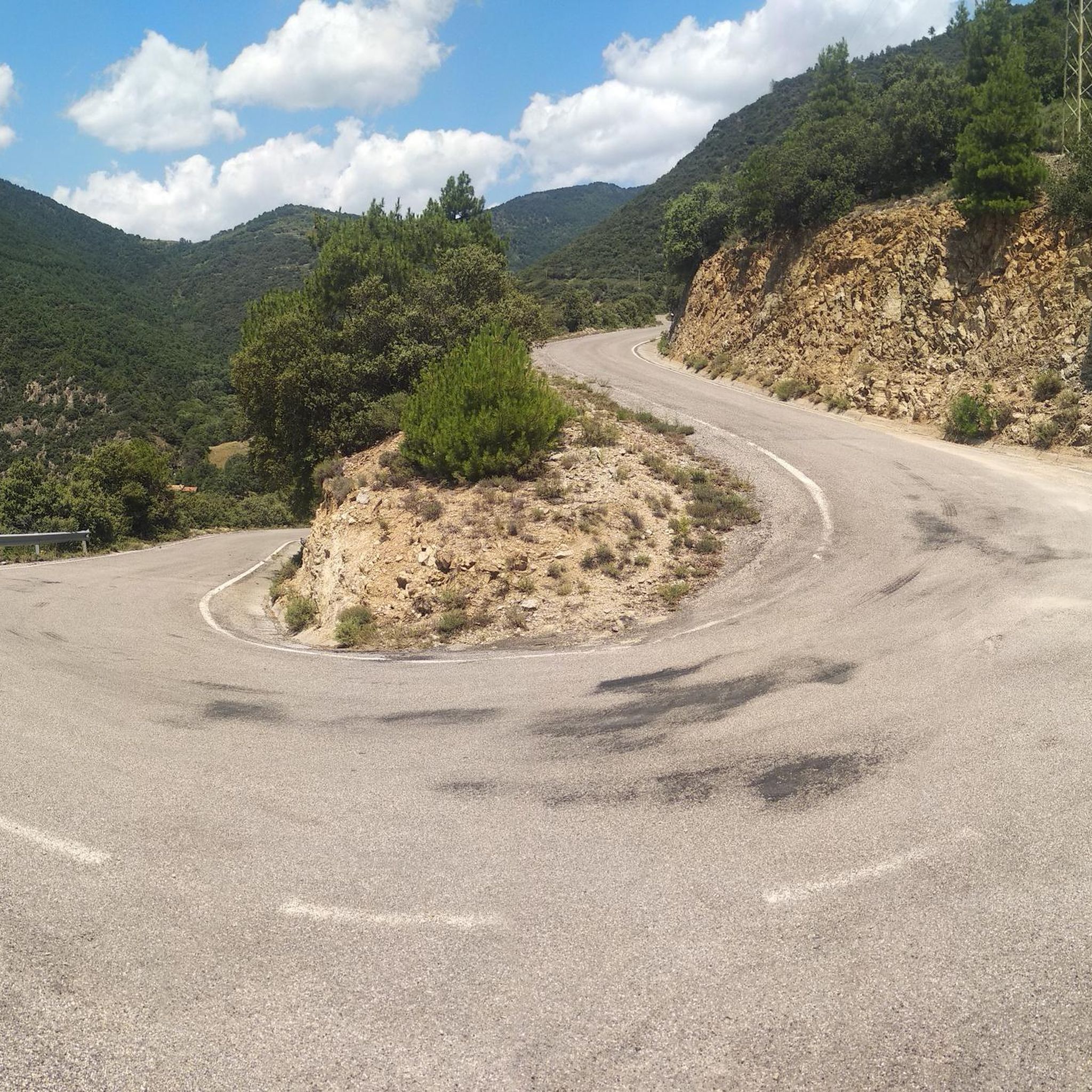
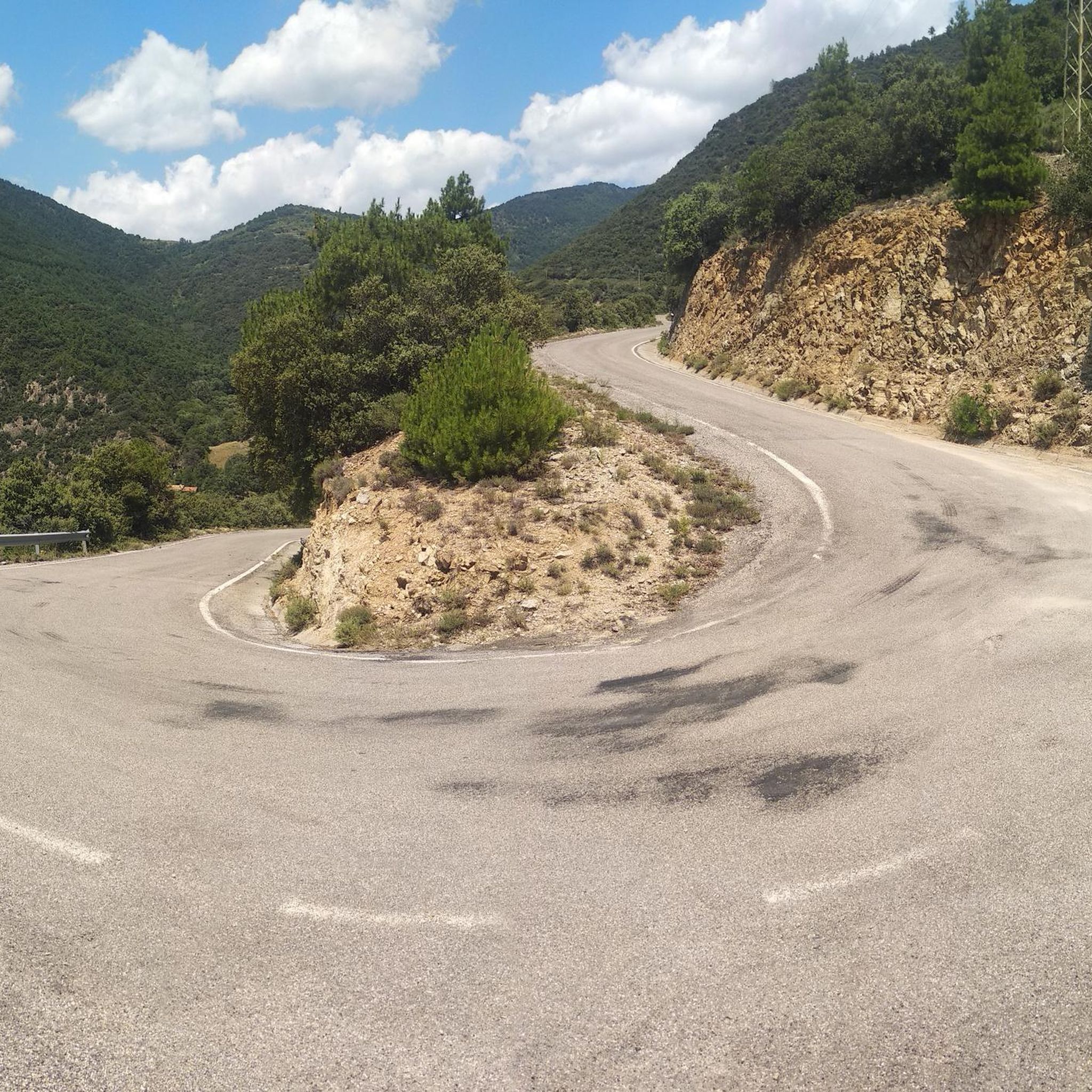
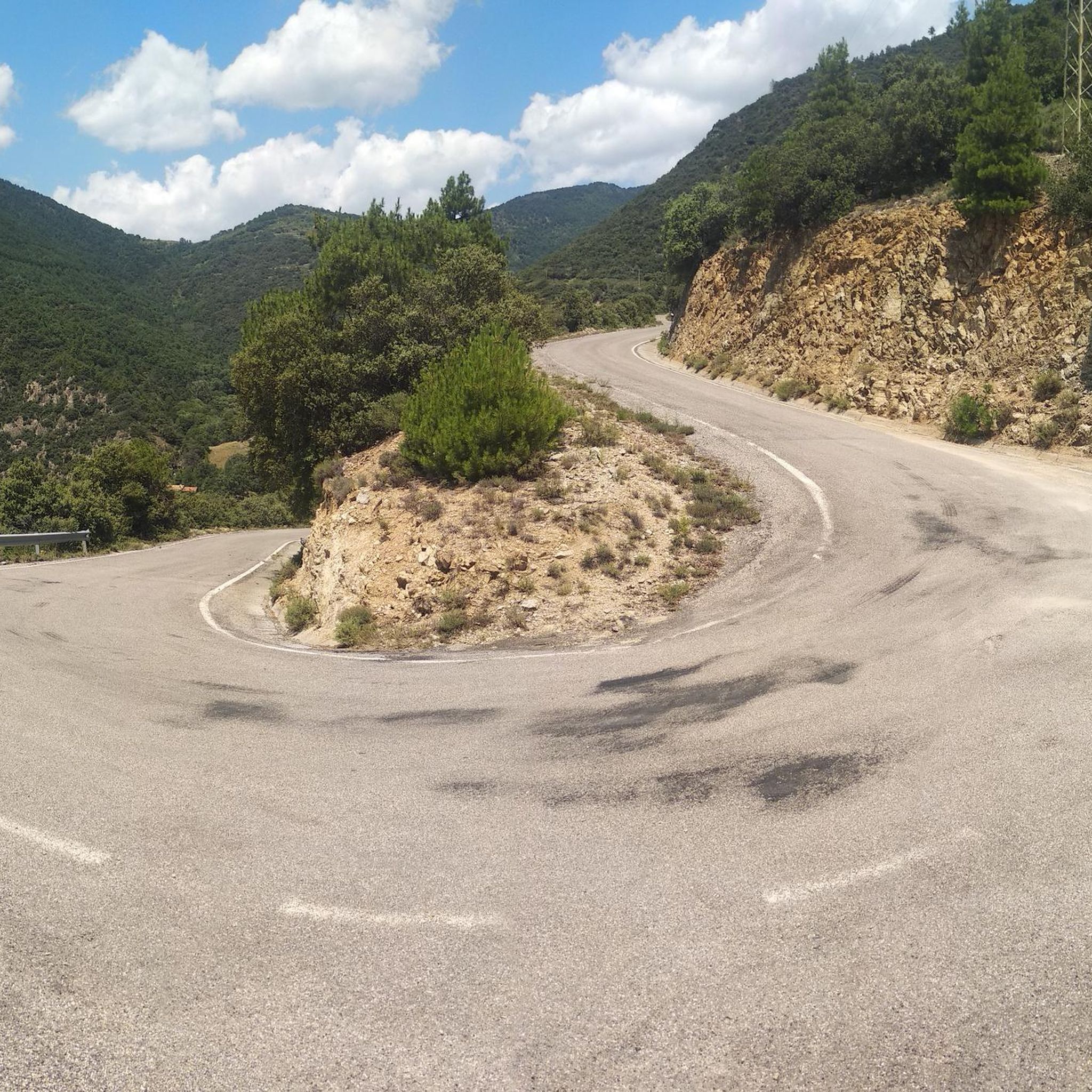
Coll de Josa, between Gòsol and Josa del Cadí. Inflection point on the road, you go up here and from here you go down.
1
1

Coll de Josa from Tuixent is a climb in the Spanish Pyrenees region. It has a length of 11.2 kilometers and an ascent of 517 vertical meters with an average gradient of 4.6%, the top of the ascent is located at 1630 meters above sea level.
1
1

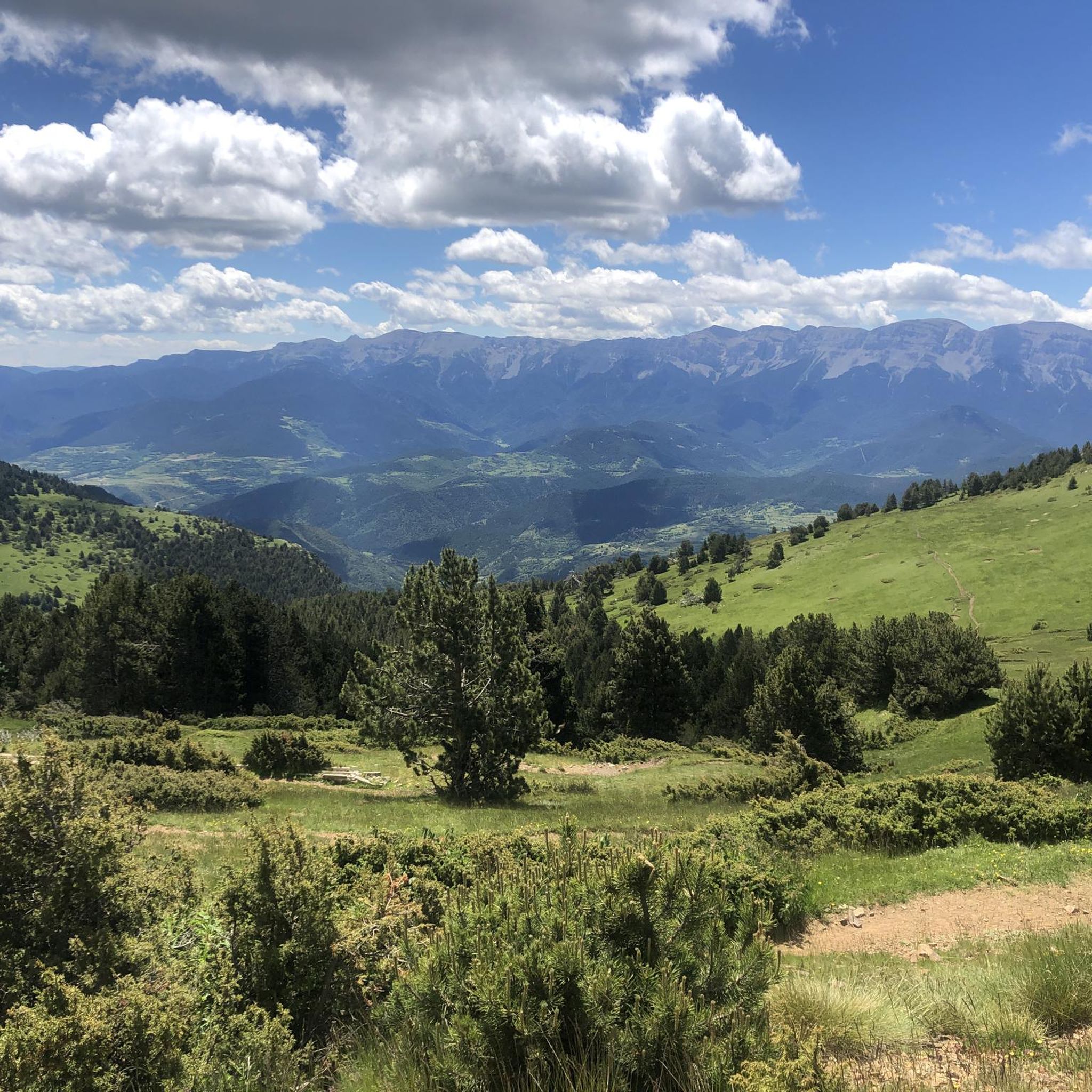
The Vall del Madriu-Perafita-Claror was added to the UNESCO World Heritage list as a cultural landscape in 2004. According to UNESCO, it gives an impression of how people have used the scarce resources of the High Pyrenees over the last millennia to create a sustainable living environment that is in harmony with the mountain landscape. The protected area covers an area of 4,247 hectares in the municipalities of Encamp, Escaldes-Engordany, Andorra la Vella and Sant Julià de Lòria. There are two natural parks in Andorra. The Parc Natural de la Vall de Sortey has an area of 1080 hectares and is located in the municipality of Ordino. The Parc Natural Comunal de les Valls del Comapedrosa, which belongs to the municipality of La Massana, covers the Comapedrosa mountain range and is 1542 hectares in size. https://de.wikipedia.org/wiki/Andorra
2
0

Refuge that is located at the top of the protected area of the Vall de Madriu and that gives us beautiful views of the valley when working towards the bottom of the valley.
1
0

Like the Coll de Port, this pass of the Coll de la Josa is another beautiful pre-Pyrenean pass, where you breathe tranquility and where you travel through a spectacular and remote high mountain landscape. Both slopes are manageable, with the west slope starting in the beautiful village of Tuixent being the longest. The slope that leaves Gòsol is very short and with intermediate ramps. The road is in perfect condition and is not particularly narrow. The road to Coll de Port is narrower.
0
0
Frequently Asked Questions
What historical and cultural sites can I explore in El Pont de Bar?
El Pont de Bar is rich in history. You can visit several Romanesque churches, such as Sant Andreu de Aristot, Sant Esteve de Bar, and the recently restored Sant Joan de Sobeig. The Gothic Church of Sant Gervasi de Castellnou de Carcolze is also notable. Explore the ruins of medieval castles like Aristot and Castellnou de Carcolze. Don't miss the unique Cathedral of Saint Mary of La Seu d'Urgell, a Romanesque masterpiece. The village of Toloriu also holds a fascinating legend about an Aztec princess.
Are there any museums or unique cultural attractions in the area?
Yes, El Pont de Bar is home to the Museum of the Vine and Mountain Wine, which delves into the region's viticulture history. This museum highlights how vineyards once thrived from the Segre riverbanks up to the villages of Aristot and Castellnou de Carcolze. Additionally, you can discover the enigmatic Magic Labyrinth, an outdoor sculpture park by artist Climent Olm, set within a large forest.
What natural features and viewpoints should I see around El Pont de Bar?
The region offers stunning natural beauty. The Madriu-Perafita-Claror Valley, a UNESCO World Heritage site, provides impressive views and insights into historical pasture farming. The Gosolans Pass, at about 2,400 meters in the Sierra del Cadí, is a mythical viewpoint connecting Cerdanya with Berguedá. Another excellent viewpoint is Coll de Josa (1620 m), offering privileged vistas of the Valls valley and Gósol.
What outdoor activities can I do near El Pont de Bar?
El Pont de Bar is an excellent base for outdoor enthusiasts. The mountainous landscape and the Segre River provide numerous opportunities for hiking, mountain biking, and road cycling. You can find a variety of routes, including challenging mountain bike trails like the 'Cadí-Moixeró Loop' or scenic road cycling routes such as the 'Bellver de Cerdanya – Collada de Toses Pass loop'. For more details on specific routes, explore the Road Cycling Routes around El Pont De Bar, MTB Trails around El Pont De Bar, and Running Trails around El Pont De Bar guides.
Are there hiking trails suitable for different difficulty levels?
Yes, the area around El Pont de Bar offers a range of hiking trails. While many routes, especially those leading to mountain passes like Gosolans Pass, are considered challenging, there are also intermediate options. The Running Trails around El Pont De Bar guide includes routes with varying difficulty grades, from moderate to difficult, allowing you to choose based on your experience.
What is the best time of year to visit El Pont de Bar?
El Pont de Bar is an ideal destination for those seeking both cultural enrichment and outdoor activities, making it enjoyable across multiple seasons. Spring and autumn offer pleasant temperatures for hiking and exploring historical sites. Summer is perfect for enjoying the mountain landscape and outdoor pursuits, while the winter months can transform the area into a snowy wonderland, though some higher passes might be less accessible.
Are there any family-friendly attractions or activities?
While specific family-focused activities aren't detailed, the region's numerous trails and natural beauty offer great opportunities for family outings. The Cathedral of Saint Mary of La Seu d'Urgell is listed as family-friendly. Exploring the Romanesque churches and the Magic Labyrinth can also be engaging for families. Gentle walks along the Segre River are also an option.
Where can I find accommodation or places to rest during my outdoor adventures?
For those embarking on longer treks, the Refugi de l'Illa is a well-equipped mountain hut located in the heart of the Madriu-Perafita-Claror valley. It offers accommodation, catering services, and facilities like bunk beds, mattresses, showers, and toilets. For relaxation after a day of activities, the Balneari de Sant Vicenç is a spa with sulphurous thermal waters.
What do visitors enjoy most about the attractions around El Pont de Bar?
Visitors particularly appreciate the impressive views from locations like the Madriu-Perafita-Claror Valley and the challenging yet rewarding experience of reaching mountain passes such as Gosolans Pass. The historical significance of the Romanesque architecture, like the Cathedral of Saint Mary of La Seu d'Urgell, and the unique cultural insights provided by places like the Museum of the Vine and Mountain Wine are also highly valued.
Can I find routes for mountain biking in El Pont de Bar?
Absolutely. El Pont de Bar is well-suited for mountain biking, with a variety of trails available. The MTB Trails around El Pont De Bar guide features several routes, including the challenging 'Cadí-Moixeró Loop' and routes connecting to refuges like 'Cap del Rec Refuge – Refugi del Pradell (2,100 m) loop'.
What is the significance of the Segre River in El Pont de Bar?
The Segre River is a defining natural feature of El Pont de Bar. It has significantly shaped the municipality's landscape and historically played a role in the region's viticulture, with vineyards once extending from its banks. The river contributes to the area's lush environment and provides a scenic backdrop for many outdoor activities.
Are there any specific historical events tied to El Pont de Bar?
Yes, the original village of El Pont de Bar has a notable historical event tied to it: it was largely destroyed by severe floods in 1982. The village was subsequently rebuilt slightly downstream and at a higher elevation, marking a significant moment in its recent history.
Most popular routes around El Pont De Bar
Most popular attractions around El Pont De Bar

Get inspired with the komoot mobile app


Explore more
Still not found the Highlight you’re looking for? See guides of the top attractions in other regions:
