Attractions and Places To See around Porcuna - Top 17
Best attractions and places to see around Porcuna, a village in the province of Jaén, Andalusia, showcase its diverse past and natural beauty. The region is characterized by its historical significance, including ancient archaeological sites and religious buildings. Porcuna is surrounded by vast olive groves, a defining feature of the Jaén province. Visitors can explore a range of cultural and historical points of interest within the town and its vicinity.
Best attractions and places to see around Porcuna
- The most…
Last updated: May 26, 2026
Castillo de Lopera
Highlight • Castle
Translated by Google •
Tip by

Pilar de Villardompardo
Highlight • Structure
Translated by Google •
Tip by

Sign up now to discover places like this
Get recommendations on the best single tracks, peaks, & plenty of other exciting outdoor places.
Sign up for free
Bridge over the Guadalquivir River in Castro del Río
Highlight • Bridge
Translated by Google •
Tip by

Church of Santa María, Arjona
Highlight • Religious Site
Translated by Google •
Tip by

Church of the Assumption of Our Lady, Porcuna
Highlight • Religious Site
Translated by Google •
Tip by

Sign up for free to discover even more attractions around Porcuna.
Sign up for free
Already have an account?
Start today with a free account
Your next adventure awaits.
Login or Signup

Tips from the Community

This spring is as old as life itself, as it gave rise to the human settlement whose current name is Villardompardo, a town about 20 km from the capital. This spring is the result of the union of another spring with low salinity, but when they merge, the water becomes drinkable. Like most naturally flowing springs, it has no sanitary treatment, but it has been consumed by the town's residents for centuries and has never caused any problems.
6
0

In Lopera, we find one of the best examples of castles built by the Military Order of Calatrava in the province of Jaén. Declared a Cultural Monument in 1991, this fortress retains its original walled enclosure, although over the years it has also served as a residence and, in the mid-20th century, even as a winery.
0
0
Porcuna is a small town and a municipality (municipio) in southern Spain with 5,907 inhabitants (as of 2024) in the west of the province of Jaén in the autonomous community of Andalusia.
0
0

The history of Arjona is as rich as its cultural and monumental heritage that overlooks the Guadalquivir Valley from a gentle hill.
5
0

Arjona is a small town focused on the production of olive oil. The integration of the olive tree into the landscape, the economy and the way of life of the locals throughout the centuries. Its name derives from the ancient Urgavo or Urgao Alba from Roman times.
2
1
The castle was built by the Order of Calatrava to guard the trade route over the Guadalquivir River and is defended by five towers.
1
0

Castle from the time of the Castilian conquest, located in the municipality of Lopera, province of Jaén (Spain). It is located in the center of the town occupying a considerable extension of the urban area.
0
0

Historic bridge that crosses the Guadalquivir River, in the town of De Castro del Rio, before beginning the ascent towards the Cardeña natural park.
1
1
Frequently Asked Questions
What historical sites can I explore in Porcuna?
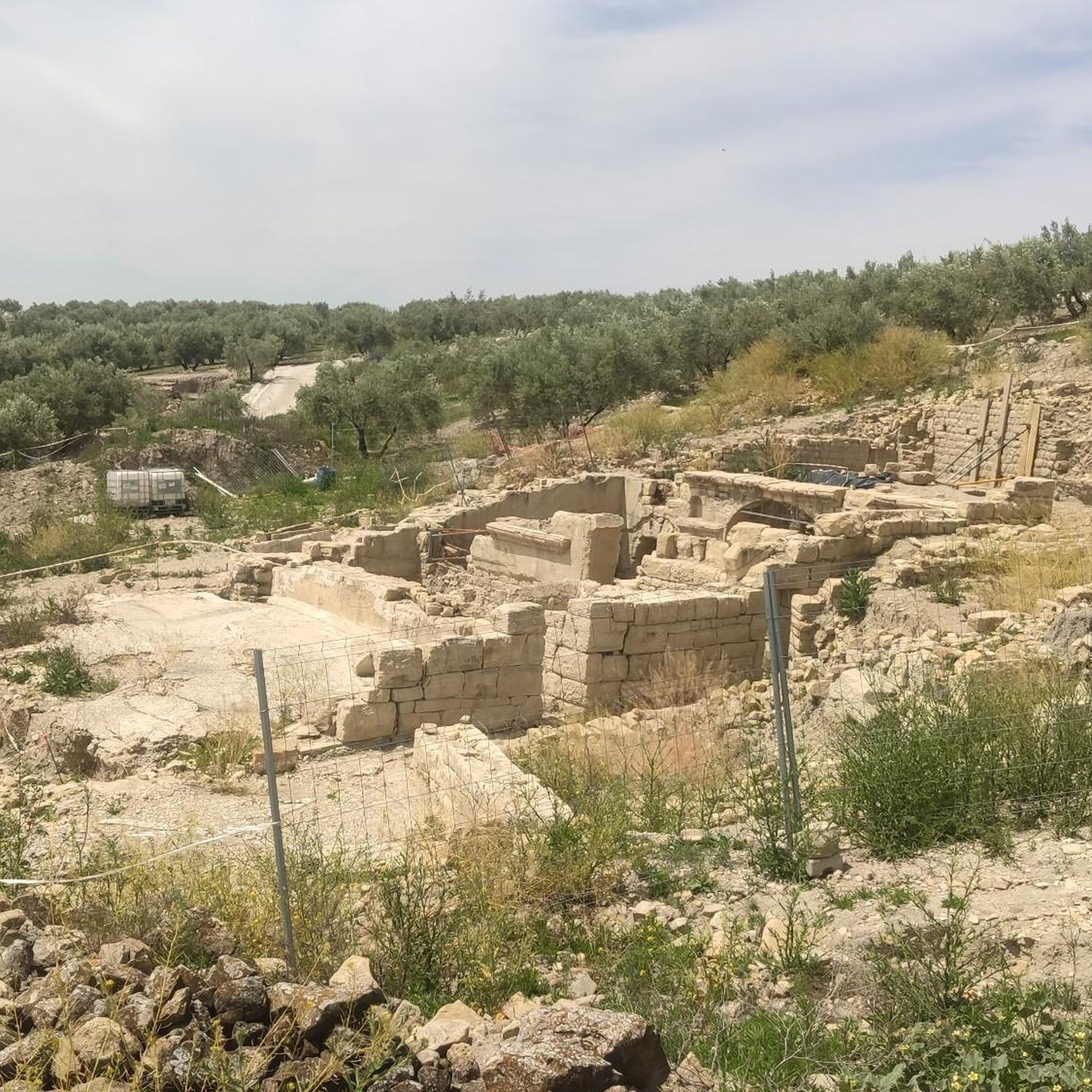
Porcuna is rich in history. You can visit the impressive Torre de Boabdil, a military tower from the 15th century. Other significant historical structures include the Roman Cistern of La Calderona and the Arco de la Plaza. The Archaeological Park of Cerrillo Blanco is also crucial for understanding the region's Iberian past.
Where can I learn about the ancient history of Porcuna?
To delve into Porcuna's ancient past, visit the Municipal Archaeological Museum of Obulco, which is housed within the Torre de Boabdil. It features artifacts from prehistory, the Iberian world, and Hispano-Roman culture, including items from the city-state of Ipolca and the Ibero-Roman city of Obulco.
Are there any notable religious buildings to visit in Porcuna?
Yes, Porcuna features significant religious architecture. The Church of the Assumption of Our Lady, Porcuna, built between 1872 and 1910, showcases a Byzantine Neo-Romanesque style. You can also visit the Ermita de San Benito, a Gothic chapel with Romanesque, Baroque, and Neoclassical elements.
What unique architectural marvels can I find in Porcuna?
Porcuna is home to the unique Casa de la Piedra (House of Stone), built entirely from local stone, including its walls, ceiling, and much of its furniture. This emblematic monument is a testament to local craftsmanship.
Where can I enjoy natural landscapes and views around Porcuna?
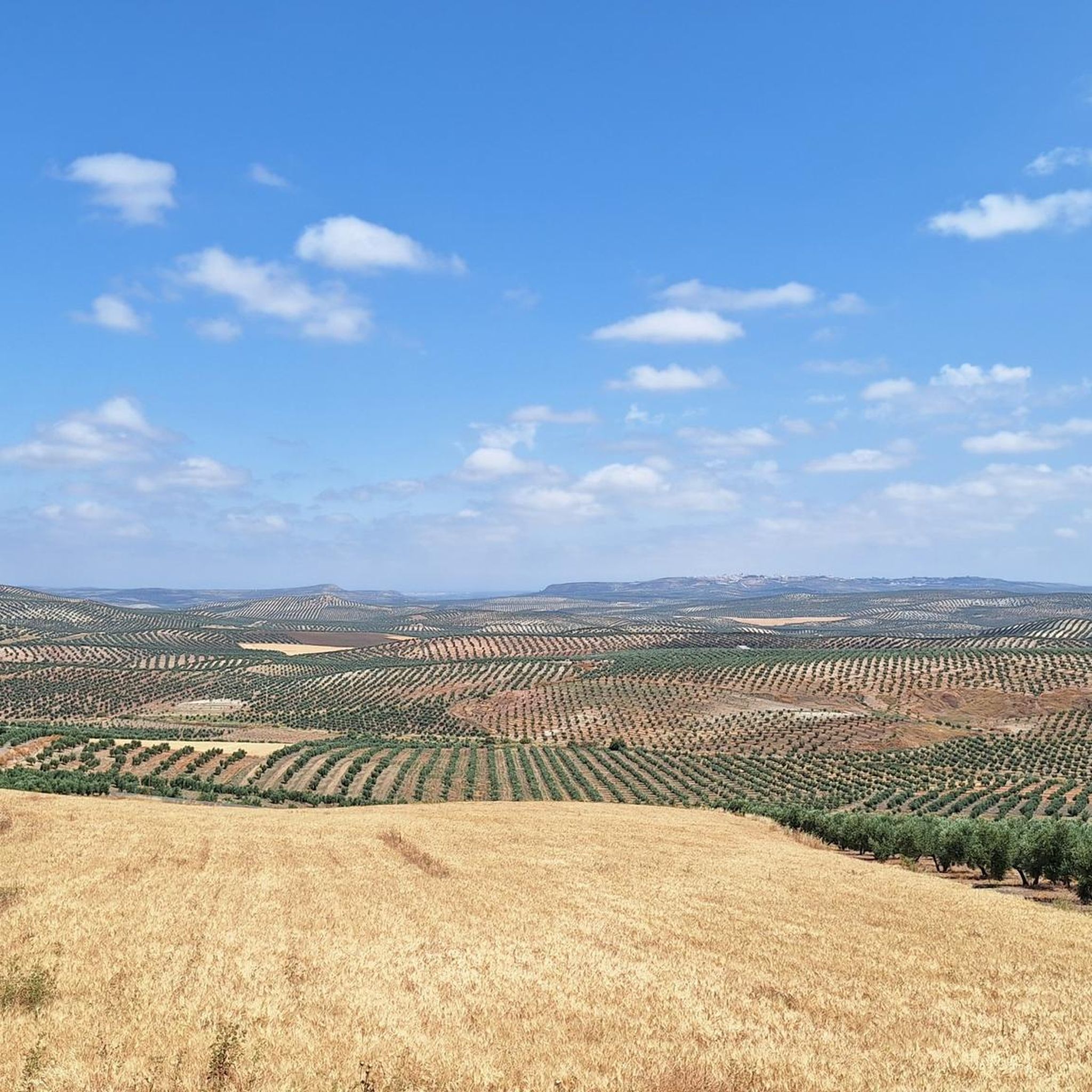
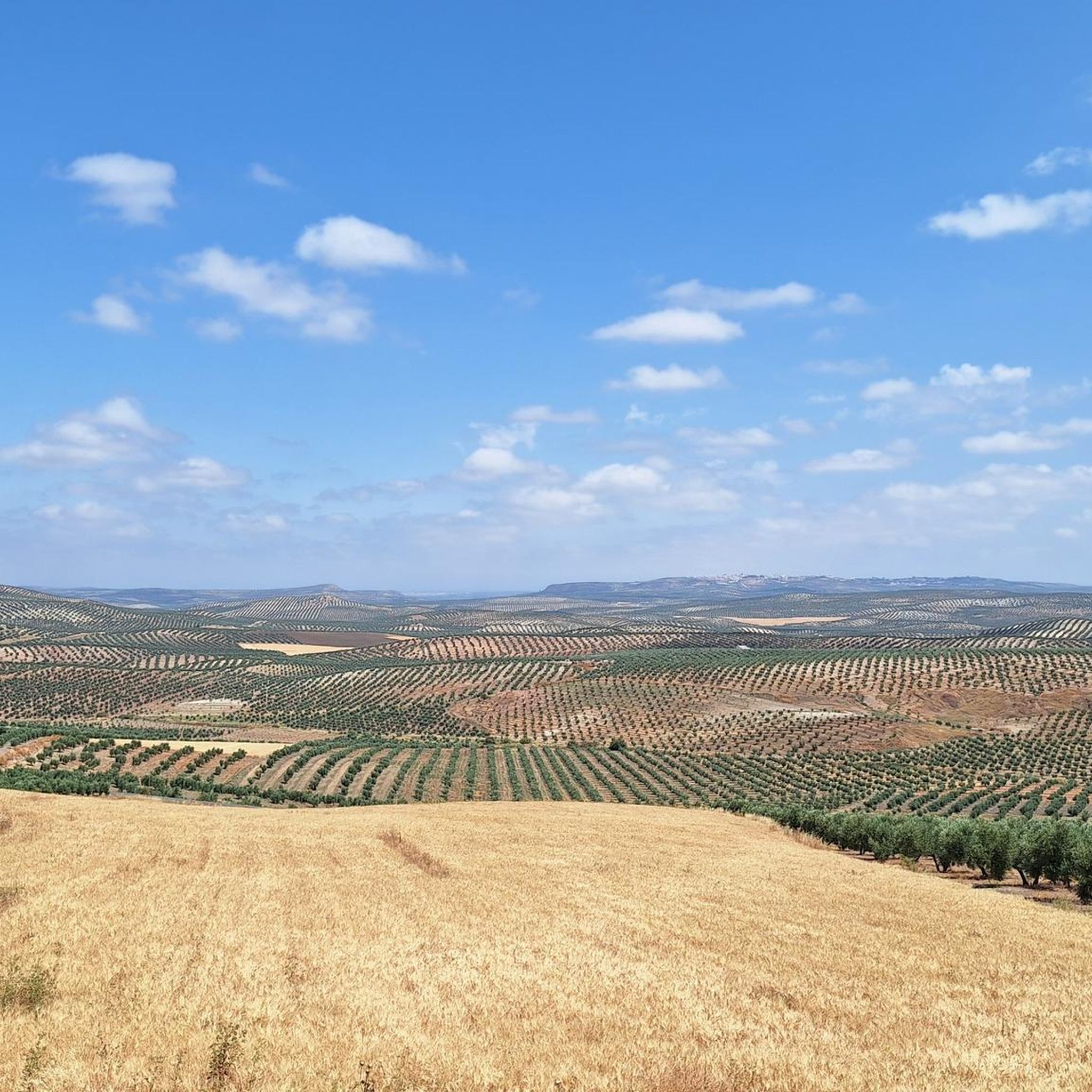
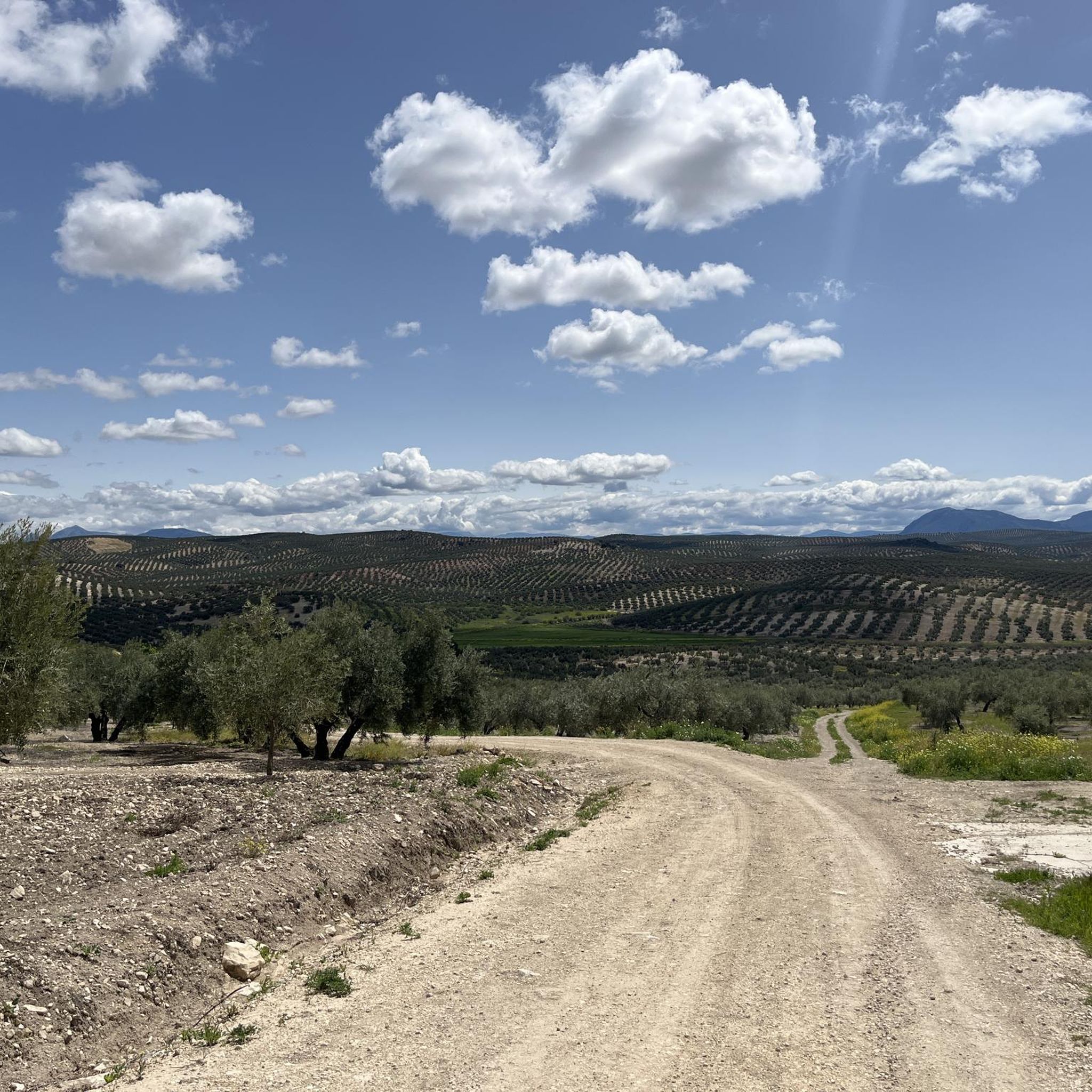
The region around Porcuna is famous for its 'Sea of Olive Trees.' You can experience magnificent panoramic views of these vast olive groves from the Mirador de la Redonda and the Mirador Mar de Olivos. The Paseo de Jesús also offers a green space within the village.
Are there any natural springs or picnic areas near Porcuna?
Yes, the Fuente del Comendador, located 2km northeast of Porcuna, is an easily accessible natural spring. For a picnic, the Llano de Alharilla, 4km northeast, features a large grove and a magnificent picnic area, along with the Ermita de Virgen de Alharilla.
What outdoor activities are available near Porcuna's attractions?
The area around Porcuna is excellent for outdoor activities. You can find various routes for gravel biking, running, and cycling. For example, there are gravel biking routes like the 'Torre de Boabdil – Cortijo Las Ollas loop from Porcuna' and running trails such as the 'Cerrillo Blanco Site - circular trail running through Porcuna.' You can explore more options on the Gravel biking around Porcuna, Running Trails around Porcuna, and Cycling around Porcuna guide pages.
Are there cycling routes around Porcuna?
Yes, there are several cycling routes available. You can find options like the 'Yacimiento de Cerrillo Blanco y Castillo de Lopera - circular through the olive groves of Porcuna' or the 'Torre de Boabdil – Castillo de Lopera loop from Porcuna.' These routes offer a great way to explore the landscape. More details are available on the Cycling around Porcuna guide page.
Can I find running trails in the Porcuna area?
Absolutely. The Porcuna area offers a variety of running trails, including moderate options like the 'Cerrillo Blanco Site - circular trail running through Porcuna' and the 'Torre de Boabdil loop from Porcuna.' For more routes and details, check the Running Trails around Porcuna guide page.
Are there family-friendly attractions in Porcuna?
While specific 'family-friendly' categories are limited in the data, many of Porcuna's historical sites and natural areas can be enjoyed by families. The Casa de la Piedra offers a unique architectural experience, and the Llano de Alharilla provides a pleasant picnic spot. Exploring the Torre de Boabdil and its museum can also be an engaging activity for older children.
What is the best time of year for outdoor activities in Porcuna?
The best time for outdoor activities in Porcuna, such as hiking, cycling, and running, is typically during the spring (March to May) and autumn (September to November) months. During these seasons, the weather is generally milder and more pleasant for exploring the 'Sea of Olive Trees' and historical sites, avoiding the intense heat of summer.
What do visitors enjoy most about the attractions around Porcuna?
Visitors appreciate the rich historical significance and the natural beauty of the region. The Bridge over the Guadalquivir River in Castro del Río is noted for its historical context before the ascent to Cardeña natural park. The Torre de Boabdil is admired for its impressive Gothic architecture and historical tales. The overall charm of Porcuna's ancient archaeological sites and religious buildings, set amidst the olive groves, is also highly valued.

Get inspired with the komoot mobile app


Explore more
Still not found the Highlight you’re looking for? See guides of the top attractions in other regions:
