The best MTB trails around Arenys De Mar
4.5
(55)
541
riders
30
rides
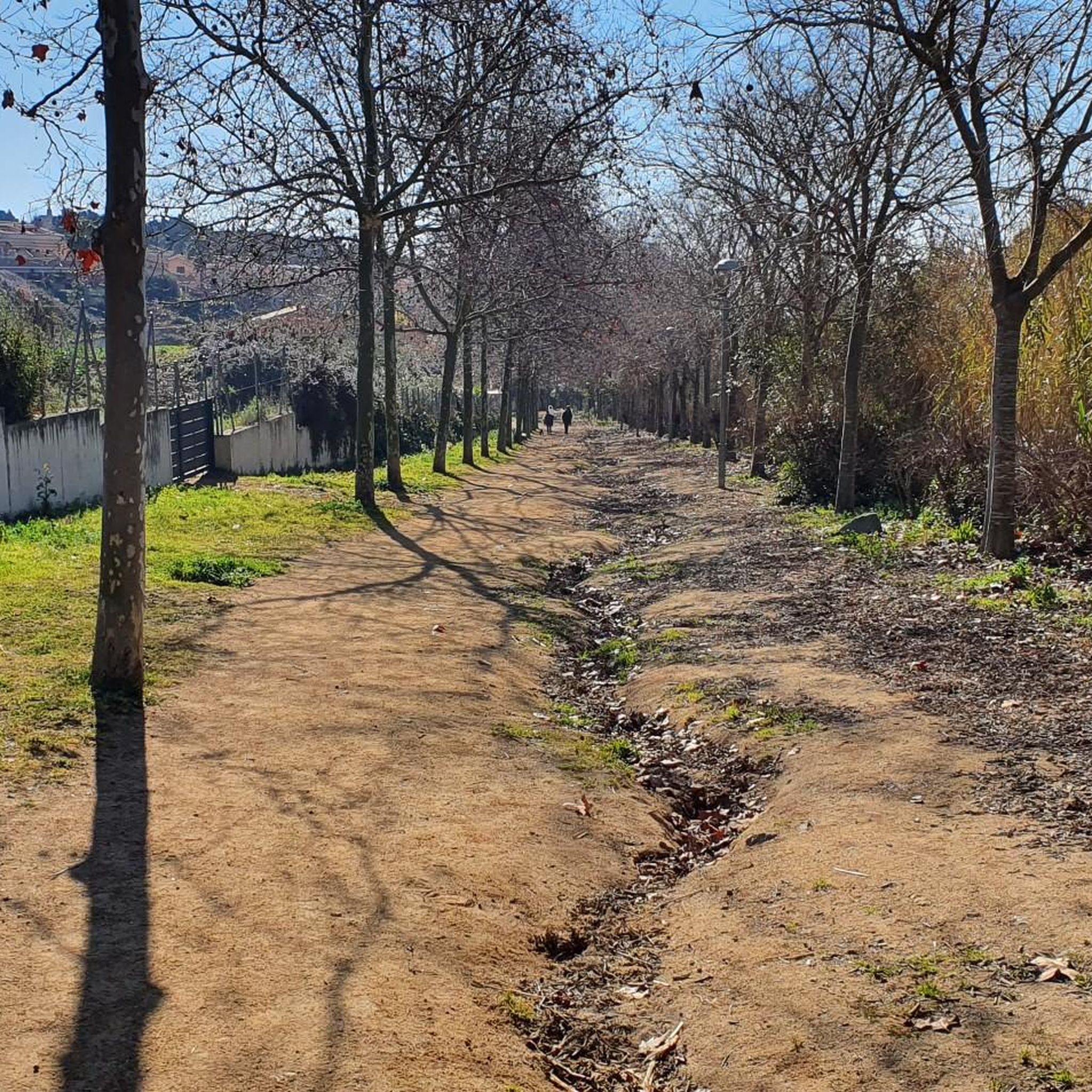
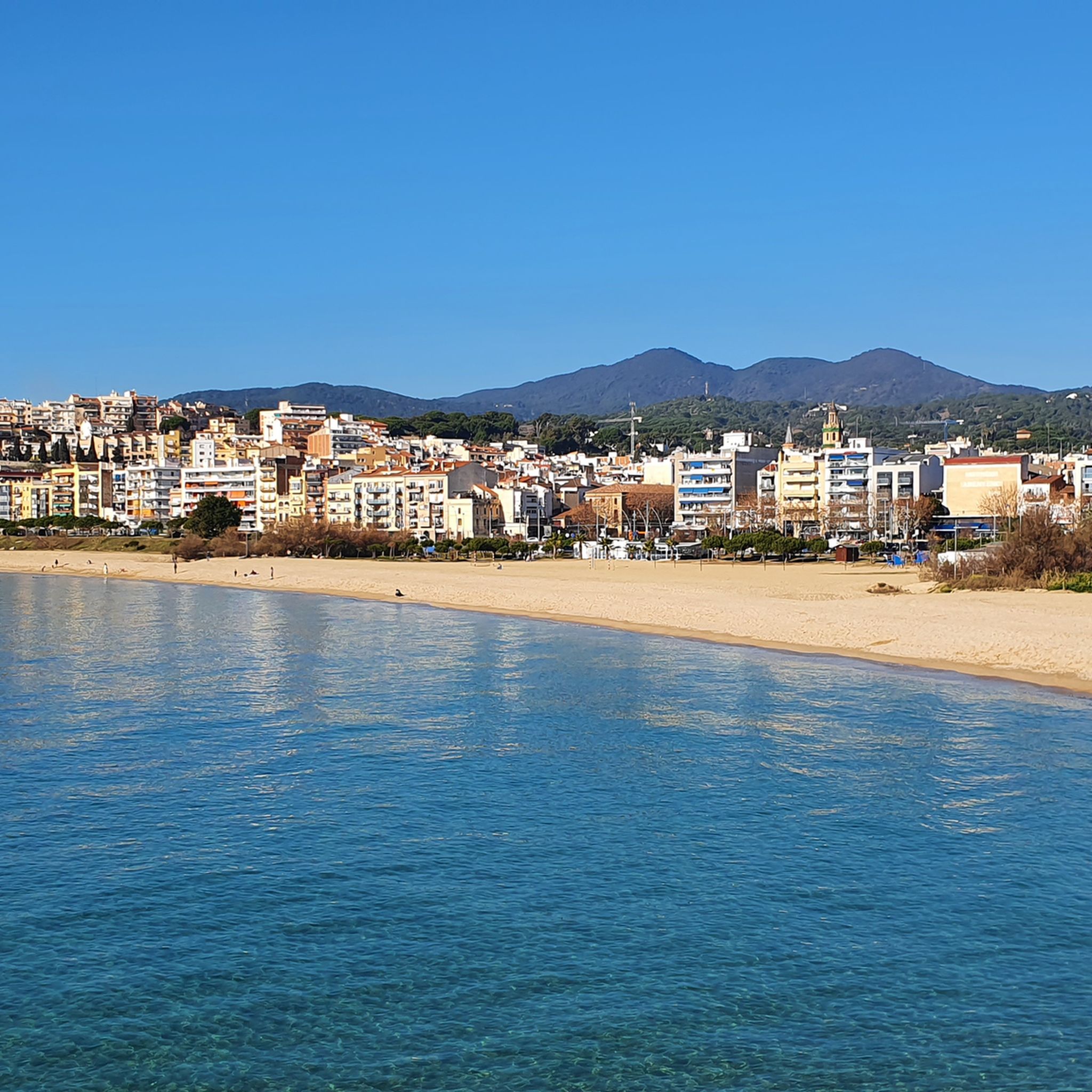
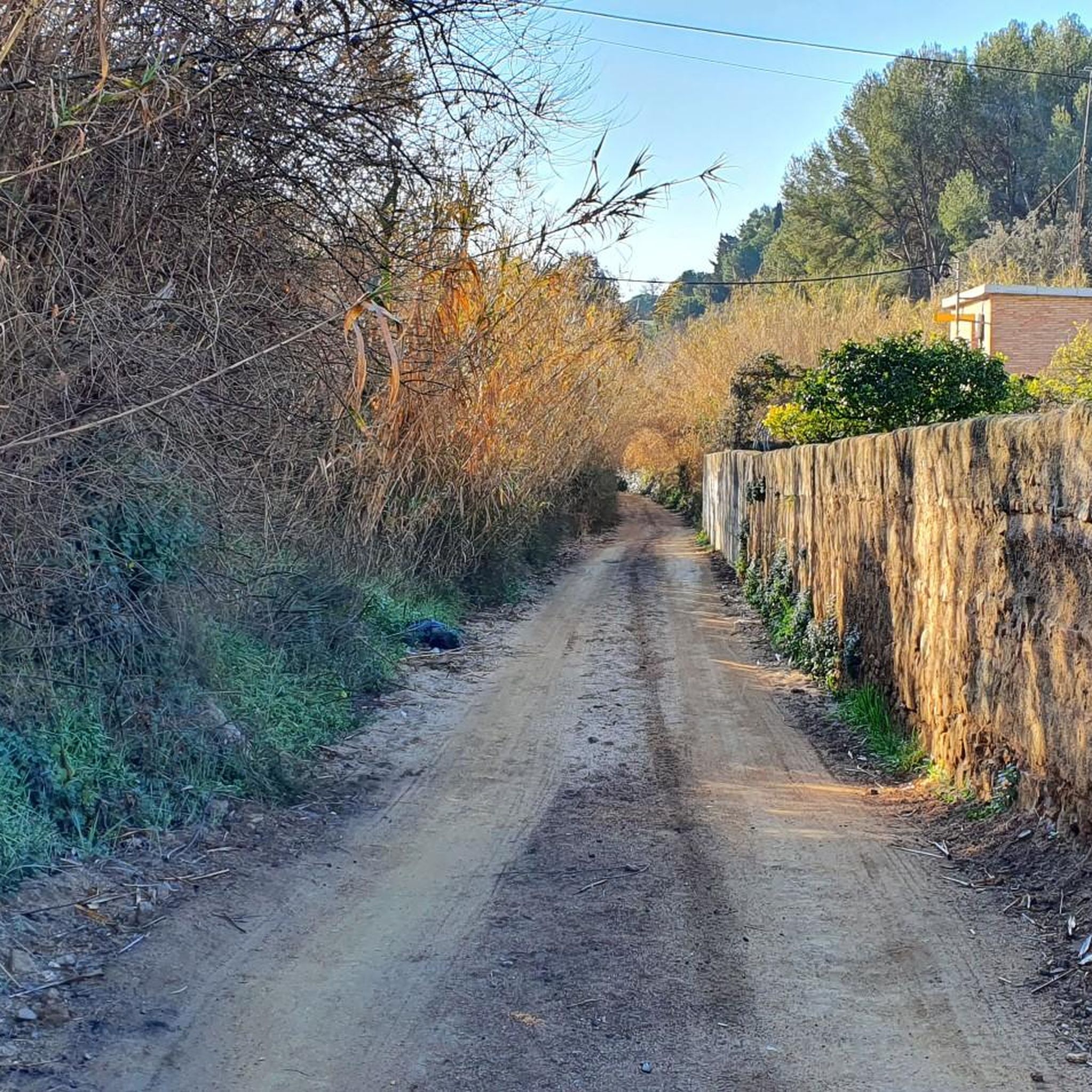
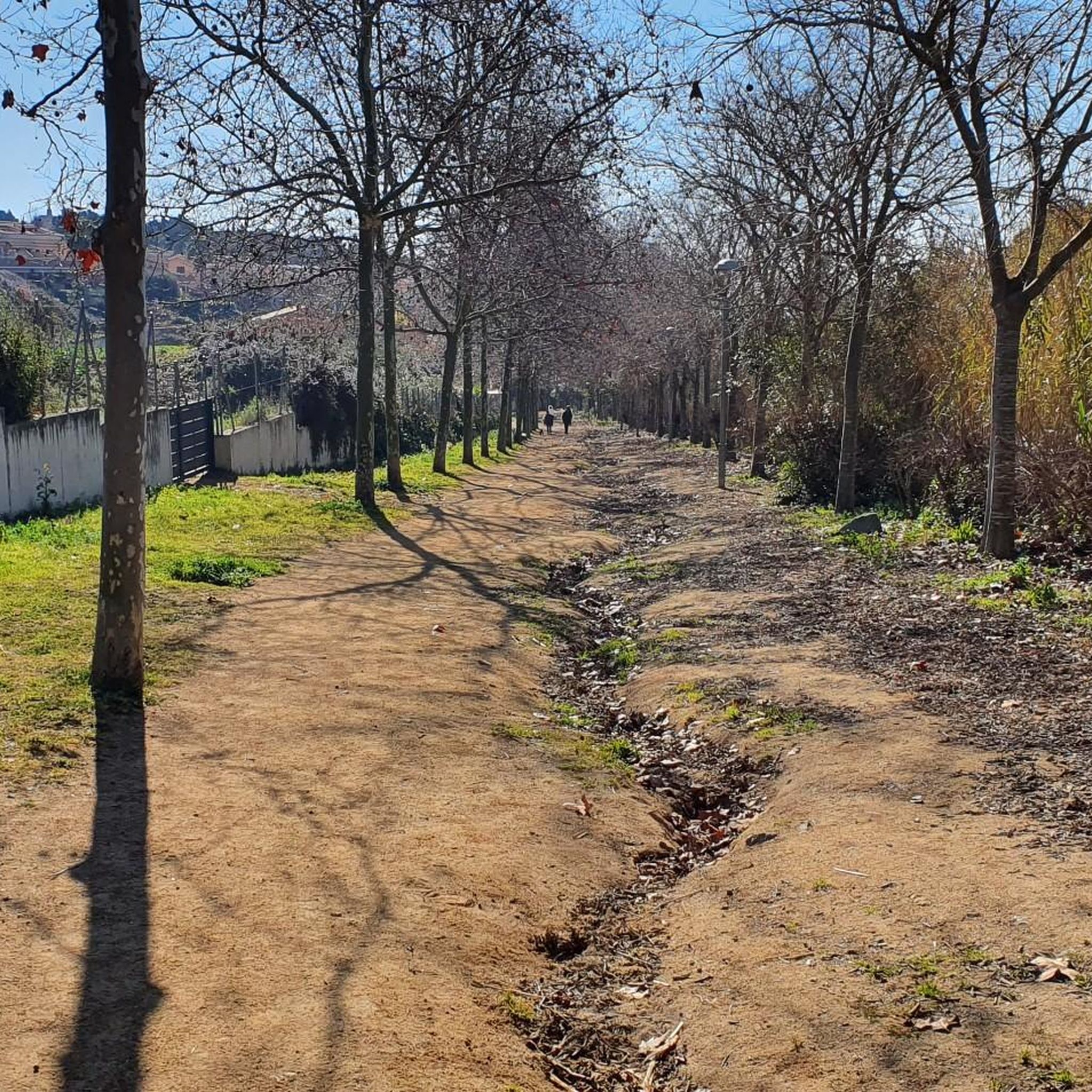
Mountain biking around Arenys De Mar offers diverse terrain situated between the Mediterranean Sea and inland mountain ranges. The region features rolling hills, dense forests of pines and cork oaks, and natural parks like Montnegre i el Corredor. Riders can find routes with elevation gains from under 1,000 feet to over 3,000 feet, providing varied challenges. This geographical position allows for a combination of coastal views and mountainous landscapes for exploration.
Best mountain bike trails around Arenys De Mar
- The…
Last updated: October 25, 2026
4.1
(17)
78
riders
30.0km
02:44
770m
770m
Hard mountain bike ride. Good fitness required. Advanced riding skills necessary. Some portions of the route may require you to push your bike.
5.0
(3)
53
riders
31.1km
02:43
690m
690m
Moderate mountain bike ride. Good fitness required.

5.0
(2)
27
riders
55.3km
05:02
1,210m
1,210m
Hard mountain bike ride. Very good fitness required.
21
riders
43.0km
03:22
760m
760m
Moderate mountain bike ride. Good fitness required.
4.0
(2)
24
riders
49.6km
04:35
1,290m
1,290m
Hard mountain bike ride. Very good fitness required. Advanced riding skills necessary. Some portions of the route may require you to push your bike.
Get access to more routes and recommendations from other explorers.
Already have an account?
Our route recommendations are based on thousands of hikes, rides, and runs completed by other people on komoot.
Start today with a free account
Your next adventure awaits.

Tips from the Community

If you pass by the Can Valls path, it's worth stopping to look at these three strange structures. They are not modern kilns: they are traditionally dated to the 9th–10th centuries, and one of them is still practically whole. Here, pine and oak stumps and wood were slowly baked to obtain "pega", a kind of vegetable tar used to waterproof boats and containers, and also for lighting. What's curious is to think that more than a thousand years ago, people were already working this forest and exploiting its resources right at this spot. A small stop that, if you don't know what you're looking at, goes completely unnoticed.
1
0
Tradition has it that when fishermen were far out at sea, they would look for a tiny white dot on the mountain amidst the green of the forest. It was this hermitage. It served as a reference point for them to orient themselves and know where the coast was. A kind of lighthouse, but on the mountain. And there's a second, even more curious story. Centuries ago, a severe smallpox epidemic affected the farmhouses of Hortsavinyà. Legend has it that a stranger appeared with an image of the Virgin and assured that those who came to pray to her would be healed. People associated the healings with that image, and eventually, the small oratory was built here. There's even a curious play on its name: Erola and verola—smallpox in Catalan—ended up being linked in popular tradition, although the origin of 'erola' seems to actually refer to the small plain where it is located. So that little white house lost among the trees was, depending on who looked at it, a sanctuary for some and an orientation point for those sailing down below in the Mediterranean.
0
0
This small hermitage, lost in the woods, was born out of a promise, not a whim. In 1885, the Prats family paid for its construction after their daughter Fermina recovered from an illness. The first mass was held that same year. And here comes the good part: it's next to the Font de la Salut, and this whole area has long been associated with stories of healing waters and the famous dones d’aigua, the mysterious water women from the legends of Sant Iscle. Small, hidden, and without great pretension. But if someone builds an entire hermitage because their daughter gets cured, it at least deserves you to stop your bike for five minutes.
0
0
This place has it all: 5,000 years of history, witches, and even a 19th-century reconstruction that nobody really knows how closely it resembles the original. For centuries, the legend said that the witches of the region used to meet here for their covens. What we do know is that in 1855, Josep Pradell decided to restore the dolmen and replaced the enormous top slab. It was, none other than, the first known restoration of a dolmen in Catalonia. So when you arrive by bike and see that kind of enormous stone table in the middle of the forest, stop for a moment. Prehistory, legends, and a good deal of mystery concentrated in a few meters. And if you arrive at dusk and see someone circling the stones... I wouldn't ask. I'd keep cycling.
1
0

Sant Martí de Montnegre Una església aïllada dins del Parc Natural del Montnegre, de gran valor per la seva integració en el paisatge forestal. És un punt de referència en les rutes de l'interior.
1
0
Església de Sant Llop d'Hortsavinyà El document més antic on s'esmenta Hortsavinyà és del 1101, i el primer de l'església, del 1301, si bé la primitiva esglesiola podria ser del segle IX o X. La major part de l'edifici actual és del segle XVIII. Sant Llop n'és el patró (1 de setembre), i per això se celebra la festa major en aquestes dates, coincidint amb el primer diumenge del mes. I si sant Llop és el patró de l'església, santa Eulàlia ho és del poble, i pels volts del 10 de desembre se celebra la festa major petita d'Hortsavinyà. Tradicionalment, sant Llop fou l'encarregat, en la fe cristiana, de guarir el mal de coll i l'afonia, i se'l relacionava amb alguns comportaments dels llops. Tot això ens porta a cercar els seus orígens en un personatge precristià, el pare Llop, un home que convivia amb un ramat de llops a les muntanyes. Una vegada a l'any baixava a les masies a cobrar un tribut, que calia pagar si es volia evitar l'atac dels llops al bestiar i a les persones. També era creença general, segons podem llegir als bestiaris medievals catalans, que si un home veia un llop abans que el llop a ell, la bèstia restava muda per sempre més, però si era el llop qui el veia primer, qui perdia la veu era l'home. Això darrer es produïa per l'ensurt que patia la persona en trobar-se el llop. D'aquí ve la relació de sant Llop amb l'afonia. Font: XPN
1
0
Capella de Mare de Deu de l'Erola Prop de Santa Eulàlia (o Sant Llop) d'Hortsavinyà, seguint amunt pel camí GR-92, trobem l'ermita de la Mare de Déu de l'Erola. És un petit oratori de parets blanques que segons la tradició, servia de guia als pescadors que, en mirar les muntanyes, hi veien una petita taca blanca. L'edifici, molt senzill, és de planta rectangular amb volta semicircular. Al seu interior hi ha una fornícula amb una imatge de la Mare de Déu. Font: Pobles de Catalunya
0
0
Dalt del cim de Pedracastell, presidint la vall, s'alça una gran creu, l'origen de la qual es remunta a l'any 1902, quan Domènech i Montaner, amb l'escultor Alfons Juyol, en va construir una de modernista, promoguda per Marià Serra. Una ventada la va tombar l'any 1925 i se'n va alçar una còpia, feta pel seu fill, Pere Domènech Roura, la qual va ser enderrocada pels anarquistes el 1936. La creu actual, de signe gaudinià, va ser erigida per Isidre Puig Boada, deixeble i col·laborador de l'arquitecte, l'any 1954. Font: Pobles de Catalunya
0
0
Frequently Asked Questions
What kind of terrain can I expect on mountain bike trails around Arenys de Mar?
The region offers a diverse landscape, situated between the Mediterranean Sea and inland mountain ranges. You'll find rolling hills, dense forests of pines, holm oaks, and cork oaks, as well as natural parks like Montnegre i el Corredor. This unique geography provides a mix of coastal views and mountainous terrain, with routes featuring elevation gains from under 1,000 feet to over 3,000 feet.
Are there mountain bike trails suitable for beginners in Arenys de Mar?
Yes, there are options for beginners. Out of the 31 mountain bike routes available, 4 are classified as easy, providing a good starting point for those new to mountain biking or looking for a more relaxed ride. The area also has 11 moderate trails for those ready to step up their challenge.
Can I find challenging mountain bike routes in Arenys de Mar?
Absolutely. For experienced riders seeking a challenge, Arenys de Mar offers 16 difficult mountain bike routes. One such demanding route is the Sant Martí de Montnegre Church – GR 83 loop from Arenys de Mar, which covers 55.6 km with over 1200 meters of elevation gain.
Are there any circular mountain bike routes in the area?
Yes, many of the mountain bike routes around Arenys de Mar are designed as loops, allowing you to start and finish in the same location. An example of a moderate circular route is the Can Jalpi Avenue – Arenys de Munt loop from Arenys de Mar, covering 31.6 km.
What natural features or landmarks can I see while mountain biking in Arenys de Mar?
The trails often lead through scenic natural parks like Montnegre i el Corredor. You can encounter historical sites such as the Dolmen de Pedra Gentil or the Dolmen de Ca l'Arenes. Many routes also offer breathtaking panoramic views of the Mediterranean coastline and pass through significant points like the Rupit Cross or near the Corredor Sanctuary.
What do other mountain bikers say about the trails in Arenys de Mar?
The mountain bike trails in Arenys de Mar are highly regarded by the komoot community, holding an average rating of 4.7 stars from over 70 reviews. More than 600 mountain bikers have used komoot to explore the varied terrain, often praising the combination of coastal paths, rolling hills, and dense woodlands within natural parks.
Are there any mountain passes accessible by bike in the region?
Yes, the area around Arenys de Mar features several mountain passes that can be incorporated into your rides. Notable passes include Can Benet Pass, Collsacreu Pass from Vallgorguina, and Ferradura Pass (512 m), offering challenging climbs and rewarding descents.
What is the best time of year to go mountain biking in Arenys de Mar?
Arenys de Mar's Mediterranean climate generally allows for mountain biking year-round. However, spring and autumn offer particularly pleasant temperatures, making them ideal for longer rides. Summers can be hot, so early morning or late afternoon rides are recommended, while winters are mild, providing a good escape from colder climates elsewhere.
Are there any family-friendly mountain bike trails in Arenys de Mar?
While many trails offer varied challenges, the 4 easy routes available are generally more suitable for families or those with less experience. These routes typically have less elevation gain and smoother surfaces, providing a more enjoyable experience for all ages.
Where can I find parking for mountain biking in Arenys de Mar?
As a coastal town, Arenys de Mar offers various parking options, particularly near the town center and beaches. For trails heading inland, it's advisable to check specific route starting points on komoot for details on nearby parking facilities, which are often available at trailheads or in nearby villages.
Can I reach mountain bike trails in Arenys de Mar using public transport?
Arenys de Mar is well-connected by public transport, especially by train along the Maresme coast, making it accessible from Barcelona and other coastal towns. Many trails start close to the town center or can be reached with a short ride from public transport hubs, allowing you to begin your adventure without a car.
Are there places to eat or drink near the mountain bike trails in Arenys de Mar?
Yes, Arenys de Mar is a vibrant town with numerous cafes, restaurants, and pubs, especially along the coast and in the town center. After your ride, you can easily find places to refuel and relax, enjoying local cuisine or a refreshing drink.
Most popular routes around Arenys De Mar
Most popular attractions around Arenys De Mar

Get inspired with the komoot mobile app


Explore more
Browse the best MTB trails in other regions.
