Top 12 Lakes around Alcázar De San Juan
Best lakes around Alcázar De San Juan are primarily a complex of lagoons located in the heart of La Mancha, Spain. This region is part of the "La Mancha Húmeda" wetland system, designated a Biosphere Reserve since 1981. The area is characterized by its rich biodiversity, making it a significant destination for birdwatching. These natural features serve as a vital stopping point for migratory birds traveling between Europe and Africa.
Best lakes around Alcázar De San Juan
- The most popular…
Last updated: May 17, 2026
Laguna Grande de Villafranca
Highlight • Lake
Translated by Google •
Tip by

Laguna de la Veguilla
Highlight • Lake
These La Mancha wetlands …
Translated by Google •
Tip by

Sign up now to discover places like this
Get recommendations on the best single tracks, peaks, & plenty of other exciting outdoor places.
Sign up for free
Laguna de Peñahueca
Highlight • Lake
Translated by Google •
Tip by

Villafranca de los Caballeros
Highlight • Settlement
Translated by Google •
Tip by
Laguna del Camino de Villafranca
Highlight • Lake
Translated by Google •
Tip by

Sign up for free to discover even more lakes around Alcázar De San Juan.
Sign up for free
Already have an account?
Start today with a free account
Your next adventure awaits.
Login or Signup
Popular around Alcázar De San Juan
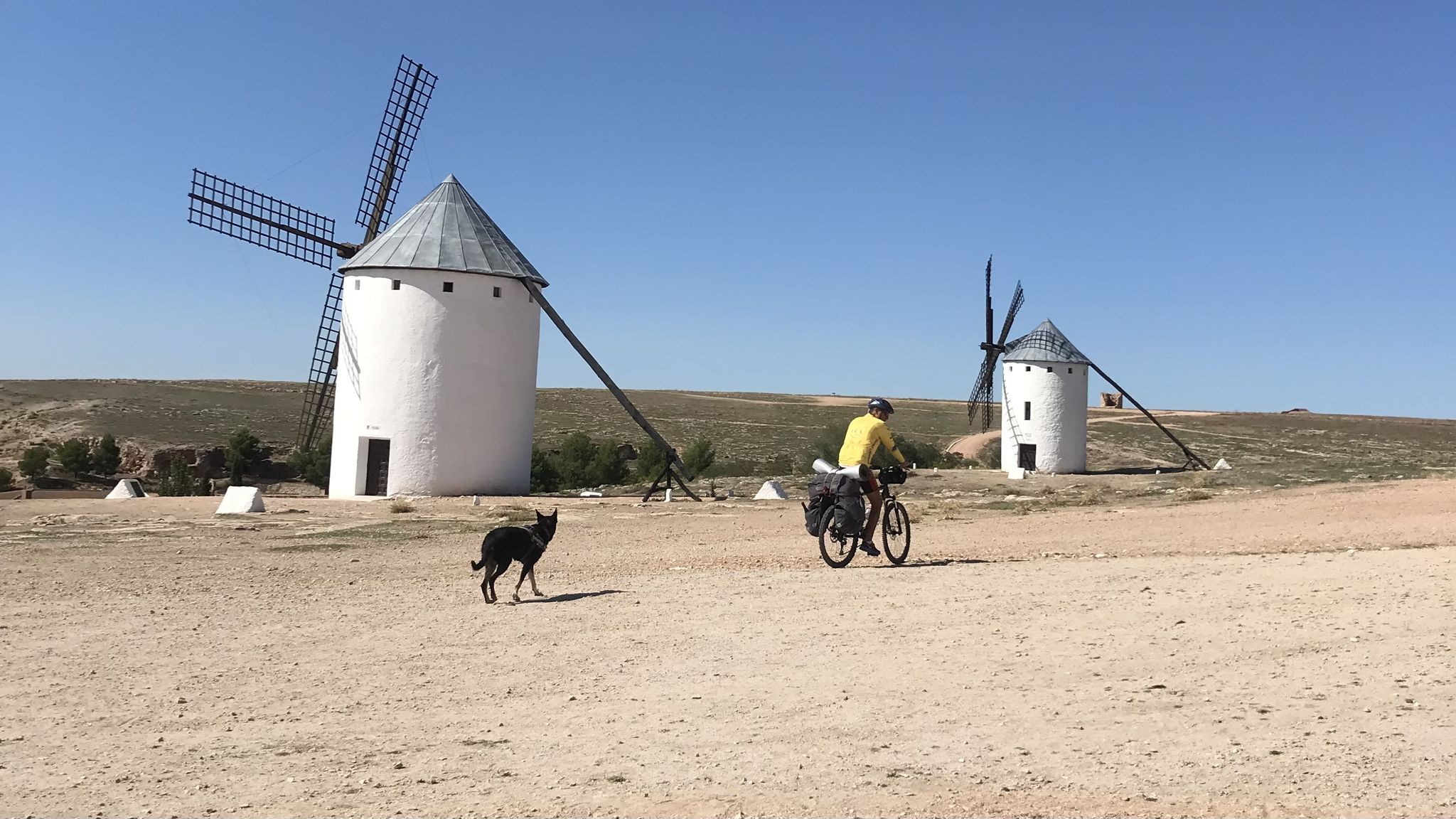
Don Quixote's route – The knight of the sorry face
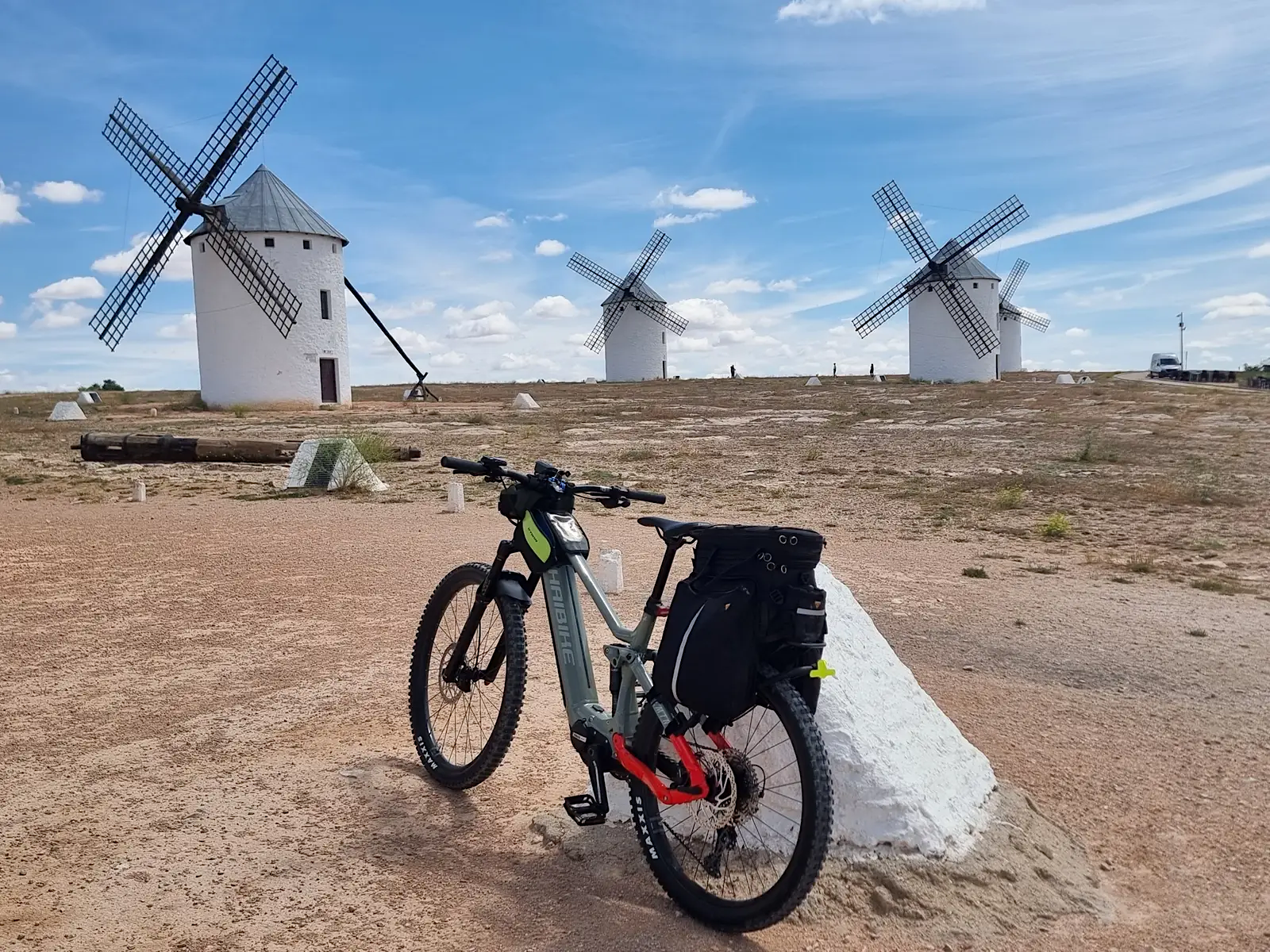
Route of Don Quixote – cycling between rivers, lagoons and hills
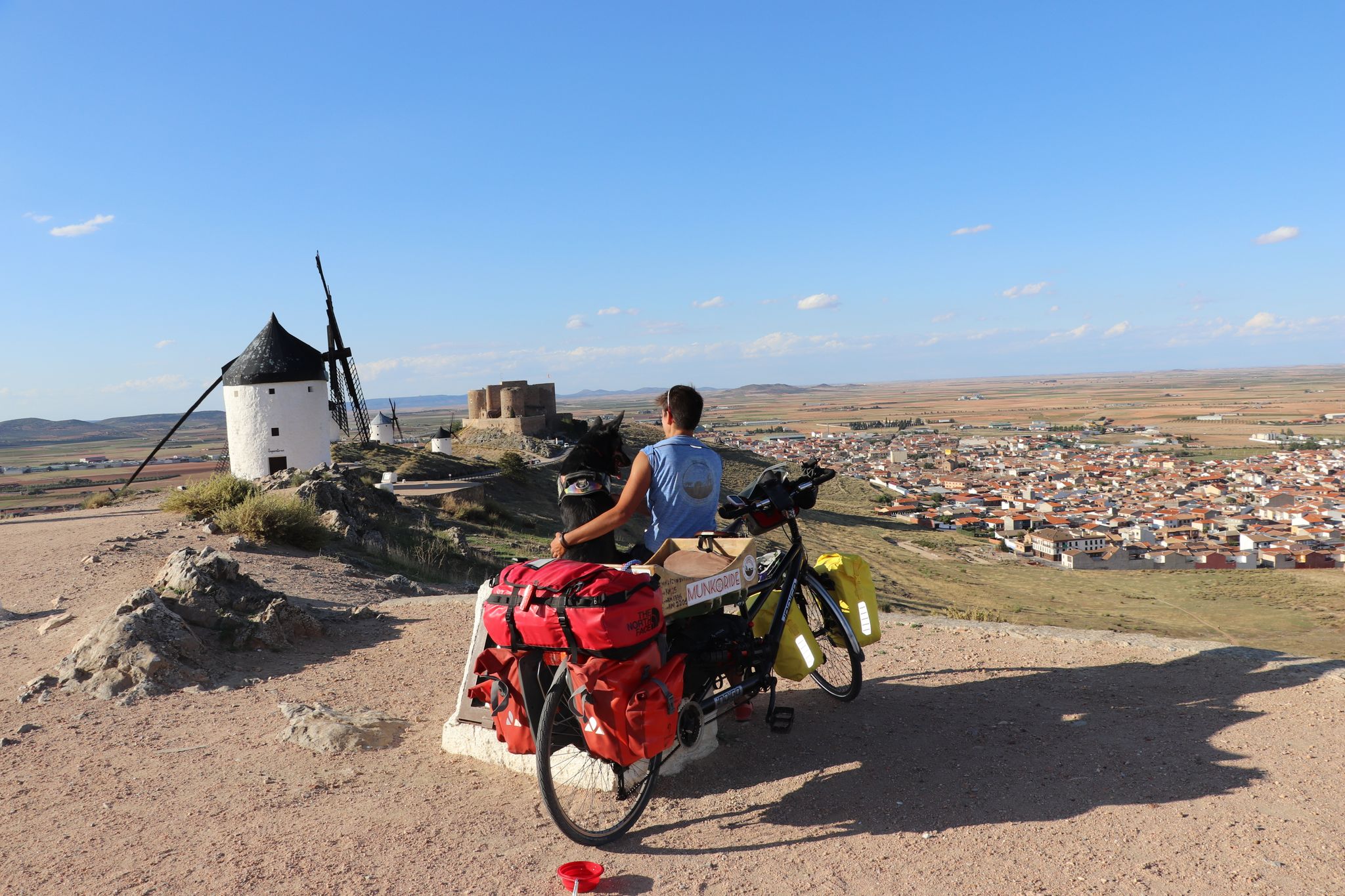
Cycle among the Giants of La Mancha in Spain – Route of Don Quixote
Road Cycling Routes around Alcázar De San Juan
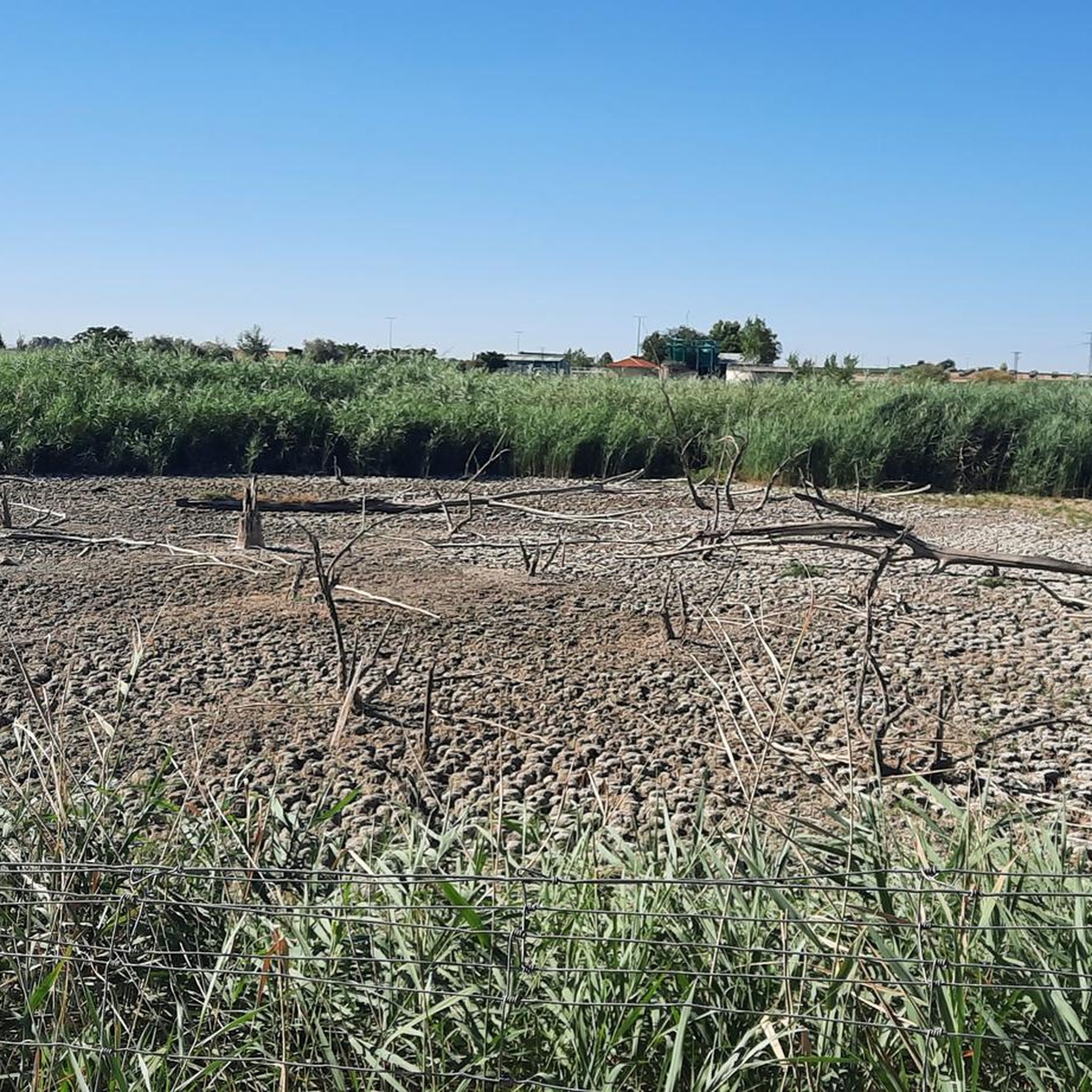
MTB Trails around Alcázar De San Juan
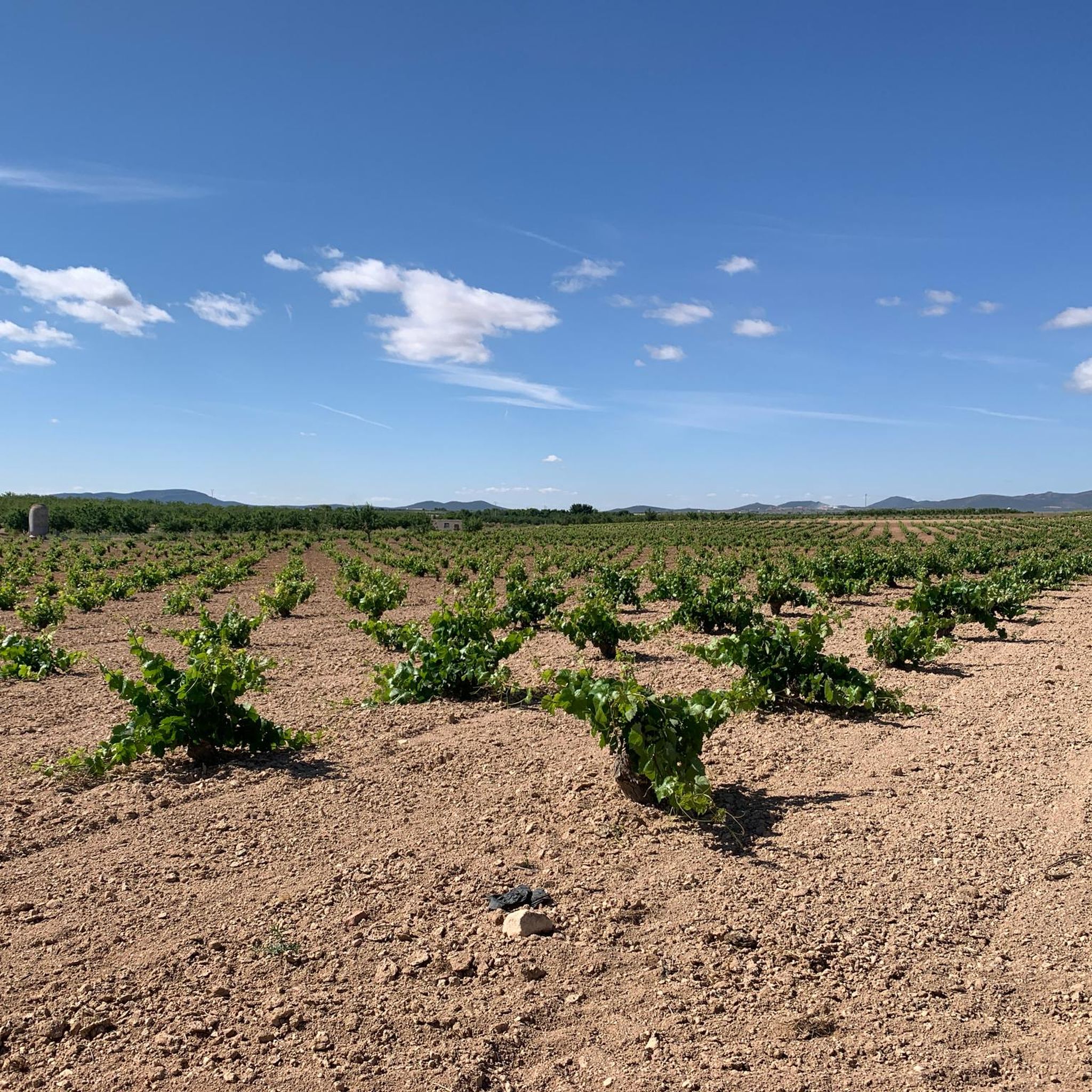
Cycling around Alcázar De San Juan
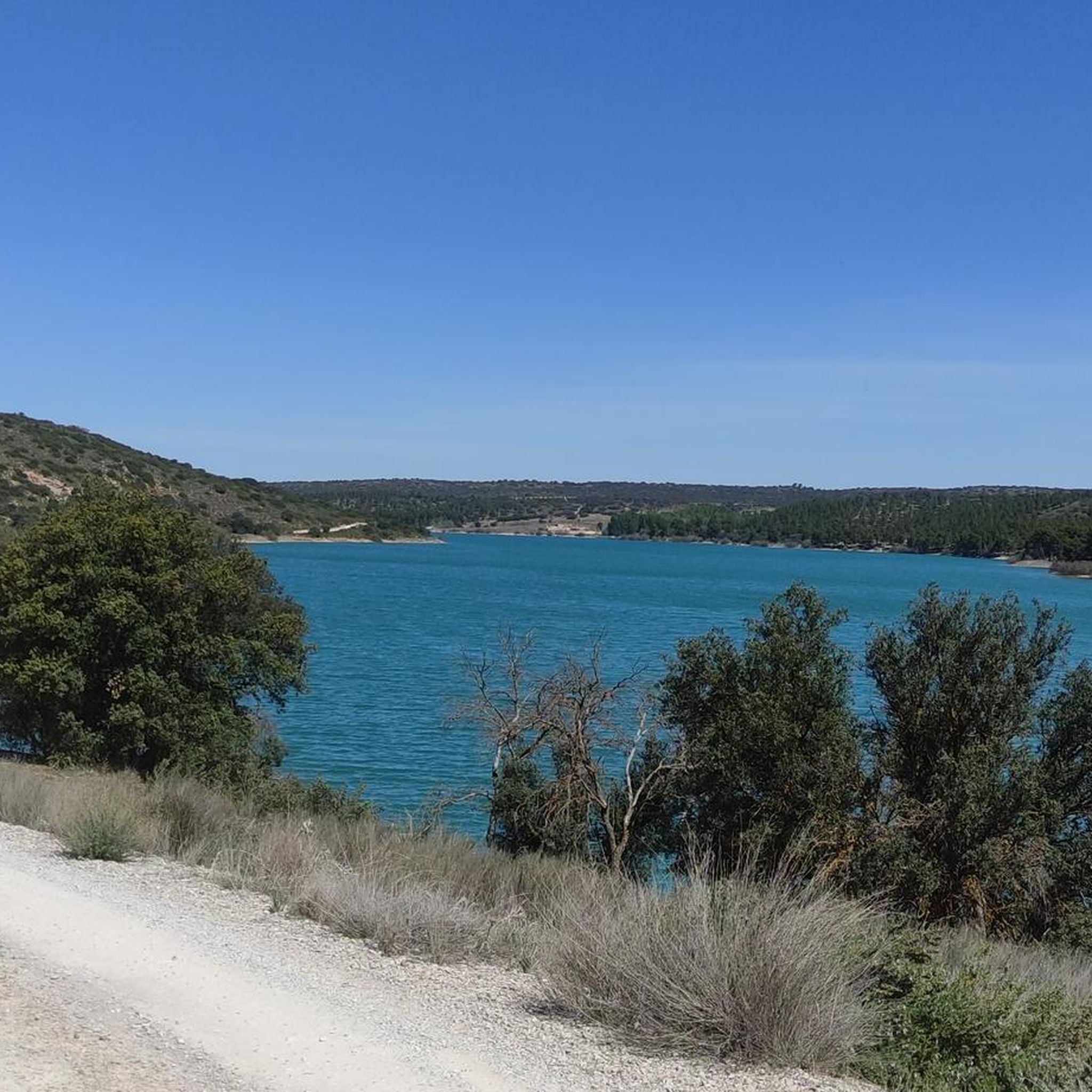
Running Trails around Alcázar De San Juan
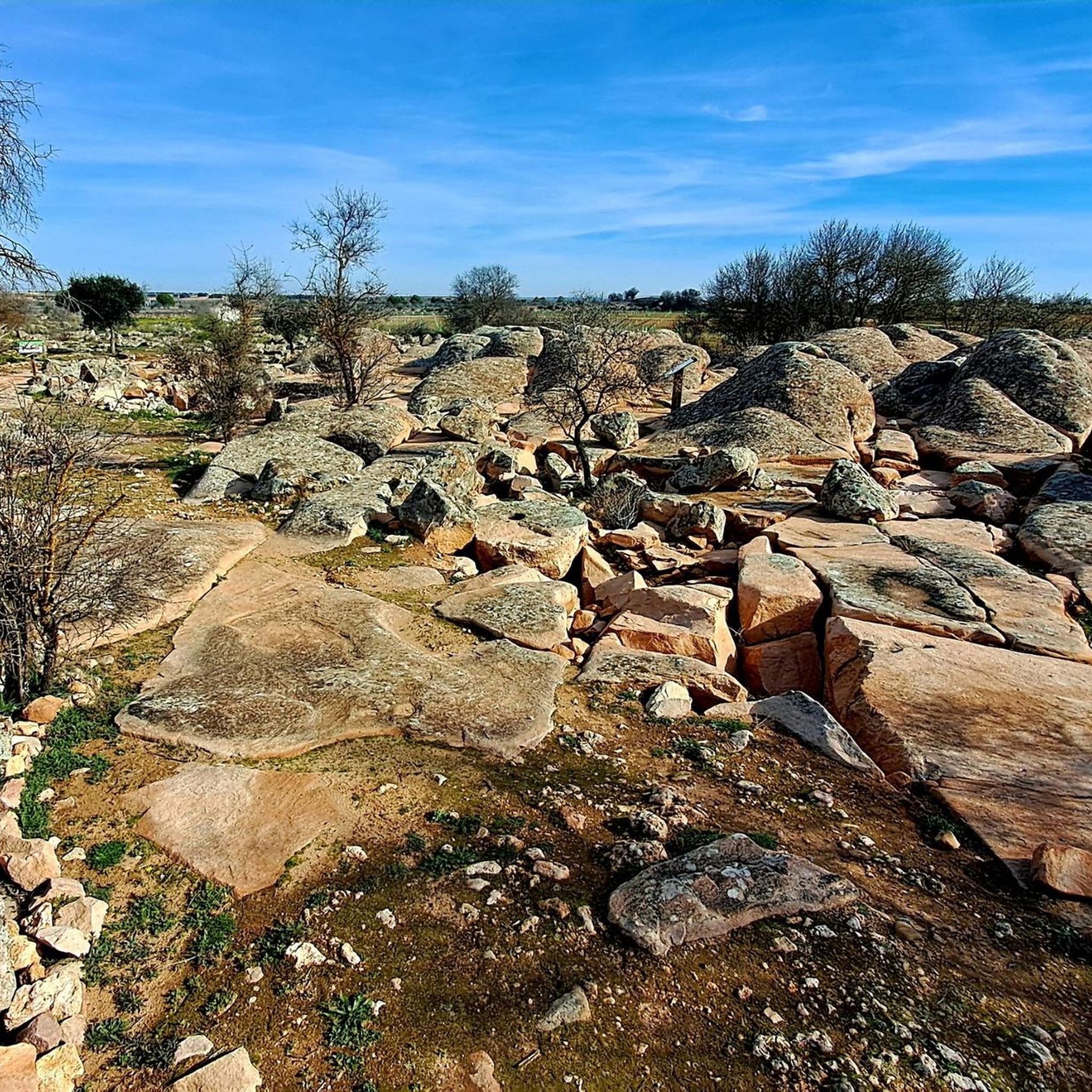
Hiking around Alcázar De San Juan

Gravel biking around Alcázar De San Juan
Other adventures around Alcázar De San Juan


Tips from the Community

After riding through dry environments, a nice place to stop and watch the birds for a while.
1
1

The Laguna Grande de Villafranca de los Caballeros is one of the largest river lagoons in La Mancha and the only one in the region with recreational use. With its 2.5 km long beach, it is a popular tourist destination, especially in the summer months.
16
0

Beautiful surroundings with bird watching points and to enjoy nature
0
0

We are facing the Laguna Grande in the city of Villafranca de los Caballeros, with a more than acceptable water level thanks to the recent rains. This area is very well suited for resting and relaxing as they have numerous roofs with tables and seats to eat and enjoy the surroundings.
10
0
This town is located next to an important lagoon area, of a brackish nature, at the confluence of the Cigüela and Amarguillo rivers. The lagoons have been used from the times of the Iron Age to the present, in the 18th century they were exploited to manufacture gunpowder. From the visit to this town we must highlight the church of the Asunción and among its hermitages that of Santo Cristo.
14
0

The next wetland is the Laguna Grande de Quero, first you have to pass through the town and then the immense endorheic lake emerges surrounded by whitish mountains. The high level of salinity of the water prevents numerous species of birds from abounding, but it has always been a source of resources due to the collection of salt for canning in brine. The path passes the bed of the Cigüela River and enters the surroundings of the Villafranca lagoons, included like all in the Natura 2000 Network within La Mancha Húmeda and declared a Biosphere Reserve by UNESCO. The Fauna Reserve is the artificial union of the Small and Large lagoons, creating a huge swamp surface of permanent, deep waters with abundant aquatic and steppe birds prowling over the reed beds on the banks. In the lagoons it is easy to see red duck, mallard, crested pochard, common pochard, little grebe, common coot, great crested grebe and marsh harrier. The shore of the Laguna Grande is equipped with bathing areas for the summer season, recreational spaces, bird observatories and an interpretation center, maintaining a tradition of public use that dates back to the 18th century, when the inhabitants of Villafranca de los Knights took advantage of the medicinal properties of saline waters to cure rheumatic ailments and skin diseases.
5
0

It is a saline wetland with a peculiar vegetation that shelters a significant number of birds: species such as the breeding population of the black-billed goose, migratory birds such as the flamingo, common spoonbill, gosling, crane and common humpback, and steppe species such as the bustard and little bustard. One of the most beautiful characteristics of this lagoon is that in summer it becomes a kind of color palette, not only because of the gold of the cereal fields that surround it, the browns of the small islands that emerge within the lagoon or the pink of the flamingos; but because its waters acquire several different shades. The most recommended time is the summer period, to be able to enjoy the chromatic value of the lagoon. Due to the heat and the water, if we go at this time it will be more than necessary to bring insect repellent so that mosquitoes do not bite us.
1
0
It is one of the largest river lagoons in La Mancha. It is the best known and visited. It is part of the Natura 2000 Network and is a Biosphere Reserve, Natural Reserve and Wildlife Refuge. It is an endorheic lagoon, which means that it has no access to the sea, so the water arrives through aquifer 20. Since the 18th century it has been a bathing place, due to the local belief in the healing properties of its waters.
6
0
Frequently Asked Questions
What kind of natural features can I expect to see around the lakes of Alcázar de San Juan?
The lakes around Alcázar de San Juan are primarily a complex of lagoons within the 'La Mancha Húmeda' wetland system, a designated Biosphere Reserve and Ramsar site. You'll find rich biodiversity, especially bird species, and unique halophytic flora adapted to the saline soil. These wetlands are vital stopping points for migratory birds traveling between Europe and Africa.
Are the lakes around Alcázar de San Juan suitable for birdwatching?
Yes, the lagoons are excellent for birdwatching. Laguna de la Veguilla, for instance, is a crucial habitat for a wide array of bird species and offers strategic observation points. Laguna del Camino de Villafranca is known for hosting a flamingo colony and numerous duck species, while Laguna de Peñahueca also shelters a significant number of birds, including flamingos and various migratory species.
Which lakes are best for family visits?
Laguna Grande de Villafranca is highly recommended for families, especially during summer. It features a 2.5 km long beach, picnic areas, and recreational facilities. Other lagoons like Laguna de la Veguilla and Laguna del Camino de Villafranca are also considered family-friendly, offering opportunities to enjoy nature and observe wildlife.
Can I go swimming in any of the lakes?
Yes, Laguna Grande de Villafranca is unique in the region for its recreational use, featuring a 2.5 km long beach that is popular for swimming and other water activities, especially in the summer months.
What is the best time of year to visit the lagoons for nature observation?
The lagoons are a vital stopping point for migratory birds, making spring and autumn excellent times for birdwatching. For Laguna de Peñahueca, the summer period is recommended to appreciate its unique chromatic value, though it's advisable to bring insect repellent due to mosquitoes.
Are there hiking or walking trails near the lakes?
Yes, the area offers various routes for outdoor activities. For walking and hiking, you can explore trails that connect the lagoons. For more structured routes, consider the MTB Trails around Alcázar De San Juan guide, which includes routes like 'Lagunas de Alcázar y Villafranca – circular desde Alcázar de San Juan' that pass by these natural areas.
What outdoor activities can I do near these lakes?
Beyond enjoying the lakes themselves, the region is popular for cycling. You can find numerous routes for MTB, Road Cycling, and Gravel Biking that explore the surrounding landscapes and connect various points of interest, including the lagoons.
Is there parking available at the lagoons?
While specific parking details for every lagoon are not always provided, popular spots like Laguna Grande de Villafranca are well-equipped for visitors, including facilities like picnic areas, which typically imply accessible parking. For other lagoons, access points often have designated areas for vehicles.
What kind of flora and fauna can be observed in the Alcázar de San Juan lagoons?
The lagoons are characterized by their rich biodiversity. The flora is notably halophytic, adapted to saline soils. As for fauna, the area is a haven for birds, including migratory species like flamingos, common spoonbills, geese, cranes, and various duck species. You might also spot steppe species such as bustards and little bustards.
Are there any historical or cultural sites near the lakes?
The town of Villafranca de los Caballeros, located next to an important lagoon area, has historical significance. It features the Church of the Asunción (12th century) and the hermitage of Santo Cristo de Santa Ana (16th-17th centuries). The town also has a Nature Classroom to help visitors understand the local environment better.
What do visitors enjoy most about the lakes around Alcázar de San Juan?
Visitors particularly appreciate the serene natural landscapes and the rich biodiversity, especially the opportunities for birdwatching. The recreational facilities at Laguna Grande de Villafranca, including its beach and picnic areas, are also highly valued for family outings and relaxation.
Are the lagoons accessible by public transport?
While direct public transport to every lagoon might be limited, Alcázar de San Juan itself is a well-connected town. From there, local transport or guided visits arranged through the Alcázar de San Juan Tourist Office can help you reach the main lagoon complexes.
Most popular routes around Alcázar De San Juan
Most popular attractions around Alcázar De San Juan

Get inspired with the komoot mobile app


Explore more
Still not found your perfect lake around Alcázar De San Juan? Check out the guides of these regions to see even more beautiful places.
