Attractions and Places To See around Abenójar - Top 20
Attractions and places to see around Abenójar include a variety of historical sites, traditional architecture, and natural features. This municipality, located in the Campo de Calatrava region, holds significant cultural heritage. The area is characterized by its connection to the Guadiana River and a diverse landscape, offering opportunities to explore historical landmarks and natural points of interest.
Best attractions and places to see around Abenójar
- The most popular attractions is Sheep Bridge, a bridge built to count sheep traveling…
Last updated: May 17, 2026
Sheep Bridge
Highlight • Bridge
For using the same, the shepherds …
Translated by Google •
Tip by

El Martinete
Highlight • Historical Site
Translated by Google •
Tip by
Sign up now to discover places like this
Get recommendations on the best single tracks, peaks, & plenty of other exciting outdoor places.
Sign up for free
Los Pozuelos de Calatrava
Highlight • Settlement
The Church of Our Lady of the Visitation: With a single nave, covered with a gable roof, equipped with a side tower with a bell tower and entrance door …
Translated by Google •
Tip by
Jurisdictional Pillory of Cabezarados
Highlight • Monument
Translated by Google •
Tip by
Ermita de San Isidro (Cabezarados)
Highlight • Religious Site
Translated by Google •
Tip by
Sign up for free to discover even more attractions around Abenójar.
Sign up for free
Already have an account?
Start today with a free account
Your next adventure awaits.
Login or Signup
Popular around Abenójar
Tips from the Community

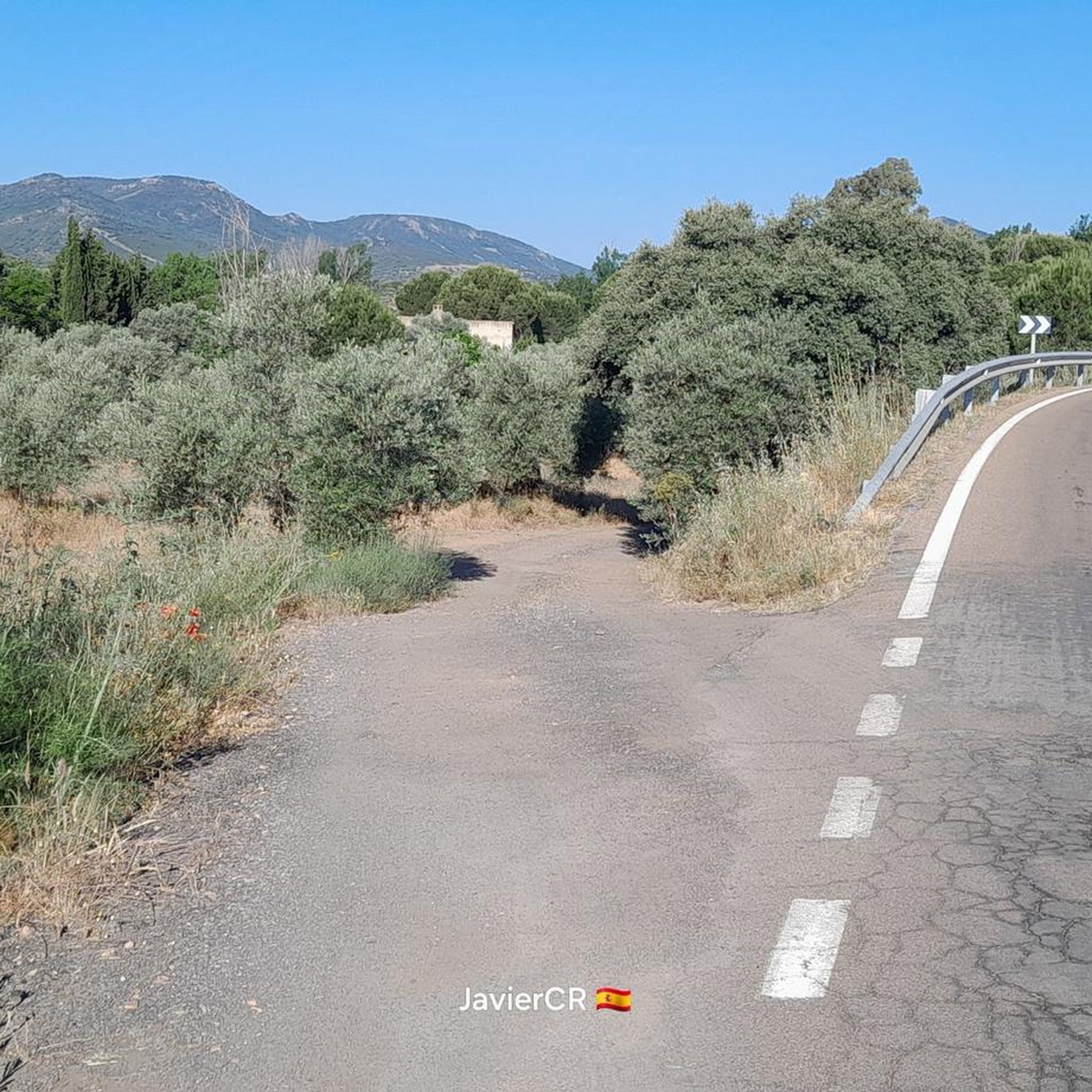
On Highway CM-4112, the Hermitage of San Isidro in Cabezarados is a place of great cultural and religious significance for the community. A pilgrimage is held in honor of San Isidro on May 15th, where the townspeople accompany the saint to his hermitage and spend a picnic together. During this celebration, a Mass is held at the hermitage, followed by a day of fellowship under the oak trees, where families enjoy meals specially prepared for the occasion. The hermitage is located in a beautiful natural setting, making it an ideal place to enjoy nature and the tranquility of the countryside.
13
0
On the CM-4112 road. The Hermitage of San Isidro in Cabezarados is a place of great cultural and religious importance for the community. A pilgrimage is held in honour of San Isidro on 15 May, where the townspeople accompany the saint to his hermitage and spend a day in the countryside together. During this celebration, a Eucharist is held in the hermitage, followed by a day of conviviality under the oaks, where families enjoy meals prepared especially for the occasion. The hermitage is located in a very beautiful natural setting, which makes it an ideal place to enjoy nature and the tranquillity of the countryside.
23
0
Cabezarados is located in the Tirteafuera river basin, in the western part of Campo de Calatrava, geographically nestled in the intermediate zone between the Montes de Toledo and the Alcudia Valley. Its natural and scenic surroundings invite you to carry out all kinds of activities related to nature. In the centre of the main square of Cabezarados stands the Jurisdictional Roll from the 15th century. This Roll was dismantled in the first decade of the 20th century, and its pieces distributed among all the residents of the town. On 23 January 1982, the Monuments Commission solemnly inaugurated the restoration of the Jurisdictional Roll that had been achieved after many years.
23
0
Monuments: The Church of Our Lady of the Visitation: With a single nave, covered with a gable roof, equipped with a side tower with a bell tower and entrance door on one side. The walls, built with quartzite, are rendered and whitewashed. Calabazas Castle: From the 13th century, from which only a cylindrical tower made of stone and plastered adobe and the demolished remains of the walls remain. Puente de las Ovejas: Old cattle counter of Roman origin. It is located on the Guadiana River. El Martinete: Iron foundry built around the 40s-50s of the 19th century, next to the Guadiana River, 4.6 km away. north of Los Pozuelos de Calatrava.
21
0
Located in the central part of the province, the surroundings of Los Pozuelos de Calatrava are characterized by presenting a soft relief characteristic of the Campo de Calatrava region. It is crossed from east to west by the Guadiana River and streams such as Fresno. As for its heritage, the Church of Our Lady of the Visitation stands out and it is worth walking along Calle Pozo.
12
0
Monuments: The Church of Our Lady of the Visitation: With a single nave, covered with a gable roof, equipped with a side tower with a bell tower and entrance door on one side. The walls, built with quartzite, are rendered and whitewashed. Calabazas Castle: From the 13th century, from which only a cylindrical tower made of stone and plastered adobe and the demolished remains of the walls remain. Puente de las Ovejas: Old cattle counter of Roman origin. It is located on the Guadiana River. El Martinete: Iron foundry built around the 40s-50s of the 19th century, next to the Guadiana River, 4.6 km away. north of Los Pozuelos de Calatrava.
11
0
Los Pozuelos was the village of Caracuel, achieving its own independence at the end of the 15th century. Its name comes from what this place had in the Middle Ages, when a small farm within the municipality of Caracuel constituted the antecedent of this town, which, as can be seen through the Topographical Relations of 1575, due to its scarce waters, would require to the opening of several small wells to supply the necessary flow.
25
0

Cabezarados is a small town on the banks of the Tirteafuera river between the Montes de Toledo and the Alcudia Valley. Pedaling along the CR-4110 road that crosses the town, you can see the jurisdictional Roll from the 15th century in the main square.
8
0
Frequently Asked Questions
What historical sites can I explore around Abenójar?
Abenójar is rich in history. You can visit the Sheep Bridge, an ancient structure used to count sheep traveling to the Alcudia valley. Another significant historical site is El Martinete, a 20th-century iron foundry near the Guadiana River. The municipality of Los Pozuelos de Calatrava also offers historical monuments like the Church of Our Lady of the Visitation and the remains of Calabazas Castle. Additionally, the 15th-century Jurisdictional Pillory of Cabezarados stands as a testament to the region's past.
Are there any natural attractions or features to see near Abenójar?
Yes, Abenójar offers several natural points of interest. The Cueva de los Muñecos is a geological wonder known for its unique stalactites and stalagmites. You can also explore the Fuente del Venero and Molino del Río in Fontanosas. The surrounding areas boast diverse flora, including holm oaks, strawberry trees, rockroses, and heather. For a recreational experience by the water, consider visiting the Los Ejidos de Luciana Recreational Area, located by the Bullaque River, where you can enjoy hiking and even swim.
What kind of traditional architecture can I find in Abenójar?
Abenójar's peculiar design reflects its historical significance, with traces of the important Camino de la Plata. You can appreciate small, interesting elements of traditional architecture scattered throughout the town. The Almazara el Pallarés, a 19th-century building, is a notable example of industrial architecture linked to olive oil production.
Are there family-friendly activities or places to visit around Abenójar?
Yes, several attractions are suitable for families. The settlement of Los Pozuelos de Calatrava is considered family-friendly, offering historical monuments to explore. The Jurisdictional Pillory of Cabezarados is also a family-friendly historical site. For outdoor recreation, the Los Ejidos de Luciana Recreational Area provides a pleasant environment for families to enjoy nature, hiking, and swimming by the Bullaque River.
What outdoor activities, like cycling, are available near Abenójar?
The region around Abenójar is excellent for road cycling. You can find several challenging routes, such as the 'Campo de Calatrava and Valle de Alcudia Loop' (136 km), the 'Abenójar, Saceruela, and Luciana Loop' (116 km), or the 'Almodóvar del Campo and Abenó' route (100 km). For more details on these and other road cycling routes, visit the Road Cycling Routes around Abenójar guide.
What is the significance of the Sheep Bridge?
The Sheep Bridge, also known as the thousand sheep or Merinas bridge, holds historical significance as it was built specifically to count sheep migrating from the north to the Alcudia valley. Shepherds had to pay a tribute called 'Portazgo' to use it, highlighting its role in the region's pastoral economy.
Can I visit the Cueva de los Muñecos?
Yes, the Cueva de los Muñecos is freely accessible. It's a natural wonder known for its unique stalactites and stalagmites that form 'doll-like' shapes. Visitors should exercise caution when exploring the cave.
What is the Ermita de Ntra. Sra. de la Encarnación?
The Ermita de Ntra. Sra. de la Encarnación is a significant site of popular religiosity in Abenójar. It is where a traditional pilgrimage takes place, believed to be the location of an apparition, making it an important cultural and spiritual landmark for the local community.
What is the Dehesa Boyal?
The Dehesa Boyal is an area near Abenójar notable as the site for the pilgrimage of San Isidro. It's a place of cultural and traditional importance, often associated with local festivities and religious practices.
What is Abenójar's historical connection to the Order of Calatrava?
Abenójar is considered one of the oldest towns in the province and has a strong historical connection to the Order of Calatrava. It was historically granted to this military order by King Alfonso VIII in 1153, shaping much of its early development and heritage.
What do visitors appreciate most about the attractions around Abenójar?
Visitors to Abenójar appreciate the blend of historical significance and natural beauty. The Sheep Bridge is often highlighted for its historical context and scenic surroundings. The preserved structures of El Martinete offer an interesting glimpse into industrial heritage, even from outside its fenced perimeter. The overall charm of traditional settlements like Los Pozuelos de Calatrava and the opportunities for outdoor activities are also highly valued.
Are there any recreational areas with water access near Abenójar?
Yes, the Los Ejidos de Luciana Recreational Area is located in the town of Luciana, right on the banks of the Bullaque River. It's a beautiful natural park where you can swim and cool off, making it an ideal spot for water-based recreation and relaxation.
Most popular routes around Abenójar

Get inspired with the komoot mobile app


Explore more
Still not found the Highlight you’re looking for? See guides of the top attractions in other regions:
