Attractions and Places To See around Yesa - Top 20
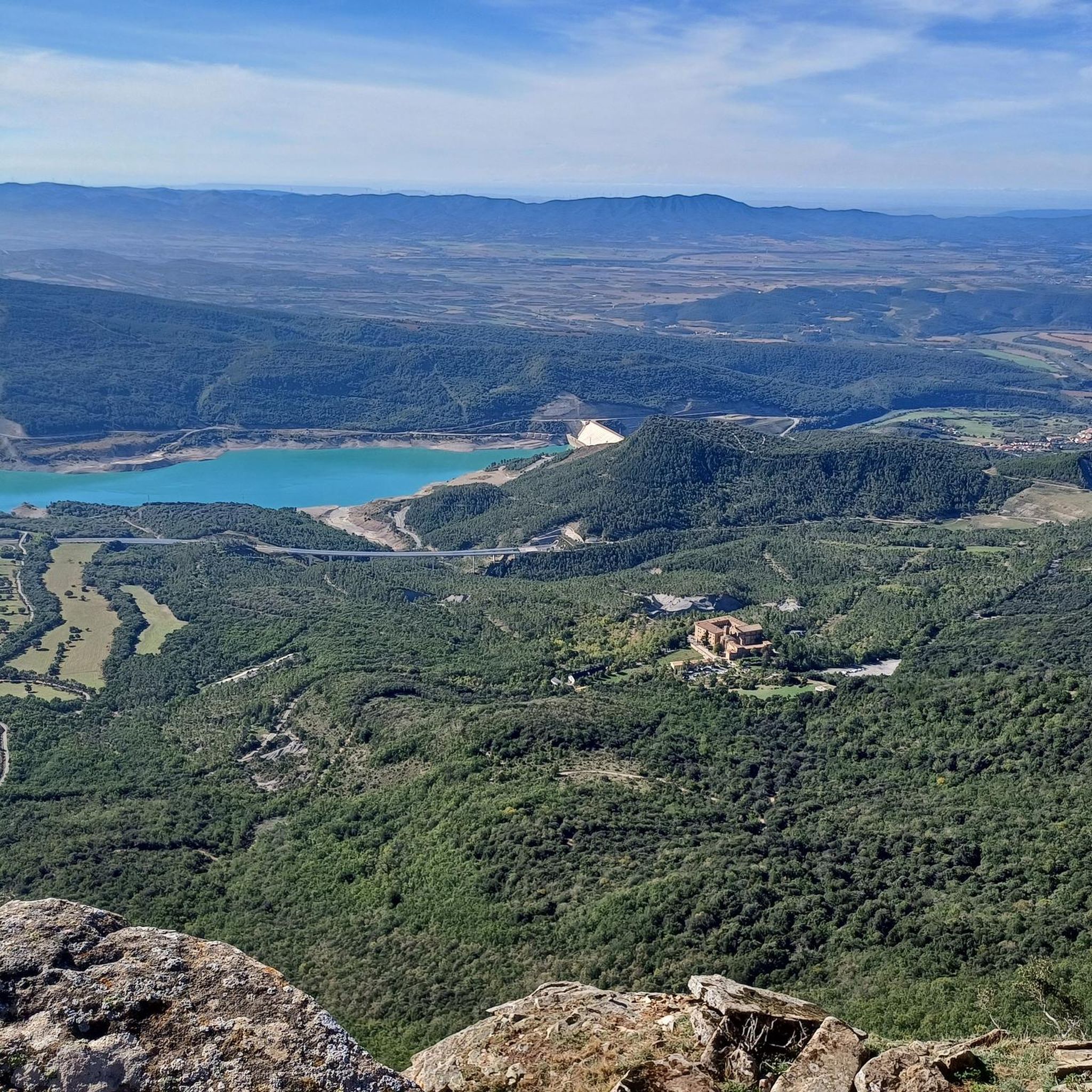
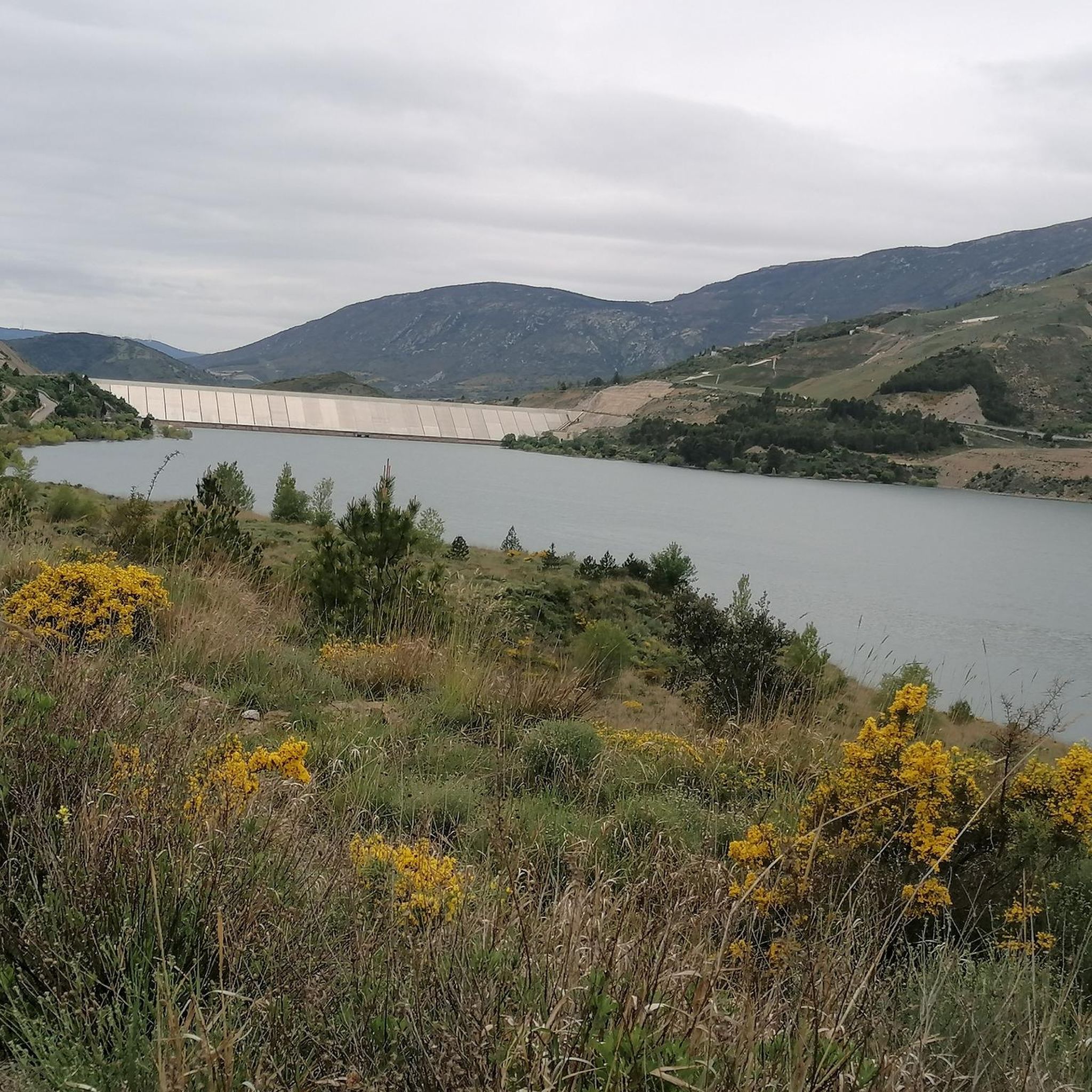
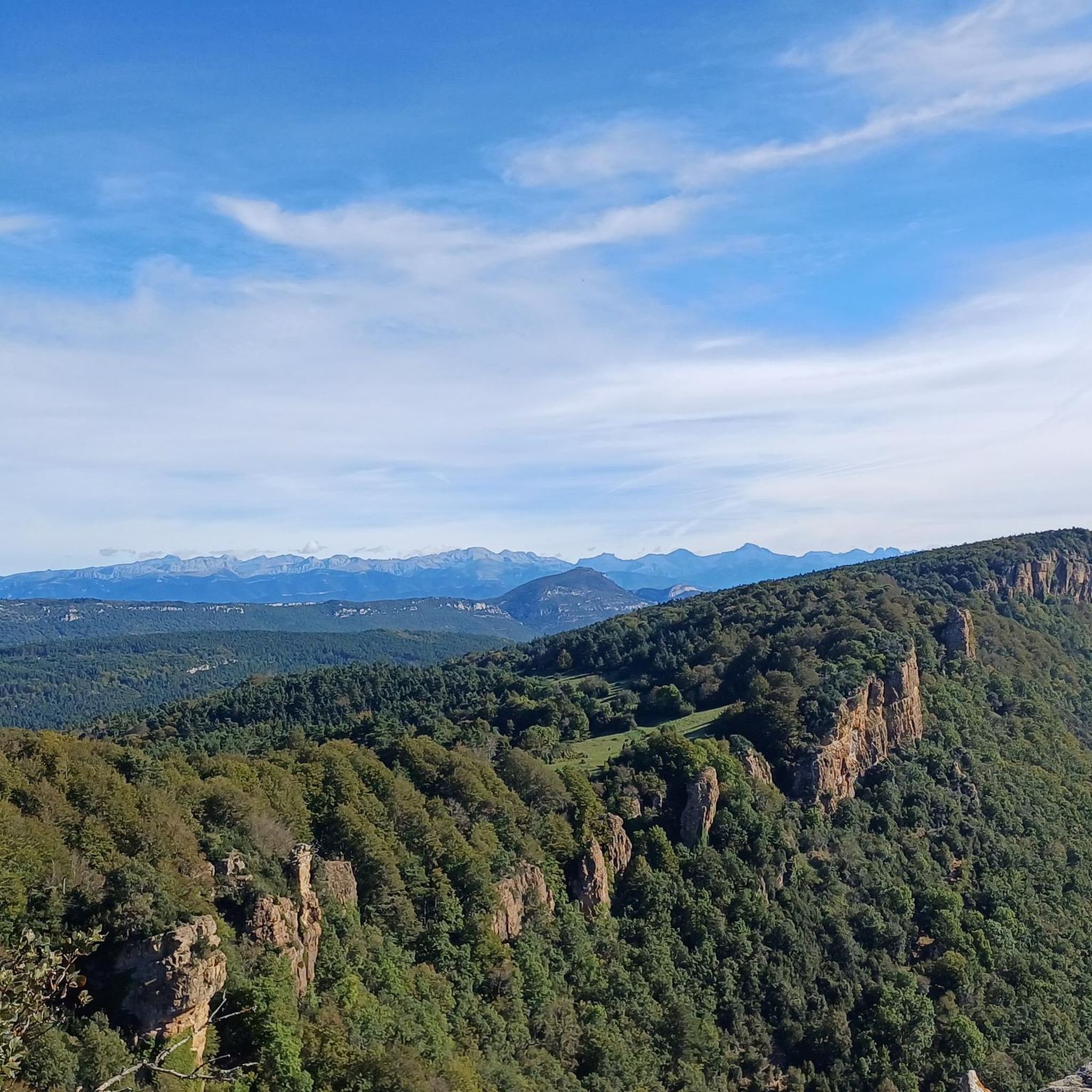
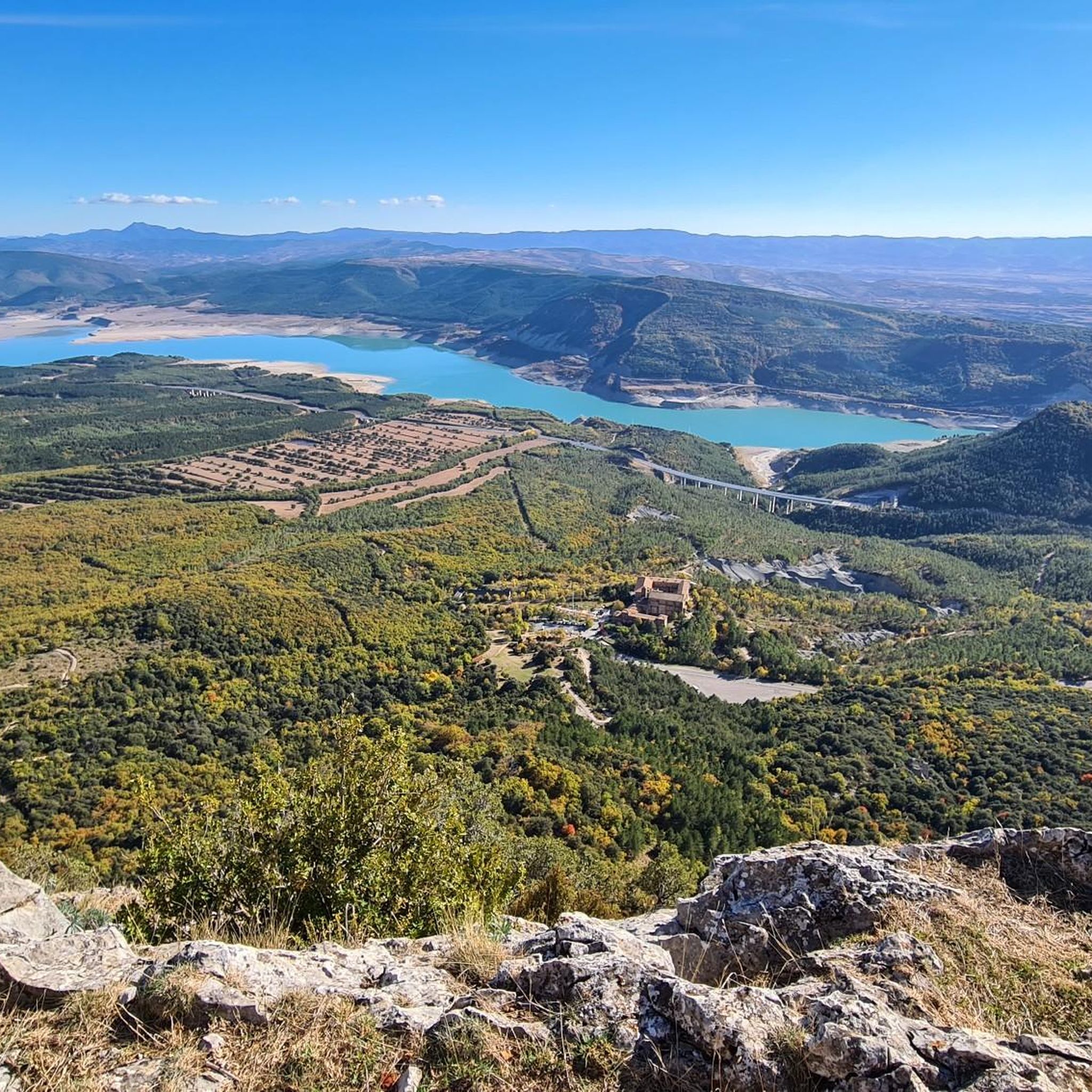
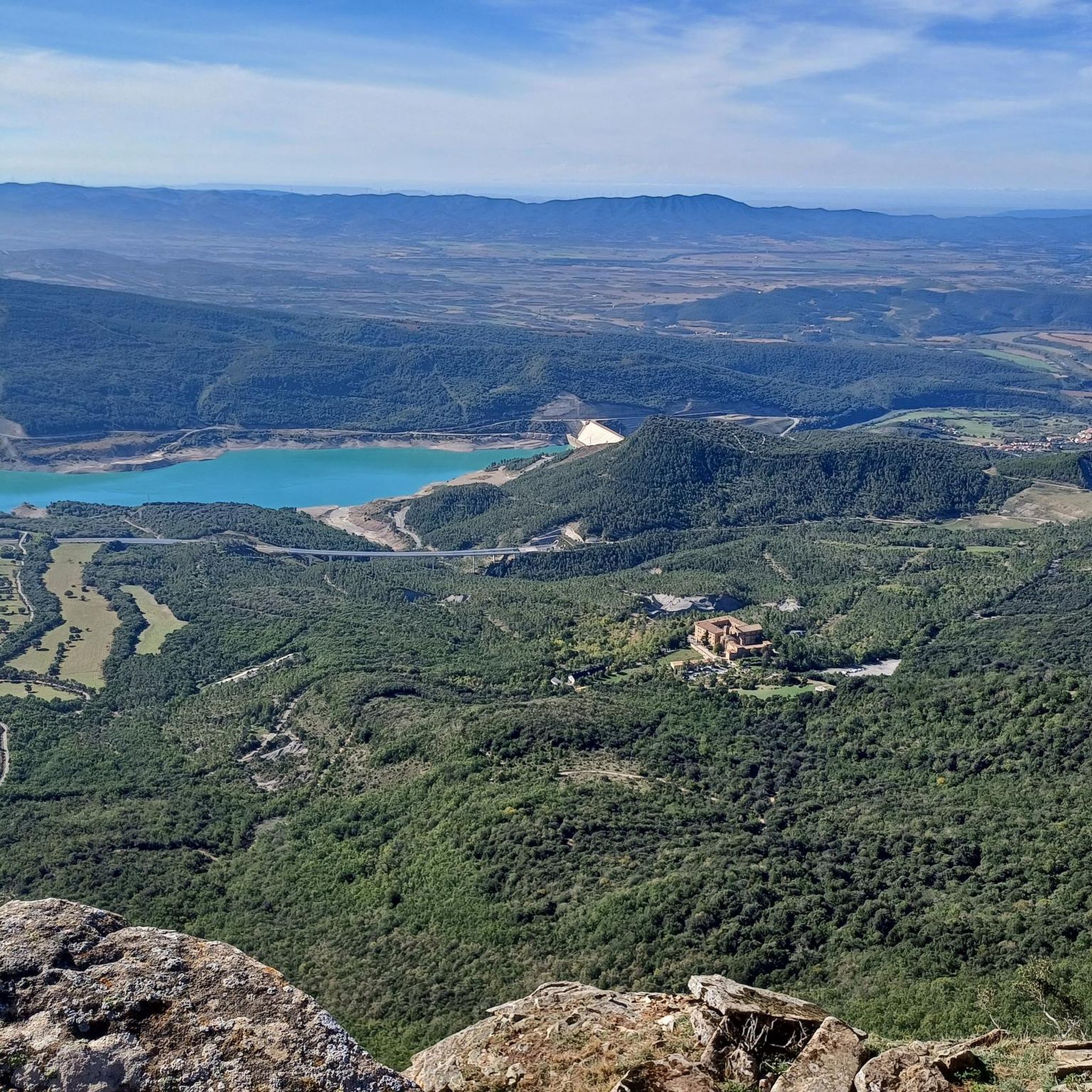
Best attractions and places to see around Yesa include a variety of natural and historical sites. Yesa, located in Navarre, Spain, is characterized by its mountainous terrain and the prominent Yesa Reservoir. The region offers opportunities to explore ancient monasteries, castles, and unique historical villages, alongside significant natural features.
Best attractions and places to see around Yesa
- The most popular attractions is Foz de Lumbier (Lumbier Gorge), a gorge that features an impressive canyon carved by the Irati River. This natural monument offers a circular path and tunnels, making it suitable for exploration.
- Another must-see spot is Irati Greenway, a trail that follows an old railway line. This route leads into the Foz de Lumbier Nature Reserve, offering a picturesque path for walking or cycling.
- Visitors also love Castle of Xavier, a historical castle. This site is the ancestral home of St. Francis Xavier and provides insights into his life and work through guided tours.
- Yesa is known for its natural features like the Yesa Reservoir and gorges, historical sites such as castles and monasteries, and various trails. The region offers a mix of outdoor activities and cultural exploration.
- The attractions around Yesa are appreciated by the komoot community, with 194 upvotes and 82 photos shared.
Last updated: August 16, 2026
Foz de Lumbier (Lumbier Gorge)
Highlight • Gorge
Translated by Google •
Tip by

Javier Castle
Highlight • Castle
The guided tour with an audio guide gives a really good impression of his family's life and his work as a Jesuit in India, Japan, and China.
Next to the castle, there is a large educational and retreat center of the Jesuits.
Centro d‘espitiualtad:
santuariojaviersj.org
Camino Ignaciano:
caminoignaciano.org/de
Showing Translation
Tip by

Sign up now to discover places like this
Get recommendations on the best single tracks, peaks, & plenty of other exciting outdoor places.
Sign up for free
Tunnel I
Highlight • Structure
Translated by Google •
Tip by

Ruesta Castle
Highlight • Castle
Translated by Google •
Tip by

Tunnel II
Highlight • Structure
Translated by Google •
Tip by
Sign up for free to discover even more attractions around Yesa.
Sign up for free
Already have an account?
Start today with a free account
Your next adventure awaits.
Login or Signup

Tips from the Community

A very pleasant little village with a beautiful castle. A visit inside is highly recommended; they store your bikes in the courtyard :)
0
0


There is very little shade on the entire circular route, only the last, short section in the gorge has shade. In summer it can get as hot as 40 degrees Celsius and then only the section in the gorge is recommended, not the circular hike.
1
1

It is a beautiful circuit from the campsite to the Castillo de Javier. There are a few climbs to be overcome by bike, but when you reach your destination you can enjoy the castle, which is still run by nuns - the Pope has also been there.
0
0

One of the places you should not miss in Navarra
0
0

The Castle of Xavier, built in the 10th century, is located on a hill in the town of Xavier. I used this village for my overnight stay on my way to Santiago de Compostela. From my room I had a view over this Castle, something I can recommend.
0
0

A very nice gorge to visit. We didn't expect. The many vultures that sat on the edges of the canyon were an added value
1
0
Frequently Asked Questions
What natural features can I explore around Yesa?
The Yesa area is rich in natural beauty. You can visit the Foz de Lumbier (Lumbier Gorge), an impressive canyon carved by the Irati River, offering stunning landscapes and tunnels. The Yesa Reservoir, also known as the “Sea of the Pyrenees,” is ideal for relaxation and water sports. When water levels recede, you can discover the remains of old natural thermal baths with sulphurous waters. The Irati Greenway follows an old railway line, providing a picturesque route through natural reserves.
What historical and cultural sites are there to visit near Yesa?
Yesa and its surroundings offer a rich historical tapestry. Explore the significant 9th-century Monastery of San Salvador de Leyre, nestled in the Leyre mountain range. Visit the Castle of Xavier, the ancestral home of St. Francis Xavier, which offers guided tours. You can also discover the medieval Ruesta Castle, an 11th-century defensive stronghold with excellent views of the reservoir, or the local Church of San Esteban in Yesa town.
Are there family-friendly attractions in the Yesa area?
Yes, several attractions are suitable for families. The Foz de Lumbier (Lumbier Gorge) is highly recommended for its circular path, tunnels, and bridges, making it an exciting adventure for children. The Irati Greenway offers a safe and scenic route for walking or cycling with the family. Additionally, the Castle of Xavier provides engaging guided tours that can be educational for all ages.
What outdoor activities are popular around Yesa?
The Yesa region is perfect for outdoor enthusiasts. The Yesa Reservoir is a hub for water sports like windsurfing, sailing, water skiing, and motorboating. Hiking and cycling are popular along the reservoir's banks and the Irati Greenway. The Aragon River is also a great spot for fishing, with trout, perch, and carp.
Are there good hiking trails near Yesa's attractions?
Absolutely. You can enjoy hiking along the banks of the Yesa Reservoir, where the Camino de Santiago also passes. The Foz de Lumbier (Lumbier Gorge) offers a circular path through its impressive canyon. For more detailed routes, explore the running trails around Yesa, which include options like the Foz de Lumbier Circular Trail.
Can I go cycling around Yesa?
Yes, cycling is a fantastic way to explore the area. The Irati Greenway, following an old railway line, is a picturesque route suitable for cycling. For more challenging rides, you can find various road cycling routes and MTB trails around Yesa, including loops around the Yesa Reservoir and the Castle of Xavier.
What water-based activities can I do at the Yesa Reservoir?
The Yesa Reservoir, often called the “Sea of the Pyrenees,” is perfect for a variety of water activities. You can go swimming, windsurfing, sailing, water skiing, and even motorboating. Additionally, when the water levels are low, you can explore the natural thermal, sulphurous waters that emerge from the old Roman baths.
What are the 'ghost towns' near Yesa, and can I visit them?
The construction of the Yesa Reservoir led to the abandonment of several ancient stone-built settlements, now known as 'ghost towns,' including Escó, Tiermas, and Ruesta. These offer a poignant historical experience. Escó features a largely intact 12th-century Romanesque church. Ruesta Castle, dating from the 11th century, provides good views of the reservoir. The ruins of Tiermas and its Roman baths become visible when the reservoir's water level drops, making them accessible for exploration.
What is the best time to visit Yesa for outdoor activities?
The best time to visit Yesa for outdoor activities largely depends on your interests. Spring and early summer offer turquoise waters at the Yesa Reservoir, reflecting the surrounding mountains, ideal for water sports and lush hiking. After summer, when the reservoir's water level recedes, the thermal waters and ghost towns like Tiermas become more accessible. The region's landscape shifts with the seasons, offering different experiences throughout the year.
What do visitors enjoy most about the Foz de Lumbier?
Visitors consistently praise the Foz de Lumbier (Lumbier Gorge) for its impressive canyon and stunning natural beauty. Many highlight the circular path and the experience of crossing tunnels and bridges, making it an ideal route for families. The landscape, with its wild water and steep cliffs, often surprises and delights visitors, especially with the sight of vultures flying overhead.
Where can I find more information about the Yesa Reservoir?
The Yesa Reservoir is a prominent feature of the region, often referred to as the “Mar del Pirineo” (Sea of the Pyrenees). For additional background and details on its significance and features, you can refer to its dedicated page on Wikipedia.
Are there any unique natural phenomena to observe in Yesa?
Yes, a unique natural phenomenon occurs at the Yesa Reservoir. After the summer, when the water level recedes, the remains of an old natural spa and Roman baths emerge. These thermal, sulphurous waters form natural rock pools and mud, attracting visitors seeking their therapeutic properties. The seasonal change in the reservoir's landscape itself is also a notable feature.
Most popular attractions around Yesa

Get inspired with the komoot mobile app


Explore more
Still not found the Highlight you’re looking for? See guides of the top attractions in other regions:
