The best cycling routes around San Vicente Del Palacio
4.5
(9)
40
riders
27
rides
Touring cycling routes around San Vicente Del Palacio traverse a landscape characterized by rivers, extensive pine forests, and historical pathways. The region is situated on significant historic routes like the Camino de Santiago de Levante and the Cañada Real Leonesa, offering established paths. Terrain varies from green meadows to sections with sandy paths, particularly after rainfall. The area features numerous small pine forests, often interspersed with holm oaks, providing natural beauty for cyclists.
Best touring cycling routes around San Vicente…
Last updated: June 28, 2026
2
riders
32.1km
02:42
90m
90m
Moderate bike ride. Good fitness required. Mostly paved surfaces. Suitable for all skill levels.
36.6km
02:06
100m
100m
Moderate bike ride. Good fitness required. Mostly paved surfaces. Suitable for all skill levels.

Sign up for free
5.0
(4)
8
riders
Easy bike ride. Great for any fitness level. Mostly paved surfaces. Suitable for all skill levels.
3
riders
Moderate bike ride. Good fitness required. Mostly paved surfaces. Suitable for all skill levels.
5
riders
52.6km
04:13
180m
180m
Moderate bike ride. Good fitness required. Mostly paved surfaces. Suitable for all skill levels.
Get access to more routes and recommendations from other explorers.
Sign up for free
Already have an account?
Our route recommendations are based on thousands of hikes, rides, and runs completed by other people on komoot.
Start today with a free account
Your next adventure awaits.
Login or Signup


Tips from the Community

Built in the 16th century by Diego Beltrán, a nobleman and member of the Royal Council of the Indies, around 1528–1533, on a site previously used on Santiago Street. Its design is attributed to the royal architect Luis de Vega. From 1602 to 1604, it housed the Royal Chancery; later, it served as the residence of the Marquis of Ensenada during his exile. In 1916, it was acquired by the Marquises of Argüeso; in 1950, it passed into the hands of the State and was used as a vocational institute, currently functioning as an educational center.
5
0
Also known as the Main Parish Church of San Antolín. The original parish dates back to 1177, founded by settlers from the north (Palencia) and dedicated to Saint Antolín. In 1480, the Catholic Monarchs obtained a papal bull from Pope Sixtus IV elevating its status to a collegiate church with a free abbey. Construction of the current church began in 1502 and continued into the 18th century, with prominent architects such as Juan Gil de Hontañón, Rodrigo Gil, and the Gutiérrez brothers. It lost its collegiate church status in 1851, becoming simply the main parish church.
9
0

This is a Renaissance building constructed in the 16th century. It was designed by Luis de Vega, who was the architect of Charles V. Importantly, the Marquis of Ensenada lived in exile and died in this building in December 1781.
11
0
This Gothic-style building began construction in 1503, although, as is often the case with such complex structures, it wasn't completed until almost two centuries later. It is a relatively large church, notable for the balcony of the Virgin of the People and the clock tower. The main entrance dates from the 18th century, while the side entrance is from the 16th.
11
0

It is a historic building that stands out as one of the most emblematic cultural treasures of the city. The collegiate church is, together with the Castle of La Mota, one of the most important historical buildings in Medina del Campo. Although its main part shows characteristics of the late Gothic style, its construction is complex and covers styles from the beginning of the 16th century to the 18th century.
9
0
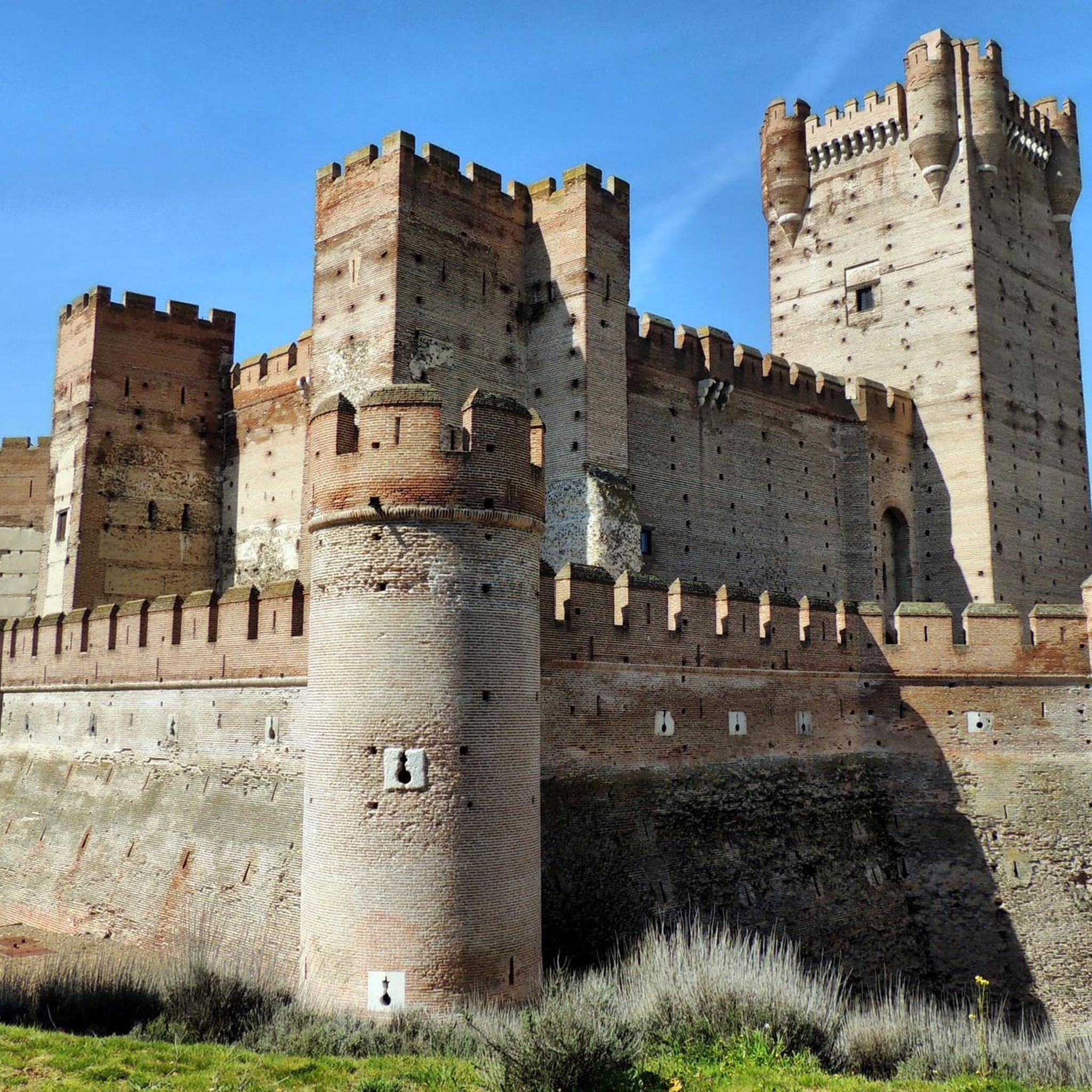
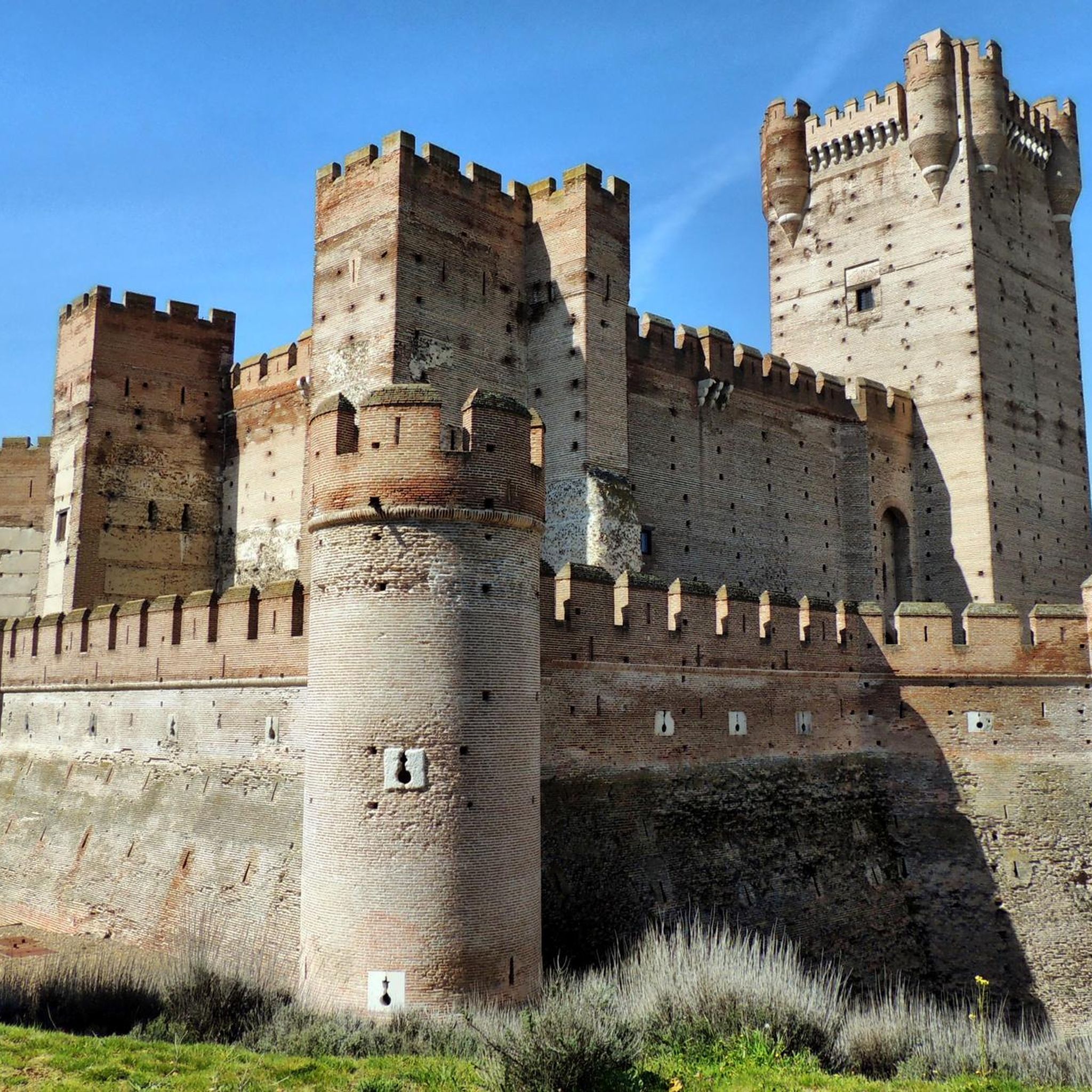
La Mota Castle is an impressive medieval fortress located in Medina del Campo. Built in the 14th and 15th centuries, this castle is located on a hill known as a “mota”, which allows it to dominate the town and its surroundings. The castle is famous for its reddish brick architecture, typical of the region, and has been restored to become an important tourist and educational centre. In addition to its historical value, the castle offers guided tours, underground galleries and cultural activities.
6
0
The Palacio de las Salinas Spa is an idyllic place to relax and enjoy a unique environment. In addition, its strategic location allows you to explore nearby places such as Tordesillas, Olmedo and Rueda. If you are looking for a refuge to take care of yourself and disconnect, this spa is an excellent option.
9
0
Frequently Asked Questions
How many touring cycling routes are available in San Vicente Del Palacio?
There are over 25 touring cycling routes around San Vicente Del Palacio, offering a variety of options for different skill levels and preferences. The komoot community has explored these routes over 60 times.
Are there easy touring cycling routes suitable for beginners or families?
Yes, San Vicente Del Palacio offers several easy touring cycling routes. For instance, the Castle of La Mota – Collegiate Church of San Antolín loop from Estación de Medina del Campo is an easy 11.2-mile (18.0 km) trail that takes about 1 hour 16 minutes to complete, passing by historical landmarks.
What kind of terrain can I expect on touring cycling routes in San Vicente Del Palacio?
The terrain around San Vicente Del Palacio is quite varied. You'll encounter green meadows, but also sections with sandy paths, especially after rainfall. The routes often traverse historical paths like the Camino de Santiago de Levante and the Cañada Real Leonesa, passing through local rivers and extensive pine forests.
Are there any challenging touring cycling routes in the area?
While most routes are moderate, there are a few more challenging options for experienced cyclists. The varied terrain, including sandy sections, can add to the difficulty, particularly after wet weather. There are 2 difficult routes available in the region.
What are some scenic viewpoints or natural features to look out for on the routes?
Cyclists can enjoy diverse natural beauty, including local rivers and numerous small pine forests, often interspersed with holm oaks. Keep an eye out for wildlife such as bustards and hares. From elevated points like the Torrejón de Serracín, you can take in expansive panoramic views of the surrounding countryside.
Can I find circular touring cycling routes in San Vicente Del Palacio?
Yes, many of the touring cycling routes in the area are circular. A popular option is the Medina del Campo and Moraleja de las Panaderas Loop, which is a moderate 19.9-mile (32.1 km) route offering a varied cycling experience.
What historical landmarks or attractions can I visit along the cycling routes?
The region is rich in history. You can cycle past the impressive Castle of La Mota in Medina del Campo, a medieval fortress. Other notable sites include the Collegiate Church of San Antolín, a Gothic structure, and the Palacio de Dueñas Courtyard, a 16th-century Renaissance building.
What is the best season for touring cycling in San Vicente Del Palacio?
The area can be enjoyed in various seasons. Spring and autumn generally offer pleasant temperatures for cycling. While the Zapardiel river can run with water and temporary lagoons appear after rainfall, creating green landscapes, some sandy paths might become heavy during wetter periods. Summers can be hot, and winters can bring cooler conditions.
What do other cyclists say about the touring routes in San Vicente Del Palacio?
The touring cycling routes in San Vicente Del Palacio are highly rated by the komoot community, with an average score of 3.3 stars from over 10 reviews. Cyclists often appreciate the blend of historical paths, diverse natural settings, and cultural landmarks.
Are there less crowded touring cycling routes available?
Given the total number of routes and the varied landscape, it's possible to find less crowded options, especially away from the most popular historical paths. Exploring some of the lesser-known local trails through pine forests can offer a more tranquil experience.
Are there any routes that follow historic paths?
Absolutely. San Vicente del Palacio is uniquely positioned on both the Camino de Santiago de Levante and the Cañada Real Leonesa. The Ruta de Carlos V - Medina del Campo Loop is a moderate 22.7-mile (36.6 km) path that specifically follows a historic route, immersing cyclists in the region's heritage.
Are there specific routes that pass by significant religious buildings?
Yes, several routes offer views of or pass close to significant religious architecture. For example, the Castle of La Mota – Collegiate Church of San Antolín loop from Estación de Medina del Campo includes the Gothic Collegiate Church of San Antolín. Within San Vicente del Palacio itself, the 18th-century Baroque church of Nuestra Señora de la Asunción is a notable landmark.
Most popular attractions around San Vicente Del Palacio

Get inspired with the komoot mobile app


Explore more
Browse the best Cycling routes in other regions.
