The best road cycling routes around Santibáñez De Vidriales
5.0
(2)
131
riders
20
rides
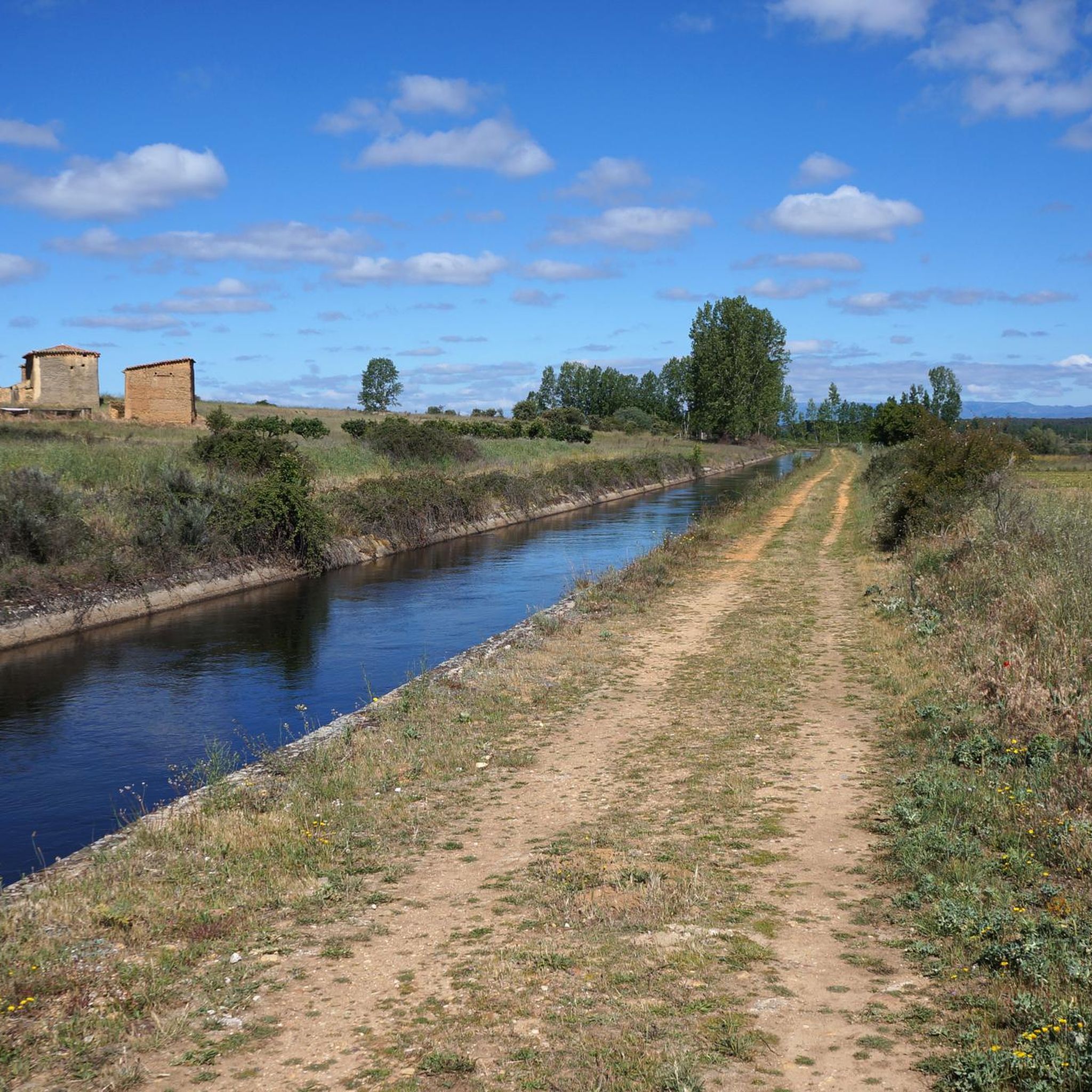
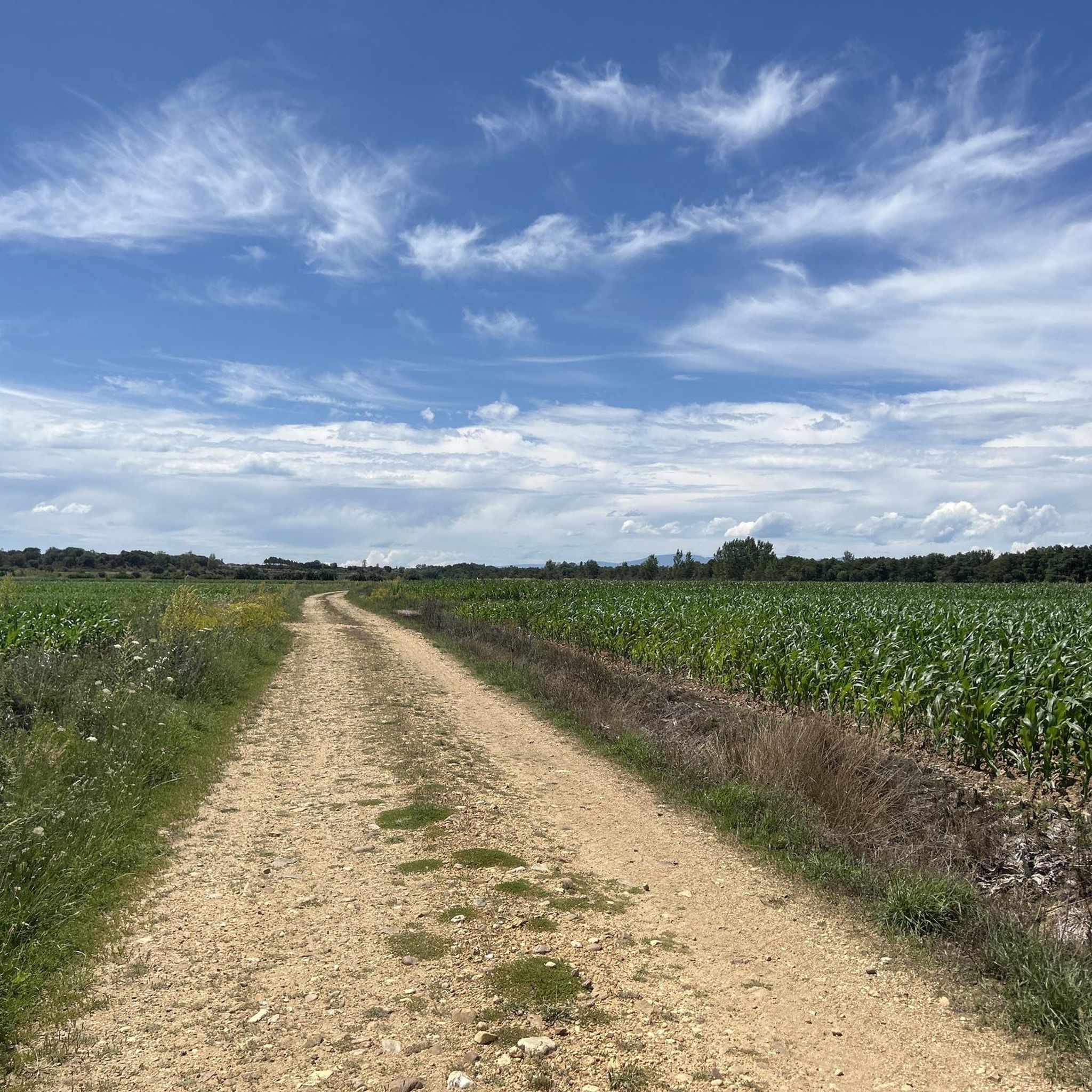
Road cycling around Santibáñez De Vidriales is characterized by gentle hills and expansive fields within a tranquil rural environment. The region, situated in the Valle de Vidriales, features manageable gradients suitable for road cyclists. The landscape includes diverse vegetation and is traversed by the Almucera stream, offering scenic backdrops for popular cycling routes. This area provides a blend of natural features and historical heritage for exploration.
Best road cycling routes around Santibáñez De Vidriales
- The most popular road cycling route…
Last updated: May 16, 2026
5.0
(1)
10
riders
66.2km
02:41
330m
330m
Moderate road ride. Good fitness required. Mostly well-paved surfaces and easy to ride.
8
riders
48.7km
02:03
280m
280m
Moderate road ride. Good fitness required. Mostly well-paved surfaces and easy to ride.

Sign up for free
7
riders
38.8km
01:37
200m
200m
Easy road ride. Great for any fitness level. Mostly well-paved surfaces and easy to ride.
5
riders
43.0km
01:55
290m
290m
Easy road ride. Great for any fitness level. Mostly well-paved surfaces and easy to ride.
4
riders
23.9km
00:59
120m
120m
Easy road ride. Great for any fitness level. Mostly well-paved surfaces and easy to ride.
Get access to more routes and recommendations from other explorers.
Sign up for free
Already have an account?
Our route recommendations are based on thousands of hikes, rides, and runs completed by other people on komoot.
Start today with a free account
Your next adventure awaits.
Login or Signup
Popular around Santibáñez De Vidriales

Tips from the Community

Dated between the 2nd and 4th centuries AD. C., consists of a building with fifteen rooms around a central patio. All of them have mosaics inside, mostly with geometric decoration. However, we find two rooms in which mythological characters are represented. Declared an Asset of Cultural Interest, this archaeological site has been known since the 19th century. XIX, when in 1861 the discovery of coins and other remains during the work on the road from Benavente to Mombuey was published. It was not until 2007 that the excavation began, with the museum opening in 2018.
0
0

This is the third and last reservoir in this area of the Tera river, which previously crosses two more to reach this dam. From this point the river continues until it joins the Río Esla.
0
0

An important archaeological site of a Roman Legion, the Petavonium Camp on the outskirts of the town of Santibáñez de Vidriales.
2
0
Brime de Urz is a small town at the foot of the Sierra de Carpurias. Walk to the small chapel at the top of the hill where you can take in beautiful views of the valley and mountains.
1
0
Rectangular wall that surrounds the ruins of the Castle-palace of the counts of Benavente built in the 15th century.
1
0
Arrabalde is a small town located between the Eria River and the Sierra de Carpurias that rises above it at 1000 meters above sea level. Head to the main square to admire the local church.
1
0

This 15th century castle is visible from the road. It is currently abandoned and mostly ruins, but the outer walls are preserved.
0
0
Right next to the road you will find these Roman ruins. From what I read, it was a Roman outpost protecting trade routes in the area.
0
0
Frequently Asked Questions
How many road cycling routes are available around Santibáñez De Vidriales?
There are over 20 road cycling routes in the Santibáñez De Vidriales area, catering to various skill levels. You'll find 10 easy routes and 11 moderate options, ensuring a suitable ride for most cyclists.
What kind of terrain can I expect on road cycling routes in Santibáñez De Vidriales?
The region is characterized by gentle hills and expansive fields, offering manageable gradients ideal for road cycling. Routes often wind through the serene rural environment of the Valle de Vidriales, with picturesque views and diverse vegetation, including aromatic plants like rockrose, thyme, and lavender.
Are there any easy road cycling routes suitable for beginners in the area?
Yes, there are 10 easy road cycling routes around Santibáñez De Vidriales. An example is the Camarzana de Tera – Camarzana de Tera loop from Camarzana de Tera, which is 24.1 miles (38.8 km) long and leads through the Vidriales Valley.
What are some notable landmarks or points of interest I can see along the road cycling routes?
Many routes offer glimpses of the region's rich historical and natural heritage. You might pass by sites like the Granucillo Castle or the Dolmen de San Adrián. The area also features the Tera Bridge and the Prehistoric Rock Formation of Arrabalde.
Are there any longer road cycling routes for experienced cyclists?
For those seeking a longer ride, the Granucillo Castle – Arrabalde Church loop from Santibáñez de Vidriales is a moderate 41.2 miles (66.2 km) route with 1090 feet (332 meters) of elevation gain. Another option is the Camarzana de Tera – Camarzana de Tera loop from Santibáñez de Vidriales, covering 30.3 miles (48.7 km).
What do other road cyclists enjoy the most about road cycling in Santibáñez De Vidriales?
The area is highly rated by the komoot community, with an average score of 5.0 stars. Cyclists often praise the tranquil rural environment, the manageable gradients, and the scenic views of the Valle de Vidriales.
Are there any circular road cycling routes available?
Yes, many of the routes in the area are designed as loops. For example, the Granucillo Castle – Arrabalde Church loop from Pozuelo de Vidriales offers a 43 km circular ride, and the Camarzana de Tera – Camarzana de Tera loop from Cabañas de Tera is a shorter 23.8 km option.
When is the best time of year for road cycling in Santibáñez De Vidriales?
The region's gentle hills and expansive fields are enjoyable throughout much of the year. Spring and autumn generally offer the most pleasant temperatures for cycling, avoiding the peak heat of summer while still providing good weather for exploring the rural landscapes.
Is the area suitable for family-friendly road cycling?
With 10 easy routes and manageable gradients, Santibáñez De Vidriales can be suitable for families. The tranquil rural environment and picturesque scenery provide a pleasant backdrop for rides, though specific family-focused amenities along routes may vary.
Are there any cafes or places to stop for refreshments along the road cycling routes?
While specific cafes directly on every route are not detailed, the routes often pass through or near small villages within the Valle de Vidriales. These villages may offer opportunities for refreshments, allowing you to experience the local charm during your ride.
What are the typical elevation gains on road cycling routes in this region?
The routes in Santibáñez De Vidriales are known for their manageable gradients. For instance, a moderate route like the Granucillo Castle – Arrabalde Church loop from Santibáñez de Vidriales has an elevation gain of about 1090 feet (332 meters) over 41.2 miles, indicating a generally rolling rather than mountainous terrain.
Most popular attractions around Santibáñez De Vidriales

Get inspired with the komoot mobile app


Explore more
Browse the best Road cycling routes in other regions.
