The best cycling routes around Cuéllar
5.0
(1)
48
riders
21
rides
Touring cycling around Cuéllar offers routes through varied landscapes, from open plains and rural fields to areas with hilly terrain. The region is characterized by its proximity to the Cega River and local pine forests, providing diverse natural settings. Former railway lines have been converted into cycling paths, offering relatively flat and direct options. These features combine to create a blend of cultural heritage and natural beauty for touring cyclists.
Best touring cycling routes around Cuéllar
- The most popular touring…
Last updated: November 2, 2026
52.1km
03:02
300m
300m
Moderate bike ride. Good fitness required. Mostly paved surfaces.
Moderate bike ride. Good fitness required. Mostly paved surfaces.

3
riders
27.0km
02:14
130m
130m
Moderate bike ride. Good fitness required. Mostly paved surfaces.
5.0
(1)
3
riders
23.4km
01:24
100m
100m
Easy bike ride. Mostly paved surfaces.
4
riders
Moderate bike ride. Good fitness required. Mostly paved surfaces.
Get access to more routes and recommendations from other explorers.
Already have an account?
Our route recommendations are based on thousands of hikes, rides, and runs completed by other people on komoot.
Start today with a free account
Your next adventure awaits.
Tips from the Community

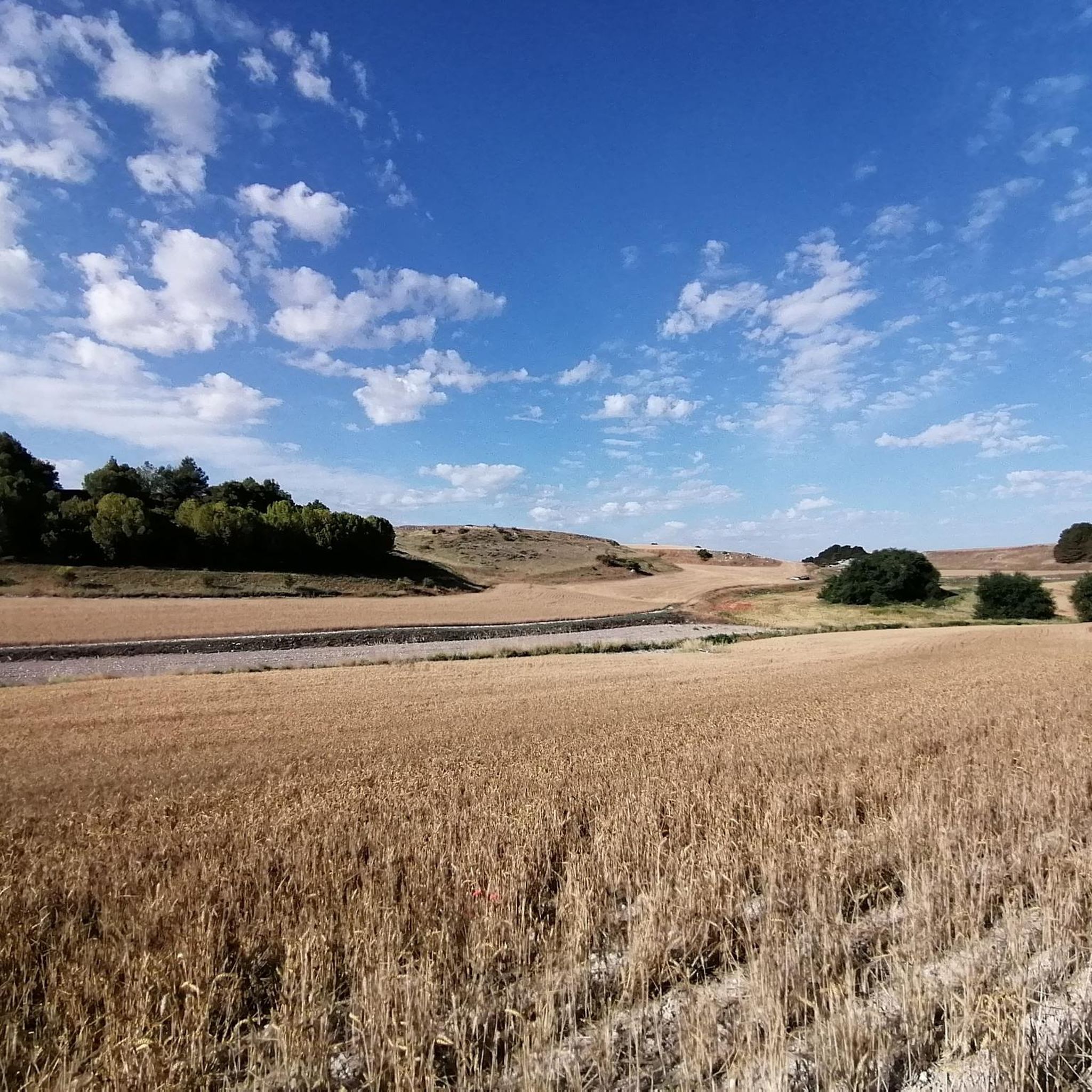
Very interesting... especially routes in autumn and spring when it rains so that the transit through the sands of the pine forests is not so complicated.
0
1

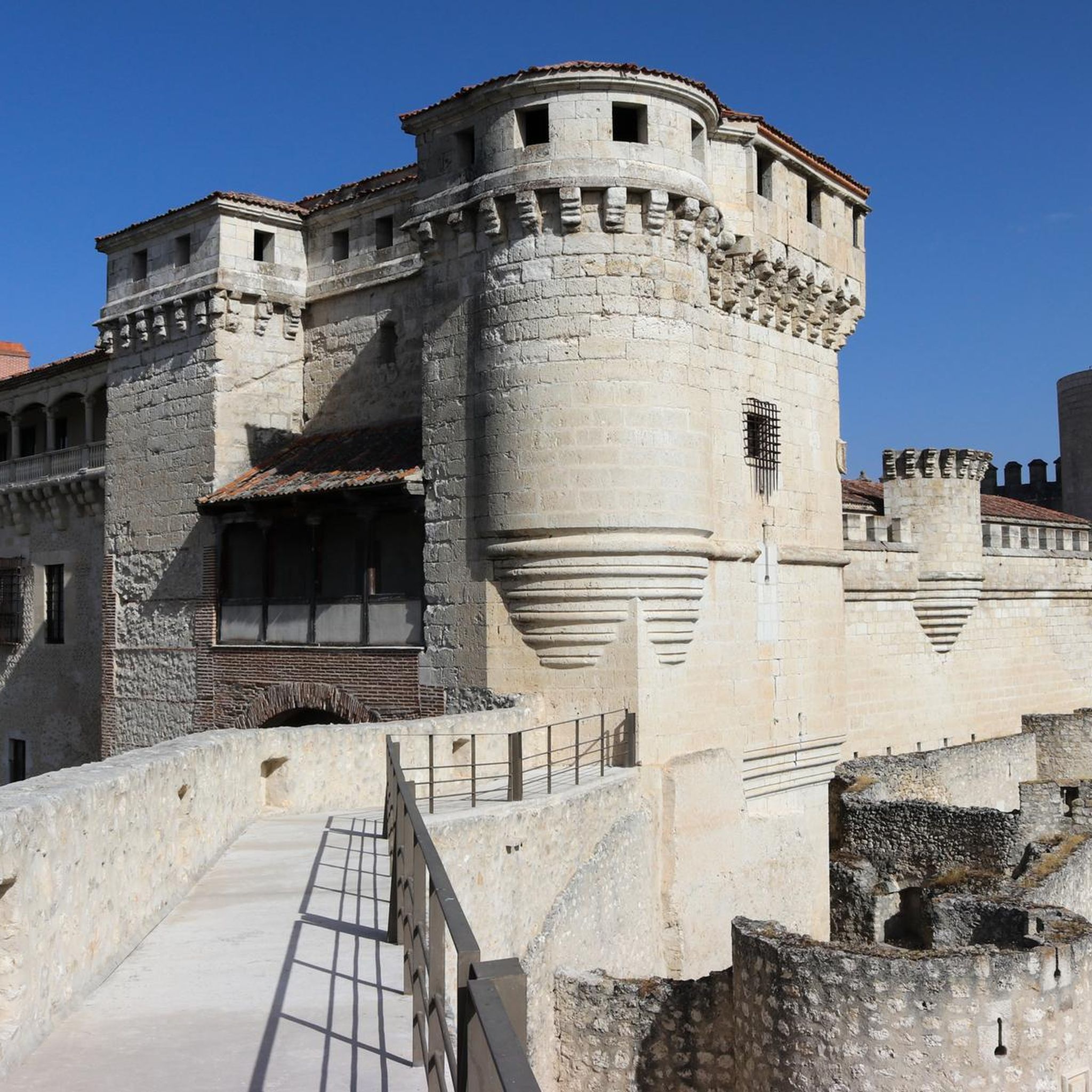
Cuéllar Castle, also known as the Castle-Palace of the Dukes of Alburquerque, is one of the town's most iconic monuments and has a rich history spanning several centuries. Construction of the castle began in the 11th century and was completed in the 17th century. Over the centuries, it has been expanded and renovated in various architectural styles, including Gothic and Renaissance. Its historical owners include Álvaro de Luna and Beltrán de la Cueva, as well as successive Dukes of Alburquerque. Currently, the castle houses the Cuéllar Tourist Office, and guided and dramatized tours are offered on weekends.
5
0
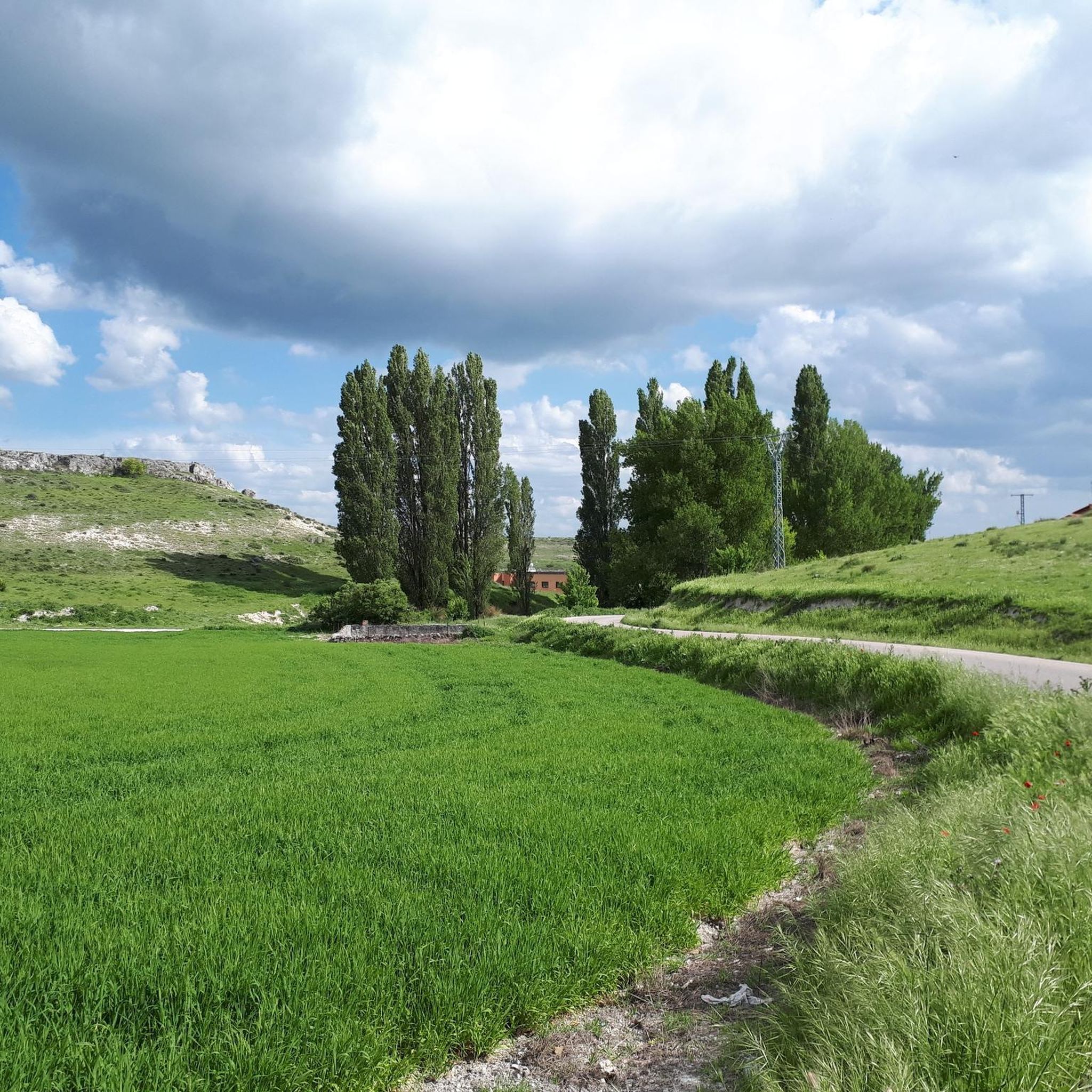
Nava de la Asunción is a Spanish municipality and town in the province of Segovia. Originally known as Nava de Coca, it belonged to the village and land community. Later, in 1773, King Carlos III granted it the title of Villa and added “La Asunción” to its name, in honor of the Virgin, patron saint of the town. I hope you found this brief description interesting! 😊
2
0
Documented since 1306, the castle has witnessed various events over the centuries. It was property of the Duchy of Alburquerque and hosted illustrious guests such as the kings of Castile, such as Juan I and Queen Leonor, as well as María de Molina. This castle is a historical treasure and a living testimony to the grandeur and diversity of architectural styles over the centuries. 🏰🌿
4
0
The Monastery of Santa María de la Armedilla was a monastery of the Order of San Jerónimo, today in ruins, located about 3.8 kilometers from Cogeces del Monte. The monastery was founded after the chance discovery by shepherds of an image of the Virgin Mary in a cave excavated in the rock. This gave rise to a Marian cult in the place and the construction of the monastery. The proximity of quarries and plasterworks in the area facilitated its construction, as well as the water supply. 🏰🌿
1
0

Armedilla Convent
0
0

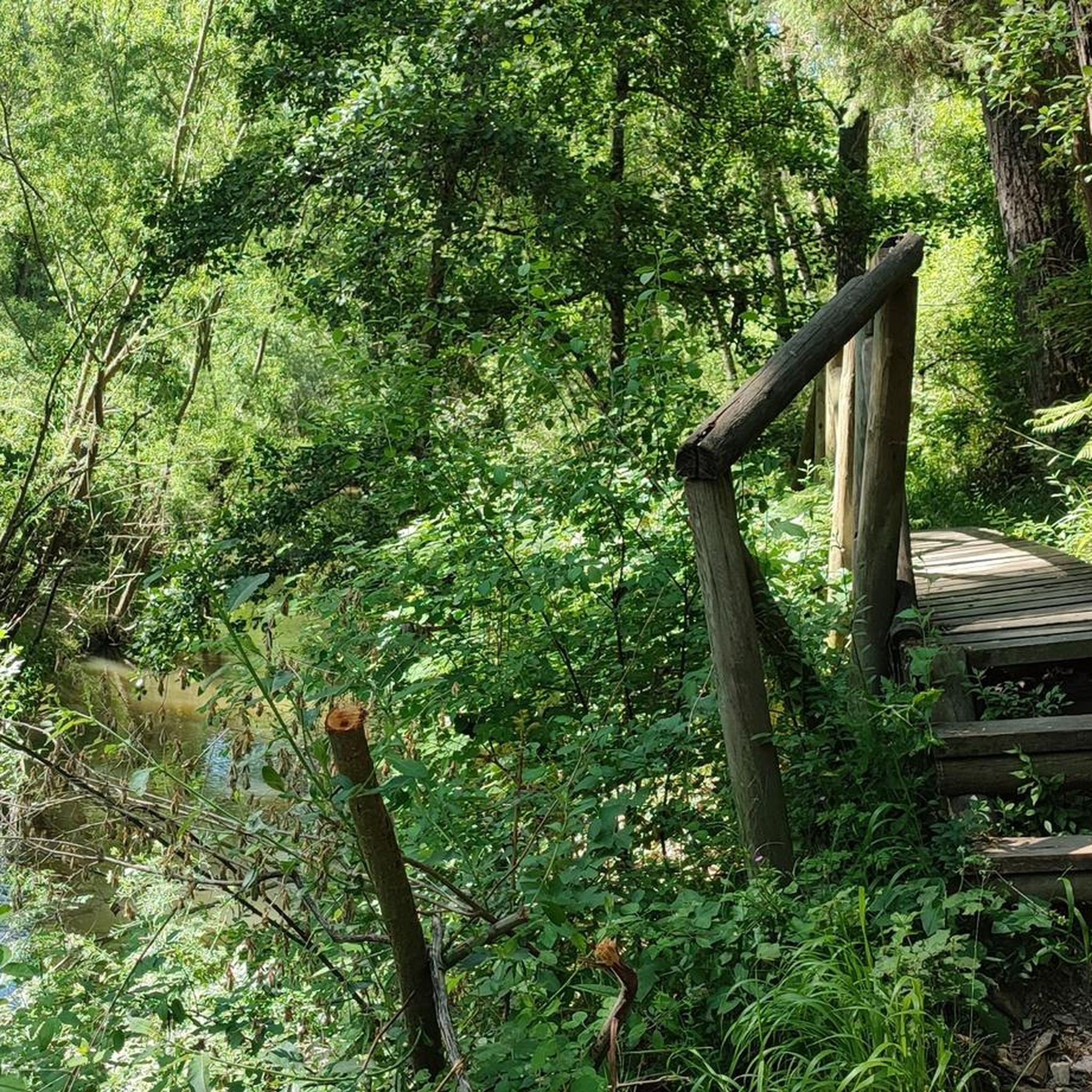
On the route of the Via Verde Valle del Eresma, at kilometer 49 towards Medina del Campo, and passing through Nava de la Asunción, a stop is mandatory for the walker or cyclist in consideration of what meets his gaze at this point. It is striking to come across figures carved in wood that represent the direction of the winds to stay where they blow. They reflect the knowledge that education provides to people to free them from the constraints of economic and religious systems that can limit freedom, folk stories, storks that open doors to information, birds of prey that pay homage to resin craftsmanship, life in a game of chess, fantasy turtles, greyhounds and hares and tubs of water tuned with sentences to read and analyze their content. In short, they are eleven works of art that invite us to reflect on the environment, with social messages, It is the work of many hours of dedication, taking advantage of the days of the pandemic and occupying the mind in offering the landscape an artistic aspect that serves as a call to attention for the inhabitants of Nava, to form a team of volunteers who take on the commitment to take care of the over five hundred tree and shrub plantations that cover the six hundred meters of this Greenway route. This is the objective desired by the author of the sculptures, Manuel Frías Trampal. “It is environmental awareness to enjoy a welcoming natural landscape over time. To do this, you just need to sponsor any of the planted tree species and dedicate your name to it. You don't need to sign up to any list, you just need to decide to sponsor and care for the plant with watering and weeding,” says the forestry engineer and professor at the School of Forestry Foremen in Coca.
1
0
On the route of the Via Verde Valle del Eresma, at kilometer 49 towards Medina del Campo, and passing through Nava de la Asunción, a stop is mandatory for the walker or cyclist in consideration of what meets his gaze at this point. It is striking to come across figures carved in wood that represent the direction of the winds to stay where they blow. They reflect the knowledge that education provides to people to free them from the constraints of economic and religious systems that can limit freedom, folk stories, storks that open doors to information, birds of prey that pay homage to resin craftsmanship, life in a game of chess, fantasy turtles, greyhounds and hares and tubs of water tuned with sentences to read and analyze their content. In short, they are eleven works of art that invite us to reflect on the environment, with social messages, It is the work of many hours of dedication, taking advantage of the days of the pandemic and occupying the mind in offering the landscape an artistic aspect that serves as a call to attention for the inhabitants of Nava, to form a team of volunteers who take on the commitment to take care of the over five hundred tree and shrub plantations that cover the six hundred meters of this Greenway route. This is the objective desired by the author of the sculptures, Manuel Frías Trampal. “It is environmental awareness to enjoy a welcoming natural landscape over time. To do this, you just need to sponsor any of the planted tree species and dedicate your name to it. You don't need to sign up to any list, you just need to decide to sponsor and care for the plant with watering and weeding,” says the forestry engineer and professor at the School of Forestry Foremen in Coca.
0
0
Frequently Asked Questions
How many touring cycling routes are available around Cuéllar?
There are over 10 touring cycling routes around Cuéllar, offering a variety of experiences. These routes range from easy loops to more moderate rides with some elevation gain, catering to different skill levels.
What kind of terrain can I expect on touring cycling routes in Cuéllar?
The terrain around Cuéllar is quite varied. You'll find extensive rural landscapes with open plains and fields, as well as hilly areas that provide more challenging rides and panoramic views. Many routes also pass through pleasant pine forests and along river valleys, with some even utilizing former railway lines for relatively flat and direct touring.
Are there easy touring cycling routes suitable for beginners or families in Cuéllar?
Yes, Cuéllar offers several easy touring cycling routes perfect for beginners or families. For example, the Cuéllar Castle – Torreón de Santo Domingo loop from Cuéllar is an easy 10.3-mile (16.57 km) trail that takes you through the historic town and past Cuéllar Castle, making it a great option for a relaxed ride.
What historical landmarks and natural features can I see along the touring cycling routes?
Many routes incorporate the rich history and natural beauty of the region. You can cycle past the impressive Cuéllar Castle, explore the historic old town, or visit the Armedilla Monastery. Other notable features include the Torreón de Santo Domingo and the scenic Senda del Cega trail.
Are there any circular touring cycling routes around Cuéllar?
Yes, there are several circular routes available. A popular choice is the Castillo de Cuéllar, Moraleja de Cuéllar y Olombrada — circular desde Cuéllar, a moderate 27.3-mile (43.96 km) path that takes you through historic landmarks and surrounding villages. Another option is the Armedilla Monastery Loop from San Miguel del Arroyo.
What is the best time of year to go touring cycling in Cuéllar?
Cuéllar offers pleasant cycling conditions for much of the year. Spring and autumn generally provide the most comfortable temperatures for touring, with lush landscapes in spring and vibrant colors in autumn. Summer can be warm, but early mornings or late afternoons are still enjoyable, especially on routes that pass through shaded pine forests or along river valleys.
Are there any challenging touring cycling routes for experienced riders?
While Cuéllar is known for its accessible routes, some areas feature hilly terrain that can provide a more challenging experience for experienced riders. Routes that venture into these elevated sections will offer greater elevation gain and reward cyclists with stunning panoramic views of the region.
Can I find routes that connect different villages or towns?
Absolutely. Touring cycling is an excellent way to discover the character of Cuéllar and its surrounding villages. Routes like the Castillo de Cuéllar, Moraleja de Cuéllar y Olombrada — circular desde Cuéllar will take you through several local settlements, offering a glimpse into authentic Spanish village life and opportunities for stops.
What do other touring cyclists enjoy most about cycling in Cuéllar?
The komoot community frequently praises the diverse landscapes, from tranquil open plains to scenic pine forests and historic towns. Cyclists particularly enjoy the blend of cultural heritage, with landmarks like Cuéllar Castle, and the natural beauty of the Cega River area. The variety of routes, including those on former railway lines, is also highly appreciated.
Are there routes that pass by the Armedilla Monastery?
Yes, the Armedilla Monastery Loop from San Miguel del Arroyo is a 32.3-mile (52.07 km) trail that specifically includes the Armedilla Monastery. Another option is the Armedilla Monastery – Cogeces del Monte loop from Cogeces del Monte, which also features this significant historical site.
What are the typical distances and durations for touring cycling routes in Cuéllar?
Routes vary significantly in length and time. You can find shorter, easy loops like the Cuéllar Castle – Torreón de Santo Domingo loop from Cuéllar, which is about 10.3 miles (16.57 km) and takes around 1 hour 16 minutes. Longer, moderate routes, such as the Armedilla Monastery Loop from San Miguel del Arroyo, can be over 32 miles (52 km) and take more than 3 hours to complete.
Are there any routes that follow old railway lines?
Yes, the region around Cuéllar features former railway lines that have been converted into cycling paths. These paths often provide relatively flat and direct touring options, allowing cyclists to experience the region's history while enjoying a smooth ride through varied landscapes.
Most popular attractions around Cuéllar

Get inspired with the komoot mobile app


Explore more
Browse the best Cycling routes in other regions.
