The best road cycling routes around Monfarracinos
4.1
(11)
892
riders
51
rides
Road cycling routes around Monfarracinos offer access to the diverse landscapes of the Zamora province in Spain. Located just north of Zamora city, Monfarracinos serves as a starting point for exploring routes that feature rolling hills, plains, and river valleys. The region is characterized by its proximity to the Duero River, providing routes with moderate terrain and views of historical towns. Cyclists can find varied challenges across well-paved roads, from easier paths to more demanding routes with elevation gains.
Best…
Last updated: October 29, 2026
20
riders
70.1km
02:53
340m
340m
5.0
(1)
17
riders
72.9km
03:13
660m
660m

88.8km
03:31
390m
390m
3.0
(1)
68
riders
71.7km
02:57
350m
350m
Moderate road ride. Good fitness required. Mostly well-paved surfaces and easy to ride.
5.0
(1)
42
riders
70.4km
03:23
650m
650m
Moderate road ride. Good fitness required. Mostly well-paved surfaces and easy to ride.
Get access to more routes and recommendations from other explorers.
Already have an account?
Our route recommendations are based on thousands of hikes, rides, and runs completed by other people on komoot.
Start today with a free account
Your next adventure awaits.
Tips from the Community

The Alcázar of Toro is a historic fortification located in the town of Toro (Zamora, Castile and León), with great heritage and scenic value. It was built in the 10th century during the Christian repopulation, as part of the defensive system against Muslim incursions. It was reinforced in subsequent centuries, especially in the Middle Ages, when Toro acquired strategic importance in the Kingdom of León and later in Castile. It played a prominent role in the War of the Castilian Succession (1475), in the famous Battle of Toro between supporters of Isabella I of Castile and Joanna la Beltraneja.
2
0
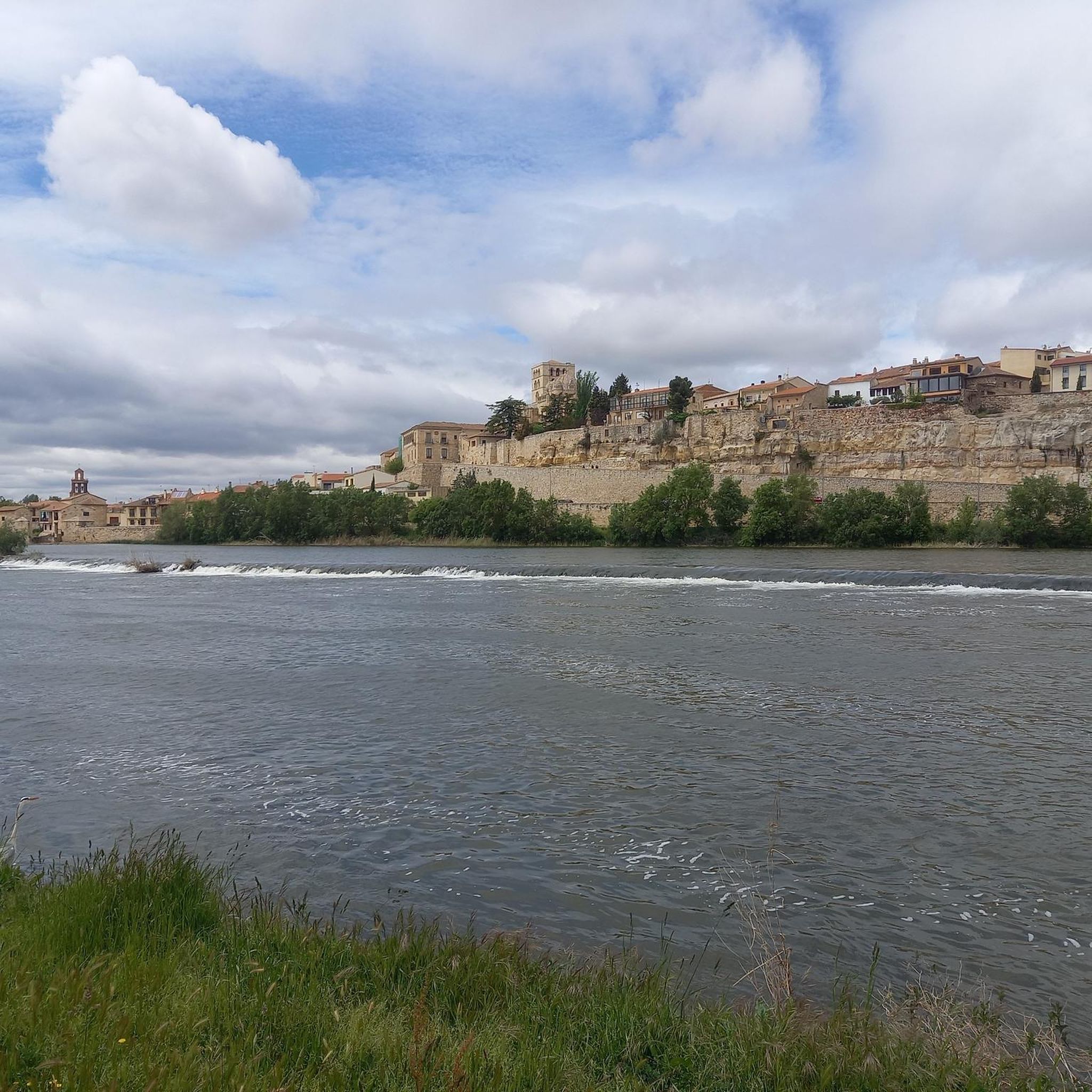
It spans the Duero River in Zamora (Castilla y León), connecting Avenida de Portugal (Pinilla neighborhood) with Calle de Salamanca in the city. The project began in 1882, with construction starting in 1892, under the direction of engineer Prudencio Guadalajara, to alleviate the overloading of the old Stone Bridge. Inaugurated in 1900, it represented a significant improvement in handling the growing traffic in the city. It was designed in steel, using a metal lattice structure of the St. Andrew's Cross type, typical of the late 19th century.
3
0

A beautiful square. It gets really busy from 8 p.m. onwards, when the Spanish nightlife begins.
3
0
Zamora Castle is a historic fortification located in the city of Zamora, in Castile and León. Built in the 11th century, the castle has witnessed numerous historical events and has undergone several modifications over the centuries. It has a rhomboidal plan and is surrounded by a deep moat. Its thick walls and the keep, which is the highest and served as the last defensive redoubt, stand out. The castle is a fascinating place to explore history and enjoy panoramic views of the city.
3
0
The Stone Bridge of Zamora, also known as Puente Nuevo in the Middle Ages, is one of the five bridges that cross the Duero River in Zamora, Castile and León. This Romanesque bridge was built in the early 13th century and has been renovated on several occasions.
5
1
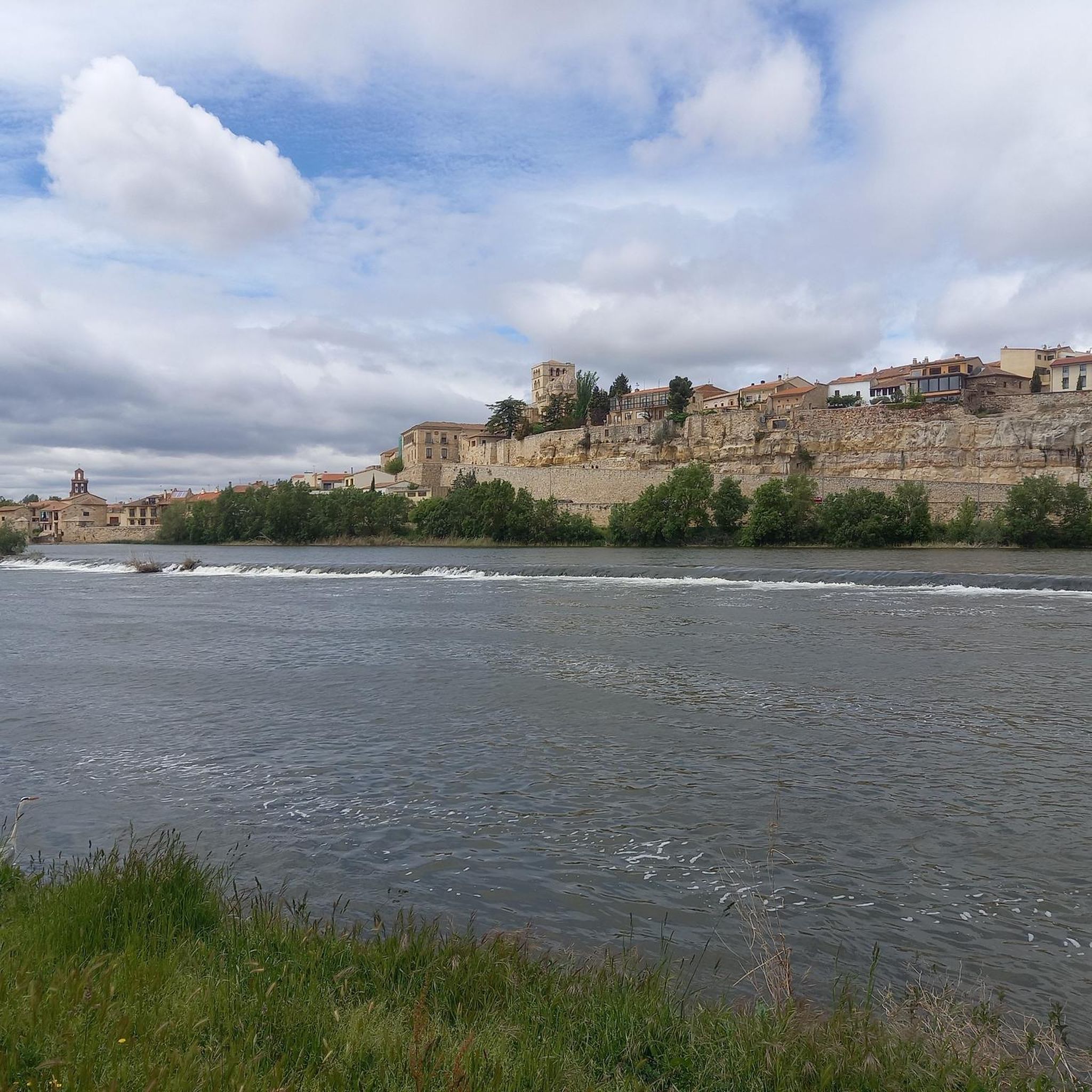
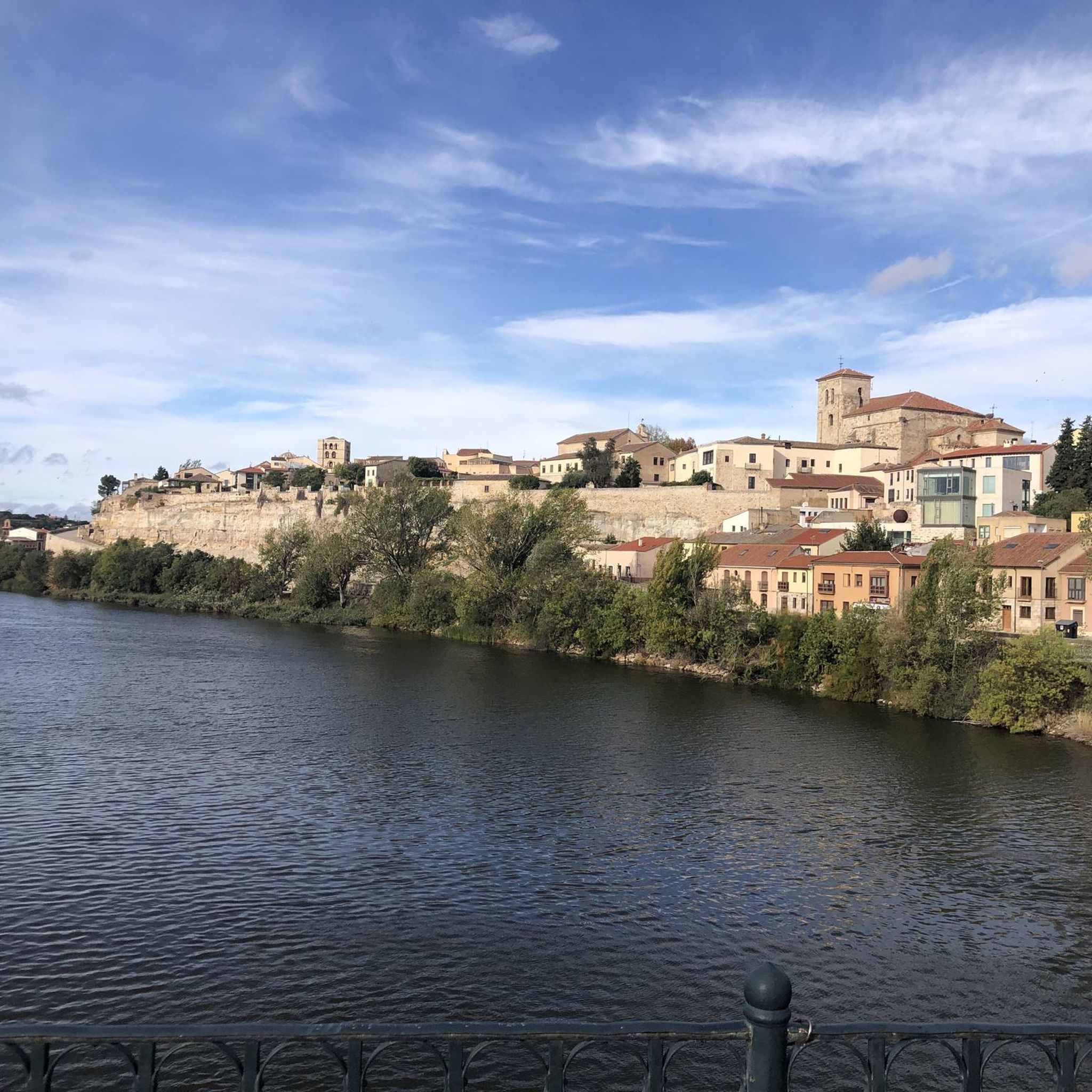
The Cathedral of San Salvador in Zamora, also known as the Cathedral of the Savior, is a Romanesque jewel and an important historical monument in Spain. The cathedral is an outstanding example of Douro Romanesque, with Byzantine influences, especially in its famous dome. It was built between 1140 and 1174 and is the smallest and oldest of the eleven cathedrals in the autonomous community of Castilla y León. To visit the Cathedral of San Salvador in Zamora and learn more about its history, architecture and the works of art it houses, you can consult its official website or plan a visit to experience its beauty in person. I hope you enjoy discovering this Spanish Romanesque treasure! 🏰✨
10
0

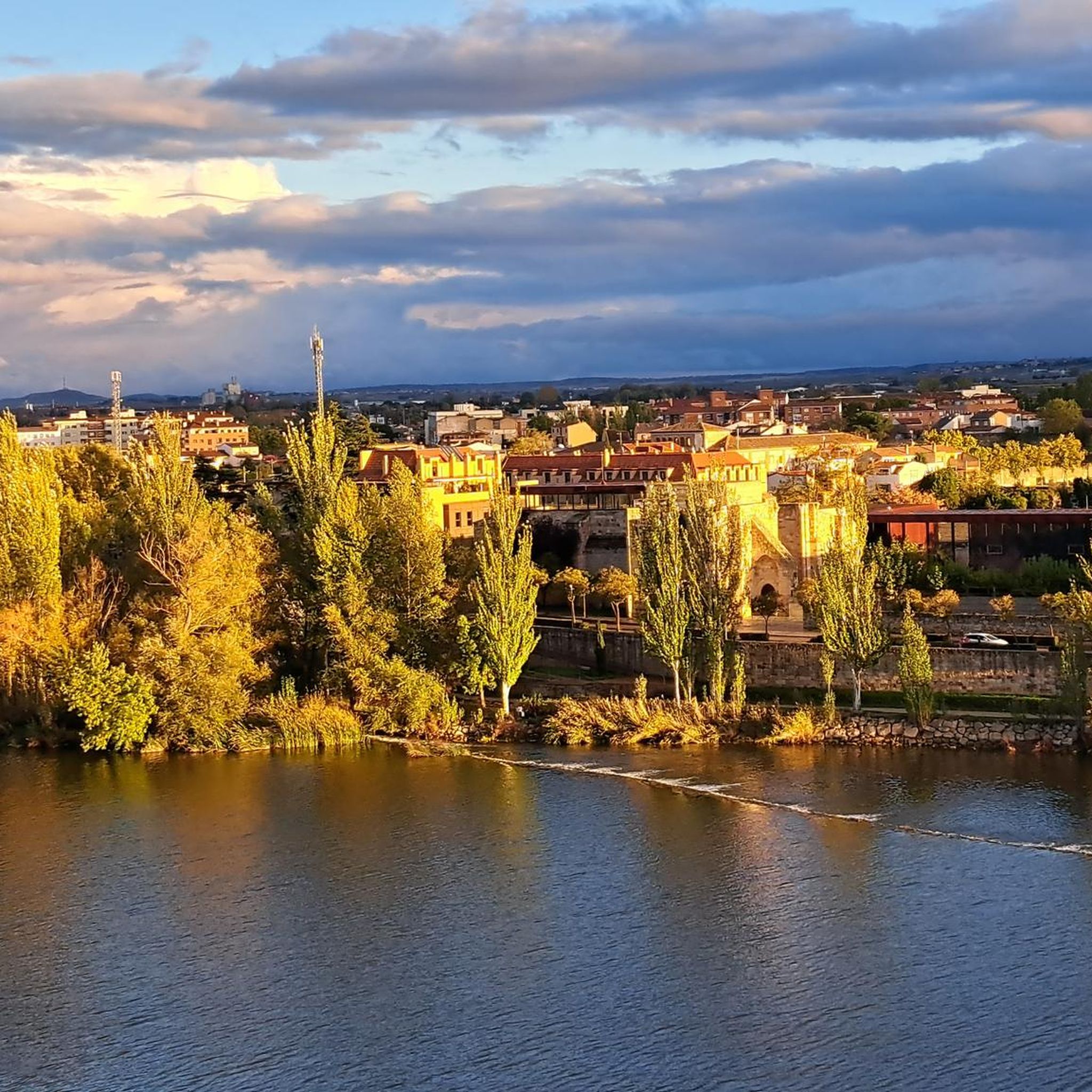
The best thing about the Puente de los Poetas is the panoramic view of the entire old town of Zamora, dominated by the tower and dome of the Cathedral, in front of the waters of the Duero River and, in the background, the Romanesque Bridge.
0
0
The inspiration for the Collegiate Church came from the Cathedral of Zamora, and its design also influenced other buildings, such as the Old Cathedral of Salamanca. Construction began in the 12th century under the auspices of the kings of León. It is one of the most characteristic examples of Romanesque in its transitional phase. The works extended over an unusually long period, from the last third of the 12th century to the middle of the 13th. The collegiate church was built in two stages: the first included the side portals, walls and layouts, while the second focused on the roof and a dome with attached towers. If you ever have the opportunity to visit Toro, don't miss the opportunity to explore this wonderful collegiate church. It is a true historical treasure! 🌟
3
1
Frequently Asked Questions
What kind of terrain can I expect on road cycling routes around Monfarracinos?
The region around Monfarracinos, in the Zamora province, offers a diverse mix of terrain for road cyclists. You'll find routes with rolling hills, expansive plains, and scenic river valleys, particularly along the Duero River. This variety provides options from easier, mostly paved surfaces to more demanding routes with significant elevation gains.
Are there road cycling routes suitable for beginners or those seeking an easier ride?
Yes, Monfarracinos and the surrounding Zamora province offer routes suitable for various skill levels. While many routes feature moderate challenges, there are options with less elevation gain and mostly well-paved surfaces, making them accessible for beginners or those preferring an easier pace. The region's plains and river valleys often provide gentler gradients.
What are some notable natural features or landmarks I can see while cycling near Monfarracinos?
Road cycling routes near Monfarracinos offer access to several impressive natural features. The Duero River and its dramatic canyons in the Arribes del Duero Natural Park provide stunning scenery. Further afield, you can explore the unique glacial landscapes around Lake Sanabria or the bird-rich Lagunas de Villafáfila. For historical landmarks, Zamora city itself boasts Romanesque architecture, including the Castle of Zamora and the Zamora Stone Bridge.
Are there any challenging road cycling routes for experienced riders?
Absolutely. For experienced riders seeking a challenge, the Zamora province offers routes with significant elevation gains and varied terrain. For example, the Puente de Hierro de Zamora – Puente de los Poetas loop from Zamora is a difficult route covering over 94 km with substantial climbing. The area around Lake Sanabria also features challenging circuits through glacial landscapes.
What is the best time of year for road cycling in the Monfarracinos area?
The Zamora province generally offers favorable conditions for road cycling for much of the year. Spring and autumn are often ideal, with pleasant temperatures and less extreme weather. Summers can be warm, especially in the plains, so early morning or late afternoon rides are recommended. Winters are cooler but can still be suitable on milder days.
Can I find circular road cycling routes around Monfarracinos?
Yes, many of the road cycling routes in the Monfarracinos area are designed as loops, allowing you to start and finish in the same location. Examples include the Zamora - Toro Duero River Loop and the Ricobayo Reservoir Loop from Zamora, which offer varied distances and scenery.
Are there any specific routes that pass through historical towns or villages?
Yes, the region is rich in history, and several routes connect historical towns and villages. The Zamora - Toro Duero River Loop, for instance, offers views of the historic landscape and connects Zamora with Toro, known for its vineyards and Mudejar art. The Tierra del Pan Villages Loop from Zamora also leads through charming villages in the plains.
What do other road cyclists appreciate most about cycling in Monfarracinos?
The road cycling routes around Monfarracinos are highly rated by the komoot community, with an average score of 4.0 stars from over 7 reviews. Cyclists often praise the diverse terrain, which includes river valleys, rolling hills, and historical towns, offering options for all ability levels. The well-paved roads and scenic views are also frequently highlighted.
Is public transport available to Monfarracinos, and can I bring my bike?
Monfarracinos is a small municipality located just 5 to 7 kilometers north of Zamora city. While local bus services connect Monfarracinos to Zamora, policies regarding bicycles on public transport can vary. It's advisable to check with the specific bus operator for their current regulations on carrying bikes before planning your journey.
Are there any cafes or amenities available along the road cycling routes near Monfarracinos?
While Monfarracinos itself is a small village, many road cycling routes connect to or pass through larger towns like Zamora and Toro, where you'll find a full range of amenities including cafes, restaurants, and shops. Even in smaller villages along the routes, you may find local bars or small stores, but it's always a good idea to carry sufficient water and snacks, especially on longer rides.
Are cycling permits required for road biking in the Zamora province?
Generally, specific cycling permits are not required for road biking on public roads in the Zamora province. However, if you plan to cycle within protected natural areas like the Arribes del Duero Natural Park or the Sierra de la Culebra, it's always prudent to check for any specific regulations or restrictions that might apply to certain trails or areas.
What kind of wildlife might I encounter while road cycling in the region?
The Zamora province is known for its diverse wildlife. While road cycling, you might spot various bird species, especially near the Duero River or the Lagunas de Villafáfila, which are crucial resting points for migratory birds. The Sierra de la Culebra, though further afield, is renowned for having the highest density of wolves in Spain, offering unique wildlife observation opportunities for those exploring that area.
Most popular attractions around Monfarracinos

Get inspired with the komoot mobile app


Explore more
Browse the best Road cycling routes in other regions.
