The best MTB trails around Aranda De Duero
4.2
(152)
931
riders
136
rides
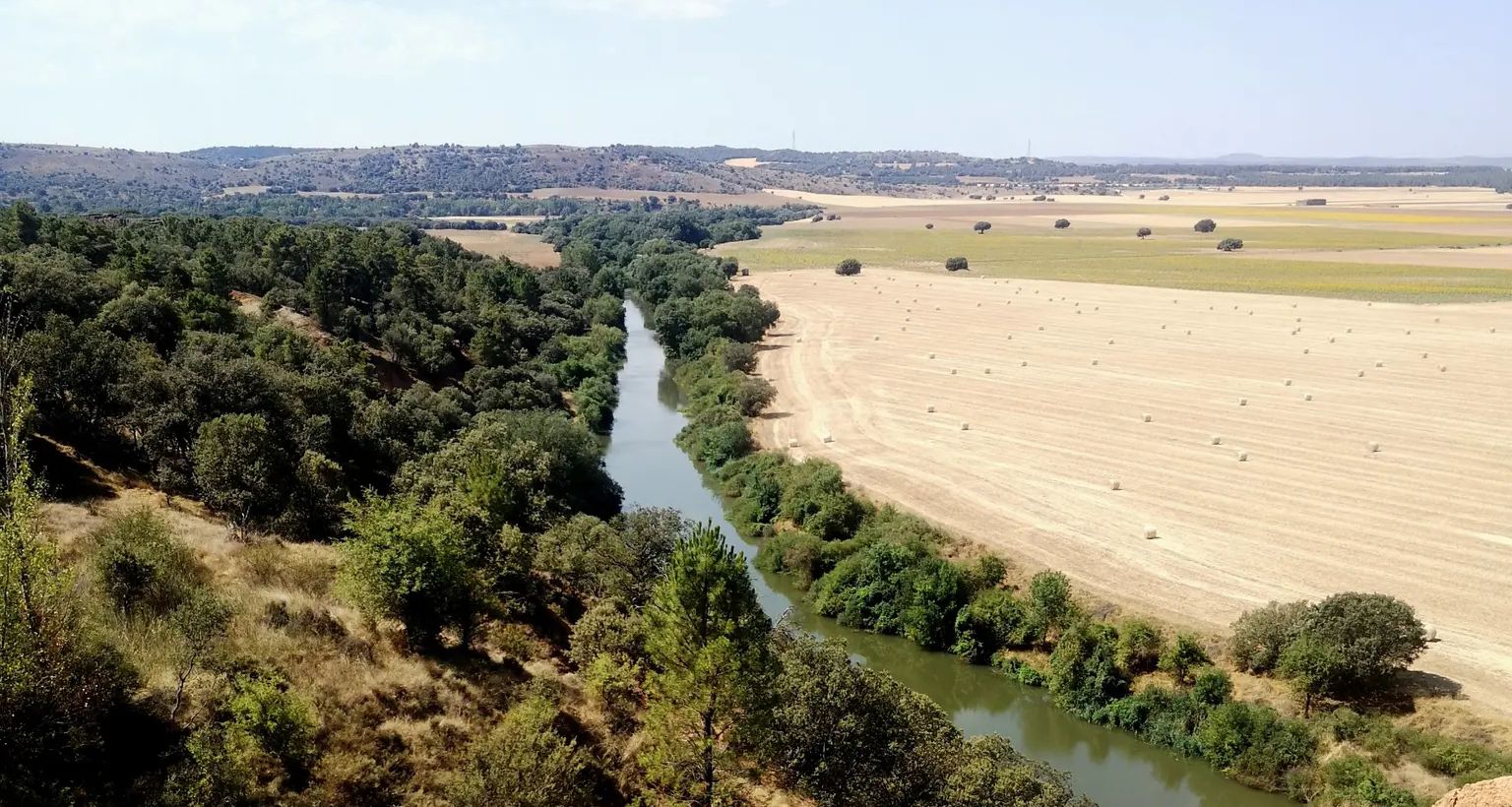
Mountain biking around Aranda De Duero offers a diverse landscape shaped by the Duero River and its tributaries, set within the expansive Castilian plateau. The region features a mix of riverside paths, vineyard tracks, and trails through agricultural land, providing varied terrain for cyclists. This area is characterized by gentle rolling hills and open countryside, with some routes incorporating moderate elevation gains. The confluence of the Duero, Arandilla, and Bañuelos rivers creates picturesque fluvial environments suitable for exploration.
Best mountain bike trails around Aranda De Duero
- The most popular mountain bike trail is Monte de La Calabaza — circular from Aranda de Duero, a 26.9 miles (43.3 km) trail that takes 3 hours 32 minutes to complete. This moderate route includes significant elevation gains, offering a challenging ride.
- Another top favourite among local mountain bikers is Ruta del Duero — circular desde Aranda de Duero por Roa, a moderate 34.8 miles (56.0 km) path. This route follows the Duero River, providing scenic views of the waterway and surrounding vineyards.
- Local mountain bikers also love the Aranda Bridge – Fuentespina loop from Aranda de Duero, a 27.7 miles (44.6 km) trail leading through varied terrain, often completed in about 3 hours 49 minutes.
- Mountain biking around Aranda De Duero is defined by the Duero River valley, the Castilian plateau, and extensive vineyards. The network offers options for easy, moderate, and difficult rides, catering to different ability levels.
- The routes in Aranda De Duero are highly rated by the komoot community with an average score of 4.1 stars from around 160 reviews. More than 1100 mountain bikers have used komoot to explore Aranda De Duero's varied terrain.
Last updated: May 20, 2026
4
riders
43.3km
03:32
390m
390m
Moderate mountain bike ride. Good fitness required. Advanced riding skills necessary.
4
riders
56.0km
04:11
240m
240m
Moderate mountain bike ride. Good fitness required. Advanced riding skills necessary.

Sign up for free
4.3
(15)
81
riders
44.6km
03:49
510m
510m
Moderate mountain bike ride. Good fitness required. Advanced riding skills necessary.
4.0
(7)
27
riders
29.6km
02:21
220m
220m
Moderate mountain bike ride. Good fitness required. Suitable for all skill levels.
5.0
(4)
24
riders
Moderate mountain bike ride. Great for any fitness level. Advanced riding skills necessary.
Get access to more routes and recommendations from other explorers.
Sign up for free
Already have an account?
Our route recommendations are based on thousands of hikes, rides, and runs completed by other people on komoot.
Start today with a free account
Your next adventure awaits.
Login or Signup

Other adventures around Aranda De Duero

Tips from the Community

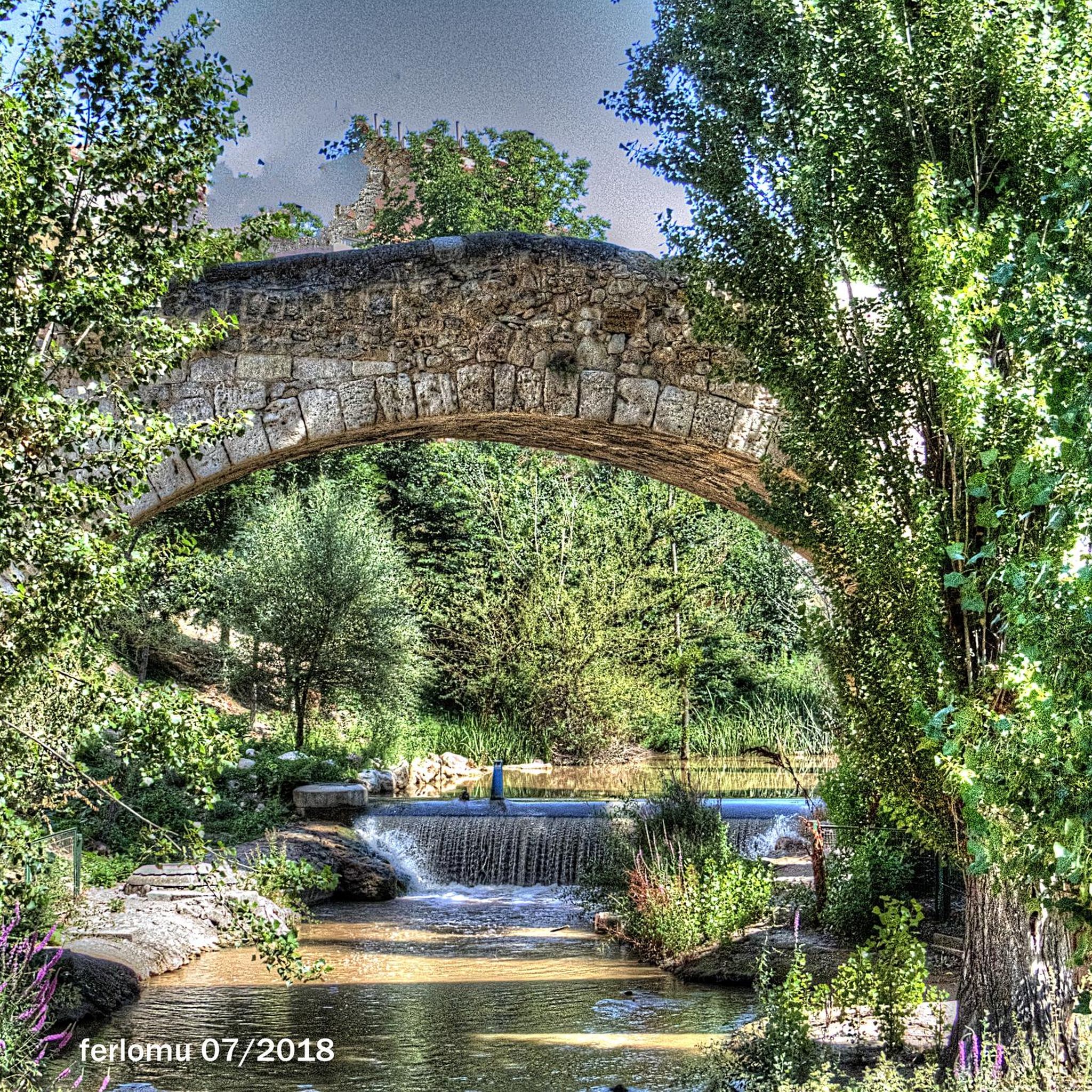
The bridge is built of stone and is characterized by its semicircular arches; it originally had four, although today it retains three due to later renovations. Over the centuries it has undergone numerous restorations, especially due to the floods of the Duero, one of the most important being the expansion and widening in the 19th century. In addition to its architectural value, it has been a strategic point for the passage of people, goods and herds, and today it is a symbol of the city and a very pleasant place to walk and enjoy the views of the river and Aranda de Duero. [iglesiaslocales.com], [edadesdelh...ogspot.com]
2
0
The Aranda de Duero Bridge, also known as Puente Mayor, is one of the city's most important historical elements, as it crosses the Duero River and has been key to its development. Although often called "Roman", it is actually a bridge of medieval origin, with references from the 12th-14th centuries, when it served as a fundamental crossing point on trade routes and the old Royal Road that connected the center and north of Spain.
2
0
Fuentespina, a small town in the province of Burgos in the Ribera del Duero, is a tranquil destination ideal for enjoying the rural environment and wine culture; the most interesting thing is to stroll through its traditional old town, visit the church of San Miguel, and above all explore its underground cellars and vineyards, as it is part of one of the most important wine regions in Spain. Additionally, from there you can take routes along the Duero River or visit Aranda de Duero, famous for its gastronomy (especially roast suckling lamb), making the visit a very complete experience combining nature, history, and wine tourism.
2
0

Aranda de Duero, in the province of Burgos, is the capital of the famous Ribera del Duero wine region. The city is known for its excellent wines and its network of underground wine cellars, medieval tunnels dug beneath the old town. It is also a top culinary destination, famous for its roast lamb and blood sausage. Its heritage includes Gothic churches such as Santa María la Real, which complement the cultural and culinary experience.
4
0
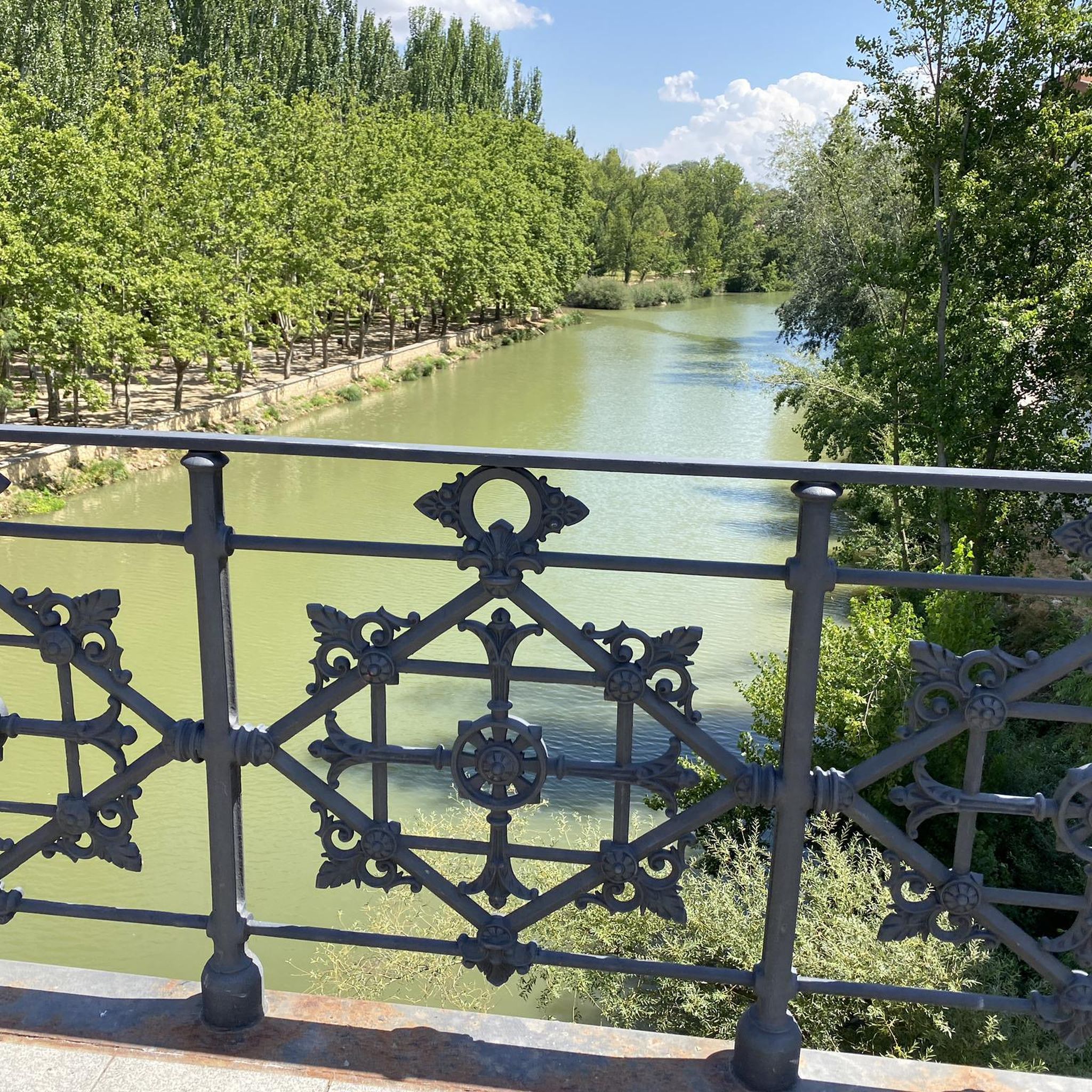
The Aranda de Duero Bridge, also known as the Puente Mayor, is a medieval stone bridge over the Duero River. It is a symbol of the city and its heritage, connecting the old town with the modern areas. Although it has been renovated over time, it retains its historic essence.
4
1
The Church of Santa María la Real is a prominent Gothic monument in Aranda de Duero, Spain. Its most notable feature is its main façade, a masterpiece of the 15th-century Isabelline Gothic style, richly decorated with detailed sculptures. It is a cultural and architectural landmark in the city.
4
0

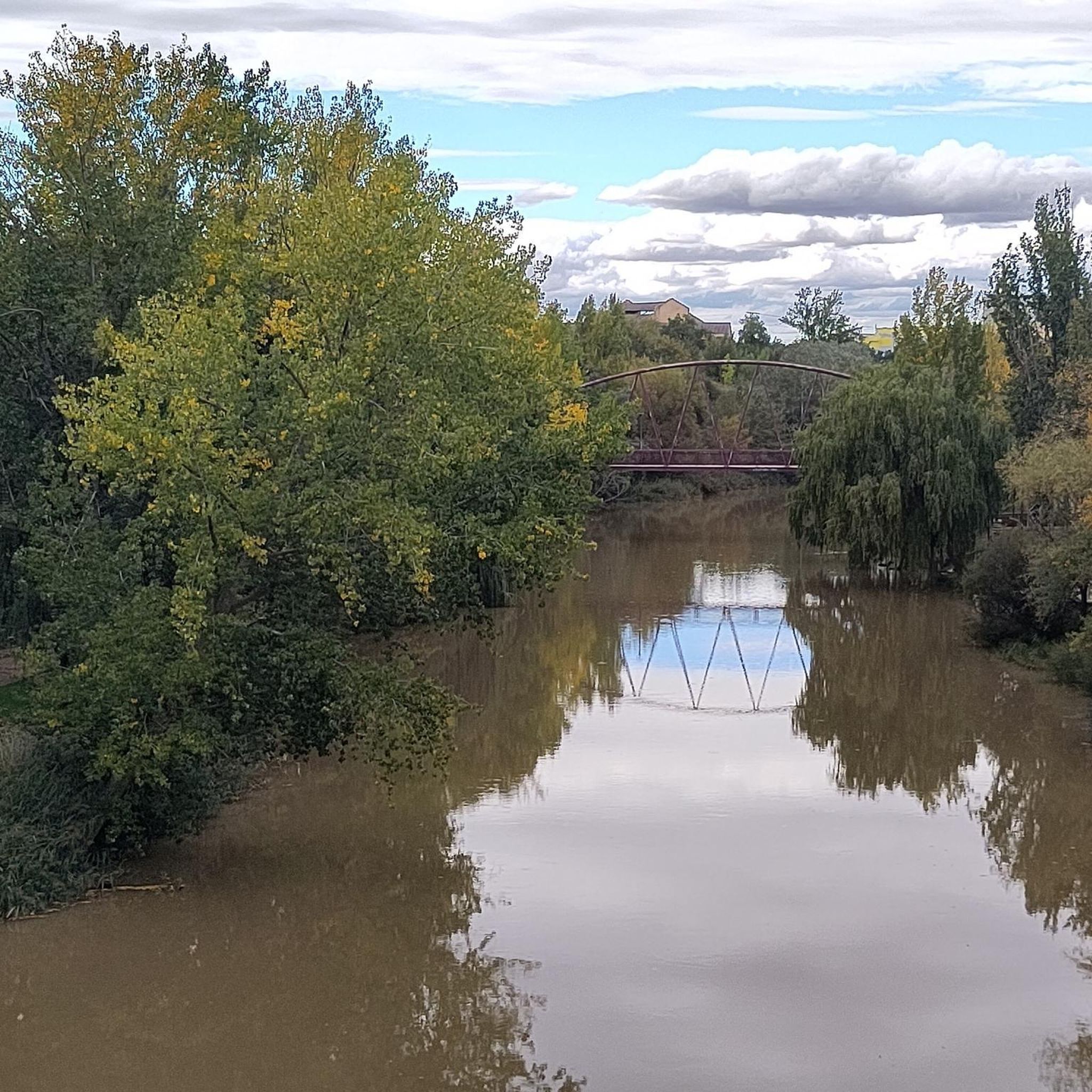
The most used bridge to connect both areas of the river.
1
1

Aranda de Duero is especially known for its gastronomy (roasted lamb and blood sausage from Aranda) and its wines from the Ribera del Duero Designation of Origin. In terms of architectural heritage, it is worth highlighting the church of Santa María la Real (with an incredible Gothic-Elizabethan façade), the church of San Juan (today a sacred museum), the Sanctuary of San Pedro Regalado and the 7 km of Underground Wine Cellars built between the 12th and 18th centuries in the Old Town.
1
0
Frequently Asked Questions
How many mountain bike trails are available around Aranda de Duero?
There are over 150 mountain bike trails around Aranda de Duero, offering a wide range of options for different skill levels. This includes 16 easy routes, 118 moderate routes, and 21 difficult routes.
What kind of terrain will I encounter on mountain bike trails near Aranda de Duero?
The terrain around Aranda de Duero is diverse, shaped by the Duero River and its tributaries, set within the Castilian plateau. You'll find a mix of riverside paths, tracks through extensive vineyards, and trails across agricultural land. The region features gentle rolling hills, open countryside, and some routes with moderate to significant elevation gains.
Are there mountain bike trails suitable for beginners in Aranda de Duero?
Yes, Aranda de Duero offers 16 easy mountain bike routes, perfect for beginners or those looking for a more relaxed ride. These trails often follow riverside paths or less challenging vineyard tracks, allowing riders to enjoy the scenery without significant technical demands.
What kind of challenge can advanced mountain bikers expect around Aranda de Duero?
Advanced mountain bikers can find challenging routes with significant elevation gains and varied terrain. There are 21 difficult routes available. For example, the Beautiful View – Pardilla Circuit loop from Aranda de Duero is a difficult route covering over 65 km with substantial climbing.
What natural features can I see while mountain biking near Aranda de Duero?
The region is rich in natural beauty. You can expect to see the Duero River and its tributaries (Arandilla, Bañuelos), extensive vineyards that define the Ribera del Duero wine region, and the characteristic landscapes of the Castilian plateau. Some routes, like the Ruta del Duero — circular desde Aranda de Duero por Roa, offer scenic views along the waterway.
Are there any historical landmarks or points of interest along the mountain bike routes?
Yes, Aranda de Duero and its surroundings are steeped in history. You might encounter medieval bridges over the Duero River, such as the Aranda Bridge. Other notable points of interest include the Church of Santa María la Real of Aranda de Duero and the Monastery of Santa María de la Vid. The region also features charming settlements like Peñaranda de Duero and Haza and its castle, which can be explored as part of your ride.
What do other mountain bikers enjoy the most about mountain biking in Aranda de Duero?
The mountain bike trails around Aranda de Duero are highly rated by the komoot community, with an average score of 4.1 stars from over 160 reviews. Riders often praise the diverse landscape, the mix of riverside paths and vineyard tracks, and the options available for all skill levels. Over 1100 mountain bikers have used komoot to explore the varied terrain here.
Are there any circular mountain bike routes in Aranda de Duero?
Yes, many mountain bike routes around Aranda de Duero are circular, offering convenient starting and ending points. Examples include the challenging Monte de La Calabaza — circular from Aranda de Duero and the scenic Ruta del Duero — circular desde Aranda de Duero por Roa.
What is the best time of year to go mountain biking in Aranda de Duero?
The spring and early autumn months are considered ideal for mountain biking in Aranda de Duero due to mild temperatures. These seasons offer pleasant weather for exploring the trails without the extreme heat of summer or the colder conditions of winter.
Are there family-friendly mountain bike trails in Aranda de Duero?
Yes, with 16 easy routes available, there are options suitable for families. These trails typically feature less challenging terrain and shorter distances, allowing for an enjoyable outing with children. Look for routes that follow the gentler riverside paths or vineyard tracks.
Is there parking available near the mountain bike trails in Aranda de Duero?
Aranda de Duero, as a town, offers various parking options. Many routes start directly from the town, making it convenient to park in municipal areas. For specific trailheads outside the town, local information or komoot route details often indicate designated parking spots.
How long do mountain bike trails typically take to complete in Aranda de Duero?
Trail durations vary significantly based on distance and difficulty. For example, a moderate route like the Monte de La Calabaza — circular from Aranda de Duero (43.3 km) typically takes around 3 hours 32 minutes, while longer, more challenging routes can take 5 hours or more.
Most popular routes around Aranda De Duero
Most popular attractions around Aranda De Duero

Get inspired with the komoot mobile app


Explore more
Browse the best MTB trails in other regions.
