The best running trails around Almoguera
51
runners
3
runs
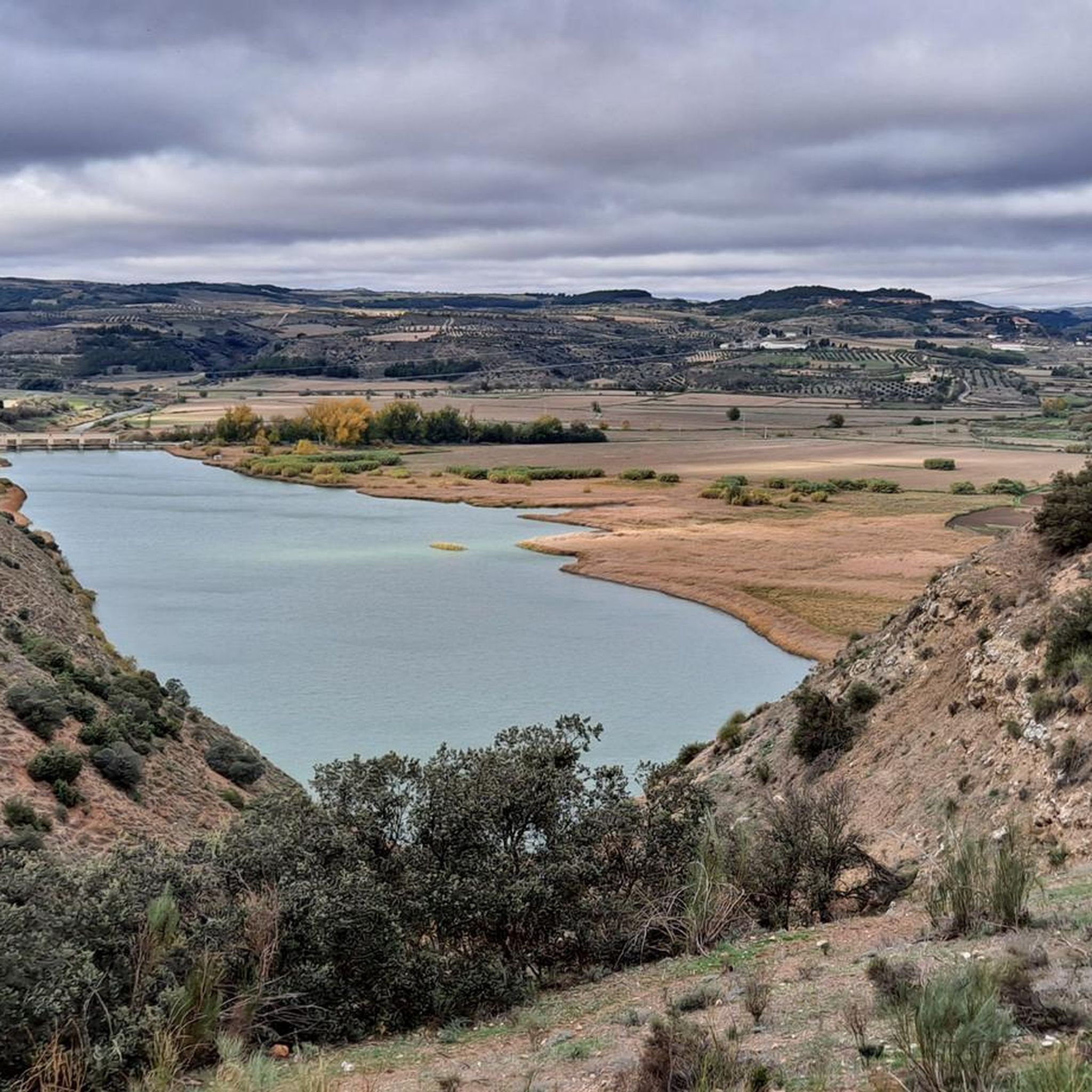
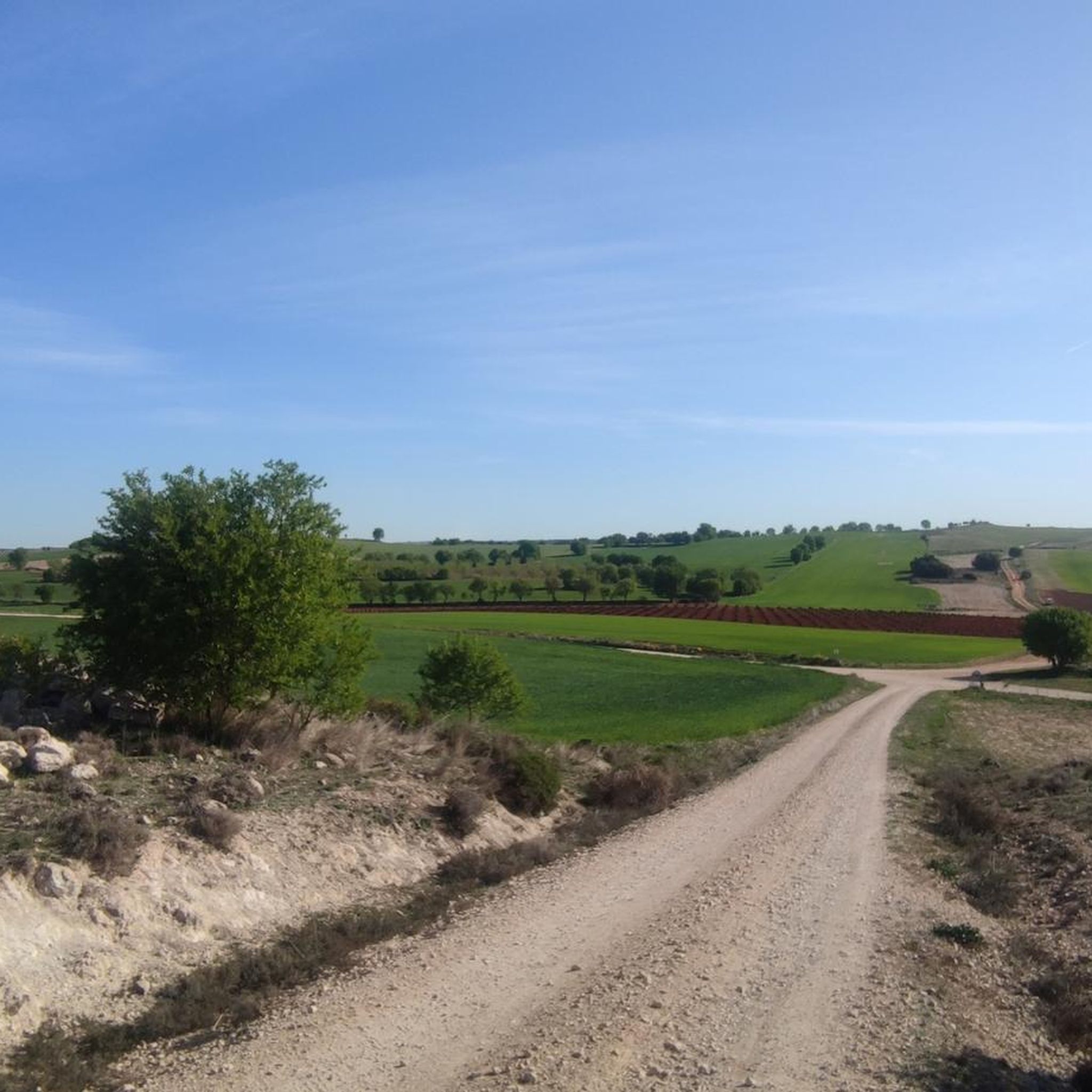
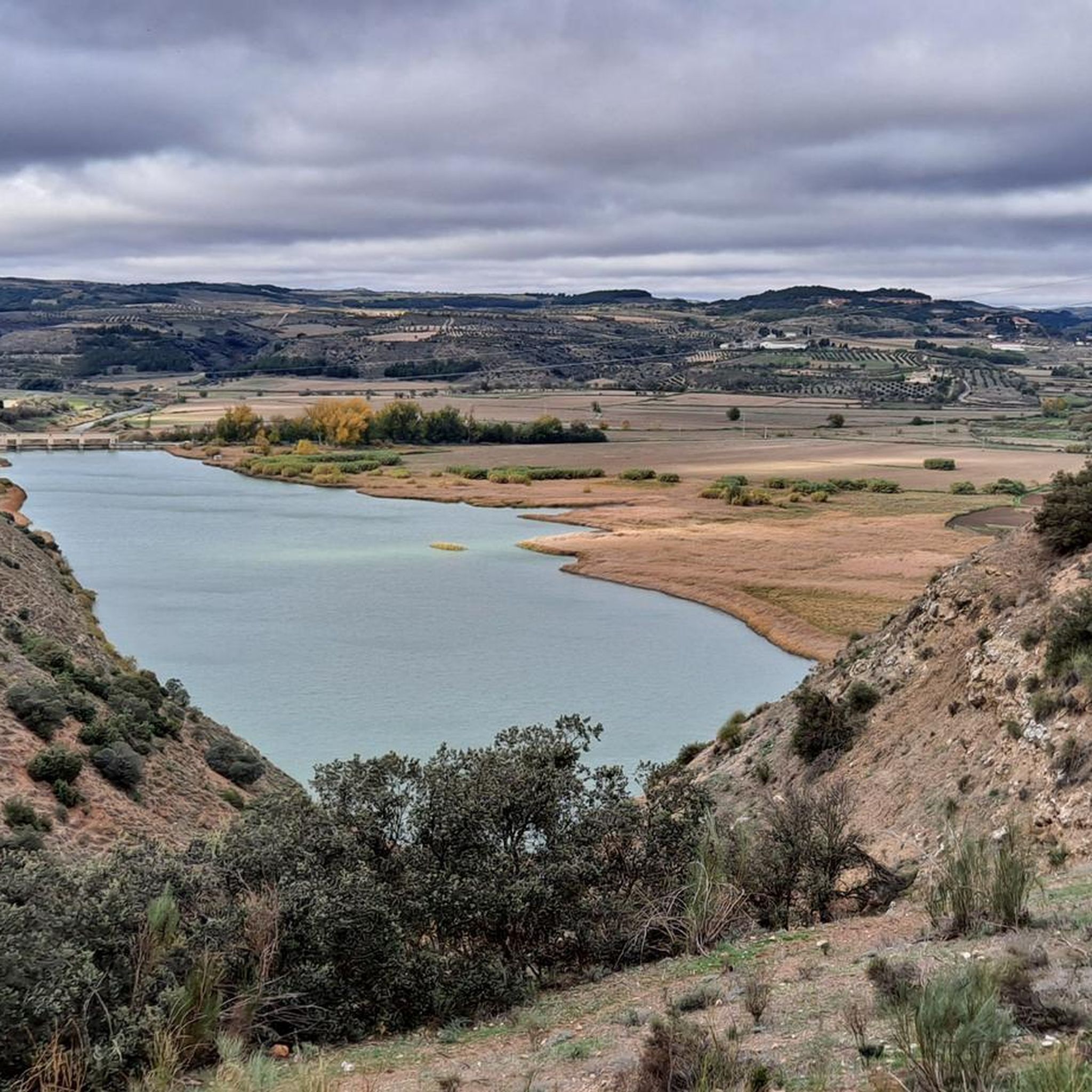
Jogging around Almoguera offers routes through diverse landscapes in the province of Guadalajara, Spain. The region is characterized by its position along the Tajo River, with trails often providing riverside views and passing by the Embalse de Almoguera. Runners can expect to traverse agricultural fields, including cereal and maize, with terrain that is generally gentle but includes some elevation changes. The area also features zones of ecological value, such as the "Sierra de Altomira" Site of Community Importance.
Best jogging…
Last updated: May 15, 2026
8
runners
9.57km
00:59
40m
40m
Moderate run. Good fitness required. Mostly paved surfaces. Suitable for all skill levels.
6
runners
12.1km
01:28
130m
130m
Moderate run. Good fitness required. Mostly paved surfaces. Suitable for all skill levels.

Sign up for free
3
runners
9.80km
01:14
230m
230m
Moderate run. Good fitness required. Mostly paved surfaces. Suitable for all skill levels.
3
runners
5.85km
00:38
30m
30m
Moderate run. Good fitness required. Mostly paved surfaces. Suitable for all skill levels.
3
runners
5.82km
00:40
40m
40m
Moderate run. Good fitness required. Mostly paved surfaces. Suitable for all skill levels.
Our route recommendations are based on thousands of hikes, rides, and runs completed by other people on komoot.
Start today with a free account
Your next adventure awaits.
Login or Signup


Tips from the Community

Olmeda de las Fuentes is a beautiful refuge of cobbled streets and whitewashed houses in the Alcarria region of Madrid. It is a suggestive hideaway among the extensive agricultural wastelands of the region and the narrow valleys that mark the particular orography of the territory. It is a pleasant and quiet place that was chosen a few decades ago by painters and artists to live, be inspired, create or simply rest in a delightful corner of the southeast of Madrid. And that is why the town is known as “Olmeda de los pintores” or the “town of artists”. The popular architecture is well cared for, the streets are narrow and steep, most are pedestrian, there are viewpoints and it is a pleasure to walk through the urban area following the Route of the painters or the Route of the fountains, which has a curious ethnographic museum of the Alcarria region of Madrid on the bank of the stream.
0
0
The unique urban style of Nuevo Baztán maintains the original Baroque model from the beginning of the 18th century, designed by José de Churriguera by order of Juan de Goyeneche, who had permission from Charles II to build glass, paper and textile factories on Spanish territory. The Navarrese businessman was originally from Arizkun, in the Baztán Valley, but spent time in Madrid because he had other properties and professional relations with the Court. He chose the site of Madrid's Alcarria to found an industrial and rural centre in honour of his homeland and commissioned the Madrid architect to build a glass factory, a farming village of half a thousand inhabitants, a palace, a monumental church and gardens with centuries-old pines and elms. The town preserves cobbled streets, stone squares, rural buildings from the time of its foundation, between 1709 and 1713, and palace gardens, a beautiful heritage complex declared a Historic-Artistic Monument in 1941 and a Site of Cultural Interest in 2000.
0
0

The Fuentidueña de Tajo bridge is an engineering work from the mid-19th century that restored the passage through this river on the way to Cuenca. It is the oldest large metal bridge in Madrid. This work allowed communications to be modernized at the time of its execution.
2
0

Fountain in the small park in front of the church.
0
0
Nuevo Baztán is a population of industrial origin promoted by the editor, journalist and politician Juan de Goyeneche. The main building of this town is the Renaissance palace of Goyeneche itself, from the 17th century, which was declared a historical-artistic monument in 1941.
1
0

Nuevo Baztán is 40 minutes from Madrid and has entered the list of "The Most Beautiful Towns in Spain". The Goyeneche palace is in a very beautiful area in front of a square full of trees. Goyeneche's palace and residence forms a façade with the Church, forming the central nucleus of this monument. There is a tourist office where they give you a map and QR codes with a tour to do around the town and all the information about those points.
1
0

The livestock route crosses the Tagus Natural Trail, crosses the town to the shore of the Tagus and passes the river over a historic iron bridge from the 19th century. The Tagus Bridge is a magnificent work of civil engineering inaugurated in 1867. The designer of the project was the architect José de Echevarría, who sought collaborators in France within the Eiffel team and chose iron to build a solid bridge in a fundamental passage of the Tagus plain. In the transit of the eastern Soriana Royal Canyon and the Camino Real de Valencia, an old Post Road and route of peasants and merchants since the Early Middle Ages. The first mechanical means to cross the Tagus riverbed was a rope boat, replaced by a rope bridge that could withstand unforeseen floods, but it was destroyed by General Prim's troops in the mid-19th century. In the vicinity of the bridge is the recreational area of La Tejera, with riverside trees and river beaches.
1
1

Frequently Asked Questions
What kind of terrain can I expect on running trails around Almoguera?
Running routes in Almoguera offer a diverse landscape. You'll typically find paths winding along the Tajo River, providing picturesque riverside views. The trails also traverse agricultural fields, often dominated by cereal and maize, and pass by the Embalse de Almoguera (Almoguera Reservoir). While generally gentle, some routes do include elevation changes, with the average elevation of Almoguera being 711 meters.
Are there any easy running routes for beginners in Almoguera?
The running routes around Almoguera are generally classified as moderate in difficulty. For example, the Running loop from Nuevo Baztán is a moderate 5.9 miles (9.6 km) trail with a blend of open fields and gentle gradients, suitable for those with some running experience.
What natural features or landmarks can I see while running near Almoguera?
Many running routes offer scenic views of the Tajo River and the Embalse de Almoguera. You might also spot the silhouette of the Church of Christ, strategically perched between the river and the town. Additionally, the region includes areas of ecological value like the "Sierra de Altomira" Site of Community Importance, and you can find specific natural monuments such as the Encina de la Pica or the Fuente del Arca.
Are there opportunities for wildlife spotting on the running trails?
Yes, the region around Almoguera, particularly areas like the "Sierra de Altomira" Site of Community Importance and Special Protection Area for Birds, is known for its rich biodiversity. This designation suggests good opportunities for birdwatching and observing local flora and fauna during your run.
Is there parking available near the running routes in Almoguera?
While specific parking details for each route vary, Almoguera is a town with general parking availability. For routes starting from nearby towns like Nuevo Baztán or Mondéjar, you can typically find parking within or on the outskirts of these settlements, providing convenient access to the trailheads.
What is the typical length and duration of running routes in the Almoguera area?
Running routes in the Almoguera area vary in length. For instance, the Stone Bridge – Vía Verde del Tajuña loop from Mondéjar is about 7.5 miles (12.1 km), while the Olmeda de las Fuentes loop from Nuevo Baztán is around 6.1 miles (9.8 km). Most moderate routes can be completed within 1 to 1.5 hours.
Are there circular running routes available near Almoguera?
Yes, many of the running options around Almoguera are designed as loops. Examples include the Running loop from Nuevo Baztán and the Running loop from Mondéjar, offering convenient circular paths for your run.
What is the best time of year to go running in Almoguera?
The diverse landscapes of Almoguera, with agricultural fields of cereal and maize, display attractive contrasts of yellow and green depending on the season. Spring and autumn generally offer the most pleasant temperatures for running. Summer can be hot, while winter might bring cooler conditions, but the trails remain accessible year-round.
Are there any historical or cultural points of interest along the running trails?
Beyond natural beauty, some routes may pass by interesting sites. For example, you might see the Church of Christ or a fish farm located near the ruins of a castle. The Goyeneche Palace of Nuevo Baztán is also a notable historical site in the wider area.
What do other runners enjoy the most about jogging in Almoguera?
Runners often appreciate the blend of natural beauty and varied terrain. The riverside paths along the Tajo, views of the Embalse de Almoguera, and the peaceful agricultural fields are frequently highlighted. The well-maintained natural paths, such as sections of the Camino Natural del Tajo, also contribute to a positive running experience.
Are the running trails around Almoguera suitable for families?
Given that the trails are generally moderate with some elevation changes, they are suitable for active families. The gentle gradients and scenic views make for an enjoyable outing. However, families with very young children might prefer shorter, flatter sections if available, as all listed routes are moderate.
Can I bring my dog on the running trails in Almoguera?
While specific regulations for each trail should always be checked locally, many natural paths in Spain are dog-friendly, especially if dogs are kept on a leash. The natural setting of Almoguera, with its open fields and riverside paths, is generally conducive to running with a canine companion, provided local rules are respected.
Most popular attractions around Almoguera

Get inspired with the komoot mobile app


Explore more
Browse the best Running Trails & Routes in other regions.
