Attractions and Places To See around Santa Eulalia De Oscos - Top 20
Best attractions and places to see around Santa Eulalia De Oscos, a municipality in Asturias, Spain, is known for its blend of natural landscapes, traditional craftsmanship, and cultural heritage. The region is characterized by abundant rivers and a history of ironworking, earning it the moniker "land of water and fire." Part of the Oscos-Eo Biosphere Reserve, it offers diverse ecosystems and well-preserved traditional architecture. This area provides opportunities to explore historical sites, traditional crafts, and numerous hiking trails.
Best attractions…
Last updated: July 7, 2026
Grandas de Salime Ethnographic Museum
Highlight • Historical Site
Translated by Google •
Tip by

Church of San Martín (Taramundi)
Highlight • Religious Site
Translated by Google •
Tip by

Sign up now to discover places like this
Get recommendations on the best single tracks, peaks, & plenty of other exciting outdoor places.
Sign up for free
Mazonovo Mill Museum
Highlight • Monument
Translated by Google •
Tip by

Hermitage of Santa Bárbara de Silvela
Highlight • Religious Site
Translated by Google •
Tip by
Water Route PR-AS-17 (Taramundi)
Highlight • Trail
Translated by Google •
Tip by

Sign up for free to discover even more attractions around Santa Eulalia De Oscos.
Sign up for free
Already have an account?
Start today with a free account
Your next adventure awaits.
Login or Signup
Tips from the Community

A museum - free admission on Tuesdays. Otherwise, the prices are reasonable.
0
1

It is known for its hydroelectric dam on the Navia River, forming the Salime Reservoir. It is also an important stop on the Primitive Way of St. James, the last stretch of Asturian land before entering Galicia.
1
0

Small chapel dedicated to Saint Barbara. Very nicely located and good for taking a break
1
0

The Museo Etnográfico de Grandas de Salime offers visitors a fascinating glimpse into the traditional way of life in rural Asturias. Located in the picturesque village of Grandas de Salime, this ethnographic museum showcases a diverse collection of artifacts, tools, and exhibits highlighting the cultural heritage of the region. From agricultural implements to household items, the museum provides insight into the customs, traditions, and livelihoods of the local communities throughout history. With its engaging displays and informative presentations, it offers an enriching experience for visitors interested in the cultural heritage of Asturias.
2
0

«This chapel and nave made parishioners and a priest. Year 1714». The inscription printed on a slab dates the church of San Martín, located in the heart of Taramundi; a religious temple that, due to its large dimensions, can be seen from any point in the town or from the mountains. A church, which three hundred years later the descendants of those parishioners from the 18th century, keep standing by financing its rehabilitation. Its high, square and solid tower stands out, topped by a slate capital, although it is not the original one that was destroyed by lightning. The current one dates from 1952. Inside there are six altarpieces, all of them in Neoclassical style, except for the main altarpiece in Baroque style.
0
0

The museum is dedicated to the traditional water mills that used to be used in the area to grind corn and other cereals. Visitors to the museum can explore the various mills and learn about their history and operation. The museum also offers guided tours and demonstrations of how the mills were used in the past. It is a unique and fascinating place to visit, offering insight into the region's cultural heritage and traditional way of life.
1
0
Grandas de Salime is the last stage of the Jacobean Route in Asturias. The natural landscape that surrounds it is already a unique claim for many of its visitors. It is worth visiting the Church of San Salvador, the Casa de Román, the house of the Robledo family and the Ethnographic Museum of Grandas de Salime.
1
0

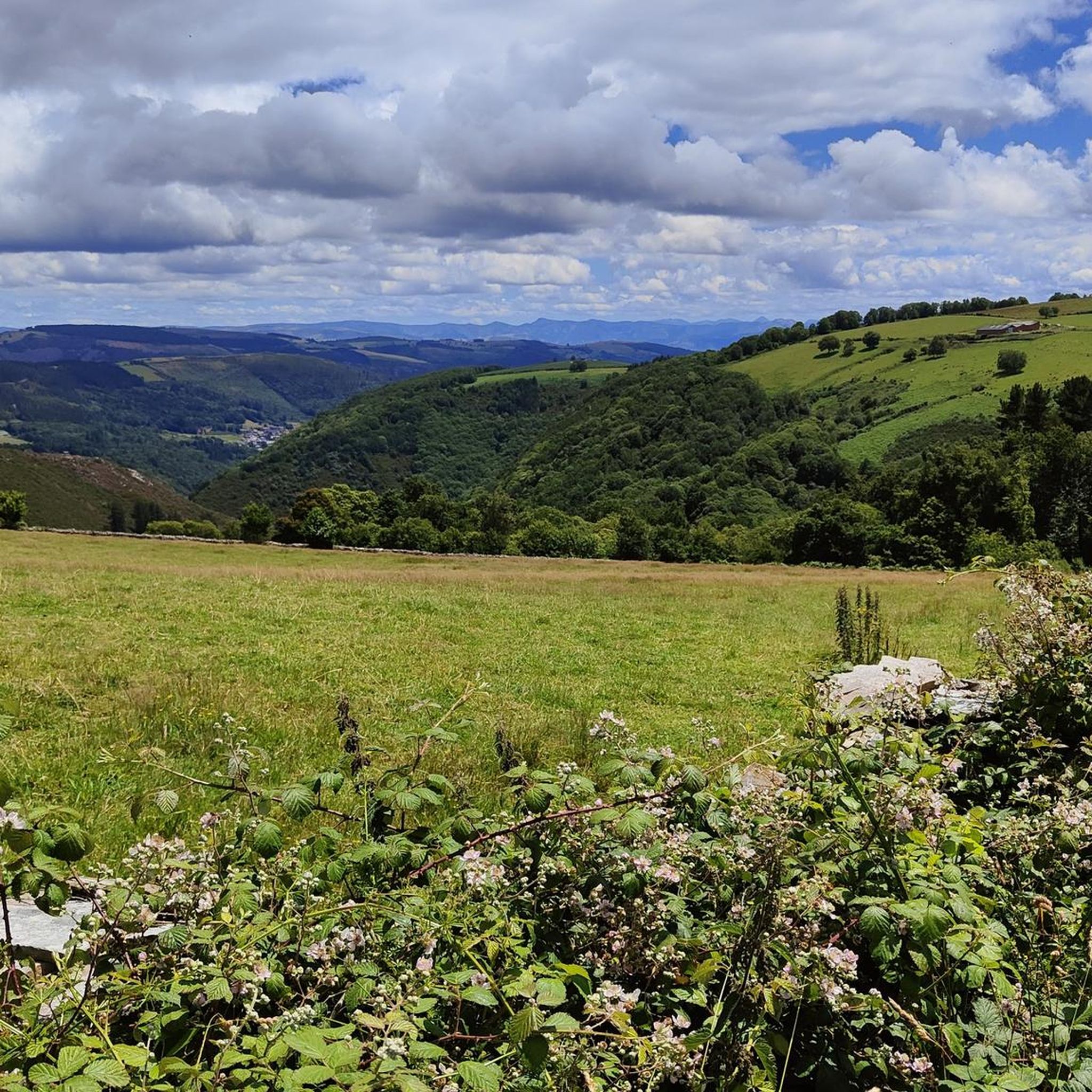
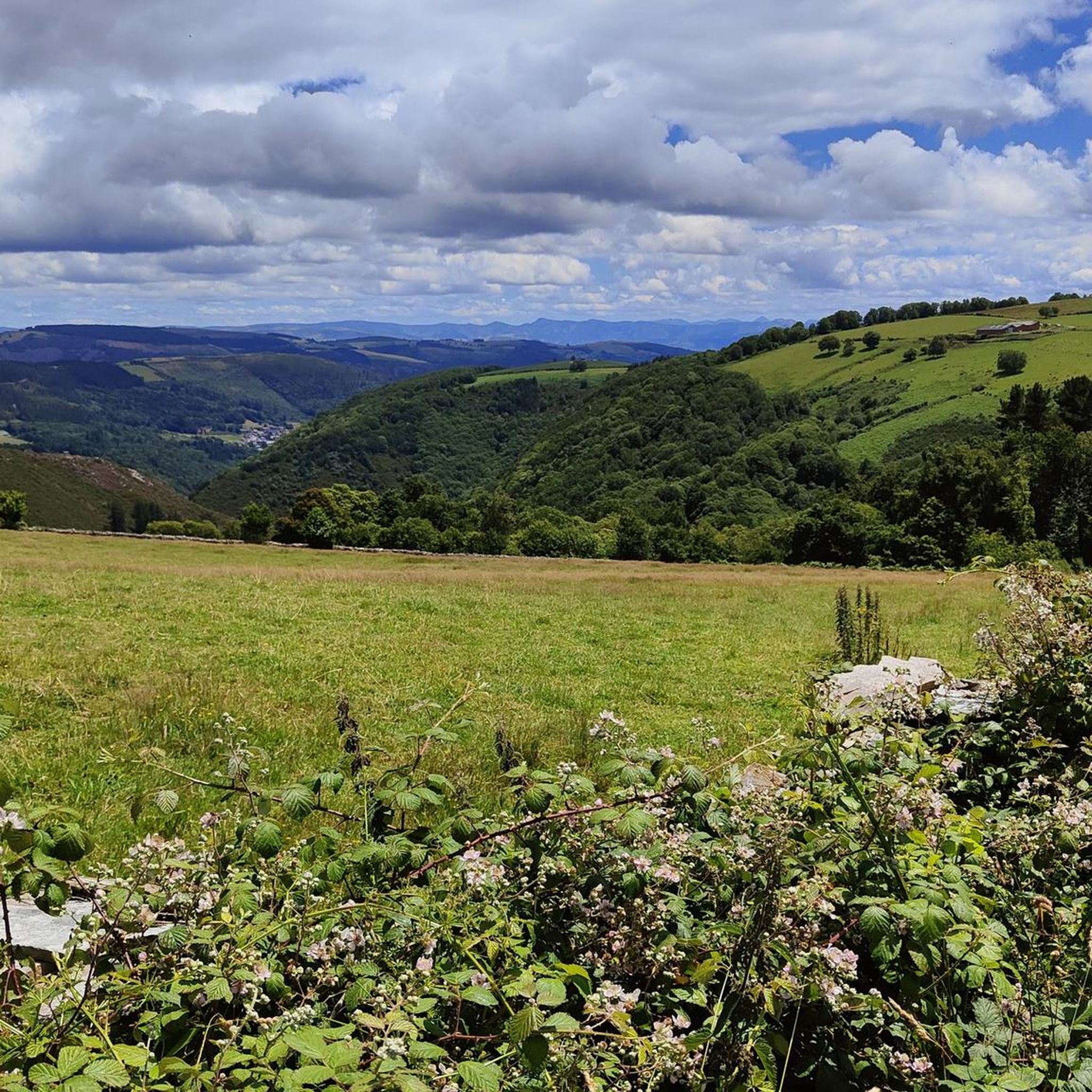
This hermitage is located in a meadow with views. There are picnic areas to sit and rest. On the door of the chapel there is an inscription that says "Santa Bárbara blessed, that in heaven you are written, keep bread and keep wine for all good pilgrims".
4
0
Frequently Asked Questions
What historical and cultural sites can I explore in Santa Eulalia de Oscos?
Santa Eulalia de Oscos offers a rich blend of history and culture. You can visit the Ethnographic Complex of Mazonovo, an 18th-century hydraulic forge where you can witness blacksmiths at work. Don't miss the Mazonovo Mill Museum, dedicated to traditional water mills. The Birthplace Museum of the Marquis of Sargadelos in Ferreirela de Baxo details the life of an 18th-century industrialist, and the Church of San Martín (Taramundi) is a notable religious temple with a rich history.
Where can I learn about the traditional crafts of the Oscos region?
The Oscos region is renowned for its traditional craftsmanship. You can visit Hiottoko - Traditional Knife Workshop in Santa Eulalia, where Jorge and Keiko continue the century-long tradition of knife-making. The Ethnographic Complex of Mazonovo also showcases the historical ironworking industry. Additionally, you might find local weaving at El Telar de Irene and other artisanal workshops throughout the area.
What natural attractions are there to visit in Santa Eulalia de Oscos?
The region is rich in natural beauty. You can discover the impressive A Seimeira Waterfall, a 30-meter drop that is a highlight of a popular hiking route. Another beautiful cascade is A Salgueira Waterfall, set in a tranquil forest. For a refreshing experience, visit the River Beach at Ferreira, a charming natural pool perfect for swimming. The entire area is part of the Oscos-Eo Biosphere Reserve, offering diverse Atlantic forest ecosystems.
Are there good hiking trails for exploring the natural beauty of the area?
Absolutely, Santa Eulalia de Oscos is a paradise for hikers. Popular trails include the Ruta de la Seimeira, Ruta de la Coba, Forcón de los Ríos, Mina de As Talladas, Senda Verde de As Carballeiras, and Ruta Os Cortíos. The Water Route PR-AS-17 (Taramundi) is a moderate circular route along the Turia River, passing by a mill museum and a traditional knife sharpener. These routes offer opportunities to experience the region's forests, rivers, and waterfalls.
Are there family-friendly activities or attractions in Santa Eulalia de Oscos?
Yes, there are several family-friendly options. The Mazonovo Mill Museum offers an engaging look into traditional water mills. The River Beach at Ferreira provides a safe and picturesque spot for swimming and river activities, complete with a recreational area and playground. You can also explore the world of bees with Duxemiel through their 'Apiturismo' experiences.
What is the best time of year to visit Santa Eulalia de Oscos?
Santa Eulalia de Oscos is beautiful year-round, but the best time to visit for outdoor activities like hiking and exploring natural attractions is typically during the spring (April to June) and autumn (September to October). During these seasons, the weather is pleasant, and the landscapes are vibrant with blooming flora or rich autumnal colors. Summer (July to August) is also popular, especially for enjoying the river beach.
Can I find viewpoints offering scenic panoramas in the region?
Yes, the area offers several picturesque spots. The Hermitage of Santa Bárbara de Silvela is beautifully located in a meadow with expansive views, perfect for a break. Many of the hiking trails, such as those within the Oscos-Eo Biosphere Reserve, also lead to elevated points offering stunning vistas of the forests, rivers, and mountains.
What makes Santa Eulalia de Oscos unique as a destination?
Santa Eulalia de Oscos is unique for its recognition as the Rural Tourism Capital in 2024 and its moniker as the 'land of water and fire,' reflecting its abundant rivers and historical ironworking. It's part of the UNESCO Oscos-Eo Biosphere Reserve, showcasing rich Atlantic forest ecosystems. The region also boasts well-preserved traditional stone and slate architecture, and together with San Martín and Villanueva de Oscos, it was awarded the 'Exemplary Town of Asturias' in 2016, highlighting its blend of preserved traditions and natural beauty.
Are there opportunities for cycling or mountain biking near these attractions?
Yes, the area around Santa Eulalia de Oscos offers various routes for cycling and mountain biking. For road cycling, you can find challenging routes like the Alto de la Bobia - Oscos Loop or the Taramundi and La Bobia Loop. Mountain bikers can explore trails such as the Cascadas de Seimeira de Murias from Pumares, which is a moderate circular route through the Biosphere Reserve. You can find more details on these and other routes in the Road Cycling Routes, Cycling, and MTB Trails guides for the region.
Where can I go for a refreshing swim in nature?
For a natural swim, head to the River Beach at Ferreira. This charming spot offers a natural pool within the river, perfect for a refreshing dip on a warm day. It's set in a picturesque landscape and includes a recreational area, making it ideal for relaxing by the water.
What kind of wildlife can I expect to see in the Oscos-Eo Biosphere Reserve?
The Oscos-Eo Biosphere Reserve is home to diverse wildlife, characteristic of Atlantic forest ecosystems. Visitors might spot various species such as roe deer, wild boar, and a wide array of birds. The rich natural environment provides habitats for many animals, making it a great area for nature observation.
Most popular routes around Santa Eulalia De Oscos

Get inspired with the komoot mobile app


Explore more
Still not found the Highlight you’re looking for? See guides of the top attractions in other regions:
