Attractions and Places To See around Juarros De Voltoya - Top 6
Attractions and places to see around Juarros De Voltoya include a blend of cultural heritage and natural beauty in the west of Segovia province. The region is characterized by the Voltoya River, its reservoir, and extensive pine forests, offering diverse landscapes. Visitors can explore notable landmarks, traditional architecture, and engage in outdoor activities like hiking and cycling. This area provides opportunities to experience the landscapes and fauna of the Western Segovian Campiña.
Best attractions and places to see around Juarros…
Last updated: May 17, 2026
Ortigosa del Pestaño — Abandoned Railway Station
Highlight • Monument
Translated by Google •
Tip by

Hermitage of the Virgin of the Well
Highlight • Religious Site
Translated by Google •
Tip by
Sign up now to discover places like this
Get recommendations on the best single tracks, peaks, & plenty of other exciting outdoor places.
Sign up for free
Nava de la Asunción
Highlight • Settlement
Translated by Google •
Tip by

Sculpture Trail of the Via Verde del Valle del Eresma
Highlight • Trail
Translated by Google •
Tip by

Sandy and Stream Crossing Section
Highlight (Segment) • Trail
Translated by Google •
Tip by

Sign up for free to discover even more attractions around Juarros De Voltoya.
Sign up for free
Already have an account?
Start today with a free account
Your next adventure awaits.
Login or Signup
Popular around Juarros De Voltoya

Tips from the Community

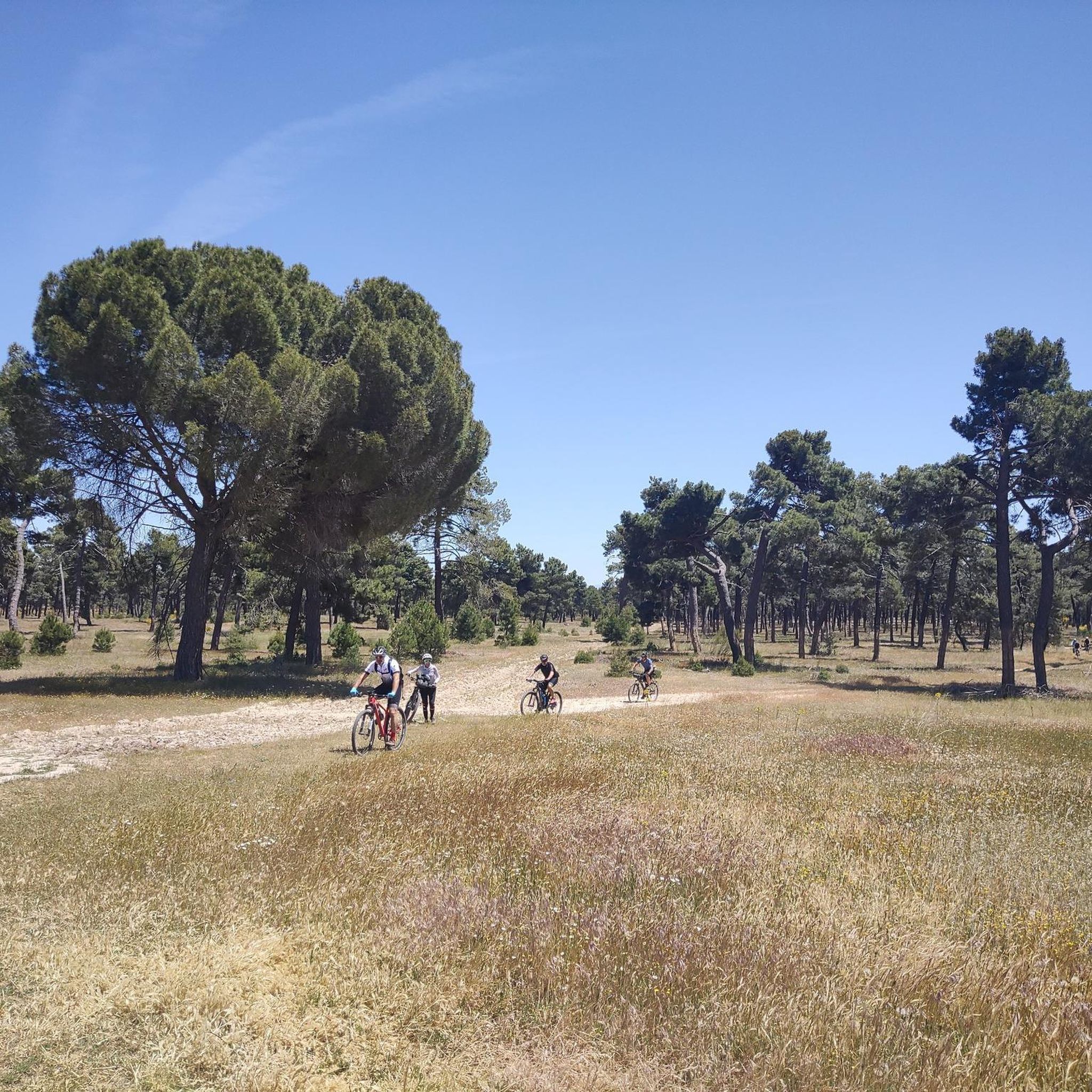
We found sections of difficult cyclability in this area due to the presence of sandbanks, aggravated by the fact that heavy machinery has made deep grooves in the roads.
0
0
Old abandoned station
0
0

Nava de la Asunción is a Spanish municipality and town in the province of Segovia. Originally known as Nava de Coca, it belonged to the village and land community. Later, in 1773, King Carlos III granted it the title of Villa and added “La Asunción” to its name, in honor of the Virgin, patron saint of the town. I hope you found this brief description interesting! 😊
2
0

On the route of the Via Verde Valle del Eresma, at kilometer 49 towards Medina del Campo, and passing through Nava de la Asunción, a stop is mandatory for the walker or cyclist in consideration of what meets his gaze at this point. It is striking to come across figures carved in wood that represent the direction of the winds to stay where they blow. They reflect the knowledge that education provides to people to free them from the constraints of economic and religious systems that can limit freedom, folk stories, storks that open doors to information, birds of prey that pay homage to resin craftsmanship, life in a game of chess, fantasy turtles, greyhounds and hares and tubs of water tuned with sentences to read and analyze their content. In short, they are eleven works of art that invite us to reflect on the environment, with social messages, It is the work of many hours of dedication, taking advantage of the days of the pandemic and occupying the mind in offering the landscape an artistic aspect that serves as a call to attention for the inhabitants of Nava, to form a team of volunteers who take on the commitment to take care of the over five hundred tree and shrub plantations that cover the six hundred meters of this Greenway route. This is the objective desired by the author of the sculptures, Manuel Frías Trampal. “It is environmental awareness to enjoy a welcoming natural landscape over time. To do this, you just need to sponsor any of the planted tree species and dedicate your name to it. You don't need to sign up to any list, you just need to decide to sponsor and care for the plant with watering and weeding,” says the forestry engineer and professor at the School of Forestry Foremen in Coca.
1
0

Population located north of the capital of the province, Segovia. It is a nucleus located between the two rivers, the Río Edesma and the Río Voltoya.
1
0

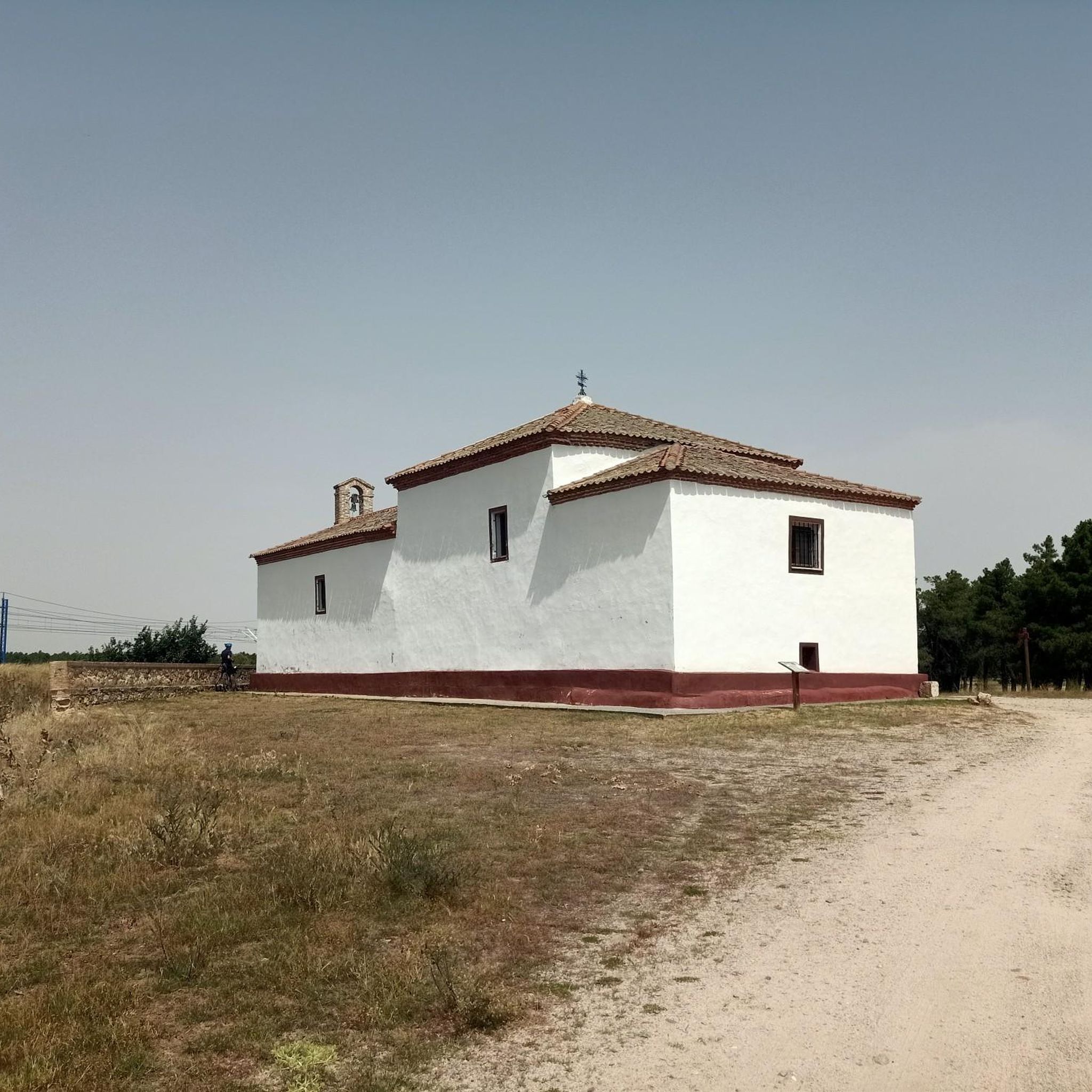
Temple of Romanesque origin that was built in the 13th century and that still today houses pilgrimages for the residents of Nieva. In its surroundings there is a rest area in the shade, with benches and tables.
2
0
Old station on the track that was active for 100 years. These abandoned infrastructures seem like an architectural time capsule where you can sense what the dynamics of rail communication were like then, especially compared to the current nearby high-speed train line.
3
0

Beautiful abandoned railway station in Ortigosa.
1
0
Frequently Asked Questions
What historical sites can I explore in Juarros de Voltoya?
You can visit the Ortigosa del Pestaño — Abandoned Railway Station, a monument offering a glimpse into the region's railway past. Another significant site is the Hermitage of the Virgin of the Well, a 13th-century religious building with Romanesque origins that still hosts pilgrimages. The Church of Nuestra Señora de la Asunción is also a notable patrimonial site built on older ruins.
Are there natural attractions or scenic spots in the area?
Yes, the region boasts several natural features. The Voltoya River gracefully divides the town, and the Voltoya Reservoir is a key attraction known for its scenic beauty and as a refuge for numerous bird species. You can also explore the extensive pine forests surrounding Juarros de Voltoya, which are ideal for leisurely walks.
What outdoor activities are popular around Juarros de Voltoya?
The area is well-suited for various outdoor activities. You can enjoy hiking and cycling through the picturesque Voltoya Valley and local forests. Fishing is popular in the Voltoya Reservoir, and during the season, mushroom foraging is a common activity in the pine forests. For more structured routes, explore the cycling routes or MTB trails available.
Where can I go birdwatching in Juarros de Voltoya?
The Voltoya Reservoir is an ideal location for birdwatching due to its rich avian diversity. Especially in winter, you can spot royal ducks, herons, egrets, storks, and cormorants.
Are there any family-friendly places to visit?
The Hermitage of the Virgin of the Well offers a shaded rest area with benches and tables nearby, making it a pleasant spot for families to relax. The general outdoor activities like walking in the pine forests or along the Voltoya River are also suitable for families.
What is the best time of year to visit Juarros de Voltoya?
The region offers different experiences throughout the year. Winter is particularly good for birdwatching at the Voltoya Reservoir. For hiking and cycling, spring and autumn generally offer pleasant weather. The village also hosts various traditional festivals throughout the year, such as Santa Águeda in February or the patron saint festival in August.
Can I find traditional architecture in Juarros de Voltoya?
Yes, the village itself showcases traditional constructions featuring distinctive slate walls, reflecting the local heritage and offering a glimpse into the region's architectural past.
What kind of local cuisine or specialties can I try?
Visitors can enjoy traditional breakfast cakes, which are a local specialty. The village also celebrates a popular 'matanza' where pork products are savored, offering a taste of local gastronomy.
Are there any specific cycling routes recommended for the area?
Yes, you can find various cycling routes. For road cycling, consider options like the 'Nava de la Asunción loop' from Nava de la Asunción. For touring bicycles, the 'Nava de la Asunción – Río Voltoya Crossing loop' is a good choice. You can explore more options on the Road Cycling Routes around Juarros De Voltoya or Cycling around Juarros De Voltoya guide pages.
What are some unique cultural events or festivals in Juarros de Voltoya?
Juarros de Voltoya hosts several traditional festivals annually. These include Santa Águeda in February, San Isidro in May, San Antonio de Padua in June, the patron saint festival of Nuestra Señora de la Asunción on August 15, and the unique 'Los Santos Inocentes' on December 28.
Is there a town nearby that offers additional points of interest?
Yes, Nava de la Asunción is a significant settlement and municipality located north of Segovia, situated between the Río Edesma and the Río Voltoya. It was granted the title of Villa in 1773 and is known for its historical significance.
What do visitors particularly enjoy about the abandoned railway station?
Visitors appreciate the Ortigosa del Pestaño — Abandoned Railway Station as an architectural time capsule. It offers a unique perspective on the dynamics of rail communication from a century ago, especially when contrasted with modern high-speed train lines nearby. It's considered a beautiful and historically rich site.

Get inspired with the komoot mobile app


Explore more
Still not found the Highlight you’re looking for? See guides of the top attractions in other regions:
