The best MTB trails around Orgaz
4.1
(31)
519
riders
116
rides
Mountain biking around Orgaz offers diverse terrain within the southern foothills of the Montes de Toledo. The region transitions from flatter agricultural plains to more rugged and challenging landscapes, including the Sierra de Yébenes with elevations up to 3,678 feet (1,121 meters). This geological diversity provides varied features for mountain bikers, from gentler paths to those demanding advanced riding skills. The area's natural features and historical sites, such as Orgaz Castle, add to the experience.
Best mountain bike trails around…
Last updated: August 17, 2026
3
riders
Easy mountain bike ride. Great for any fitness level. Suitable for all skill levels.
3.0
(1)
1
riders
32.5km
02:51
460m
460m
Moderate mountain bike ride. Good fitness required. Suitable for all skill levels.

Sign up for free
1
riders
Hard mountain bike ride. Very good fitness required. Advanced riding skills necessary.
58.4km
04:46
650m
650m
Moderate mountain bike ride. Good fitness required. Suitable for all skill levels.
19
riders
53.1km
03:55
570m
570m
Moderate mountain bike ride. Good fitness required. Suitable for all skill levels.
Get access to more routes and recommendations from other explorers.
Sign up for free
Already have an account?
Our route recommendations are based on thousands of hikes, rides, and runs completed by other people on komoot.
Start today with a free account
Your next adventure awaits.
Login or Signup
Tips from the Community

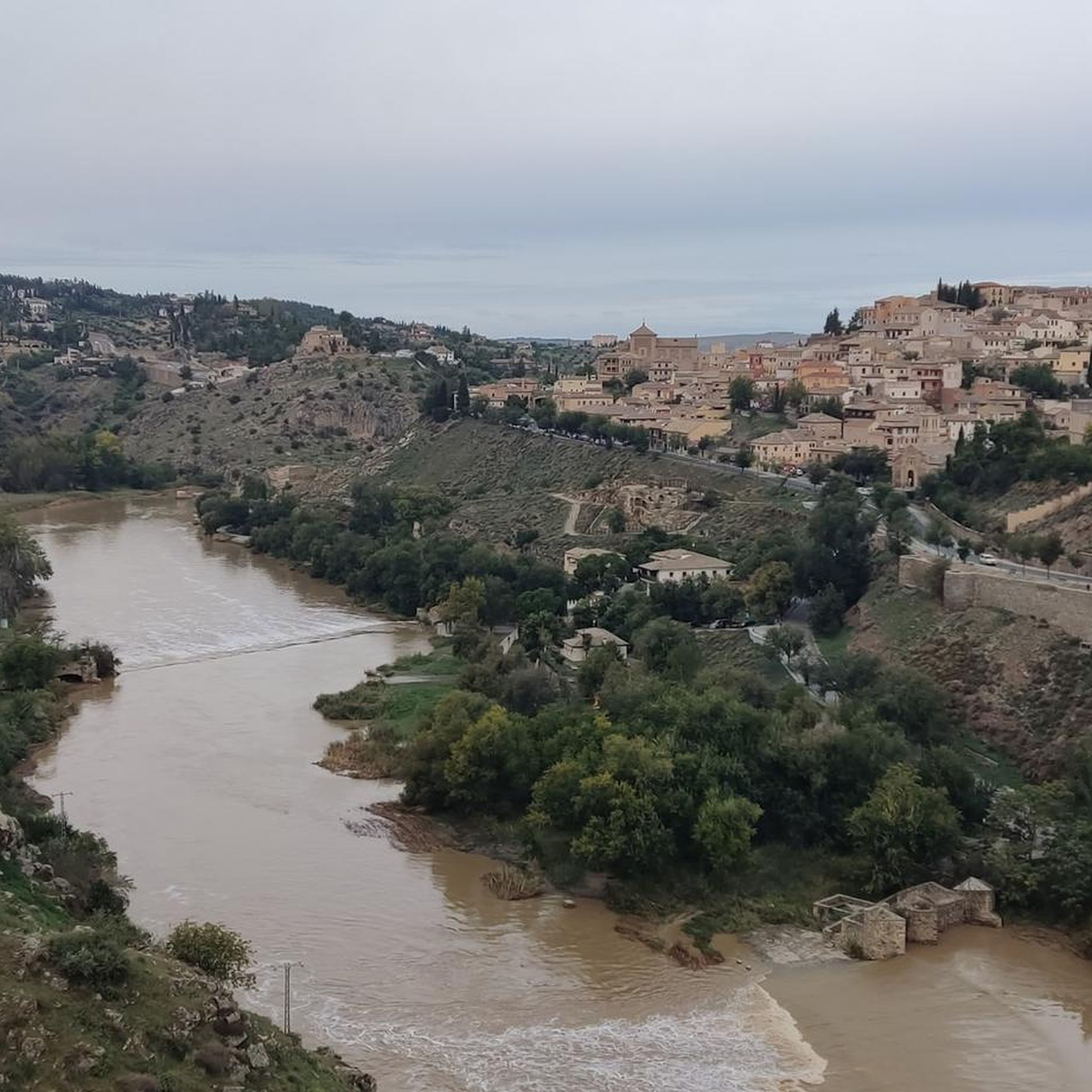
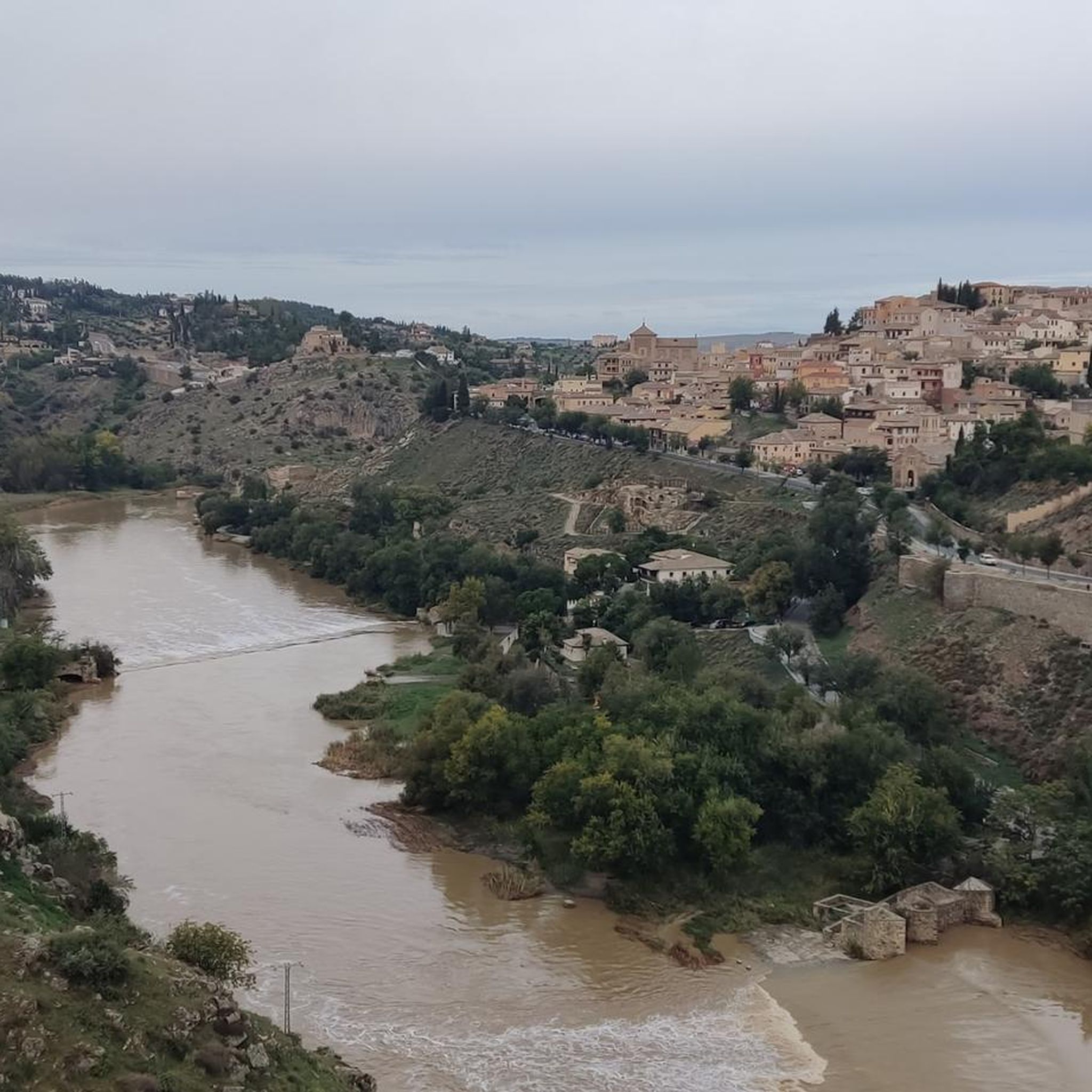
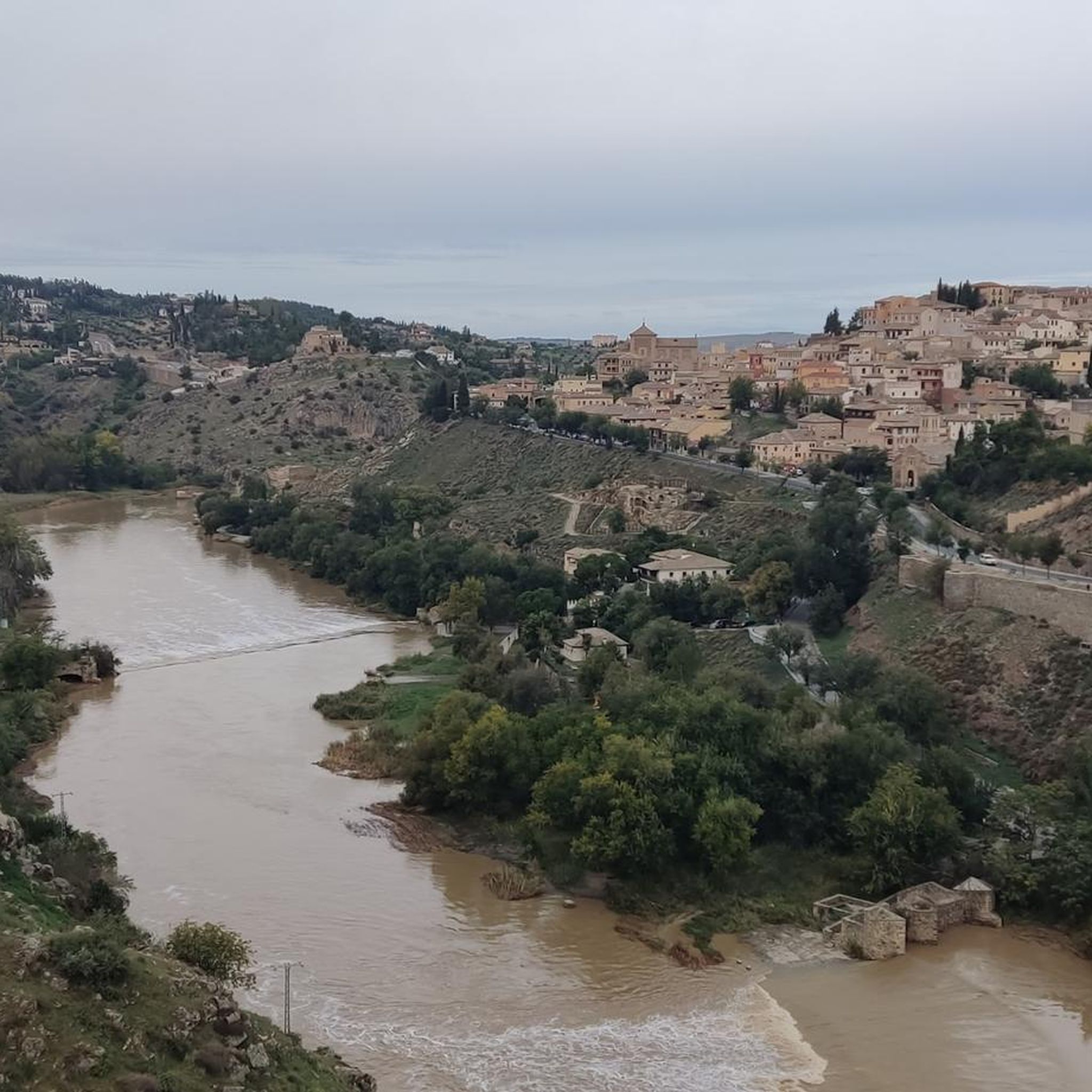
How beautifully the Tagus winds around Toledo
9
1

Currently, it is not possible to climb to the castle because a tower has collapsed.
0
1

Located in the town center of Manzaneque, opposite the Town Hall, in the province of Toledo, its construction is primarily attributed to Don Íñigo de Ávalos (15th century), although the heraldic shields of earlier lineages (Figueroa and Orozco) suggest a possible earlier foundation. In the 14th century, it was owned by Doña María de Orozco and her husband, Lorenzo Suárez de Figueroa. It later passed to Ávalos, and in 1487 was acquired by Álvarez de Toledo, secretary to the Catholic Monarchs. Abandoned and in ruins after the 16th and 17th centuries, it was restored in the early 20th century and remodeled in the 1970s, becoming a Site of Cultural Interest in 1985.
4
0
Pico de Noez, in the Sierra de Noez mountain range (municipality of Noez, Toledo), reaches an altitude of 1034 meters, making it the highest point in the central part of the province. It stands in isolation south of the Tagus River plain, within the Montes de Toledo mountain range. At the summit, there is a geodetic marker and a compass rose carved in granite, with inscriptions from the surrounding villages (Pulgar, Polán, Guadamur, etc.).
3
0
Mascaraque Castle is one of the town's main attractions. Origin: It was built in the 14th century on the site of an earlier Muslim fortification. Historical Owners: It was renovated by the Padilla family, who were associated with the Comuneros in the 15th century. Architecture: The keep is a prominent feature, which, according to tradition, was "demolish" (lowered) by order of the Catholic Monarchs after the Revolt of the Comuneros. Interesting Details: Pentacles or Seals of Solomon can be seen on its walls, symbols that fuel legends of protection and mystery. Current Status: It is privately owned, so the interior is not open to the public, but the exterior is impressive and well worth seeing.
1
0
Mascaraque stands out for its authentic and tranquil atmosphere, ideal for those seeking a historical getaway without the crowds. Its historical heritage—centered on the castle, the church, and several hermitages—offers a rich cultural experience alongside a friendly local life. The rural surroundings reinforce this feeling of disconnection: olive groves, vineyards, and nature trails complete the appeal. In short, a destination with its own unique identity, highly valuable for lovers of heritage and charming villages.
2
0
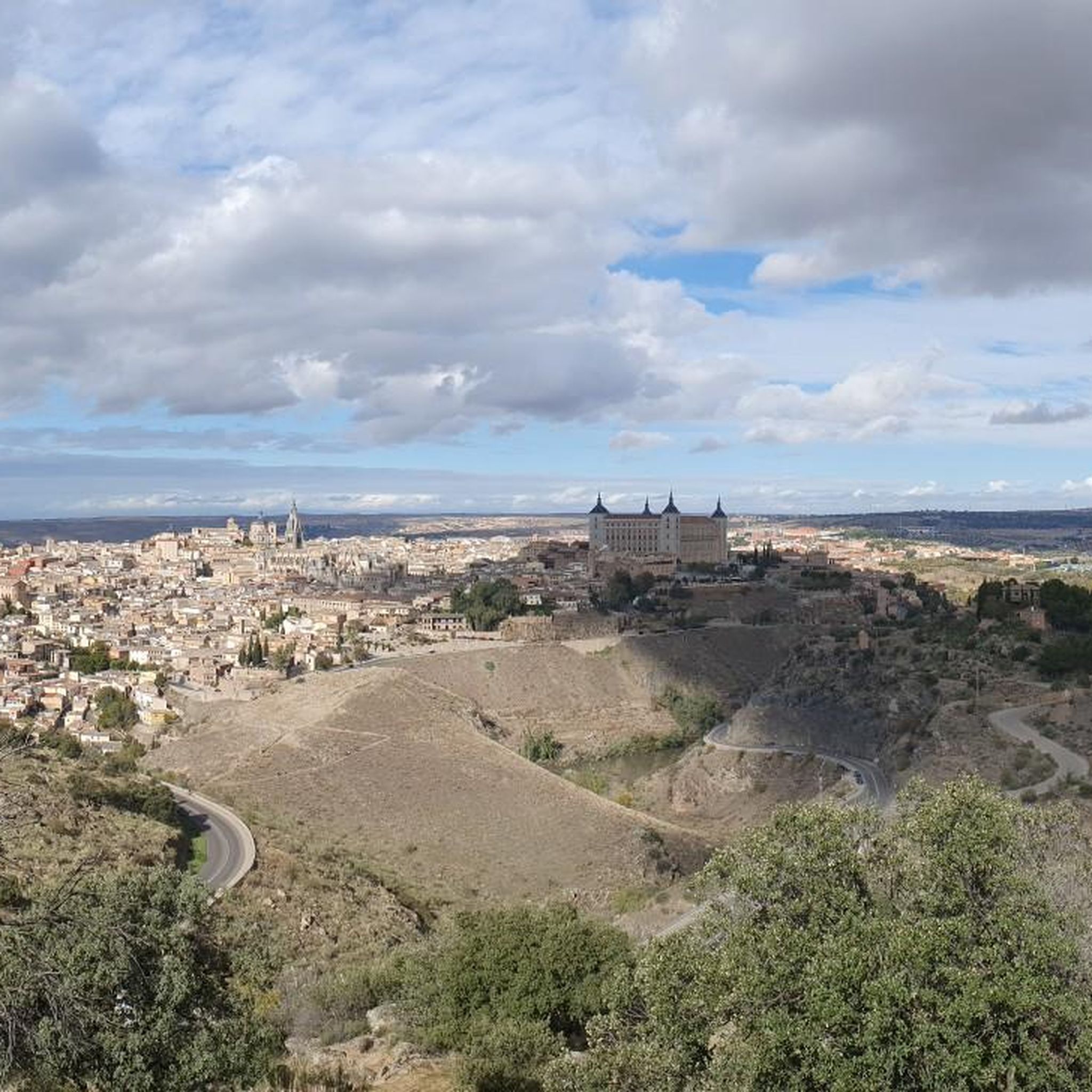
The view of Toledo from the Mirador del Valle road is considered one of the most iconic panoramas in Spain and, for many, the best way to admire the city. From this vantage point, you can appreciate the historic center surrounded by the Tagus River, which forms a meander that embraces the city. The Alcázar of Toledo dominates the upper part of the city. The Primate Cathedral, with its prominent Gothic tower, is also visible. Historic bridges such as the Alcántara Bridge and the San Martín Bridge are also prominent.
7
0
It is located next to the Tourist Information office.
7
0
Frequently Asked Questions
How many mountain bike trails are available around Orgaz?
There are over 110 mountain bike trails around Orgaz, offering a wide range of options for different skill levels. This includes 15 easy routes, 84 moderate routes, and 14 difficult trails, ensuring there's something for everyone.
Are there mountain bike trails suitable for beginners in Orgaz?
Yes, Orgaz offers 15 easy mountain bike trails perfect for beginners or those looking for a relaxed ride. An example is the Los Riscos de Yébenes – circular por los molinos de viento y mirador Algodor route, which is 9.3 miles (15 km) long and features windmills and a viewpoint over the Algodor river.
What kind of terrain can I expect on mountain bike trails in Orgaz?
The terrain around Orgaz is quite diverse, transitioning from flatter agricultural plains to more rugged and challenging landscapes within the Montes de Toledo and Sierra de Yébenes. You'll encounter varied features, from gentler paths to sections demanding good fitness and advanced riding skills, often with significant elevation changes.
Are there any circular mountain bike routes around Orgaz?
Yes, many of the mountain bike routes around Orgaz are circular. For example, the Risco de los Yébenes and Los Hitos de Orgaz Loop is a moderate 20.2-mile (32.5 km) trail, and the challenging Ruta de los Castillos is a 38.8-mile (62.4 km) circular path exploring historical castles.
What historical landmarks or attractions can I see while mountain biking near Orgaz?
Orgaz is rich in history. You can explore several castles, such as the impressive Castle of the Counts of Orgaz, a 14th-century fortress, or the Almonacid Castle. The Ruta de los Castillos specifically takes you past several of these historical sites.
What do other mountain bikers say about the trails in Orgaz?
The mountain bike trails in Orgaz are highly rated by the komoot community, with an average score of 4.2 stars from over 20 reviews. More than 400 mountain bikers have used komoot to explore the varied terrain, often praising the diverse landscapes and historical points of interest.
Are there any mountain bike routes that offer significant elevation challenges?
Yes, the region, particularly within the Montes de Toledo, offers routes with significant elevation. For instance, the Pico de Noez and Sierra de Layos Loop, a moderate 36.3-mile (58.4 km) route, features over 640 meters of elevation gain, providing a good challenge for riders seeking climbs.
Can I find mountain bike trails that pass through specific natural features?
Absolutely. The trails often traverse the diverse landscapes of the Montes de Toledo. You can find routes that offer views of the Sierra de Yébenes, and some even pass by windmills and viewpoints like those on the Los Riscos de Yébenes trail, providing scenic natural backdrops.
What is the best time of year to go mountain biking in Orgaz?
Orgaz, located in central Spain, generally experiences hot summers and mild winters. Spring (April-May) and Autumn (September-October) are typically the most pleasant seasons for mountain biking, offering comfortable temperatures and beautiful scenery. Winter can also be suitable on milder days, but always check local weather conditions.
Are there any long-distance mountain bike routes available?
Yes, for those seeking longer rides, Orgaz has several extensive routes. The Ruta de los Castillos is a challenging 38.8-mile (62.4 km) route, and the Alcántara Bridge – View of the Palacio de Galiana loop from Sonseca is another substantial option at 33 miles (53 km).
Where can I find parking for mountain biking in Orgaz?
Orgaz is a village with various parking options, particularly near its historical center and main squares. For specific trailheads, it's advisable to check the individual route details on komoot, as many routes start and end in or near the village, offering convenient access to parking.
Most popular attractions around Orgaz

Get inspired with the komoot mobile app


Explore more
Browse the best MTB trails in other regions.
