Attractions and Places To See around Otero - Top 8
Best attractions and places to see around Otero include historical sites and cultural landmarks set within a rural landscape of olive groves and cereal fields. This region, part of the Toledo plain, offers a glimpse into historical architecture and local heritage. Visitors can explore a variety of sites, from ancient castles to significant religious buildings.
Best attractions and places to see around Otero
- The most popular attractions is Parish Church of Our Lady of the Assumption, a religious building…
Last updated: May 19, 2026
Parish Church of Our Lady of the Assumption
Highlight • Religious Site
Translated by Google •
Tip by

Malpica Castle
Highlight • Castle
Translated by Google •
Tip by

Sign up now to discover places like this
Get recommendations on the best single tracks, peaks, & plenty of other exciting outdoor places.
Sign up for free
Cebolla Castle Ruins
Highlight • Castle
Translated by Google •
Tip by
Castillo de la Vela
Highlight • Castle
Translated by Google •
Tip by

Monument to the Victims of COVID-19 and the Spanish Civil War, Montearagón
Highlight • Monument
Translated by Google •
Tip by
Sign up for free to discover even more attractions around Otero.
Sign up for free
Already have an account?
Start today with a free account
Your next adventure awaits.
Login or Signup
Popular around Otero
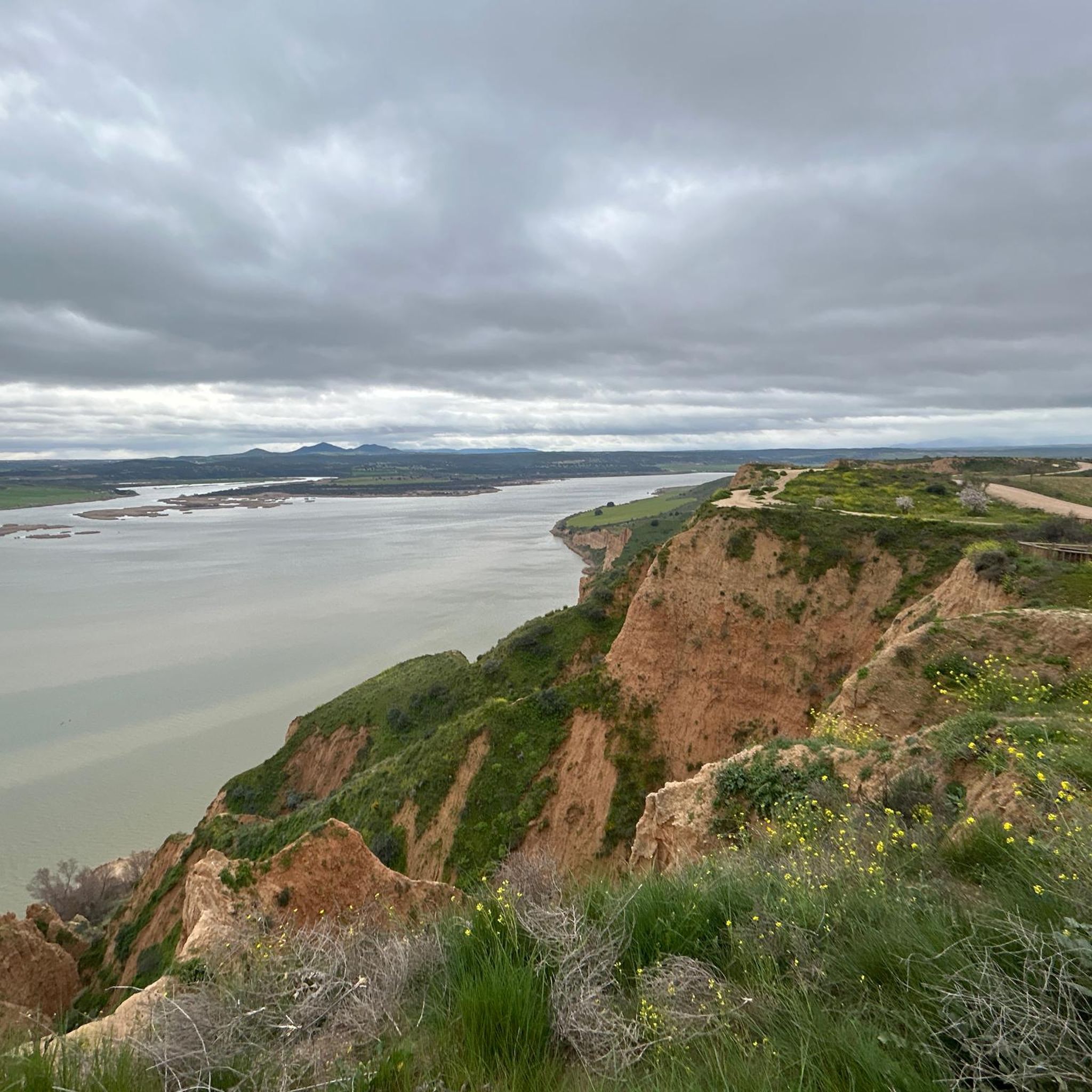
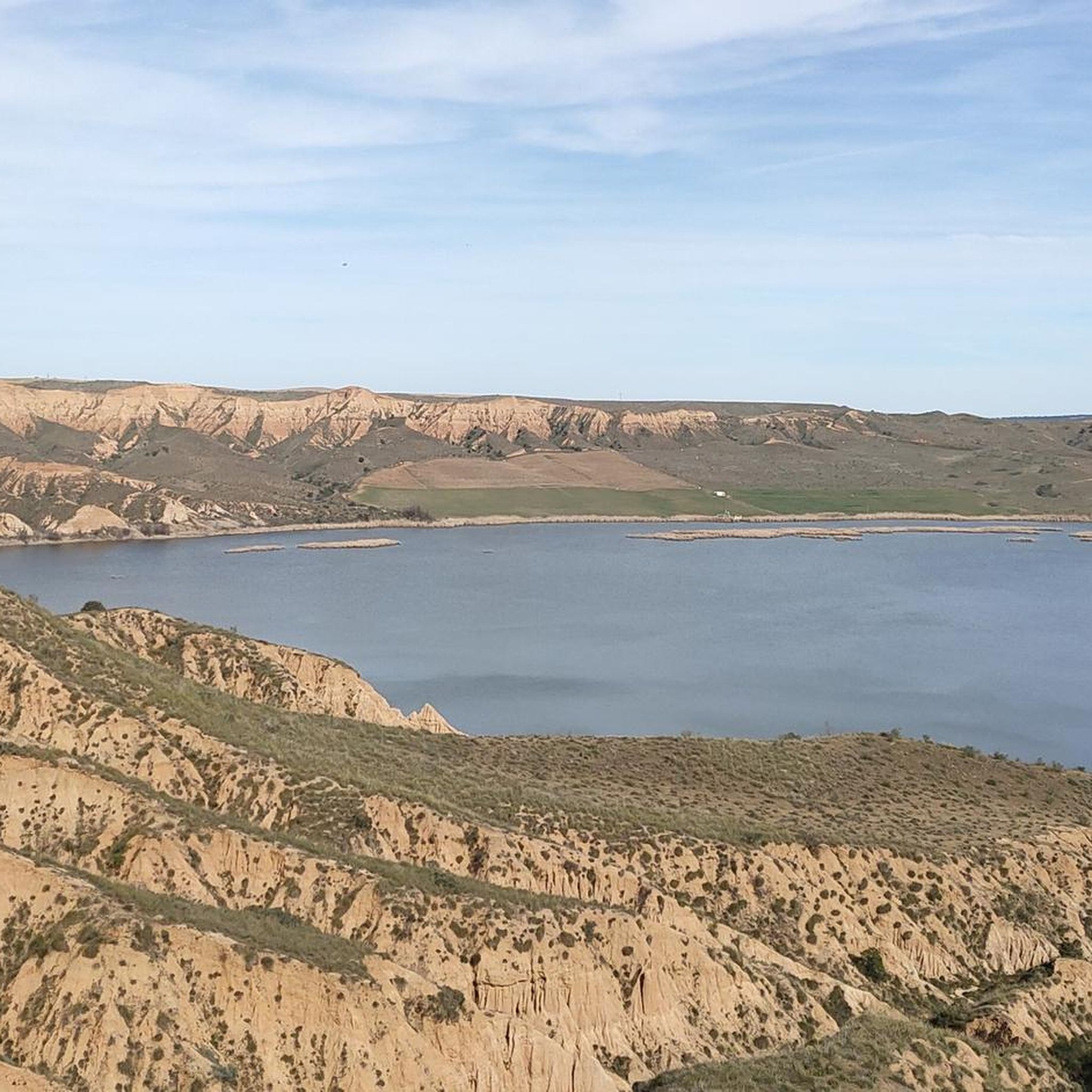

Tips from the Community

Malpica Castle is the most emblematic construction of the Toledo town of Malpica de Tajo. It is an impressive fortification of Arab origin built in the 14th century. Made of brick and surrounded by several moats and the waters of the Tagus, it stands out for the solidity and strength of its structure.
1
0

This castle, privately owned by the Duchy of Arion, is not open to the public and cannot be visited inside, although it is probably worth it since it has the peculiarity of having been continuously inhabited for centuries. The most we can do is surround it or observe it from the opposite bank of the river, which gives it an unusual atmosphere in the medieval architecture of the Iberian Peninsula.
2
0

Built by the Arabs in the 10th century as part of a set of defensive fortifications and later converted into a residential palace, the Malpica castle is one of the few in Spain that is located on the banks of a river, and in this case nothing less than the Tagus. Unfortunately it is private property and you cannot enter it, but it is nonetheless an attractive building that stands out when you cross the bridge to enter the town from where you will have the best views of it.
1
1
In the town of Maqueda is the Castillo de la Vela, which was built in the 10th century as a defensive fortress. After being taken over by Alfonso VI and then ceded to the Order of Calatrava, in the 15th century it was completely rebuilt and came to house Queen Isabella the Catholic.
1
0

Farming village between olive groves and vineyards that celebrates a wine festival in summer. It is a classic rural enclave on the banks of the Tagus with low houses and a quiet atmosphere.
1
1
The parish church of San Cipriano stands on top of the hill where the town lies, standing out among olive and cereal fields irrigated with the waters of the nearby Tagus riverbed. Cebolla is part of the region of Talavera de la Reina and, among its narrow and twisting streets, you can find a variety of services for the intern.
1
0
The town stands out on a hill in the middle of the cereal fields and olive groves. It is the typical rural enclave of the Toledo plain in which its parish church and the Quevedo house from the 16th century or the stately manor houses characterized by their double height, stately coats of arms and Arab tiles stand out.
1
0

Highlight: Villalba Castle. The Palace of the Dukes of Frías. The hermitage of San Illán, where the Virgen de la Antigua, patron saint of the municipality, is found in a carving made in the 18th century by Luis Corsón. There is also an altarpiece and a collection of tiles from the same century; These tiles narrate episodes from the (legendary) life of San Illán, who is identified as the son of San Isidro Labrador, without knowing the origin of this tradition, which is very late.[4] The hermitage of San Blas. The parish church of San Cipriano. The roll of Justice.
1
0
Frequently Asked Questions
What historical sites can I visit around Otero?
Otero is rich in historical sites, particularly castles and religious buildings. You can explore the impressive Castillo de la Vela in Maqueda, a 10th-century defensive fortress that was rebuilt in the 15th century and once housed Queen Isabella the Catholic. Another significant site is the Parish Church of Our Lady of the Assumption, a 16th-century Renaissance-style church reportedly built on the remains of an old castle.
Are there any castles to explore near Otero?
Yes, the region around Otero is known for its historical castles. Besides the Castillo de la Vela, you can also see Malpica Castle, an impressive 14th-century fortification of Arab origin situated on the banks of the Tagus river. While its interior is privately owned and not open to the public, its exterior and unique riverside location make it a notable sight. The Cebolla Castle Ruins also offer a glimpse into the region's past.
What religious landmarks are notable in the Otero area?
The most prominent religious landmark is the Parish Church of Our Lady of the Assumption. This 16th-century Renaissance-style church stands majestically on a hill amidst cereal fields and olive groves, characteristic of the Toledo plain. It is a significant example of local heritage and architecture.
Are there family-friendly attractions around Otero?
Yes, the Castillo de la Vela is categorized as family-friendly, offering an engaging historical experience for all ages. Exploring the grounds of this ancient castle can be an educational and fun outing for families.
Are there any wheelchair accessible attractions in Otero?
Yes, the Monument to the Victims of COVID-19 and the Spanish Civil War, Montearagón is noted as being wheelchair accessible, providing an inclusive option for visitors.
What outdoor activities can I do near Otero?
The rural landscape of Otero, with its olive groves and cereal fields, is ideal for various outdoor activities, especially cycling. You can find numerous routes for mountain biking, road cycling, and touring bicycles. For detailed routes, explore the guides for MTB Trails around Otero, Road Cycling Routes around Otero, and Cycling around Otero.
Can I find mountain biking trails near Otero?
Absolutely. Otero offers a selection of mountain biking trails suitable for various skill levels. For example, you can find easy routes like the 'Castillo de Malpica de Tajo – circular desde Erustes' or more moderate options such as the 'Bar Pizpajo loop from Erustes'. You can discover more trails and their details in the MTB Trails around Otero guide.
Are there road cycling routes available around Otero?
Yes, road cyclists will find a variety of routes around Otero, ranging from easy to difficult. Options include the 'Roadbike loop from La Mata' for an easy ride, or more challenging routes like 'Mentrida, Aldea del Fresno y Escalona – circular from Maqueda'. Detailed information and more routes are available in the Road Cycling Routes around Otero guide.
What is the general character of the Otero region?
Otero is characterized by its rural charm, set within the Toledo plain. It features a landscape of rolling cereal fields and olive groves, dotted with historical architecture. The region offers a tranquil atmosphere, reflecting its rich past and agricultural heritage, with towns often situated on hills overlooking the plains.
What do visitors enjoy most about the attractions around Otero?
Visitors appreciate the historical depth and rural beauty of Otero. The impressive architecture of sites like Malpica Castle and the serene setting of the Parish Church of Our Lady of the Assumption are frequently highlighted. The komoot community has shared photos and given upvotes, indicating a positive experience with the region's blend of history and natural scenery.
Are there any monuments commemorating historical events in Otero?
Yes, in Montearagón, you can find the Monument to the Victims of COVID-19 and the Spanish Civil War. This site serves as a poignant reminder of significant historical events and their impact on the community.
Most popular routes around Otero

Get inspired with the komoot mobile app


Explore more
Still not found the Highlight you’re looking for? See guides of the top attractions in other regions:
