Attractions and Places To See around El Bruc - Top 20
Best attractions and places to see around El Bruc include natural features and historical sites. Located at the foot of Montserrat Mountain, El Bruc serves as a gateway to the Montserrat Natural Park, offering diverse landscapes. The area is known for its rich history, including the Battle of El Bruc, and provides a base for exploring both natural and cultural points of interest.
Best attractions and places to see around El Bruc
- The most popular attractions is Montserrat Monastery, a religious building located on the mountain of Montserrat. It is considered a symbol for Catalonia and Spain, serving as a pilgrimage point and a significant cultural site.
- Another must-see spot is Sant Jeroni Summit, the highest peak of the Montserrat mountain. This summit offers extensive views and is a challenging destination for hikers.
- Visitors also love Hermits' Viewpoint, a viewpoint offering views of the Montserrat Monastery. The ascent to this point provides scenic perspectives of the surrounding area.
- El Bruc is known for its natural features like Montserrat Mountain, historical sites such as the Monument to the Battle of El Bruc, and cultural sites like the Museum of Montserrat Mountain. The region offers a variety of attractions to see and explore, from ancient monasteries to panoramic viewpoints.
- The attractions around El Bruc are appreciated by the komoot community, with over 1000 upvotes and 600 photos shared by visitors.
Last updated: August 16, 2026
Monastery of Santa María de Montserrat
Highlight • Religious Site
Translated by Google •
Tip by

Sant Jeroni Summit
Highlight • Summit
Translated by Google •
Tip by

Sign up now to discover places like this
Get recommendations on the best single tracks, peaks, & plenty of other exciting outdoor places.
Sign up for free
Sant Jeroni Trail, Montserrat
Highlight (Segment) • Trail
Translated by Google •
Tip by

Hermits' Viewpoint
Highlight • Viewpoint
Translated by Google •
Tip by

Sant Onofre Hermitage
Highlight • Religious Site
Translated by Google •
Tip by
Sign up for free to discover even more attractions around El Bruc.
Sign up for free
Already have an account?
Start today with a free account
Your next adventure awaits.
Login or Signup
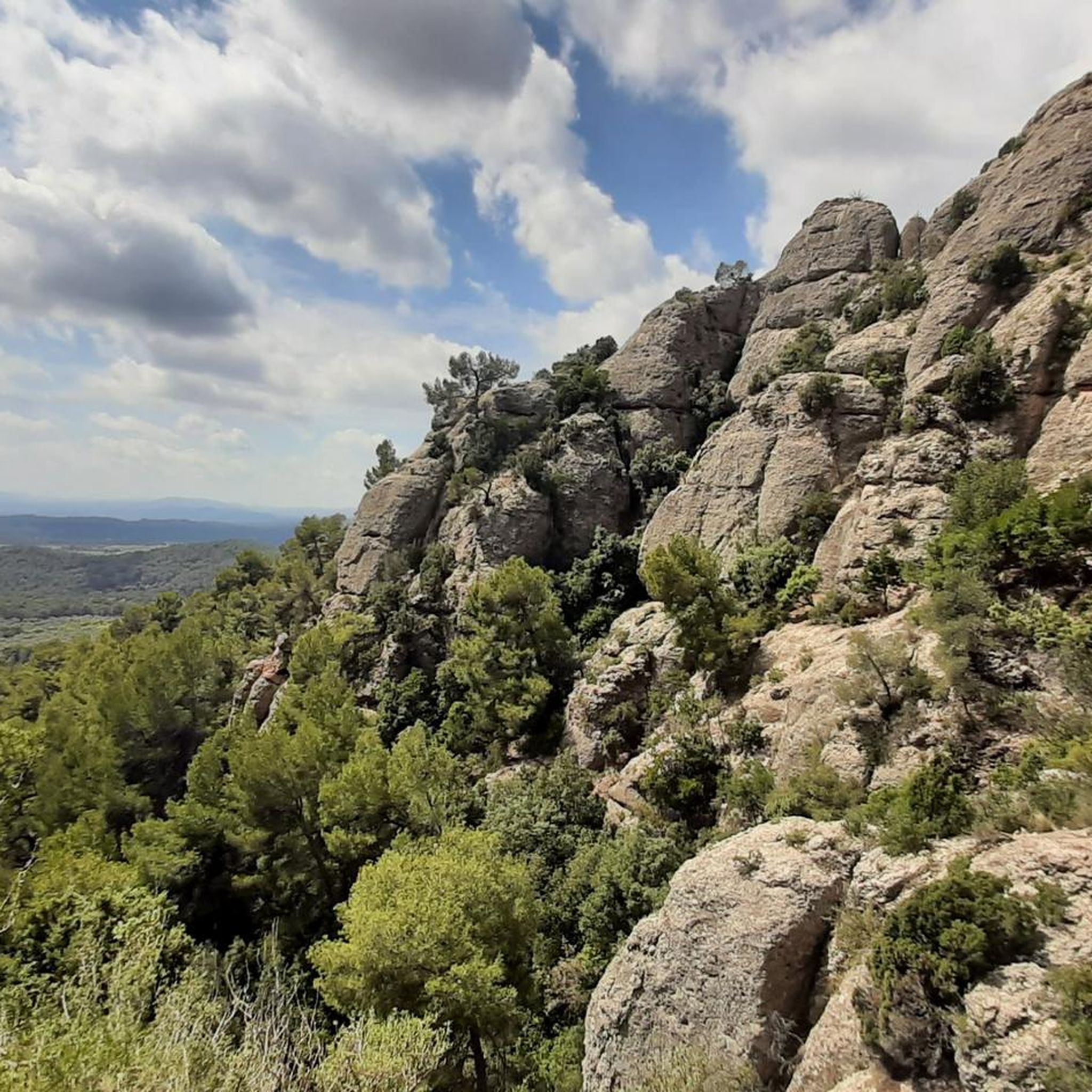
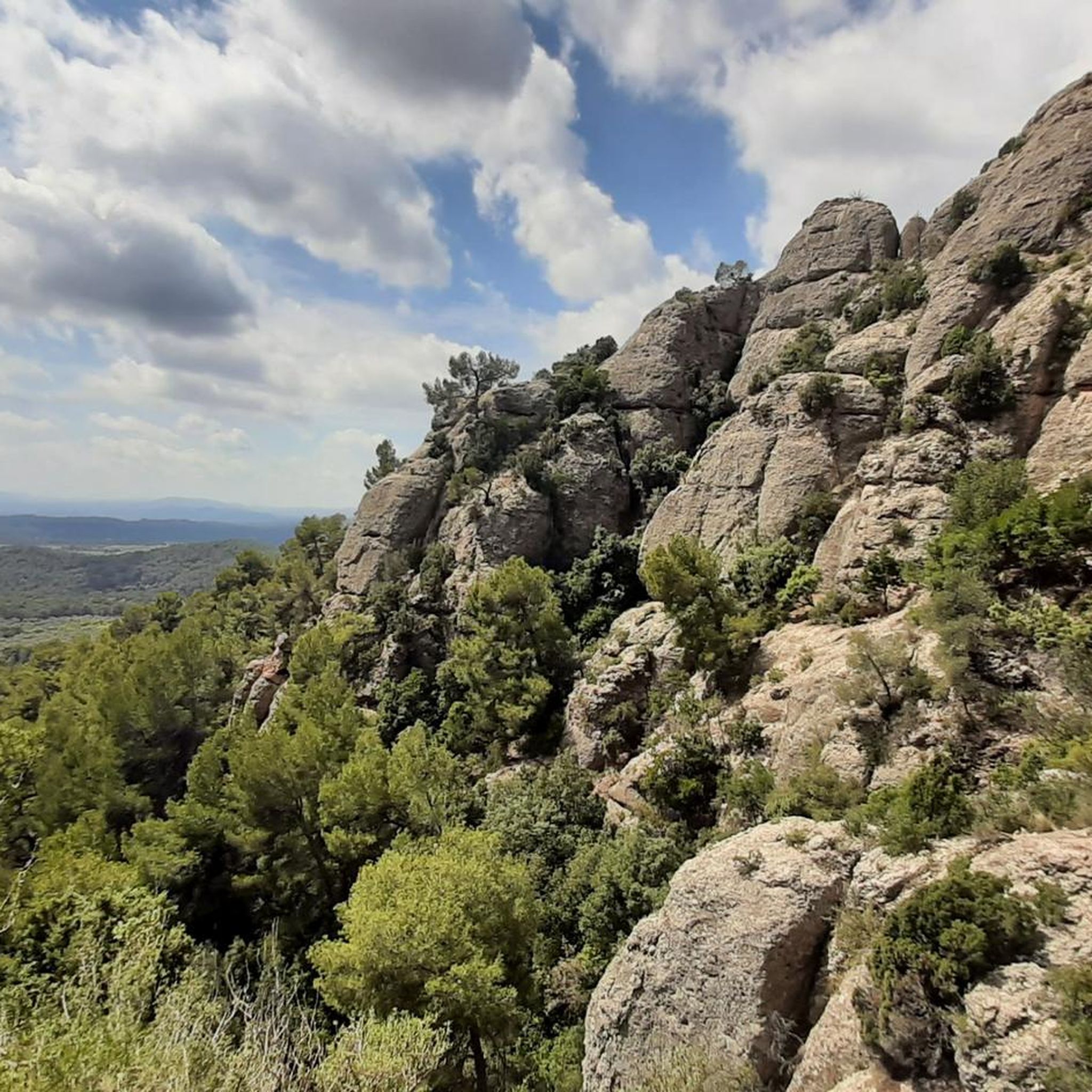
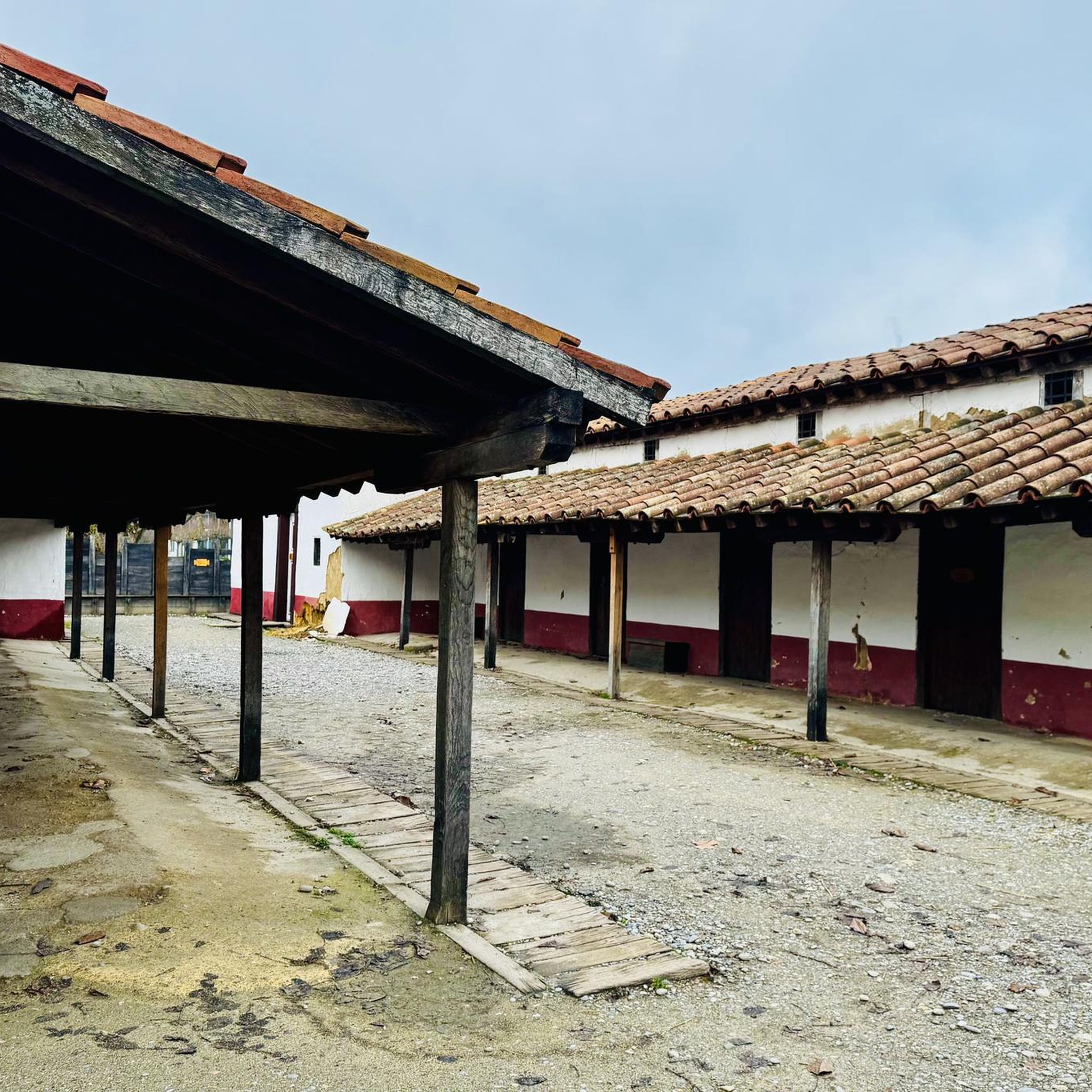
Other adventures around El Bruc

Tips from the Community

I really loved this place — it’s truly unique. Montserrat Monastery has an incredible atmosphere and stunning views. The hike from the monastery to Sant Jeroni is especially memorable: the trail includes many stone steps, but it’s well-maintained and quite manageable. Along the way, you’re constantly rewarded with breathtaking views of the необычні скельні formations and surrounding landscapes. At the top, the 360-degree panoramic view is absolutely spectacular and makes the whole hike worth it.
0
0

A classic for visitors to Montserrat and its surroundings.
0
0


Wonderful vantage point high above the monastery
2
0


Route with spectacular views. You must bring enough water and appropriate shoes.
0
0

It's not easy, you have to climb channels where stones fall and you slip a lot.
4
0
Frequently Asked Questions
What natural features can I explore near El Bruc?
El Bruc is a gateway to the majestic Montserrat Mountain and the Montserrat Natural Park, offering diverse landscapes for exploration. You can discover the unique rock formations of Montserrat, hike along the Midday stream (Torrente de Migdia) with its cascades, or visit the immense Balma de Can Solà, a cave equipped for climbing.
What historical sites are there to visit in El Bruc?
El Bruc is rich in history. You can visit the Monument to the Battle of El Bruc, commemorating a significant local victory against Napoleon's army. Explore the remains of the medieval Castell de la Guàrdia (or Bonifaci Castle) on the Collet del Guirló, or the 11th-century Church of Santa Maria del Bruc with its Romanesque apse and bell tower.
Are there any cultural attractions or museums in El Bruc?
Yes, El Bruc offers several cultural points of interest. The Museum of Montserrat Mountain (Museu de la Muntanya de Montserrat del Bruc) houses collections related to the Battles of El Bruc, Montserrat climbing, fossils, and prehistoric remains. You can also find a small Geology, Paleontology, and Prehistory Museum. The village also features several modernist buildings, such as Can Casas and Can Diez.
What outdoor activities can I do around El Bruc, especially hiking or biking?
El Bruc is an excellent base for outdoor activities. The Montserrat Natural Park offers numerous trails for hiking and mountain biking, suitable for various skill levels. A notable hiking route is the PR-C 78, which passes through Can Maçana. For more specific routes, you can explore the Hiking around El Bruc or Gravel biking around El Bruc guides.
Are there family-friendly attractions in El Bruc?
While many attractions are geared towards outdoor enthusiasts, the general exploration of Montserrat Mountain and its natural surroundings can be enjoyable for families. The Montserrat Monastery, a significant cultural and religious site, is also considered family-friendly and offers a unique experience for all ages.
What is the highest point I can reach for views near El Bruc?
The highest point you can reach for breathtaking views is the Sant Jeroni Summit, which is the highest peak of the Montserrat mountain at 1,236 meters. It offers extensive panoramic views of the surrounding region.
What religious sites can I visit in the area, apart from the main Montserrat Monastery?
Beyond the main monastery, you can visit the Church of Santa Maria del Bruc, an 11th-century Romanesque church. Also, the Ermita de Sant Onofre is a hermitage located in the Thebes area of the Montserrat massif, and the Santa Cecilia Monastery, Montserrat, a former 10th-century Benedictine monastery now housing a contemporary art space.
What do visitors particularly enjoy about the attractions around El Bruc?
Visitors frequently praise the stunning natural beauty and the spiritual atmosphere of the region. Many enjoy the diverse hiking and climbing opportunities on Montserrat, the panoramic views from various viewpoints like Hermits' Viewpoint, and the historical significance of sites like the Montserrat Monastery. The area is appreciated for its blend of nature, culture, and history.
Can I go climbing near El Bruc?
Yes, the Montserrat area is renowned for climbing. The Montserrat Natural Park is a paradise for climbers, offering a variety of routes. Specifically, the Balma de Can Solà is an immense cave equipped with twelve established climbing routes and an interior spring, providing a unique climbing experience.
Are there any local events or festivals in El Bruc?
El Bruc hosts several local festivals throughout the year. The Festa Major takes place in August, and the annual Bruc Fair is held in May, both featuring traditional Catalan music, dance, and food. Additionally, the 'Festa del Timbaler' (Drummer's Festival) in early June commemorates the victory against the French during the Battle of El Bruc.
Where can I find unique architectural sites in El Bruc?
El Bruc features several examples of modernist architecture. You can see Can Casas, built in 1899 by Cristòfol Cascante (a disciple of Gaudí), which now serves as municipal offices. Other elegant early 20th-century summer houses like Can Diez (1916), Panamà Canal, and Calvo also contribute to the town's architectural heritage.
How can I experience the history of the Battle of El Bruc?
To delve into the history of the Battle of El Bruc, you can visit the Monument to the Battle of El Bruc, which commemorates this significant event. Additionally, the Museum of Montserrat Mountain (Museu de la Muntanya de Montserrat del Bruc) houses collections specifically related to the Battles of El Bruc, offering deeper insights into the local resistance against Napoleon's army.
Most popular routes around El Bruc
Most popular attractions around El Bruc

Get inspired with the komoot mobile app


Explore more
Still not found the Highlight you’re looking for? See guides of the top attractions in other regions:
