Attractions and Places To See around Brazatortas - Top 20
Attractions and places to see around Brazatortas include a blend of historical sites, cultural insights, and natural features. Located in the province of Ciudad Real, Spain, the town serves as a gateway to the Valle de Alcudia and Sierra Madrona Natural Park. The area is characterized by its diverse ecosystems, ancient holm oaks, and the meandering Ojailén River. Visitors can explore remnants of its pastoral and agricultural heritage, alongside significant natural monuments.
Best attractions and places to see around Brazatortas
…Last updated: August 12, 2026
Batanera Waterfall
Highlight • Waterfall
Translated by Google •
Tip by

La Batanera Rock Art Site
Highlight • Historical Site
Translated by Google •
Tip by
Sign up now to discover places like this
Get recommendations on the best single tracks, peaks, & plenty of other exciting outdoor places.
Sign up for free
Las Lastras
Highlight • Waterfall
Translated by Google •
Tip by
Almodóvar del Campo
Highlight • Settlement
Translated by Google •
Tip by
Laguna de Almodóvar
Highlight • Lake
Translated by Google •
Tip by
Sign up for free to discover even more attractions around Brazatortas.
Sign up for free
Already have an account?
Start today with a free account
Your next adventure awaits.
Login or Signup
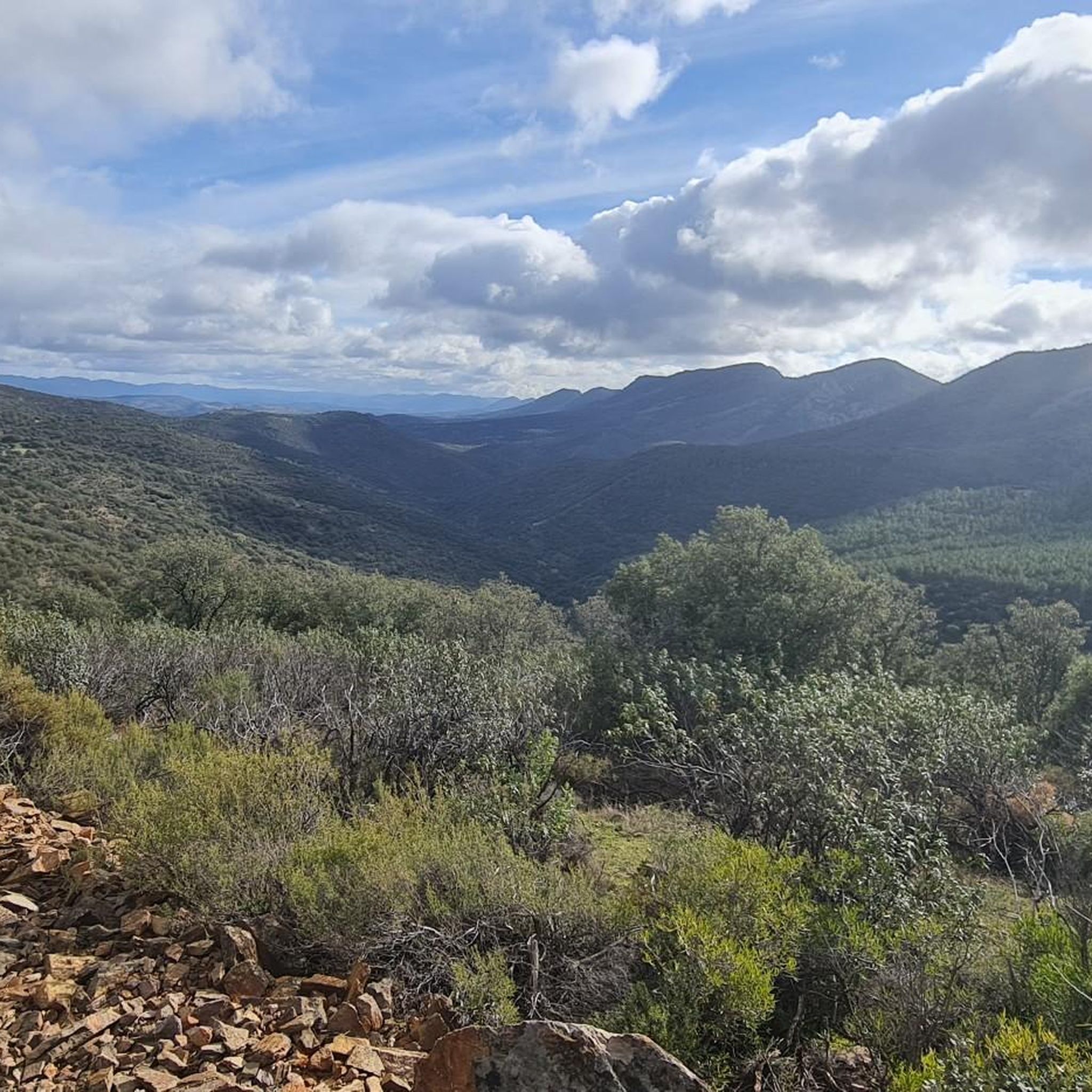
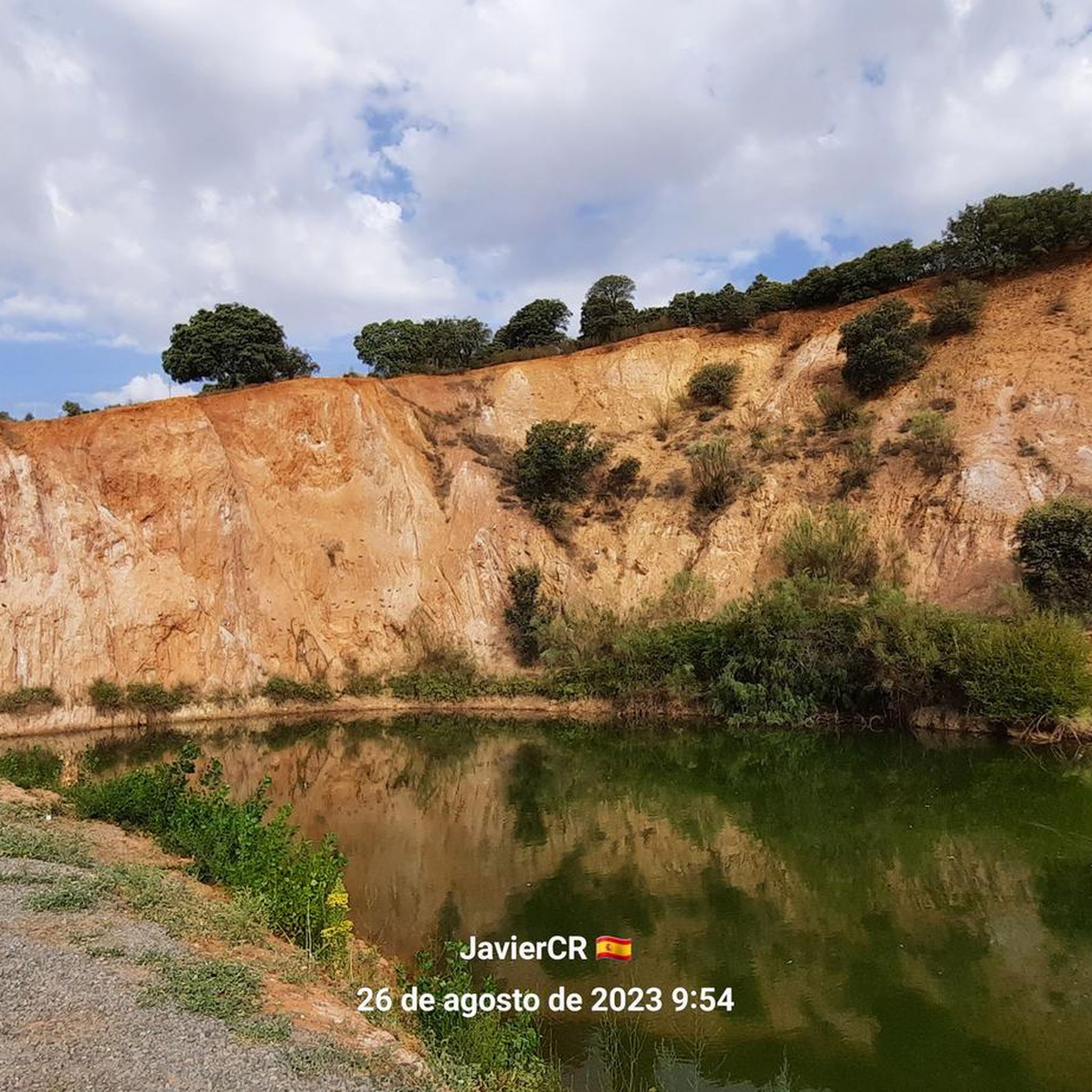
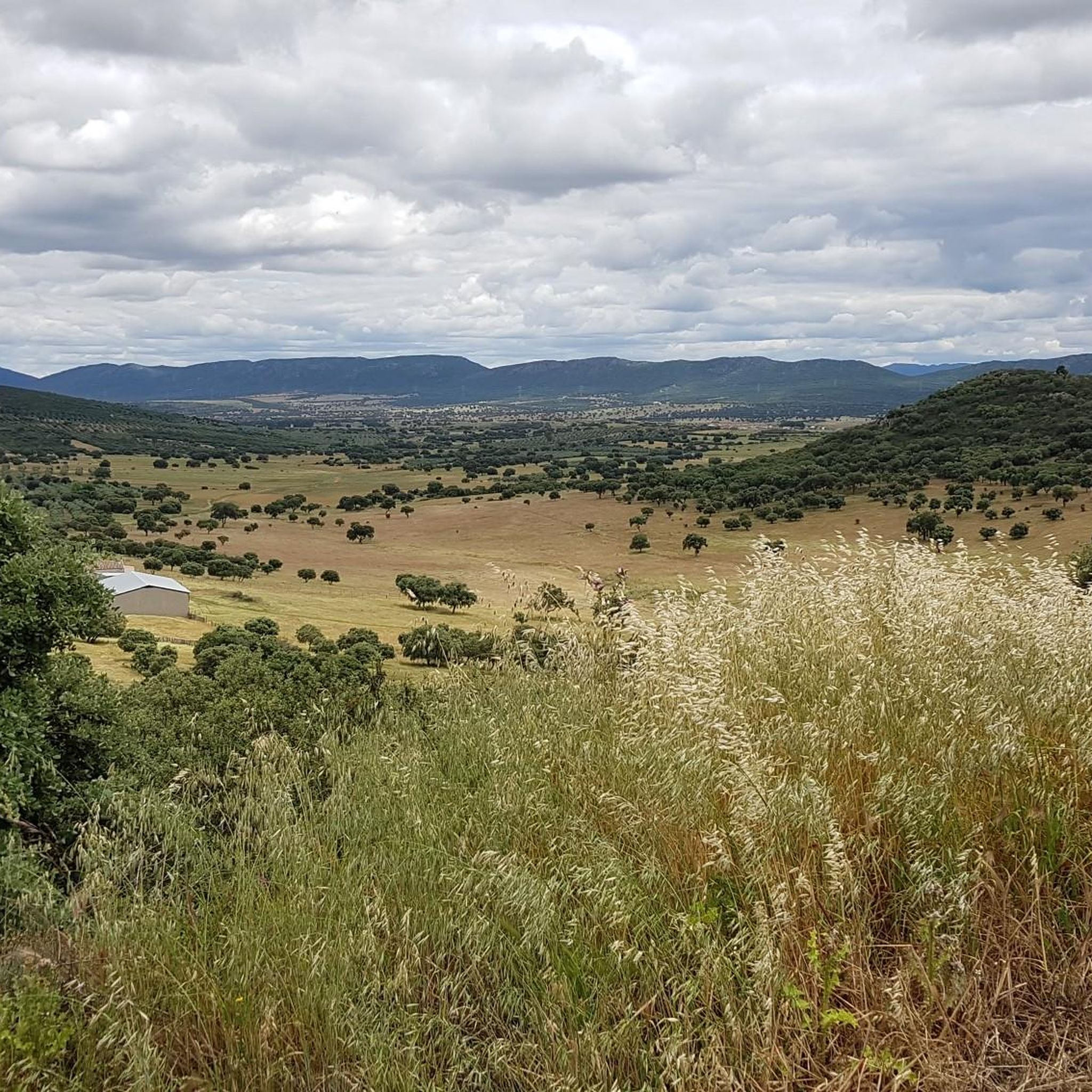
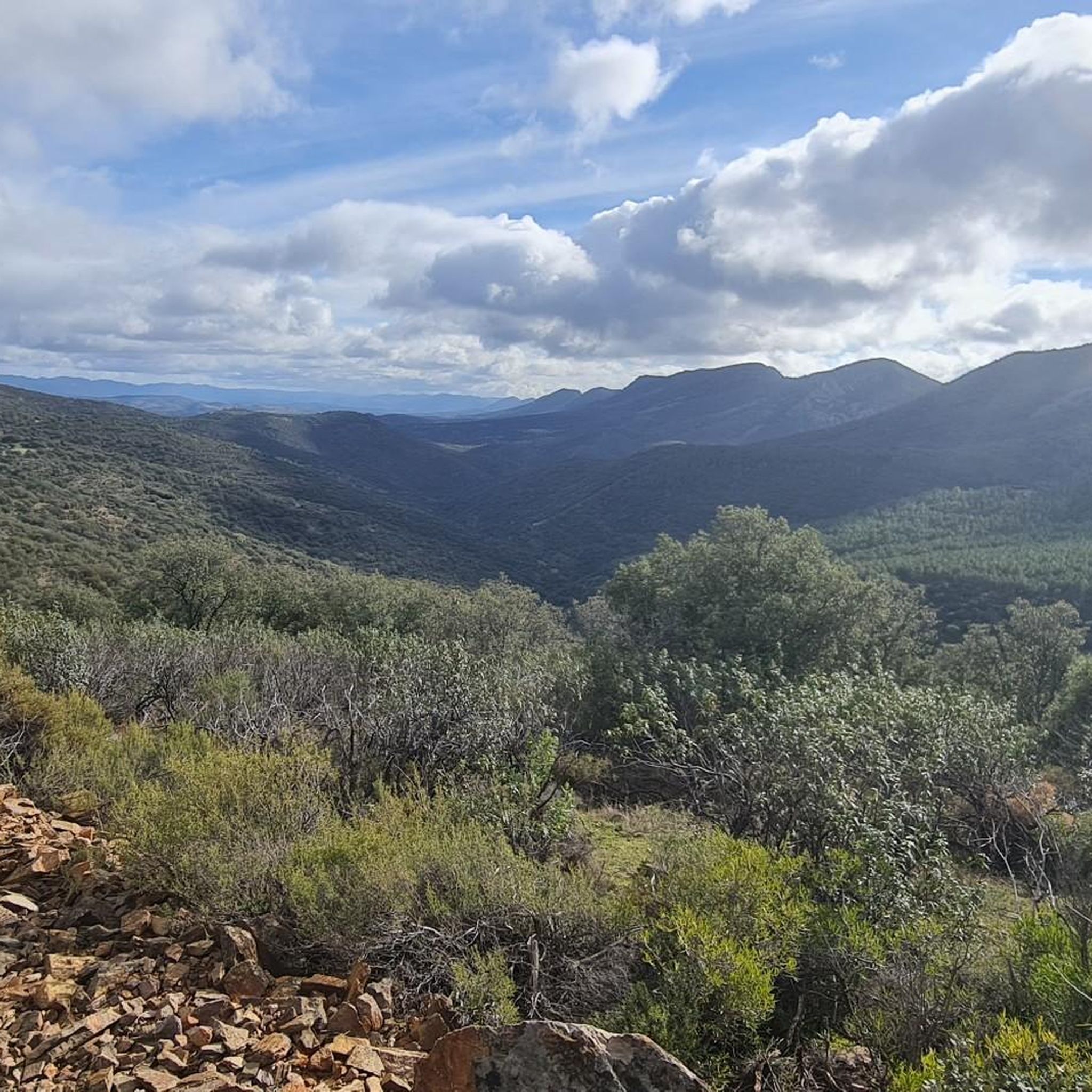
Tips from the Community

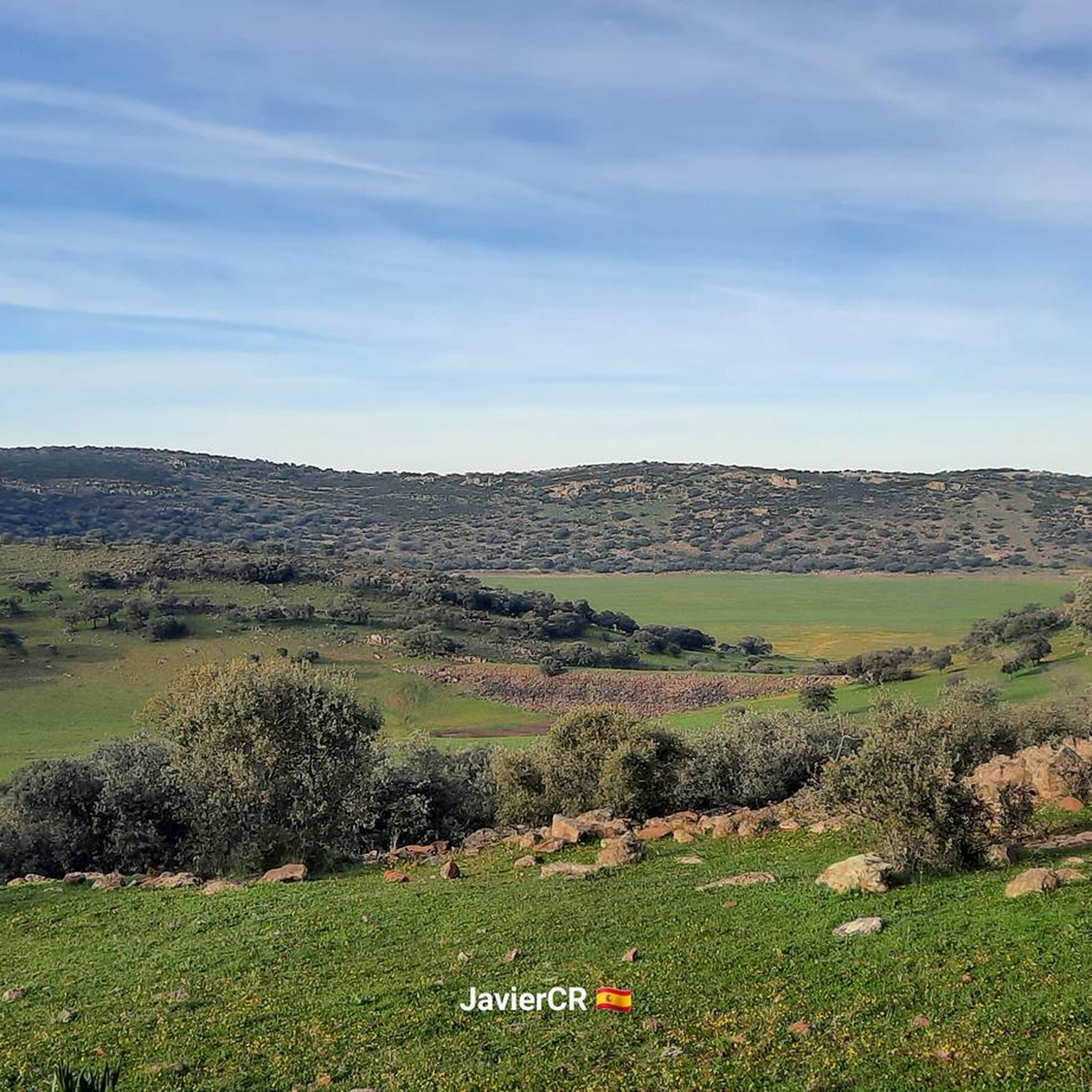
The Almodóvar del Campo Lagoon is a unique natural and geological feature located in the province of Ciudad Real, within the Campo de Calatrava region, famous for its volcanic landscapes. It is a lagoon formed in the crater of a volcano after a phreatomagmatic eruption (interaction between magma and groundwater). This type of lagoon is called a maar.
4
0
The monuments and centers of cultural interest are spread throughout its streets: the Palermo Museum, the Casa-Convent of La Merced, current home of the Hieronymite nuns, in a modernist style and dating back to the 19th century. Continuing the visit you can visit the Cervantina Library, inside which countless editions of Don Quixote are collected, in various languages, formats and periods, as well as canvases and drawings related to the Cervantine character. From here you can also see the Municipal Theater, built in 1845 on the site of the old Carmelite Convent.
19
0
In the Alcudia Valley, we find the municipality of Almodóvar del Campo built on the side of a volcano, so present in Campo de Calatrava, and whose crater is now a lagoon. The Arab footprint is the most emblematic of the city, leaving behind the memory of the Castle and above all the unique Parish of Our Lady of the Assumption. There you can see the first videomapping in Spain permanently installed in a closed space, under the theme of the life and work of San Juan de Ávila.
29
0
It is formed by a Strombolian volcanic cone of pyroclasts, and due to the quarry in it, its internal structure is exposed. Attached to the foot of this volcano is the Almodóvar maar, which is a phreatomagmatic explosion crater that erupted at the edge of the Paleozoic series, cutting a substrate of hard lithology and destroying part of the previous volcano. The maar crater is funnel-type (hard-type substrate) and houses an ephemeral lagoon inside. In its southern and eastern contour the maar has a ring of tuffs, with pyroclastic facies. The phreatomagmatic deposits of the maar ring are located on a Cenozoic red colluvium. The main interest is of a volcanological (petrological) type and as a secondary interest the geomorphological interest stands out.
2
0
It is a volcanic formation made up of a crater and the Cerro de los Molinos. The crater gives rise to the lagoon and the hill is composed of solid lava. It is located near Almodóvar del Campo, in an easterly direction and, according to historians, it gave origin and name to the settlement of the population.
1
0
The Batanera Waterfall and Shelter is located in the Alcudia Valley and Sierra Madrona Natural Park. Route 10.- LAS LASTRAS- LA BATANERA
16
0

The Sierra Madrona has this, spaces like the Cascada de la Batanera, a river that forms a waterfall full of life and charm, ideal for passing by and cooling off!
2
0
In the Alcudia Valley, we find the municipality of Almodóvar del Campo built on the side of a volcano, so present in Campo de Calatrava, and whose crater is now a lagoon. The Arab footprint is the most emblematic of the city, leaving behind the memory of the Castle and above all the unique Parish of Our Lady of the Assumption. There you can see the first videomapping in Spain permanently installed in a closed space, under the theme of the life and work of San Juan de Ávila. The monuments and centers of cultural interest are spread throughout its streets: the Palermo Museum, the House-Convent of La Merced, current home of the Hieronymite nuns, in a modernist style and dating back to the 19th century. Continuing the visit you can visit the Cervantina Library, inside which countless editions of Don Quixote are collected, in various languages, formats and periods, as well as canvases and drawings related to the Cervantine character. From here you can also see the Municipal Theater, built in 1845 on the site of the old Carmelite Convent.
4
1
Frequently Asked Questions
What natural attractions can I explore near Brazatortas?
Brazatortas is a gateway to the rich natural beauty of the Valle de Alcudia and Sierra Madrona Natural Park. You can discover the stunning Batanera Waterfall, which features a beautiful cascade and shelters with cave paintings. Another notable natural site is the Las Lastras waterfall, part of a popular local route. For geology enthusiasts, the Maar and Strombolian volcano of Almodóvar del Campo offers unique volcanological features. The region also boasts the Microrreserve Túnel de Niefla, an important winter refuge for bats, and the scenic Mirador de Santa Brígida viewpoint.
Are there any historical or cultural sites to visit in Brazatortas?
Yes, Brazatortas has a rich history. You can visit the 17th-century Church of San Ildefonso and Cristo de Orense, a central monument in the town. Stroll through the Old Quarter to see traditional Manchegan architecture and an ancient drinking trough. The Church of Divina Pastora in the Veredas neighborhood reflects the area's railway heritage. Don't miss the La Batanera Rock Art Site, which features one of the largest and best-preserved groups of schematic cave paintings on the Iberian Peninsula.
What outdoor activities can I do around Brazatortas?
The area around Brazatortas is perfect for outdoor enthusiasts. You can find numerous routes for hiking, mountain biking, and running. For detailed trails, explore the MTB Trails around Brazatortas, Running Trails around Brazatortas, and Road Cycling Routes around Brazatortas guides. Many routes pass through the Valle de Alcudia and Sierra Madrona Natural Park, offering stunning landscapes.
Are there family-friendly attractions in Brazatortas?
While many natural sites can be enjoyed by families, the The Almodóvar Mill, located on the Cerro de los Molinos, is a family-friendly historical site where you can see the ruins of an 18th-century windmill. Exploring the Old Quarter and the Ethnographic Museum Jacinto y Juana can also be engaging for families interested in local history and culture.
Where can I learn about the history and traditions of Brazatortas?
To delve into the history and traditions of Brazatortas, visit the Ethnographic Museum Jacinto y Juana, which showcases the pastoral and agricultural life that shaped the town. The Cattle Loading Dock is another civil architectural feature highlighting the historical importance of transhumant livestock in the region. Additionally, the Old Camino Real Sales Points and Railway Buildings around La Estación offer insights into the area's past as a vital travel route.
What is the best time of year to visit Brazatortas for outdoor activities?
The best time to visit Brazatortas for outdoor activities is typically during spring (April to June) and autumn (September to November). During these seasons, the weather is milder and more pleasant for hiking, cycling, and exploring the natural parks, avoiding the intense heat of summer and the cooler, wetter conditions of winter.
Are there any viewpoints offering panoramic views of the region?
Yes, the Mirador de Santa Brígida offers extensive panoramic views of the Valle de Alcudia. From here, you can admire the characteristic pastures, centennial holm oaks, and gentle mountains that define the landscape around Brazatortas.
What kind of wildlife can I expect to see in the Brazatortas area?
The Valle de Alcudia and Sierra Madrona Natural Park, which Brazatortas borders, is known for its rich biodiversity. You might spot various bird species, including raptors, and mammals such as deer and wild boar. The Microrreserve Túnel de Niefla is particularly important as a winter refuge for bats, making it a significant site for wildlife observation.
Are there any less crowded alternatives to popular attractions?
While Brazatortas itself offers a tranquil experience, for less crowded natural exploration, consider visiting the Guadalmez River Fluvial Reserve or the Ojailén River's meandering course. These areas provide serene natural settings away from more frequented spots like the Batanera Waterfall, especially during peak times.
What are some unique geological features near Brazatortas?
Beyond the general natural beauty, Brazatortas is close to the unique Maar and Strombolian volcano of Almodóvar del Campo. This site presents distinct volcanological and geomorphological features, including a Strombolian volcanic cone and a phreatomagmatic explosion crater with an ephemeral lagoon, offering a fascinating glimpse into the region's geological past.
Can I find any ancient ruins or archaeological sites?
Yes, the La Batanera Rock Art Site features ancient schematic cave paintings. Additionally, while no current vestiges remain, historical documents indicate the presence of an ancient Islamic fortress near the Cerro de los Molinos, where The Almodóvar Mill now stands, hinting at a deep historical past.
Most popular attractions around Brazatortas

Get inspired with the komoot mobile app


Explore more
Still not found the Highlight you’re looking for? See guides of the top attractions in other regions:
