The best road cycling routes around Villagarcía De Campos
3.0
(2)
18
riders
5
rides
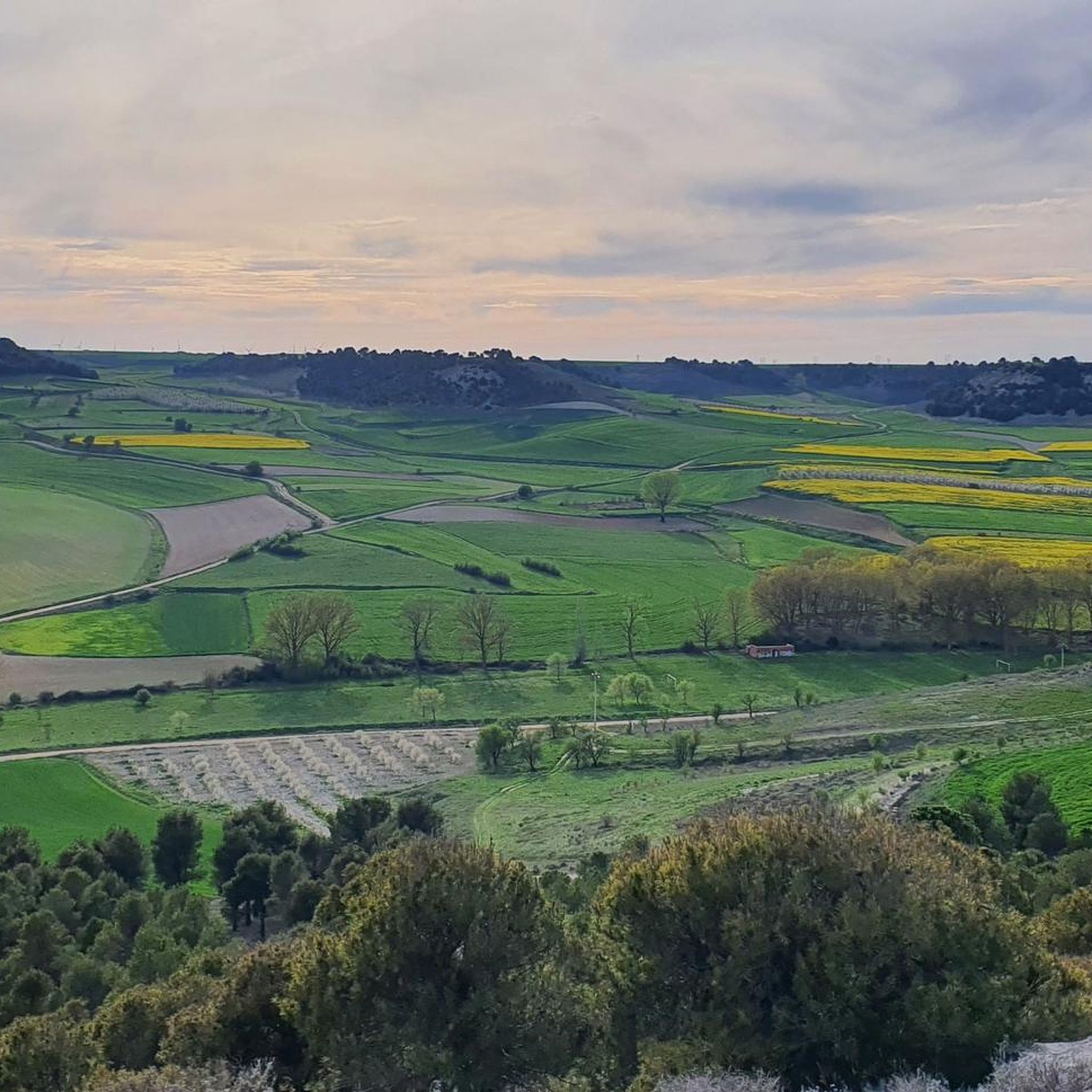
Road cycling around Villagarcía De Campos, located in the Tierra de Campos region of Valladolid, Spain, offers routes across extensive plains with gentle, treeless slopes. The area is characterized by open landscapes and quiet rural roads, providing a serene environment for cyclists. The River Sequillo flows through the municipality, adding a natural feature to the terrain. Historical architecture, including castle ruins and 16th-century temples, can be encountered along many routes.
Best road cycling routes around Villagarcía De Campos
- The most popular road cycling route is Villagarcía de Campos y Villabrágima desde Monasterio de la Santa Espina – circular por Medina de Rioseco, a 38.9 miles (62.6 km) trail that takes 2 hours 34 minutes to complete. This moderate route traverses the open plains of the Tierra de Campos, connecting historical villages.
- Another top favourite among local road cyclists is Urueña from Monasterio de la Santa Espina – circular by San Cebrián de Mazote, an easy 23.0 miles (37.0 km) path. This route offers views of the expansive Castilian landscape and passes through quiet rural areas.
- Local road cyclists also love the Villagarcía de Campos from Monasterio de la Santa Espina – circular via Castromonte and Villabrágima, a 24.8 miles (39.9 km) trail leading through the Tierra de Campos region, often completed in about 1 hour 36 minutes.
- Road cycling around Villagarcía De Campos is defined by open plains, gentle slopes, and historical villages. The network offers options for different ability levels, from easy rides to moderate challenges.
- The routes in Villagarcía De Campos are highly rated by the komoot community with an average score of 3.0 stars from over 2 reviews. More than 16 road cyclists have used komoot to explore Villagarcía De Campos's varied terrain.
Last updated: July 12, 2026
4
riders
Moderate road ride. Good fitness required. Mostly well-paved surfaces and easy to ride.
4
riders
Easy road ride. Great for any fitness level. Mostly well-paved surfaces and easy to ride.

Sign up for free
Easy road ride. Great for any fitness level. Mostly well-paved surfaces and easy to ride.
3.0
(1)
6
riders
61.2km
02:53
330m
330m
Moderate road ride. Good fitness required. Some segments of this route may be unpaved and difficult to ride.
3.0
(1)
4
riders
Moderate road ride. Good fitness required. Mostly well-paved surfaces and easy to ride.
Our route recommendations are based on thousands of hikes, rides, and runs completed by other people on komoot.
Start today with a free account
Your next adventure awaits.
Login or Signup
Popular around Villagarcía De Campos

Tips from the Community

Located on a plain near the village of Villalonso (population approximately 75), 11 km from Toro and about 47 km from Zamora. It is a typical square-plan castle-palace with a high moat (now filled in), corner towers, crenellated walls, and a keep crowned by a machicolation.
1
0
The current castle was built in the 15th century on the site of an earlier 13th-century fortification, which belonged to the Order of Alcántara. In 1470, Juan de Ulloa and his wife, María de Sarmiento, rebuilt it in a palatial style, placing their coats of arms above the entrance. Juan supported the Portuguese cause in the War of the Castilian Succession and died defending the castle in 1476; his widow then defended it for a time.
1
0

High on a hill near Urueña stands this Romanesque hermitage of Mozarabic origin, one of the most unique in Castile and León. What few know is that beneath its floor were found Visigothic pottery fragments and a small well used to collect rainwater, considered blessed. Local shepherds said that this water cured eyesight if applied at dawn. Today, the well remains, covered by a slab, and the hermitage continues to hold its air of mystery among the golden stones of the moor.
0
0
The Hermitage of Our Lady of the Annunciation is located in Urueña, in the province of Valladolid and is an outstanding example of Romanesque-Lombard art in Spain. Built in the 12th century by order of the Infanta Sancha Raimúndez, on the site of a previous Mozarabic church. It is the only complete example of Romanesque-Lombard art in Castile and León. The hermitage is located in a small valley a few kilometres from the town of Urueña, offering a magnificent view of the wall that surrounds the town.
4
0
Today, only the outer walls remain, and the various rooms that it may have had in the past have completely disappeared. It was built around the year 1060 by the Castilian monarch Ferdinand I the Great on the remains of an ancient Roman fortification.
5
0
Urueña Castle is an impressive fortress located in the municipality of Urueña, in the province of Valladolid, Spain. This medieval castle dates back to the 11th century and is one of the best preserved in the region. Originally built in the 11th century, the castle has witnessed numerous historical events and has undergone several renovations over the centuries.
7
0

It is worth the visit. It lasts about 50' and they explain it very well. We visit the monastery and the church. Visiting schedule: FRIDAY: 16:00-17:00-18:00. SATURDAYS: Morning: 10:00 11:00-12:00- 13:00 Afternoon: 16:00-17:00- 18:00 SUNDAYS AND HOLIDAYS: Morning: 10:00-11:00-12:00-13:00 Afternoon: 16:00-17:00-18:00 https://lasantaespina.es/oficina-de-turismo/
0
0

Pinilla de Toro is a locality that is on the border with Valladolid and that, in addition, at the entrance of the town you can see the Iglesia de San Martín, which can be seen from afar.
0
0
Frequently Asked Questions
How many road cycling routes are available around Villagarcía De Campos?
There are 5 road cycling routes around Villagarcía De Campos listed on komoot. These routes offer a variety of experiences across the region's open plains and quiet rural roads.
What is the typical terrain like for road cycling in Villagarcía De Campos?
The terrain around Villagarcía De Campos is characterized by extensive plains with gentle, treeless slopes, offering a steppe-like appearance. You can expect long, open roads with expansive views and generally quiet rural environments, making for a serene cycling experience.
Are there road cycling routes suitable for beginners or less experienced cyclists?
Yes, there are 2 easy road cycling routes available. For example, the Urueña from Monasterio de la Santa Espina – circular by San Cebrián de Mazote is an easy 23.0-mile path offering views of the Castilian landscape.
What historical landmarks can I see while road cycling near Villagarcía De Campos?
The region is rich in history. You might encounter sites like the Urueña Castle or the Monastery of La Santa Espina. Villagarcía De Campos itself boasts castle ruins and the 16th-century Colegiata de San Luis, which can be explored as part of your cycling tour.
Are there any natural features or scenic viewpoints along the cycling routes?
Yes, the routes traverse the vast, open plains of the Tierra de Campos, offering expansive views. The River Sequillo flows through the municipality, adding a natural element to the landscape. You might also pass by the Bajoz River Reservoir on some routes.
What do other road cyclists say about the routes in Villagarcía De Campos?
The road cycling routes in Villagarcía De Campos are highly rated by the komoot community, with an average score of 3.0 stars from over 2 reviews. Cyclists often appreciate the open landscapes, quiet rural roads, and the opportunity to connect with nature and history.
Are there any longer, more challenging road cycling routes for experienced riders?
Yes, there are 3 moderate routes for more experienced riders. The longest route is the Views of Pinilla de Toro – Monastery of La Santa Espina loop from Villardondiego, which spans over 48 miles (78.2 km) and features significant elevation changes.
Are the road cycling routes around Villagarcía De Campos suitable for families?
While road cycling is generally less suited for very young children, the region offers 2 easy routes with gentle slopes and quiet roads that could be suitable for families with older children who are comfortable with road cycling. Always assess the route difficulty and traffic conditions before heading out.
Can I find circular road cycling routes in the area?
Yes, many of the routes are designed as circular loops. For instance, the Villagarcía de Campos y Villabrágima desde Monasterio de la Santa Espina – circular por Medina de Rioseco is a popular circular route connecting historical villages.
What is the best time of year for road cycling in Villagarcía De Campos?
The best time for road cycling in Villagarcía De Campos is typically during spring and autumn when temperatures are milder. Summers can be hot, and winters can be chilly, though the open plains offer unique views year-round.
Where can I find parking when starting a road cycling route in Villagarcía De Campos?
Villagarcía De Campos is a rural village, and parking is generally available in and around the village center. Many routes also start from locations like Monasterio de la Santa Espina, where parking facilities are usually accessible for visitors.
Are there options for food and drink in Villagarcía De Campos for cyclists?
As a small municipality, Villagarcía De Campos offers basic amenities. You can find local cafes and restaurants within the village to refuel before or after your ride. It's always a good idea to check opening hours, especially in smaller towns.
Can I bring my dog on these road cycling routes?
While dogs are generally welcome in outdoor spaces, road cycling routes are primarily designed for human cyclists. If you plan to bring your dog, ensure they are well-trained, can keep pace safely, and are secured in a way that doesn't interfere with your cycling or other road users. Always respect local regulations regarding pets.
Most popular routes around Villagarcía De Campos
Most popular attractions around Villagarcía De Campos

Get inspired with the komoot mobile app


Explore more
Browse the best Road cycling routes in other regions.
