The best road cycling routes around Bollullos Par Del Condado
5.0
(36)
583
riders
32
rides
Road cycling around Bollullos Par Del Condado features a landscape characterized by rolling terrain and agricultural areas, with routes often connecting various towns and villages. The region includes areas near the Río Tinto, suggesting potential for routes alongside river systems or through varied elevations. Road cyclists can expect a mix of moderate climbs and longer, flatter sections, with some routes offering significant elevation gains.
Best road cycling routes around Bollullos Par Del Condado
- The most popular road cycling route is…
Last updated: May 23, 2026
5.0
(28)
116
riders
73.1km
03:27
960m
960m
Hard road ride. Very good fitness required. Some segments of this route may be unpaved and difficult to ride.
9
riders
55.8km
02:17
320m
320m
Moderate road ride. Good fitness required. Mostly well-paved surfaces and easy to ride.

Sign up for free
5
riders
76.4km
03:14
470m
470m
Moderate road ride. Good fitness required. Mostly well-paved surfaces and easy to ride.
5
riders
51.1km
02:09
340m
340m
Moderate road ride. Good fitness required. Mostly well-paved surfaces and easy to ride.
78
riders
99.5km
05:09
1,680m
1,680m
Hard road ride. Very good fitness required. Mostly well-paved surfaces and easy to ride.
Get access to more routes and recommendations from other explorers.
Sign up for free
Already have an account?
Our route recommendations are based on thousands of hikes, rides, and runs completed by other people on komoot.
Start today with a free account
Your next adventure awaits.
Login or Signup

Tips from the Community

Origin: Built during the Almohad period (12th-13th centuries), as part of Niebla's defensive system. Legend of the name: During the siege by Alfonso X the Wise (1262), the last Muslim king of Niebla, Aben-Mafot, sent a fattened ox out through this gate to create the illusion of abundant provisions and discourage the Christian troops. The stratagem failed, and the city was conquered.
1
0
The Puerta del Buey (Ox Gate) is one of the most emblematic entrances to the walled town of Niebla (Huelva), with great historical and architectural value. It is located on Avenida Puerta del Buey, next to the Tinto River, and forms part of the Almohad wall that surrounds the town.
1
0

The Parish Church of Santa María de la Purificación, due to its volumetric force and its location in an elevated part of the town, becomes the most representative architectural landmark. Despite being initially located away from the urban center, it is a remarkable example of a Sevillian church, in which the Mudejar and Baroque styles converge, following a very characteristic approach to 18th-century construction practice in the area. Built according to Mudejar principles in its original construction, which appears to date from the 15th century, it would later be practically rebuilt after the damage caused by the 1755 earthquake, conforming to the Baroque guidelines prevailing in the second half of the 17th century. A reconstruction in which Pedro de Silva, Antonio Matías de Figueroa, and José Álvarez participated. Among them, Antonio Matías de Figueroa stands out for the significance of his intervention in the complex. His work on the Manzanilla church can therefore be considered one of the last examples of this family's distinctive style—the so-called triumphal baroque—and one of the first signs of the change of direction demanded by the changing times, in their preference for the primacy of Rococo lines over Baroque masses. The appearance of neoclassical elements (the Gospel nave portal), derived from the presence of José Alvarez (1782–1783) as director of the works, also speaks to the formal evolution of the style toward the last quarter of the century. Finally, the tower (1760-1779) stands out, attributed to Lucas Cintora and Francisco Díaz Pinto, and one of the most beautiful examples in the province. It perfectly fits one of the two characteristic typologies of 18th-century Andalusia, originating from the Giralda in Seville. It forms part of a unique group of towers in Huelva, along with that of the Temple of San Pedro in Huelva and that of the Church of San Juan Bautista (La Palma del Condado), all of which follow a very similar model. This building represents another example of the intense religious construction activity that characterized 18th-century Huelva architecture, motivated by a fortunate combination of economic, demographic, and natural circumstances (earthquakes), and which has come to be known as its Golden Age.
0
0
The Plaza de España in La Palma del Condado is an emblematic and central place in this charming town in the province of Huelva. Surrounded by historic buildings and with a vibrant atmosphere, it is a popular meeting point for both locals and visitors. In this square, you can find the Parish Church of San Juan Bautista, one of the most representative churches of the 18th century Sevillian Baroque style. In addition, the square is close to other points of interest such as the Convent of Our Lady of Carmen and the Old Town Hall.
3
0

Puerta del Buey is considered the most beautiful of the city gates
0
1

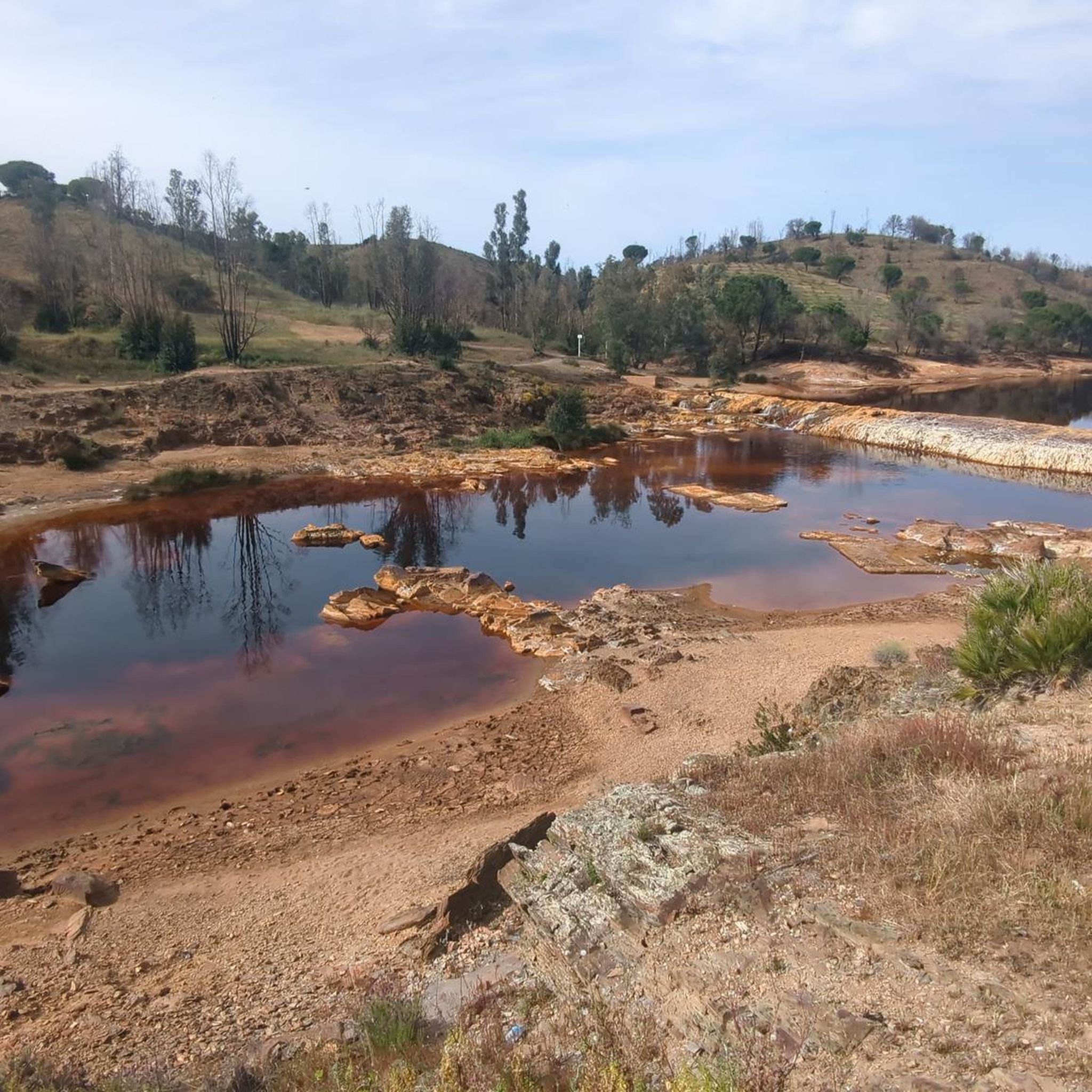
Obligatory stopping point if you take the road. There are incredible views even of the Rio Tinto mining railway.
0
0

Religious sanctuary of the town of Berrocal. Said congregation was divided into two buildings that represented two sides, the one above and the one below. That is why we still find the Hermitage of the Brotherhood of the Santa Cruz de Abajo and the one above.
1
1

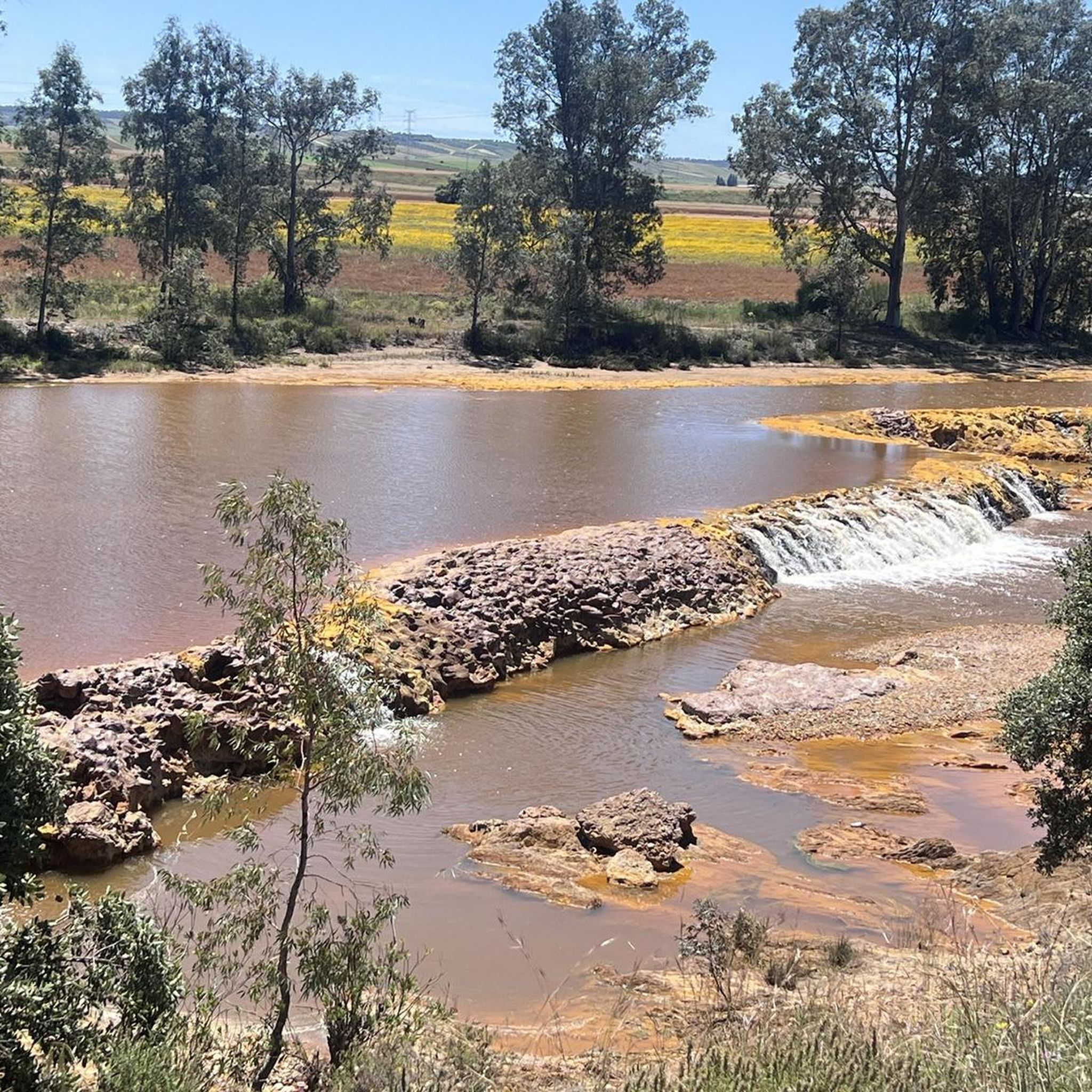
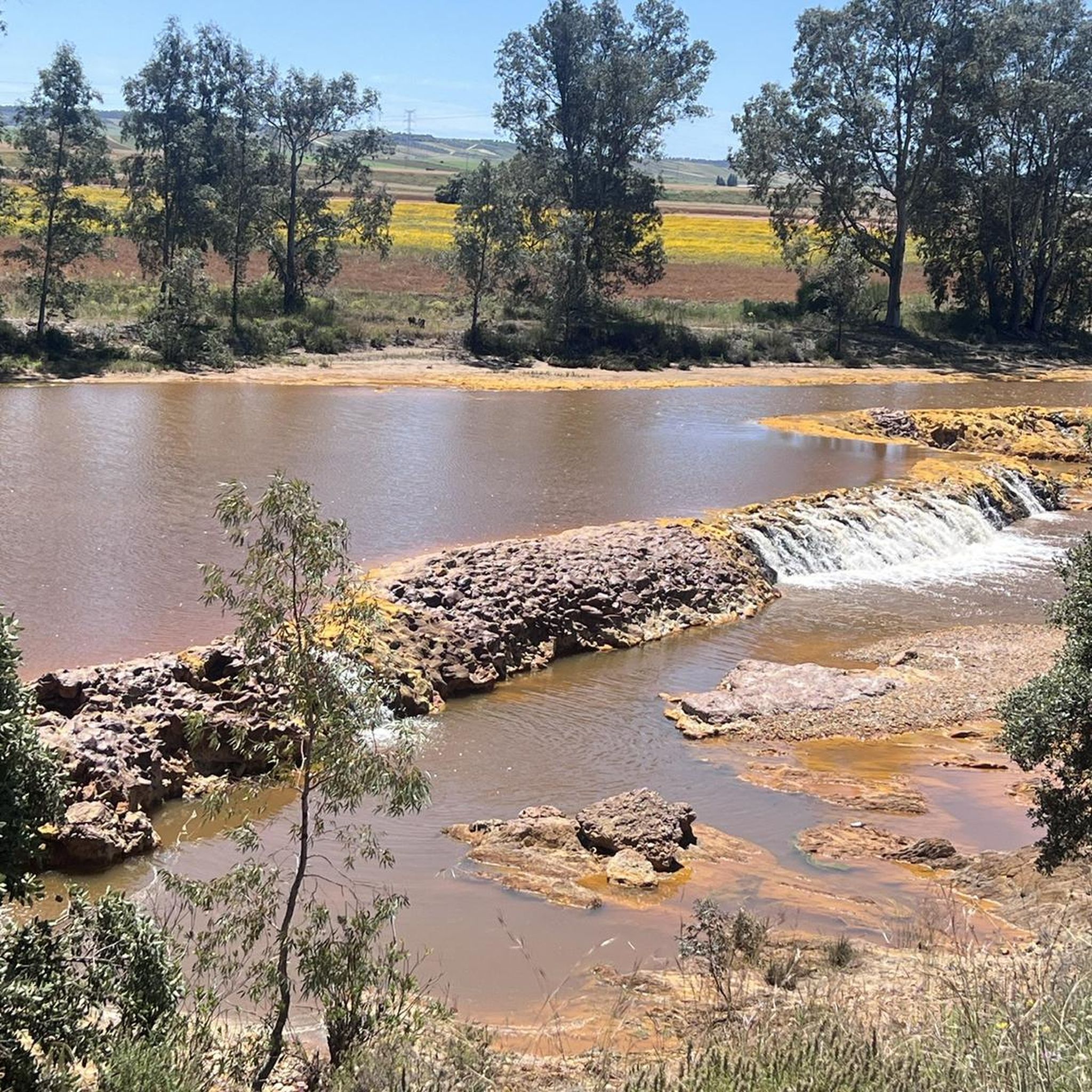
Section of river that is crossed by the road but from where you can see the water passage before entering again towards the mountains near El Madroño.
1
0
Frequently Asked Questions
How many road cycling routes are available around Bollullos Par Del Condado?
There are over 25 road cycling routes around Bollullos Par Del Condado, offering a diverse range of experiences for cyclists of all levels.
Are there road cycling routes suitable for beginners in Bollullos Par Del Condado?
Yes, Bollullos Par Del Condado offers several routes suitable for beginners. You'll find 8 easy routes that provide a gentle introduction to road cycling in the region.
What kind of terrain can I expect on road cycling routes in this region?
The region features a landscape characterized by rolling terrain and agricultural areas. Cyclists can expect a mix of moderate climbs and longer, flatter sections, with some routes offering significant elevation gains, especially near the Río Tinto.
Are there any challenging road cycling routes for experienced riders?
Absolutely. For experienced riders seeking a challenge, there are 8 difficult routes available. One notable option is the La Palma del Condado - Río Tinto Loop, which covers 73.1 km with significant elevation gain.
Can I find circular road cycling routes around Bollullos Par Del Condado?
Yes, many routes in the area are circular, allowing you to start and end in the same location. A popular choice is the La Palma del Condado, Villarrasa, Almonte – circular route, which connects several local towns.
What are some scenic viewpoints or attractions I can see along the routes?
Road cycling routes often pass through charming towns and offer views of the agricultural landscape. You can explore historical sites like Niebla Castle or the Roman Bridge 🌉 Niebla. The La Palma del Condado - Río Tinto Loop offers views of the Río Tinto area.
What do other road cyclists enjoy most about road cycling in Bollullos Par Del Condado?
The area is highly rated by the komoot community, with an average score of 5.0 stars from over 30 reviews. Cyclists often praise the varied terrain, the connections between charming towns, and the well-maintained routes that cater to different ability levels.
Are there any long-distance road cycling routes in the area?
Yes, for those looking for longer rides, routes like the El Madroño – El Berrocal Viewpoint loop from La Palma del Condado stretch for nearly 100 km, offering an extended cycling experience.
Which towns do the road cycling routes typically connect?
Many routes are designed to connect various towns and villages within the region. For example, the Almonte, Niebla and Rociana del Cond route links these three distinct locations, allowing you to experience the local culture and scenery.
What is the typical duration for road cycling routes in Bollullos Par Del Condado?
Route durations vary significantly based on distance and elevation. Shorter, easier routes might take around 2-3 hours, while longer, more challenging ones, such as the El Condado de Huelva Loop (76.4 km), can take over 3 hours to complete.
What is the best time of year for road biking in Bollullos Par Del Condado?
While specific weather data isn't provided, regions in Southern Spain generally offer pleasant cycling conditions during spring (March-May) and autumn (September-November) when temperatures are milder. Summer can be very hot, making early morning or late afternoon rides preferable.
Most popular routes around Bollullos Par Del Condado
Most popular attractions around Bollullos Par Del Condado

Get inspired with the komoot mobile app


Explore more
Browse the best Road cycling routes in other regions.
