The 12 Most Amazing Peaks around Borau
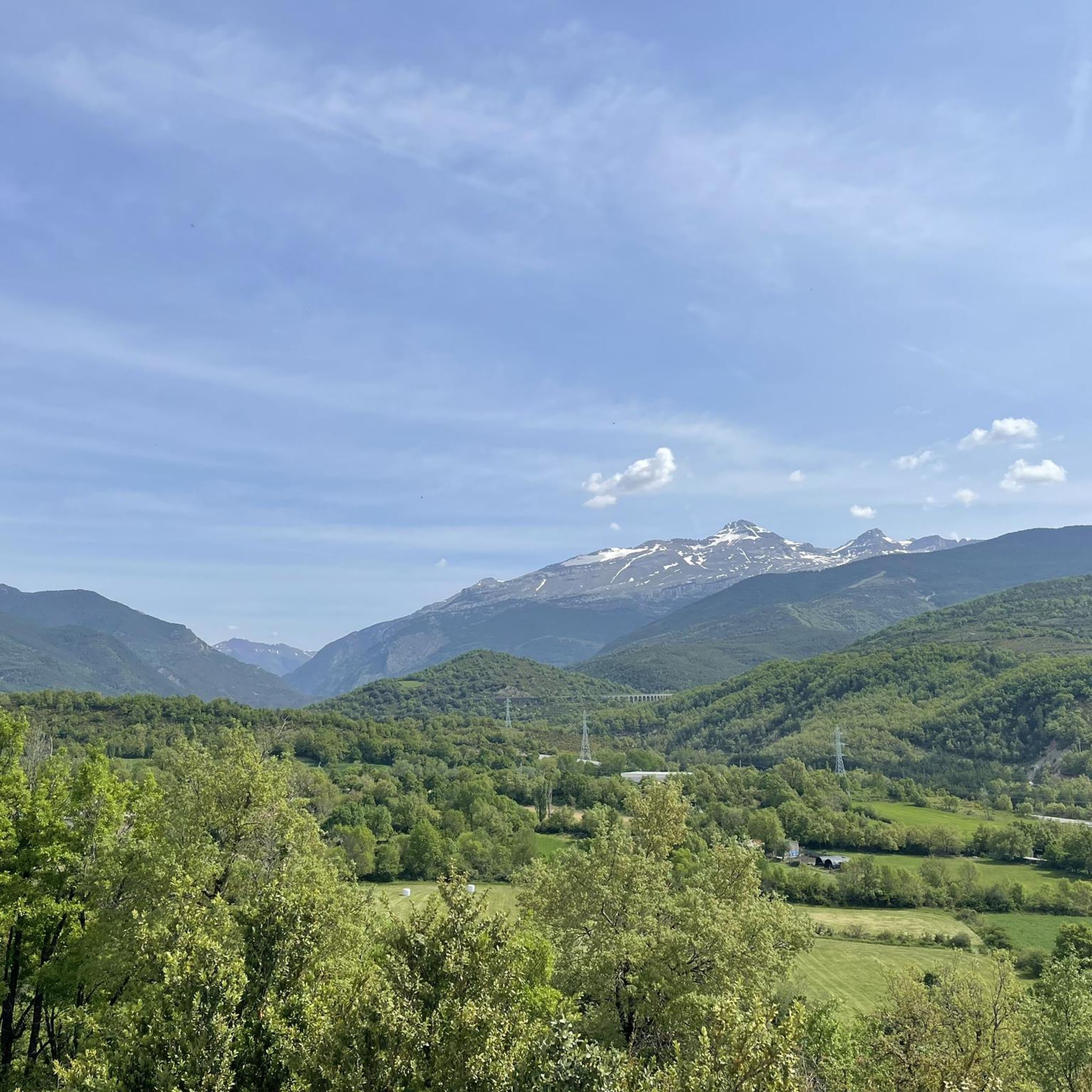
Best mountain peaks around Borau are found in this municipality, nestled in the Spanish Pyrenees within the province of Huesca. The region offers access to a mountainous landscape, forming part of the Natural Park of the Western Valleys. Borau's terrain presents several notable peaks for visitors seeking natural beauty and outdoor activities. The area provides diverse ecosystems, from pine forests to alpine pastures and rocky areas.
Best mountain peaks around Borau
- The most popular mountain peaks is Views of Anayet…
Last updated: May 17, 2026
Pic des Moines
Highlight • Summit
This summit offers a breathtaking view of …
Translated by Google •
Tip by

Pico Anayet
Highlight • Summit
Translated by Google •
Tip by

Sign up now to discover places like this
Get recommendations on the best single tracks, peaks, & plenty of other exciting outdoor places.
Sign up for free
Views of Anayet and its mountain lakes
Highlight • Viewpoint
Translated by Google •
Tip by

GR-11.1 Trail
Highlight • Trail
Translated by Google •
Tip by
Iguácel Hermitage
Highlight • Religious Site
Translated by Google •
Tip by
Sign up for free to discover even more peaks around Borau.
Sign up for free
Already have an account?
Start today with a free account
Your next adventure awaits.
Login or Signup

Tips from the Community

A magical place for the locals, a fountain with always fresh water.
0
0

The village of Canfranc is a street with houses on either side, there is no room for much else, the mountain slopes grow from the banks of the Aragón River and do not stop until they exceed two thousand metres in altitude, the valley is a perfect mountain architecture. In the square there is a bar and there is the church of the Assumption, from the 12th century, rustic and rural, a traditional landmark of asylum and protection for the pilgrims from Santiago de Compostela who passed through the Somport pass on their way to Jaca. In another building there is the mountain hostel and little else, there are several tourist accommodations but Canfranc is still a quiet mountain village, isolated from the bustle generated by the alpine ski resorts in the upper part of the valley, it is stuck in time. A good place to start the track is the church square, you have to cross the French road that goes up towards Canfranc-Estación and look for the GR-11.1 post at the beginning of the path of the Gabardito sheepfold. The path is fabulous, it doesn't seem like there could be a path with a pleasant layout in a forest wall of inhospitable and inaccessible appearance. The path climbs between walls of moss-covered stones and mountain huts along the Arones ravine, crosses the stream by a dam regulating the stream and marks several switchbacks on the slope of boxwood and fir trees until the Villanúa track. At the crossroads there are signs for the local trails and the GR-11.1 towards Gabardito and Lizara. The route in winter is ideal for walking on snowshoes.
0
0

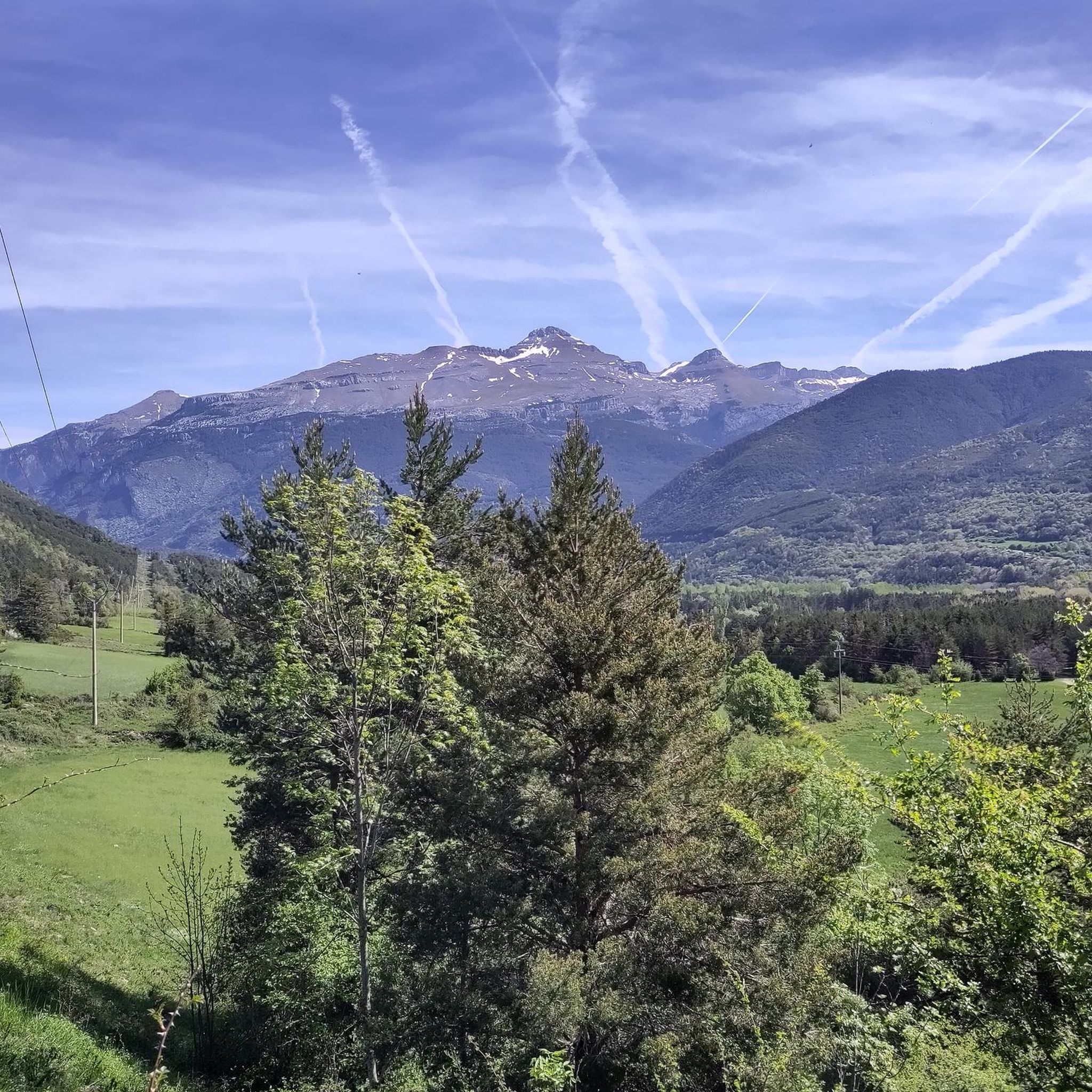
Emblematic peak of Canfranc, common at the start of the ski touring season, and recommended family outing to Ibón de Escalar in summer. It is a short, easy and beautiful ascent to Ibón de Escalar, and with a final climb to the peak only for mountaineers.
1
0

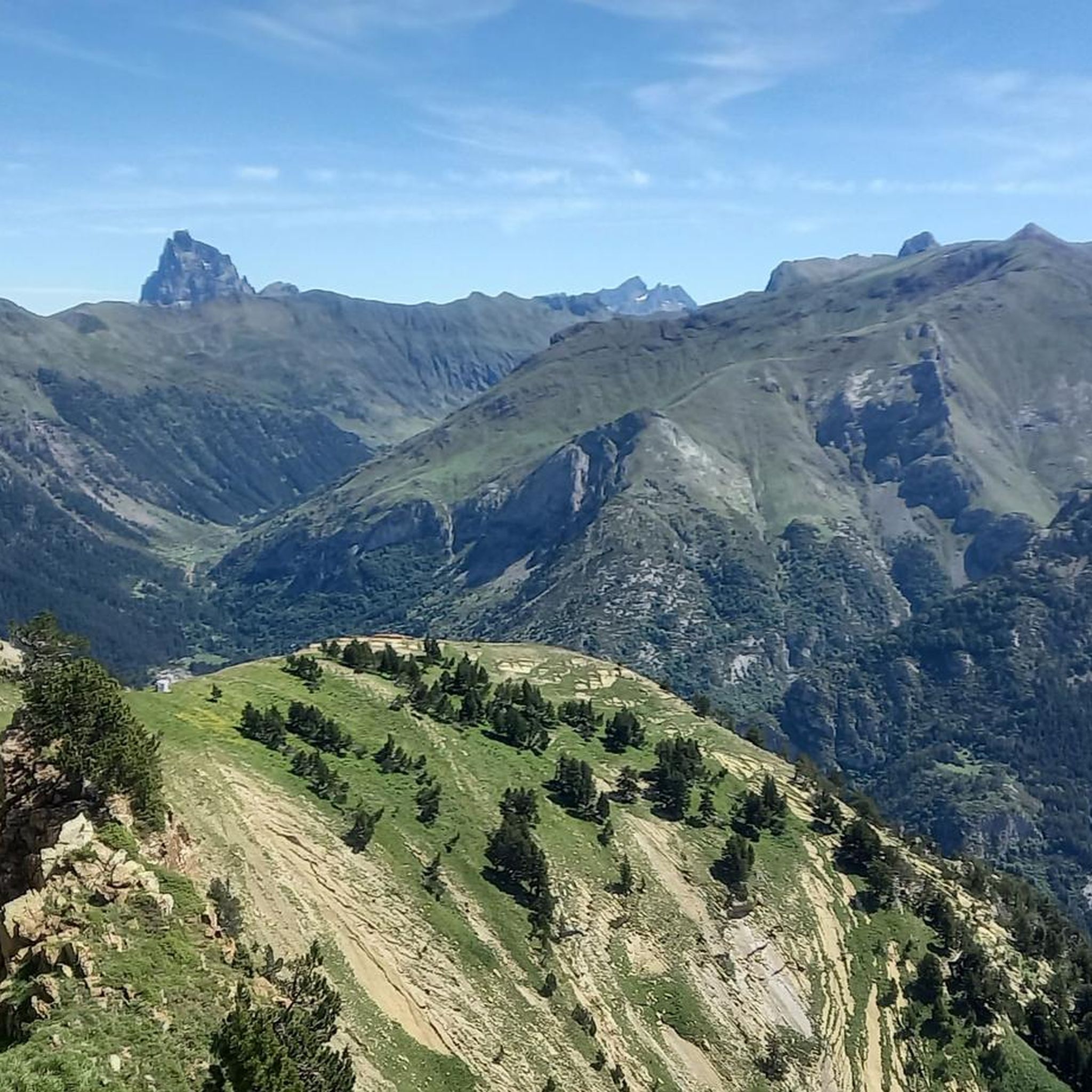
Culminating at 2,349 meters above sea level, the Pic des Moines is located a few meters from the border between France and Spain. This summit offers a breathtaking view of the Pic du Midi d'Ossau, its valley and the Spanish side.
0
0

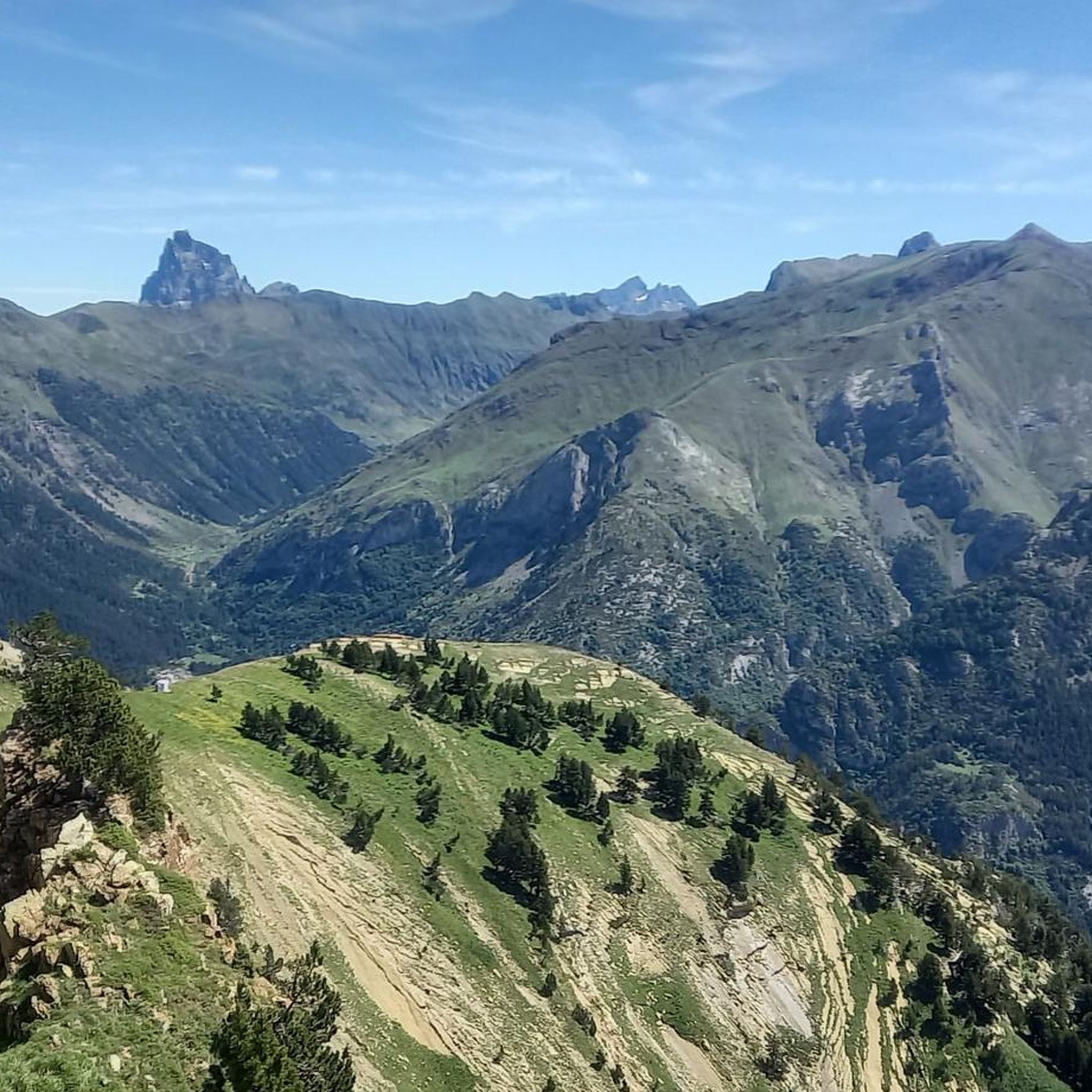
From this point of the GR11 you can enjoy idyllic views of the high mountains. On one side, the peaks of Anayet, vertex (2,540) and peak (2,574 meters) and on the other, the Anayet lakes. In addition, in the background, to the north, the silhouette of the summit of the Midi d'Ossau also rises, so unmistakable. It is a spectacular place to stop to rest but, beware, it is better not to swim. On the one hand because there may be leeches and, on the other, because the Aragonese lakes are protected and our sun creams and deodorants can damage the water and its ecosystems.
0
0

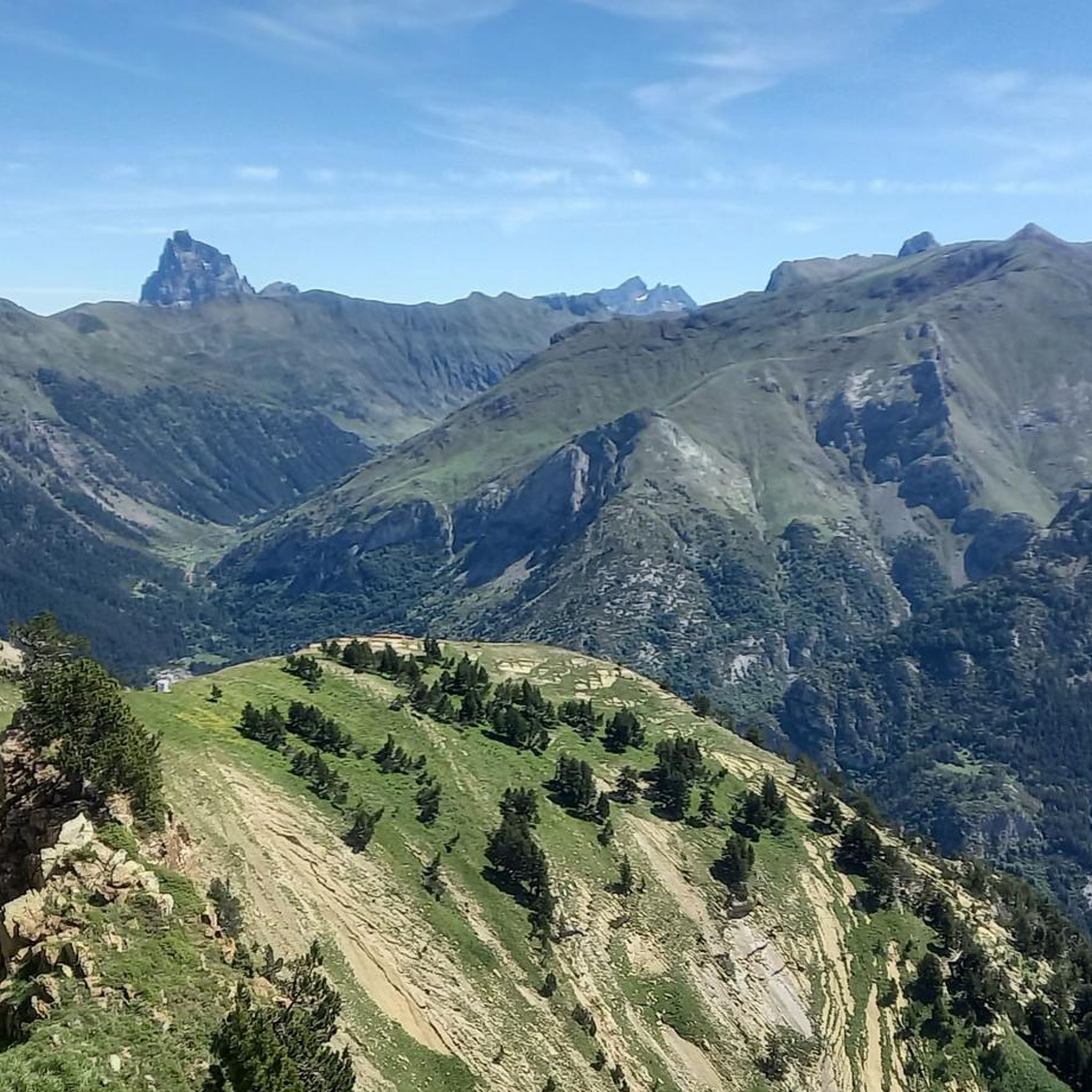
This 2,545m high peak is actually a volcano with only the chimney remaining, like its famous neighbor the Midi d'Ossau. This whole area is the remains of a large and old volcanic caldera.
0
0
The Anayet peak is the remains of a primitive volcanic python created during the Hercynian orogeny, when successive magma explosions and eruptive convulsions originating in the interior of the earth created the unique colored reliefs that form the Anayet cirque, a large depression created by glacial modeling between two large Pyrenean basins. The northern ibón of Anayet pours the water towards Canal Roya and reaches the Aragón River, in the Canfranc Valley. And the water from the southern ibón is a tributary of the Gállego River, in the neighboring Tena Valley.
3
0

Pretty building. Perfect for a sandwich break
0
0
Frequently Asked Questions
What are some notable mountain peaks in the Borau region?
Beyond the well-known summits, the Borau region offers access to several significant peaks. Within Borau's municipal boundaries, you can find Las Blancas (2131 m) and Pico de Enmedio (1827 m). In the broader vicinity, Pico Lecherín (2567 m), also known as Pico de la Garganta de Borau, presents a more challenging alpine experience.
What unique natural features can I expect to see around Borau's peaks?
The mountains around Borau are rich in diverse natural features. You'll find extensive pine forests at lower altitudes, transitioning to alpine pastures and rocky areas higher up. The region is part of the Natural Park of the Western Valleys, known for its well-preserved landscapes and biodiversity. For instance, Las Blancas offers excellent birdwatching opportunities, with species ranging from jays in the forests to bearded vultures and real eagles at higher elevations. The area around Anayet Peak is notable for being the remains of a large volcanic caldera, where you can clearly see the volcanic chimney.
Are there challenging mountain routes for experienced hikers near Borau?
Yes, for experienced hikers and mountaineers, the Borau region offers demanding routes. Pico Lecherín (2567 m) provides a significant alpine climbing experience, especially with snow, and includes scrambling sections. The ascent to Anayet Peak is also categorized as challenging, offering a rewarding physical test. Additionally, sections of the GR-11.1 Trail can be quite strenuous, particularly in winter when snowshoes might be needed.
What are the best viewpoints in the Borau mountains?
The Borau mountains are dotted with spectacular viewpoints. From Las Blancas, you can enjoy breathtaking panoramic views of the Aragón and Aísa-Borau valleys, with glimpses of higher peaks like Collarada and Aspe. The Views of Anayet and its mountain lakes highlight offers idyllic vistas of the Anayet peaks, its lakes, and the distinct silhouette of the Midi d'Ossau. Another excellent spot is Pic des Moines, which provides an incredible panorama over the western Spanish Pyrenees and a spectacular view of the Pic du Midi d'Ossau.
Are there any historical or cultural sites near the mountain peaks?
Yes, the region combines natural beauty with historical interest. The Iguácel Hermitage is a Romanesque church nestled in an incredible natural environment. It's an idyllic place for a break and offers a glimpse into the region's past. The village of Canfranc, a starting point for parts of the GR-11.1 Trail, also features the 12th-century Church of the Assumption, a traditional landmark for pilgrims.
What outdoor activities can I do in the Borau mountains besides peak bagging?
The Borau mountains offer a wide range of outdoor activities. You can explore numerous hiking trails, from moderate to difficult, as detailed in the Hiking around Borau guide. For cyclists, there are gravel biking routes, including challenging loops like the "Castiello de Jaca Village – Jaca Citadel loop from Borau," which you can find in the Gravel biking around Borau guide. Running enthusiasts will also find suitable terrain, with routes like the "Peña Collarada – View of the Valley loop from Villanúa" available in the Running Trails around Borau guide.
What is the best time to hike the mountains near Borau?
The best time to hike the mountains near Borau largely depends on your desired experience. Spring and autumn offer pleasant temperatures and vibrant scenery, with fewer crowds. Summer is ideal for accessing higher altitudes, though it can be warmer. For those seeking a unique challenge, winter hiking is possible, especially on routes like the GR-11.1 Trail, where snowshoes are recommended for navigating snowy conditions.
Are there family-friendly mountain hikes around Borau?
While many peaks offer challenging ascents, some areas around Borau can be enjoyed by families. The lower sections of trails leading to peaks like Las Blancas, which feature pine forests and alpine pastures, can be suitable for shorter, less strenuous walks. When planning, look for routes that focus on scenic walks rather than summit pushes, or consider visiting sites like the Iguácel Hermitage, which offers an idyllic setting for a break.
What kind of wildlife can I observe in the Borau mountains?
The Borau mountains, particularly within the Natural Park of the Western Valleys, are home to diverse wildlife. Birdwatching is a popular activity, with species like jays, common crossbills, and great spotted woodpeckers in the forests. At higher elevations, you might spot alpine accentors, rock thrushes, and impressive raptors such as real eagles, bearded vultures, and griffon vultures. The park is also known for its significant biodiversity, including larger mammals, though sightings are less common.
Can I access the mountain trails by car, and are there any restrictions?
Access to some mountain areas may involve vehicle passage on tracks, but restrictions apply. For example, a mixed route allows vehicle access up to a certain point for Las Blancas (kilometer 9), but a permit from the Borau Town Hall is required for vehicle passage on the track. Access can also be restricted seasonally. It's always advisable to check local regulations and permit requirements before planning your trip.
What do visitors enjoy the most about the mountain peaks around Borau?
Visitors consistently praise the breathtaking panoramic views offered by the peaks, such as those from Las Blancas and Pic des Moines. The unique geological formations, like the volcanic chimney of Anayet Peak, are also a major draw. Many appreciate the sense of accomplishment from challenging ascents and the serene beauty of the Aragonese Pyrenees, especially for photography, including impressive sunsets and night sky views due to low light pollution.
Are there any specific tips for night photography in the Borau mountains?
Yes, the Borau mountains offer excellent conditions for night photography. Due to low light pollution, areas like Las Blancas are ideal for capturing the Milky Way. When planning, consider the moon phase for optimal visibility of stars, and ensure you have appropriate gear for cold temperatures and navigation in the dark. Always prioritize safety and inform someone of your plans when venturing out at night.
Most popular routes around Borau
Most popular attractions around Borau

Get inspired with the komoot mobile app


Explore more
See even more amazing summits around Borau with these guides:
