The best road cycling routes around Fuentespreadas
3.0
(1)
27
riders
5
rides
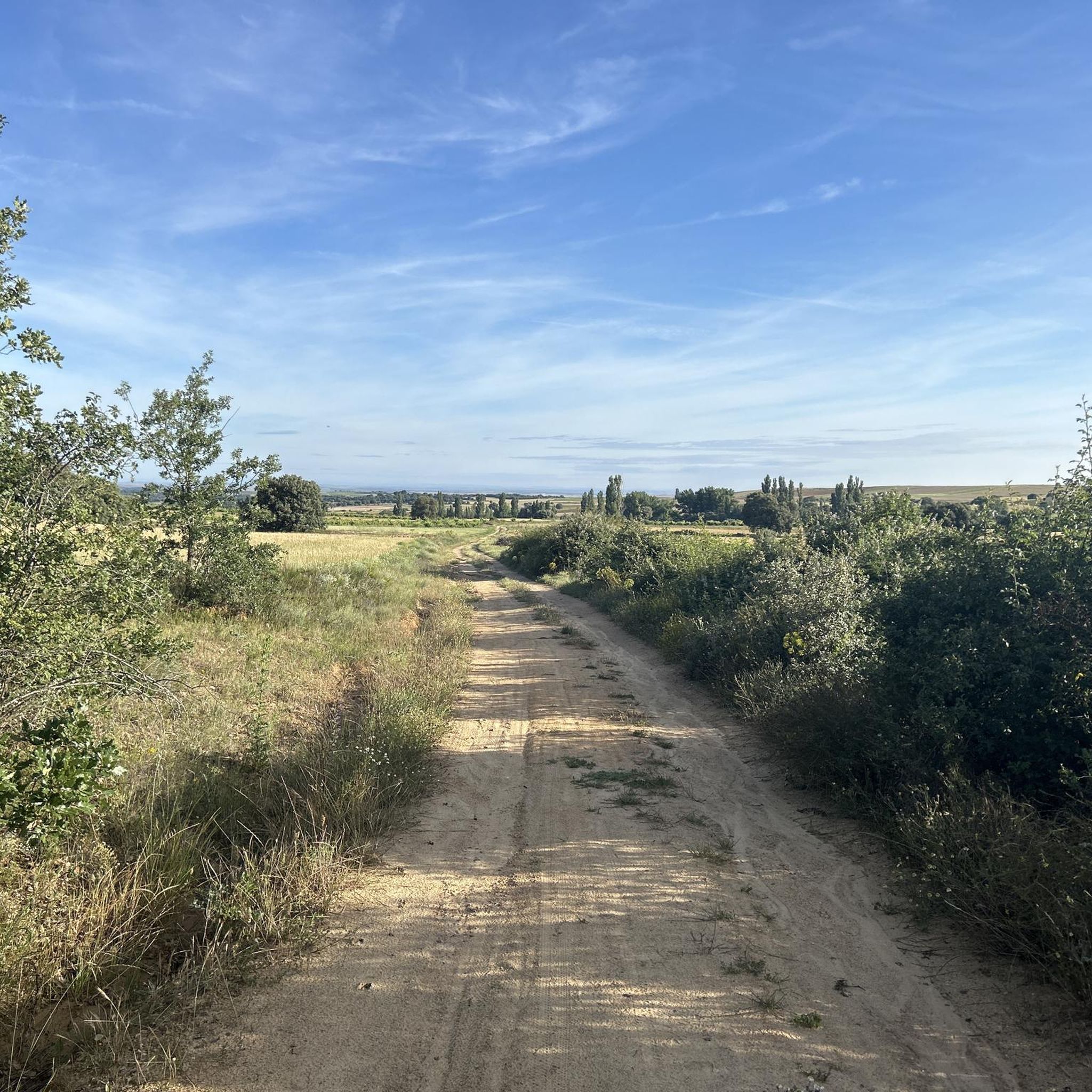
Road cycling around Fuentespreadas offers routes through a tranquil rural environment characterized by gentle, rolling hills and extensive cultivated fields. The terrain features both irrigated lands and vast dryland areas dedicated to cereals, legumes, and sunflowers, alongside scattered vineyards. With an average altitude of 812 meters above sea level, the area provides varied gradients suitable for a range of cycling abilities. Tree cover is sparse, consisting mainly of stone and maritime pines, with occasional groves of poplars and alamos.
Best…
Last updated: October 28, 2026
2
riders
30.8km
01:20
280m
280m
Easy road ride. Mostly well-paved surfaces and easy to ride.
10
riders
74.4km
03:13
610m
610m
Moderate road ride. Good fitness required. Mostly well-paved surfaces and easy to ride.

3.0
(1)
6
riders
30.5km
01:17
230m
230m
Easy road ride. Mostly well-paved surfaces and easy to ride.
5
riders
45.8km
01:59
370m
370m
Moderate road ride. Good fitness required. Mostly well-paved surfaces and easy to ride.
2
riders
38.6km
01:44
430m
430m
Moderate road ride. Good fitness required. Mostly well-paved surfaces and easy to ride.
Our route recommendations are based on thousands of hikes, rides, and runs completed by other people on komoot.
Start today with a free account
Your next adventure awaits.
Popular around Fuentespreadas

Tips from the Community

The Alcázar of Toro is a historic fortification located in the town of Toro (Zamora, Castile and León), with great heritage and scenic value. It was built in the 10th century during the Christian repopulation, as part of the defensive system against Muslim incursions. It was reinforced in subsequent centuries, especially in the Middle Ages, when Toro acquired strategic importance in the Kingdom of León and later in Castile. It played a prominent role in the War of the Castilian Succession (1475), in the famous Battle of Toro between supporters of Isabella I of Castile and Joanna la Beltraneja.
2
0

You can cross over the dam without any danger, it is a road with little traffic...
0
1
The San José Reservoir and Dam, also known as the Castronuño Dam, is a hydroelectric engineering project located in the middle course of the Duero River, about 2 km from the town of Castronuño. Built between 1941 and 1945, the dam is a gravity type and has a height of 14.05 metres.
6
0
The San José Reservoir and Dam, also known as the Castronuño Dam, is a hydroelectric engineering project located in the middle course of the Duero River, about 2 km from the town of Castronuño. Built between 1941 and 1945, the dam is a gravity type and has a height of 14.05 metres.
7
0
The inspiration for the Collegiate Church came from the Cathedral of Zamora, and its design also influenced other buildings, such as the Old Cathedral of Salamanca. Construction began in the 12th century under the auspices of the kings of León. It is one of the most characteristic examples of Romanesque in its transitional phase. The works extended over an unusually long period, from the last third of the 12th century to the middle of the 13th. The collegiate church was built in two stages: the first included the side portals, walls and layouts, while the second focused on the roof and a dome with attached towers. If you ever have the opportunity to visit Toro, don't miss the opportunity to explore this wonderful collegiate church. It is a true historical treasure! 🌟
3
1
The Clock Tower, also known as the Clock Arch, is located in the walled area of Toro, in the province of Zamora, Spain. Its construction began in 1719 during the reign of Philip V and was completed nineteen years later. The design is attributed to architect Joaquín Churriguera. The tower is located above the old Market Gate, which dates back to the 15th century and surrounded the first walled area of the city. Its height allows it to be seen from any point in Toro. If you ever visit Toro, don't miss the opportunity to admire this historic tower and its clock. It is a true symbol of the city! 🕰️🌟
2
0
The Plaza Mayor de Toro is located halfway between the Collegiate Church and the Clock Tower. It is a typical Castilian square, surrounded by three-story houses with arcades and balconies with wrought iron bars. The ground floor of these houses are usually occupied by bars and restaurants. If you ever have the opportunity to visit Toro, be sure to stop by the Plaza Mayor and enjoy its lively and welcoming atmosphere. Have a good trip! 🌟
3
0

The road is lucky enough to cross one of these pilgrimage routes that have been used for years and years to unite towns. At this point a small monument commemorating the space appears.
0
0
Frequently Asked Questions
How many road cycling routes are there in Fuentespreadas?
There are 5 road cycling routes around Fuentespreadas, offering a mix of easy and moderate options for exploring the region's landscapes.
What is the cycling terrain like in Fuentespreadas?
The terrain around Fuentespreadas is characterized by gentle, rolling hills and extensive cultivated fields, including irrigated lands, dryland areas with cereals and sunflowers, and scattered vineyards. With an average altitude of 812 meters, routes offer varied gradients suitable for a range of cycling abilities without overly challenging climbs.
What is the difficulty level of road cycling routes in Fuentespreadas?
Road cycling routes in Fuentespreadas are generally easy to moderate. You'll find 2 easy routes, such as the Pueblos de Tierra del Vino — circular desde Corrales del Vino, and 3 moderate routes, like the San José Dam – Clock Tower of Toro loop from Venialbo, providing options for different fitness levels.
Are there any circular road cycling routes available?
Yes, many of the road cycling routes in Fuentespreadas are circular. For example, you can enjoy the easy Pueblos de Tierra del Vino — circular desde Corrales del Vino or the moderate Plaza de Santa Marina – Clock Tower of Toro loop from Venialbo, both designed as loops.
What landmarks or points of interest can I see along road cycling routes in Fuentespreadas?
While cycling, you'll primarily experience the rural landscape of fields and vineyards. For specific points of interest, consider visiting nearby highlights such as the settlement of El Cubo del Vino, or enjoy scenic views like the View of the Salamanca Plains and Views from the Cañada Real de la Plata. You might also pass by religious buildings like the Convent of Nuestra Señora del Soto.
What do other road cyclists enjoy the most about road cycling in Fuentespreadas?
The komoot community rates road cycling in Fuentespreadas with an average score of 3.0 stars. Cyclists often appreciate the tranquil rural environment, the gentle rolling hills, and the extensive cultivated fields that define the region's routes.
What is the best time of year for road cycling in Fuentespreadas?
The region is ideal for cycling during spring and autumn when temperatures are milder. In summer, the fields are vibrant with corn, beetroot, and sunflowers, but it can be quite warm. Winter offers a different, quieter experience, though tree cover is sparse.
Are there family-friendly road cycling options in Fuentespreadas?
Yes, the easy routes with gentle gradients are suitable for families. The Pueblos de Tierra del Vino — circular desde Corrales del Vino, for instance, is an easy 19.2-mile (30.8 km) trail winding through cultivated fields, making it a pleasant option for a family outing.
Is there parking available for cyclists in Fuentespreadas?
Fuentespreadas is a rural area, and while specific designated cycling parking might not be widely advertised, you can typically find parking in the village center or near local amenities. It's advisable to check local regulations upon arrival.
What kind of natural features will I encounter on the road cycling routes?
You'll primarily see extensive cultivated fields, including irrigated lands and vast dryland areas with cereals, legumes, and sunflowers. Scattered vineyards are also common. Tree cover is sparse, mainly consisting of stone and maritime pines, with occasional groves of poplars and alamos, and brambles and brooms lining hedgerows.
Are there options for challenging road cycling routes in Fuentespreadas?
While Fuentespreadas is known for its gentle, rolling hills, routes like the San José Dam – Clock Tower of Toro loop from Venialbo offer a moderate challenge with varied gradients over its 46.3 miles (74.5 km), providing a good workout for those seeking more elevation.
Are there places to eat or drink near the cycling routes?
Fuentespreadas is a small rural village. You'll find local establishments within the village itself. For more options, consider routes that pass through or near larger towns, where cafes and pubs are more readily available.
Can I reach Fuentespreadas by public transport for cycling?
Public transport options to Fuentespreadas are limited due to its rural location. It's generally more convenient to travel by car, especially if you're bringing your own bicycle. Check regional bus schedules for connections from larger nearby cities like Zamora or Salamanca, but direct routes might be infrequent.
Most popular routes around Fuentespreadas
Most popular attractions around Fuentespreadas

Get inspired with the komoot mobile app


Explore more
Browse the best Road cycling routes in other regions.
