The best road cycling routes around Villaverde Del Río
4.6
(6)
863
riders
33
rides
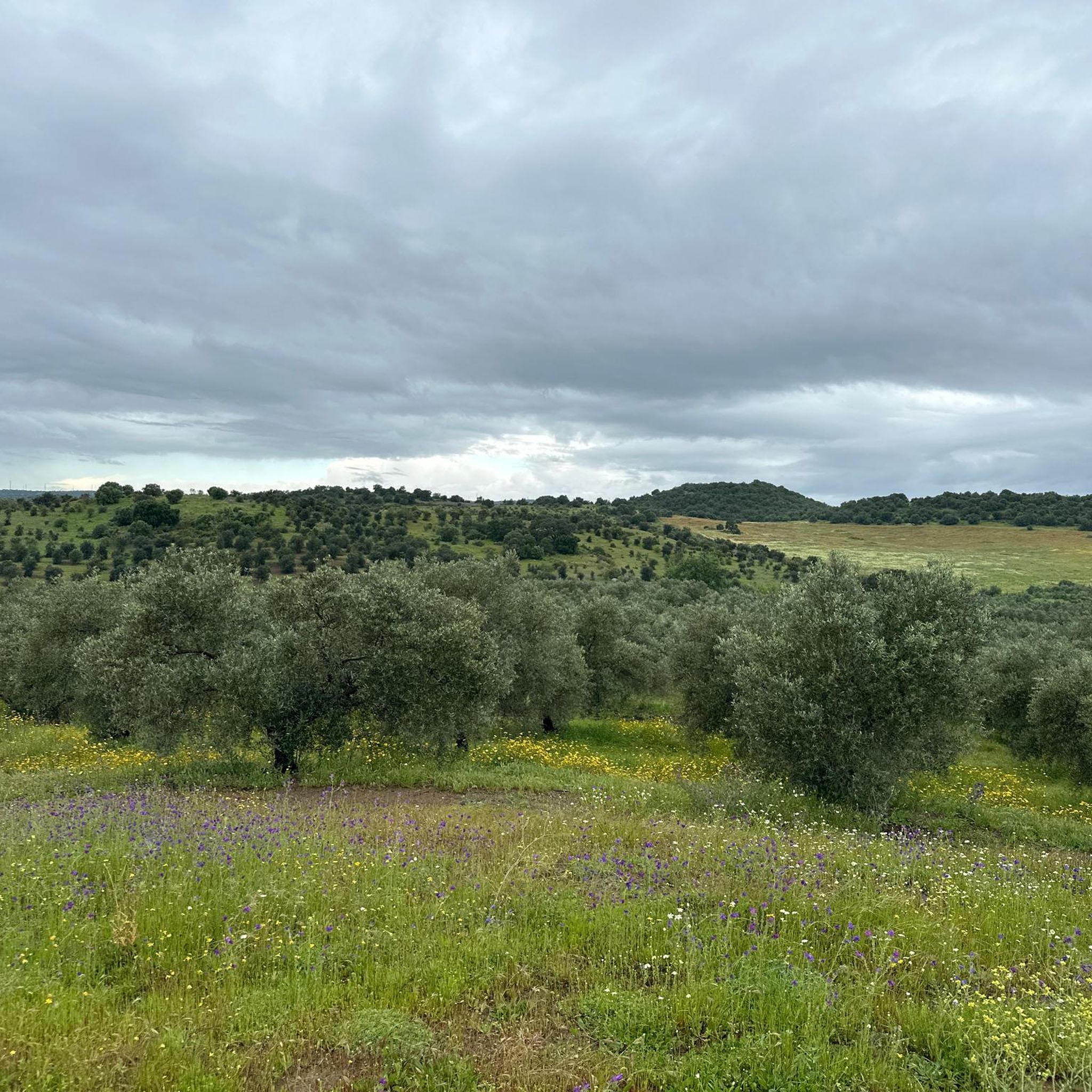
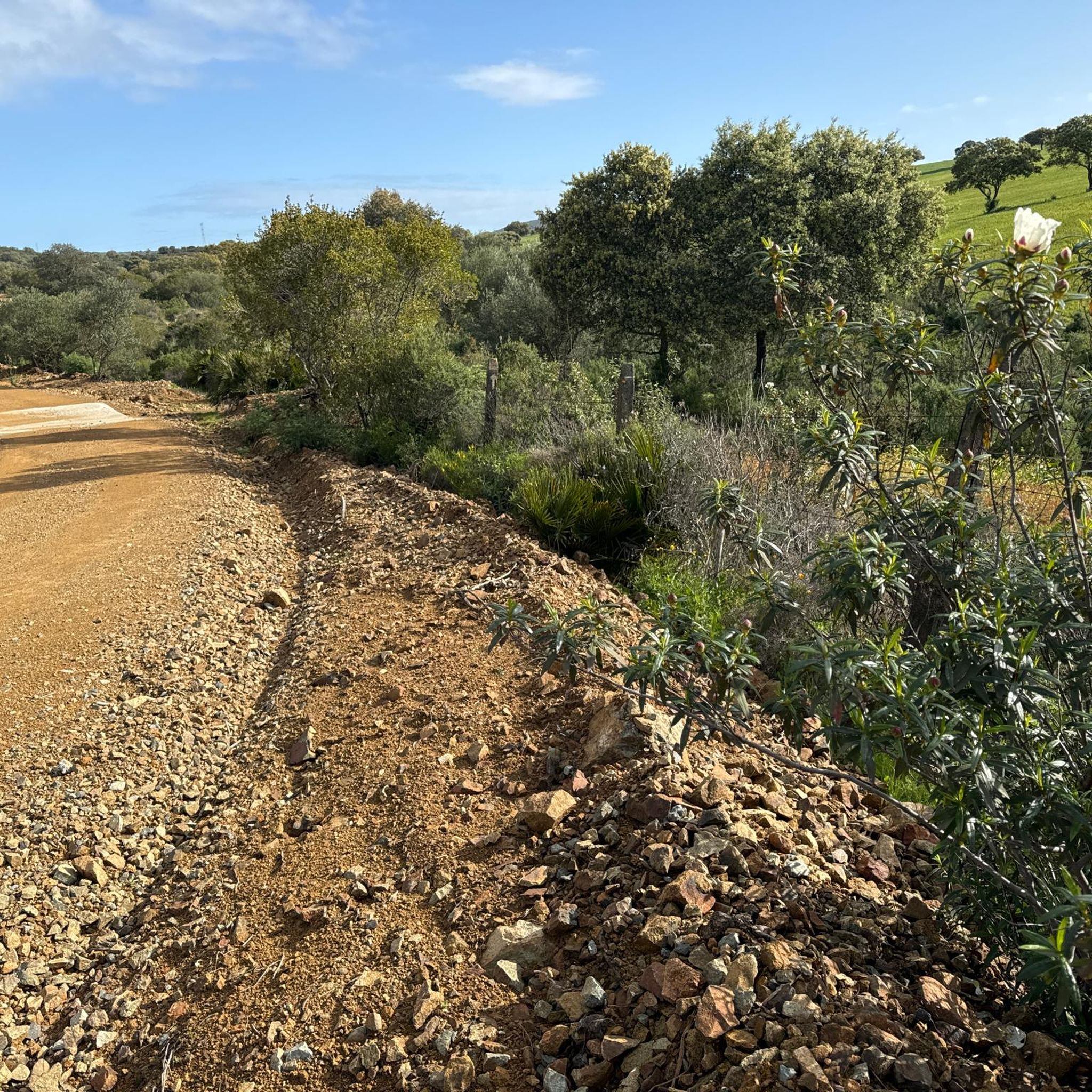
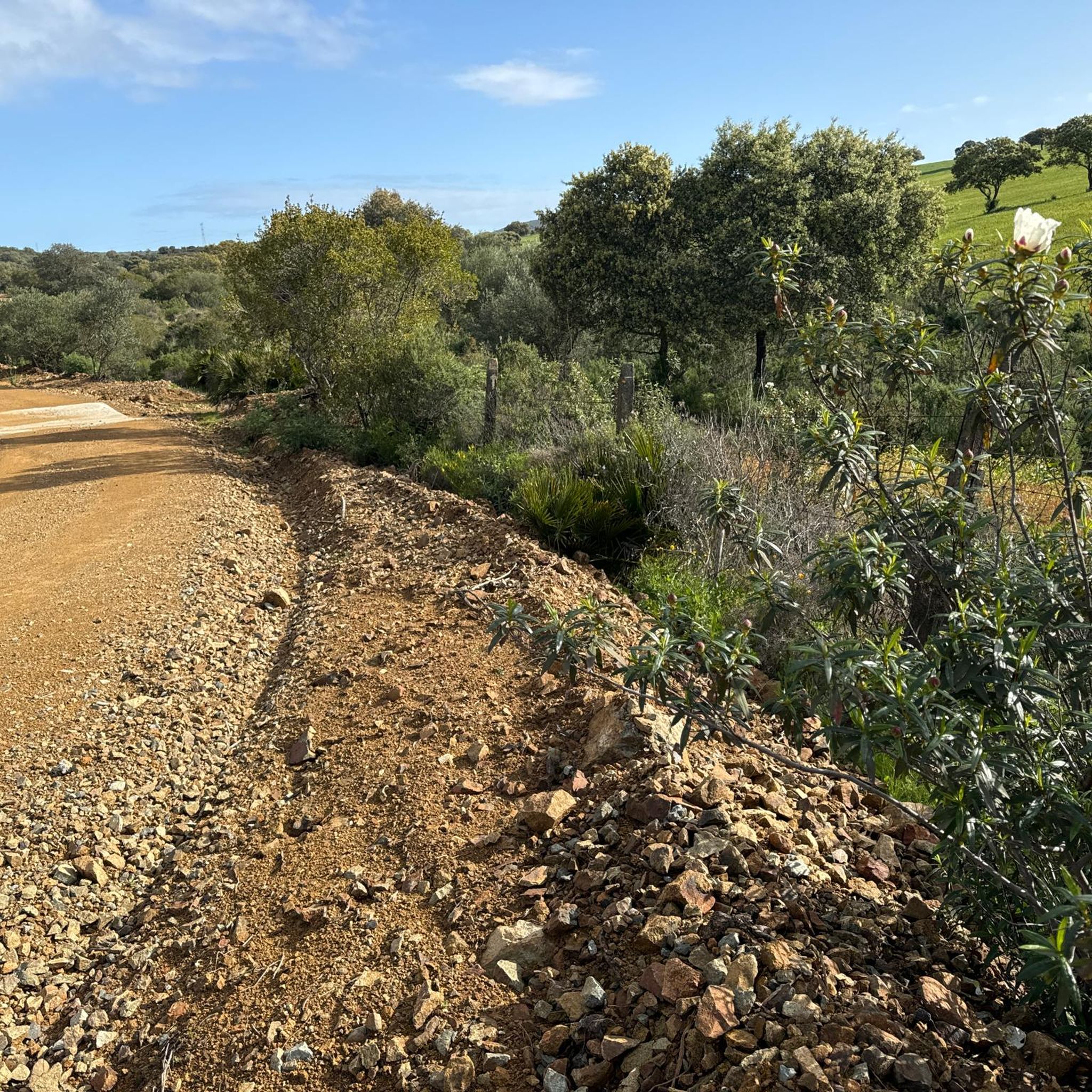
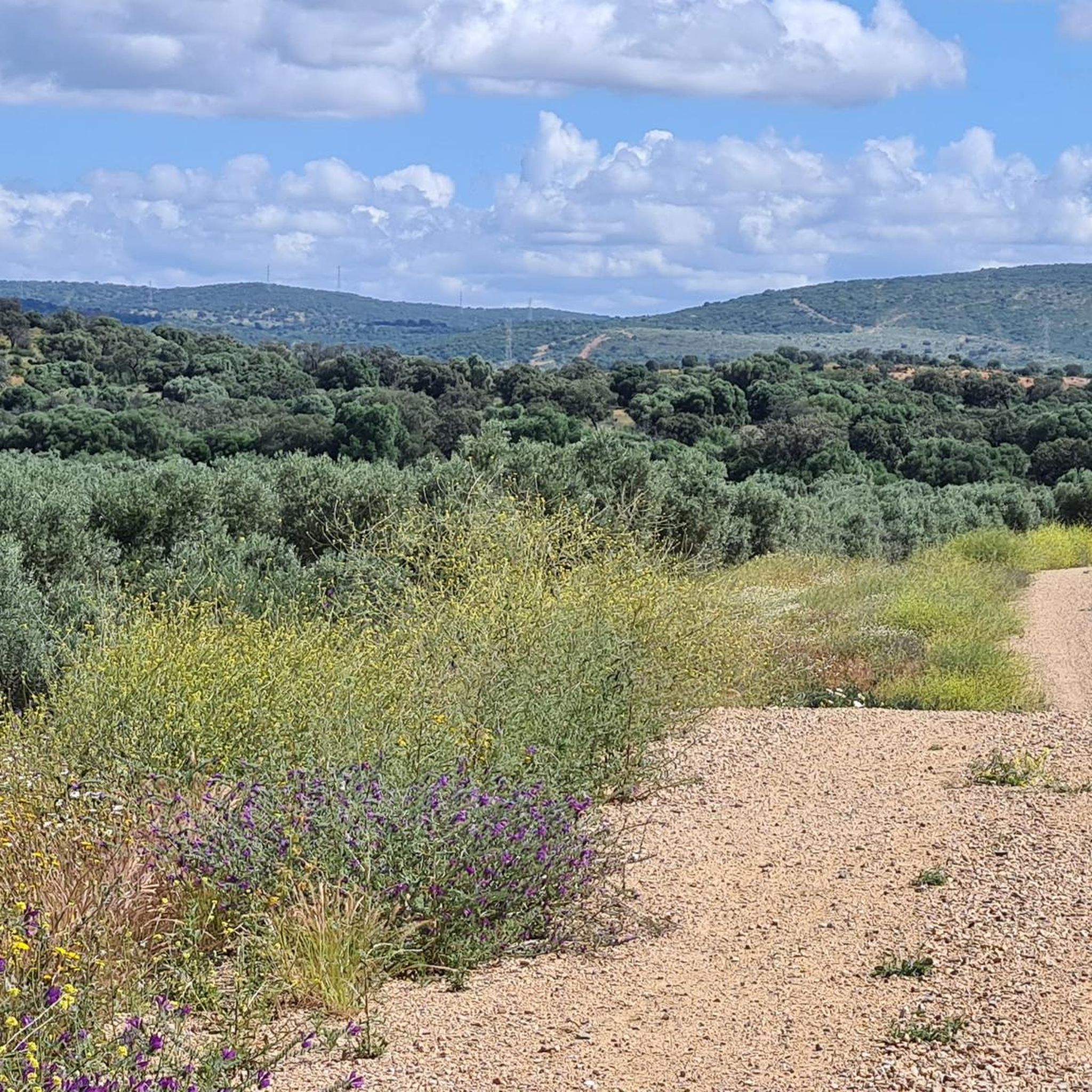
Road cycling routes around Villaverde Del Río traverse a diverse landscape, transitioning from the flat plains of the Vega del Guadalquivir to more hilly and vegetated areas. The region is characterized by the serene Guadalquivir River, Mediterranean landscapes with olive and holm oak trees, and geological formations like the Siete Arroyos stream. Cyclists encounter varied terrain, including gentle uphills, downhills, and sections with red rocks and mountain views, particularly past Cantillana. This blend offers a range of experiences for different fitness levels.
Best road cycling routes around Villaverde Del Río
- The most popular road cycling route is Dam on the Rivera del Huesna – Mulejía Scenic Road loop from Brenes, a 70.0 miles (112.5 km) trail that takes 5 hours 17 minutes to complete. This difficult route offers extensive climbs and varied scenery, including mountain views and red rock formations.
- Another top favourite among local road cyclists is Bar La Farola – Amphitheatre of Italica loop from Brenes, a moderate 44.7 miles (72.0 km) path. This route provides a mix of landscapes and passes by historical sites, offering a scenic and engaging ride.
- Local road cyclists also love the Lora del Río – Alcolea del Río loop from Brenes, a 61.8 miles (99.4 km) trail leading through riverside environments and changing vegetation, often completed in about 4 hours 17 minutes.
- Road cycling around Villaverde Del Río is defined by the tranquil Guadalquivir River, varied hilly and flat terrain, and Mediterranean landscapes with olive and holm oak trees. The network offers options for different ability levels, from moderate rides to more demanding routes.
- The routes in Villaverde Del Río are highly rated by the komoot community with an average score of 4.6 stars from over 6 reviews. More than 800 road cyclists have used komoot to explore Villaverde Del Río's varied terrain.
Last updated: May 14, 2026
37
riders
113km
05:17
1,250m
1,250m
Hard road ride. Very good fitness required. Some segments of this route may be unpaved and difficult to ride.
3.0
(1)
34
riders
72.0km
02:53
220m
220m
Moderate road ride. Good fitness required. Some segments of this route may be unpaved and difficult to ride.

Sign up for free
29
riders
99.4km
04:17
610m
610m
Moderate road ride. Good fitness required. Some segments of this route may be unpaved and difficult to ride.
22
riders
Moderate road ride. Great for any fitness level. Some segments of this route may be unpaved and difficult to ride.
5.0
(1)
21
riders
51.8km
02:07
200m
200m
Moderate road ride. Good fitness required. Some segments of this route may be unpaved and difficult to ride.
Get access to more routes and recommendations from other explorers.
Sign up for free
Already have an account?
Our route recommendations are based on thousands of hikes, rides, and runs completed by other people on komoot.
Start today with a free account
Your next adventure awaits.
Login or Signup

Tips from the Community

L'Alameda de Alfonso XIII and the Fuente de los Leones form a suggestive historical and landscape complex located in the city of Carmona, Andalusia (Seville). Originally designed in the 18th century, they took on their current Andalusian appearance in 1925, in preparation for the Ibero-American Exposition.
1
0

The Church of San Pedro is one of the most emblematic churches in Carmona (Seville), recognizable above all for its tower known as La Giraldilla, due to its resemblance to the Giralda of Seville. Built in the 15th century on the site of the former hermitage of the Virgen de la Antigua, its Baroque tower, called La Giraldilla, was originally designed by Hernán Ruiz the Younger around 1565 and completed in 1784.
14
0
In the heart of the Guadalquivir Valley, at the foot of the Sierra Morena mountains, 57 km from Seville. Its origins are Turdetani and Roman (Axati), followed by the Andalusian period (Al Lawra), and after the conquest, it became a domain of the Order of Malta.
8
0
Declared a Historic-Artistic Monument in 1906, even before the Giralda of Seville. Today it houses the Tourist Information Center and is used for cultural events and guided tours.
8
0
The Alcázar of the Seville Gate is one of Carmona's most iconic monuments and an exceptional example of defensive architecture with over 2,500 years of history. Remains dating back to the 9th century BC have been found, although the current structure began to take shape under the Carthaginians, who built a bastion atop an earlier tower to withstand Roman attacks.
13
0
The Alameda de Alfonso XIII and the Fountain of the Lions are two emblematic spaces in the Carmona suburb, with great historical and cultural value. Fountain of the Lions: It was built in the 16th century after authorization from Joanna I of Castile (Joanna the Mad), who granted funds to build a public fountain and troughs for livestock. Before then, residents drew water from an unsanitary pool in the Roman mine of San Antón. This fountain became the social center of the suburb, known as the Lower Square, in contrast to the Upper Square (present-day Plaza San Fernando) where the nobility resided. Alameda de Alfonso XIII: It originated as a recreational space around the fountain. Its current appearance was consolidated in 1925, influenced by the Sevillian regionalist style prior to the 1929 Ibero-American Exposition. Gardens, benches, ceramics, wrought iron, and tiles were added, following the aesthetic of Aníbal González.
13
0
The Roman Necropolis of Carmona is one of the most important and best-preserved funerary complexes on the Iberian Peninsula. It is located in the western part of the city, next to the amphitheater, and covers approximately 8 hectares.
14
0
The old town of Carmona is one of the most monumental and historically rich in Andalusia. Situated on a hill, it preserves a medieval layout with narrow streets, whitewashed facades, and numerous Baroque palaces and churches.
12
0
Frequently Asked Questions
How many road cycling routes are available around Villaverde Del Río?
There are over 30 road cycling routes around Villaverde Del Río, offering a diverse range of experiences. These include routes suitable for various fitness levels, from moderate rides to more demanding challenges.
What kind of terrain can I expect on road cycling routes in Villaverde Del Río?
The terrain around Villaverde Del Río is quite varied. You'll find a transition from the flat plains of the Vega del Guadalquivir to more hilly and vegetated areas, especially past Cantillana. Expect gentle uphills and downhills, sections with red rock formations, and mountain views. The routes also feature Mediterranean landscapes with olive and holm oak trees, as well as serene riverside environments along the Guadalquivir River.
Are there routes suitable for beginners or less experienced road cyclists?
Yes, while many routes require good fitness, there are options suitable for less experienced riders. The region offers 20 moderate routes, which provide a good balance of challenge and accessibility. For example, the Bar La Farola – Amphitheatre of Italica loop from Brenes is a moderate 44.7-mile path that offers a scenic and engaging ride without extreme difficulty.
What are some challenging road cycling routes for experienced riders?
For experienced riders seeking a challenge, Villaverde Del Río offers 11 difficult routes. A notable option is the Dam on the Rivera del Huesna – Mulejía Scenic Road loop from Brenes. This 70.0-mile route features extensive climbs and varied scenery, including mountain views and red rock formations, making it an excellent training ground.
Are there any circular road cycling routes in the area?
Yes, many of the road cycling routes around Villaverde Del Río are designed as loops, allowing you to start and finish at the same point. Examples include the Lora del Río – Alcolea del Río loop from Brenes, which takes you through riverside environments, and the Historic Center of Carmona – Church of San Pedro, Carmona loop from Brenes, offering cultural sights.
What do other road cyclists say about the routes in Villaverde Del Río?
The road cycling routes in Villaverde Del Río are highly rated by the komoot community, with an average score of 4.6 stars from over 6 reviews. Cyclists often praise the gorgeous, changing scenery, the varied terrain that includes both flat and hilly sections, and the opportunities for challenging uphills, especially after Cantillana.
Can I find places to stop for coffee or refreshments along the routes?
Yes, the area is known for its charming coffee stops. For instance, "El Cafetal del Xino" in Villaverde del Río is a popular spot for cyclists to take a welcome break and refuel during their rides. Many routes pass through towns and villages where you can find cafes and other refreshment options.
What natural features or landmarks can I see while cycling around Villaverde Del Río?
The region boasts several natural and historical points of interest. You can encounter the serene Guadalquivir River, the unique geological formations of the Siete Arroyos stream with its waterfalls and pools, and the ancient Mesa Redonda mountain. Some routes also pass by significant religious buildings like the Church of the Immaculate Conception or the Ermita de San Bartolomé.
Are there any historical sites accessible by road bike?
Yes, the region offers historical intrigue. The Mesa Redonda mountain, for example, holds an archaeological site with Iberian and Roman origins. Additionally, routes like the Bar La Farola – Amphitheatre of Italica loop from Brenes pass by historical sites such as the Amphitheatre of Italica, offering a blend of cycling and cultural exploration.
What is the best time of year for road cycling in Villaverde Del Río?
The mild climate of Andalusia generally makes road cycling enjoyable for much of the year. Spring and autumn are particularly pleasant, offering comfortable temperatures and vibrant landscapes. Summers can be very hot, so early morning or late afternoon rides are advisable during those months.
What are the typical lengths of road cycling routes in Villaverde Del Río?
Route lengths vary significantly to accommodate different preferences and fitness levels. You can find shorter routes, such as the Historic Center of Carmona – Church of San Pedro, Carmona loop from Brenes at around 30 miles (48 km), to much longer and more challenging rides like the Dam on the Rivera del Huesna – Mulejía Scenic Road loop from Brenes, which spans 70 miles (112.5 km).
Most popular routes around Villaverde Del Río
Most popular attractions around Villaverde Del Río

Get inspired with the komoot mobile app


Explore more
Browse the best Road cycling routes in other regions.
