Attractions and Places To See around Trazo - Top 20
Attractions and places to see around Trazo include a variety of historical landmarks, natural features, and cultural sites within the municipality of Trazo, located in the province of A Coruña, Galicia, Spain. The area is characterized by agricultural landscapes, forests, and rolling hills, with the Tambre River forming a natural boundary. Visitors can explore historic churches, manor houses, and recreational areas by the river.
Best attractions and places to see around Trazo
- The most popular attractions is Santiago de Compostela…
Last updated: August 16, 2026
Santiago de Compostela Cathedral
Highlight • Religious Site
Translated by Google •
Tip by

Historic Centre of Santiago de Compostela
Highlight • Historical Site
Declared a World Heritage Site by UNESCO on December 4, 1985.
Translated by Google •
Tip by

Sign up now to discover places like this
Get recommendations on the best single tracks, peaks, & plenty of other exciting outdoor places.
Sign up for free
Fountain of the Horses (Fonte dos Cabalos), Plaza de Platerías
Highlight • Monument
Translated by Google •
Tip by
Raxoi Palace
Highlight • Monument
Translated by Google •
Tip by
Santiago de Compostela Welcome Sign
Highlight • Monument
Translated by Google •
Tip by

Sign up for free to discover even more attractions around Trazo.
Sign up for free
Already have an account?
Start today with a free account
Your next adventure awaits.
Login or Signup
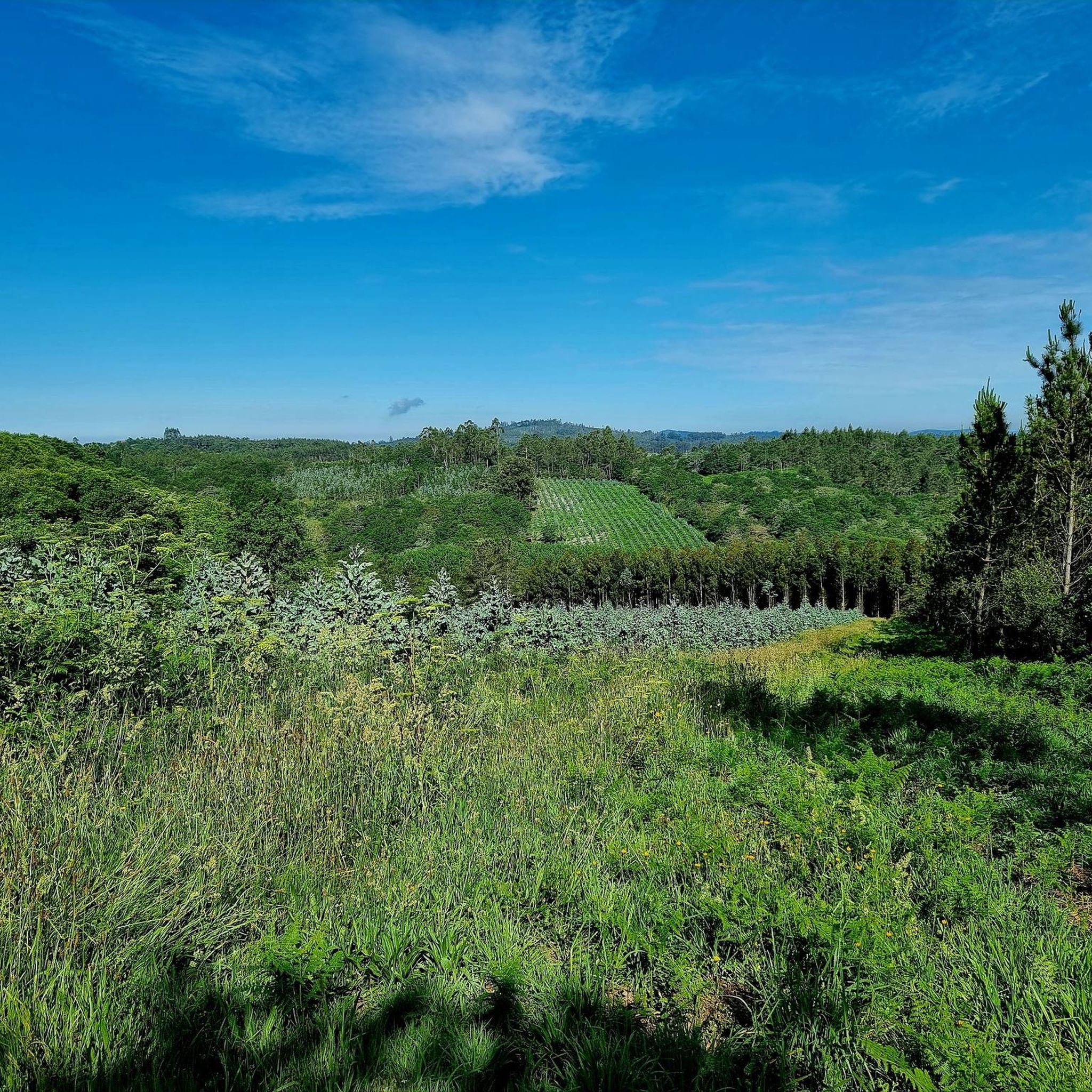
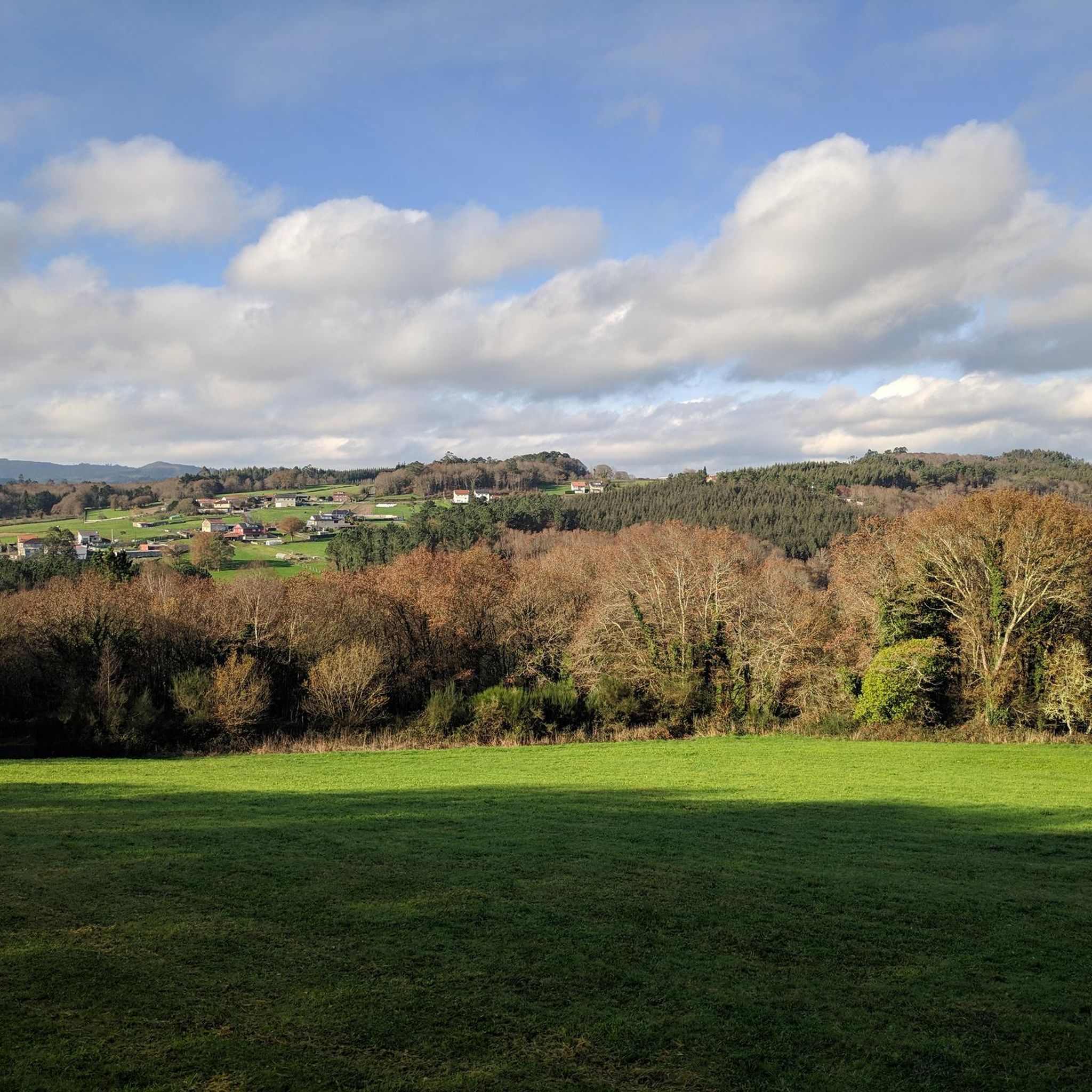
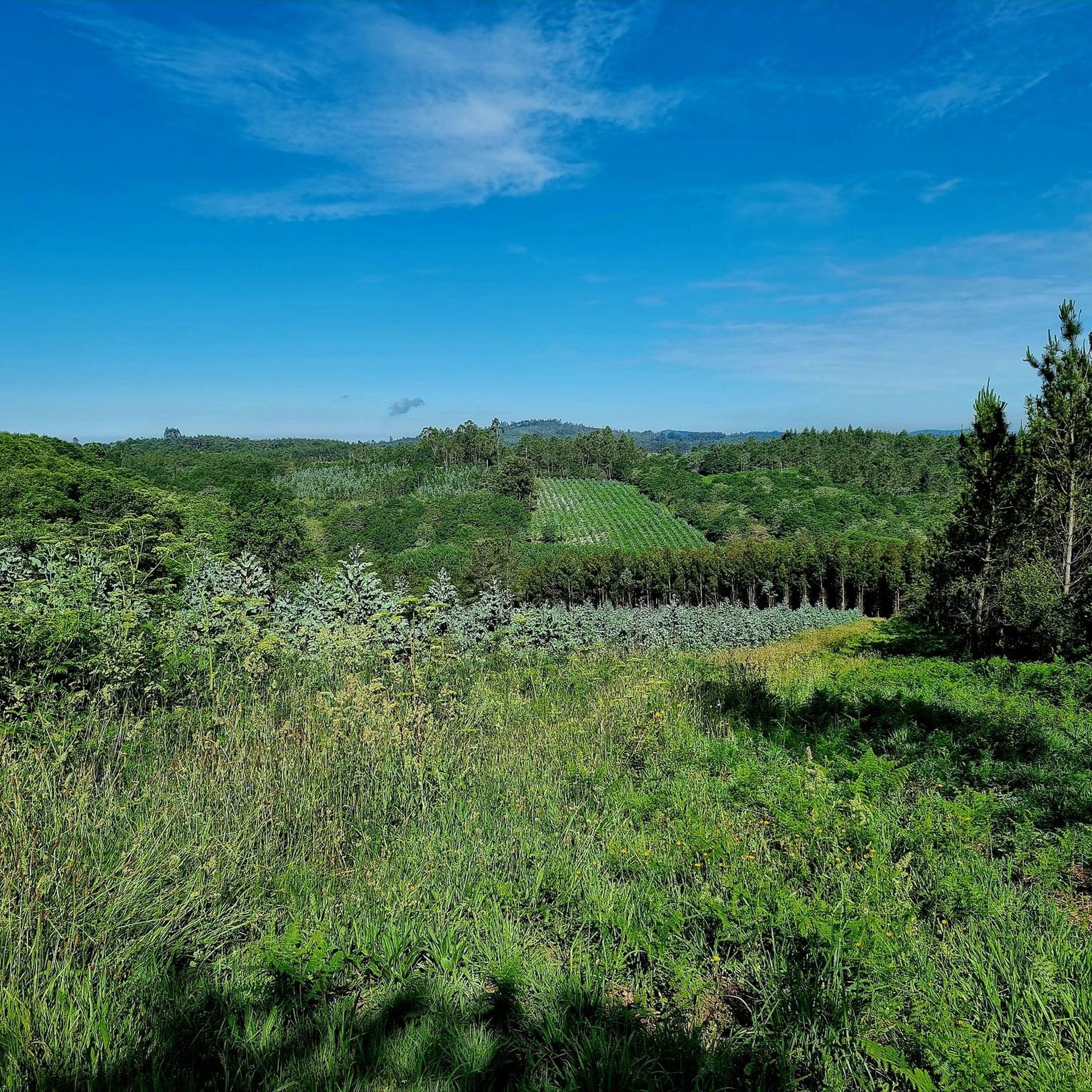
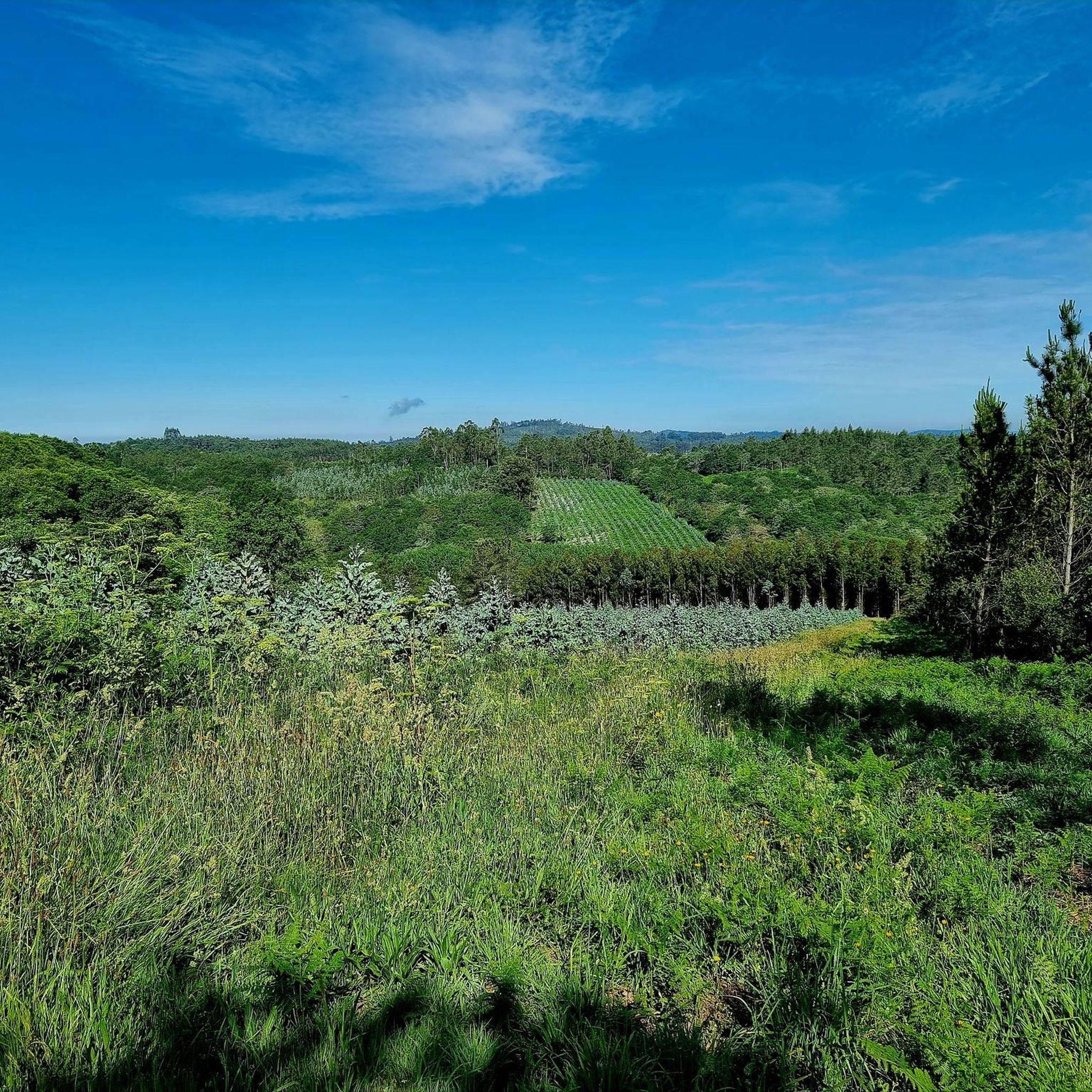
Tips from the Community

Then the cathedral is not far away
6
0
Large fountain
5
0

Santiago de C. has gained importance particularly since the Middle Ages. The old town with its lovely little streets and beautiful shops and restaurants is always worth a look. Unfortunately, there is only one supermarket left for the local population in the center. But an old hat shop has managed to survive. Men come from far away to buy their hats here.
4
0

It is famous for being the place that, according to tradition, houses the tomb of the Apostle Santiago, making it one of the main pilgrimage destinations in Europe through the Camino de Santiago. The building is a mix of architectural styles including Romanesque, Gothic and Baroque. The Obradoiro façade is particularly impressive and is one of the most recognizable symbols of the cathedral. In addition, the cathedral features the famous Botafumeiro, a huge censer used during certain liturgical celebrations.
27
0

The Fountain of the Horses, also known as Fonte dos Cabalos. The space consists of countless Renaissance details, but in the middle of the square there is a fountain with four horses in Baroque style that quickly attracts attention. Built by J. Pernas in 1825, the Fonte dos Cabalos consists of four horses spouting water from their mouths.
7
0
The history of Santiago began on July 25, 813, when the Bishop of Iria, Teodomiro, confirmed the discovery of the tomb of the apostle Saint James in the village of San Fiz de Solovio, which would eventually become the city of Compostela. News of the discovery quickly spread throughout the Christian world, which at the time was threatened by the Islamic invasions. A large basilica was built over the tomb of the apostle, and there was a constant coming and going of travelers and pilgrims between Santiago and the rest of Europe. Religion, culture, trade and politics came together along the way. Everyone who comes here is impressed by the past and the present.
4
0

Tip: Get up early and have the place to yourself
6
0
The Cathedral of Santiago de Compostela, also known as the Holy Apostolic and Metropolitan Cathedral Church of Santiago de Compostela, is a temple of Catholic worship located in the city of the same name, in the center of the province of La Coruña, in Galicia. This majestic cathedral is a symbol of the pilgrimage to Santiago and has a rich history and meaning.
27
0
Frequently Asked Questions
What historical and cultural sites can I explore in Trazo?
Trazo is rich in history and culture. You can visit several historic churches, such as the Iglesia de San Cristovo de Xavestre, which features Romanesque, Gothic, Baroque, and Neoclassical elements, or the Ermita de Augas Santas, a 12th-century Romanesque hermitage. The Pazo de Vilacoba, a manor house with a 16th-century defensive tower, also offers a glimpse into the region's past. Additionally, the Historic Centre of Santiago de Compostela, a UNESCO World Heritage Site, is nearby, offering a network of alleyways and historical buildings to explore.
Are there any significant religious landmarks in the Trazo area?
Yes, the area around Trazo is home to several significant religious landmarks. The most prominent is the Santiago de Compostela Cathedral, known for its Gothic style and neo-Gothic elements, where visitors can even take tours over the roofs. Other notable churches within Trazo include the Iglesia de Santa Eufemia de Vilouchada, known as 'the mountain's cathedral,' and the Ermita de Augas Santas, associated with a legend of miraculous healing waters.
What natural attractions and scenic views can I find in Trazo?
Trazo offers beautiful natural features, including the Tambre River, which forms a natural boundary and provides scenic views. You can visit Monte Pedroso, known for unique stone formations like the 'Piedra Faladora' (Speaking Stone). The Área Recreativa y Playa Fluvial de Chaián, located by the Tambre River, is a popular spot for enjoying the natural surroundings with wooden walkways connecting small islands.
Are there family-friendly activities or attractions in Trazo?
Yes, Trazo offers family-friendly options. The Área Recreativa y Playa Fluvial de Chaián is an excellent choice, featuring barbecues, a bar, and swimming areas by the Tambre River, perfect for a day out with children. Exploring the Historic Centre of Santiago de Compostela can also be an engaging experience for families, with its pedestrian-friendly alleyways and historical charm.
What kind of outdoor activities can I do near Trazo?
The Trazo area is great for outdoor enthusiasts. You can enjoy various cycling routes, including road cycling and gravel biking. For instance, there are road cycling routes like the 'Roadbike loop from A Aldeavella' or gravel biking options such as the 'Enchanted forest – San Paio loop from San Lázaro.' Running trails are also available, with options like the 'Running loop from Trazo' for an easy local run. You can find more details on these activities in the Road Cycling Routes around Trazo, Gravel biking around Trazo, and Running Trails around Trazo guides.
Are there hiking trails available near Trazo's attractions?
Yes, there are hiking opportunities. The Ruta Tambre e Pedra is a hiking trail covering just over 15 kilometers, following the Tambre River and leading to ethnographic sites like the Muiño de Salgueira (Salgueira Mill). This trail starts from the Área Recreativa y Playa Fluvial de Chaián, making it convenient to combine with a visit to the recreational area.
What is the 'Pedra dos Cadrís' and where can I find it?
The 'Pedra dos Cadrís' (stone of the hips) is a unique stone located near the Iglesia de Santa Eufemia de Vilouchada. Local tradition holds that this stone is believed to cure lower back pain, making it a point of interest for those visiting the church.
Can I find any ancient or mysterious sites in Trazo?
Yes, Trazo has some intriguing ancient sites. The Cova dos Mouros is a cave with a narrow entrance that contains a rectangular engraving with a central hollow, whose meaning remains uncertain. This site offers a touch of mystery and ancient history for explorers.
What do visitors particularly enjoy about the attractions around Trazo?
Visitors appreciate the blend of historical significance and natural beauty. Many enjoy the spiritual atmosphere and architectural details of the Santiago de Compostela Cathedral, with some finding the roof tours particularly rewarding for the views and insights. The well-preserved colonnades and historical charm of the Historic Centre of Santiago de Compostela are also highly valued for their photo opportunities and immersive experience.
Is there a specific bridge with historical significance in Trazo?
Yes, the Puente de Pontealbar is a historically significant bridge in Trazo. It crosses the Tambre River and connects Trazo with Santiago de Compostela, marking a historical route that has been used for centuries.
Are there any unique stone formations to see in Trazo?
Yes, Monte Pedroso in Trazo is known for its collection of unique stones. Among them is the 'Piedra Faladora' (Speaking Stone), which is said to resemble two people in rock form, offering an interesting natural curiosity.
Most popular attractions around Trazo

Get inspired with the komoot mobile app


Explore more
Still not found the Highlight you’re looking for? See guides of the top attractions in other regions:
