Attractions and Places To See around Guadramiro - Top 5
Best attractions and places to see around Guadramiro include historical sites, traditional settlements, and natural features. This region in the northwest of Salamanca province, Spain, is characterized by its granite landscape, abundant holm oaks, and proximity to the Huebra River. Guadramiro's history as a significant villa and its location near the Arribes del Duero Natural Park contribute to a diverse range of points of interest. Visitors can explore ancient fortifications and experience the local culture.
Best attractions and places to…
Last updated: October 30, 2026
Vetón Hillfort of Lumbrales (Las Merchanas)
Highlight • Historical Site
The …
Translated by Google •
Tip by

Vettonian Hillfort of Yecla la Vieja
Highlight • Historical Site
Translated by Google •
Tip by
Sign up now to discover places like this
Get recommendations on the best single tracks, peaks, & plenty of other exciting outdoor places.
Bogajo
Highlight • Settlement
Translated by Google •
Tip by

Plaza de España, Vitigudino
Highlight • Settlement
Translated by Google •
Tip by

Start today with a free account
Your next adventure awaits.


Tips from the Community

Rodenas route spring 2025
0
0
walk to the Encinasola of the Commanders
0
0

Vitigudino is the most important population center in the northwest of Salamanca. In the Plaza de España is the impressive Church of San Nicolás de Bari.
3
0
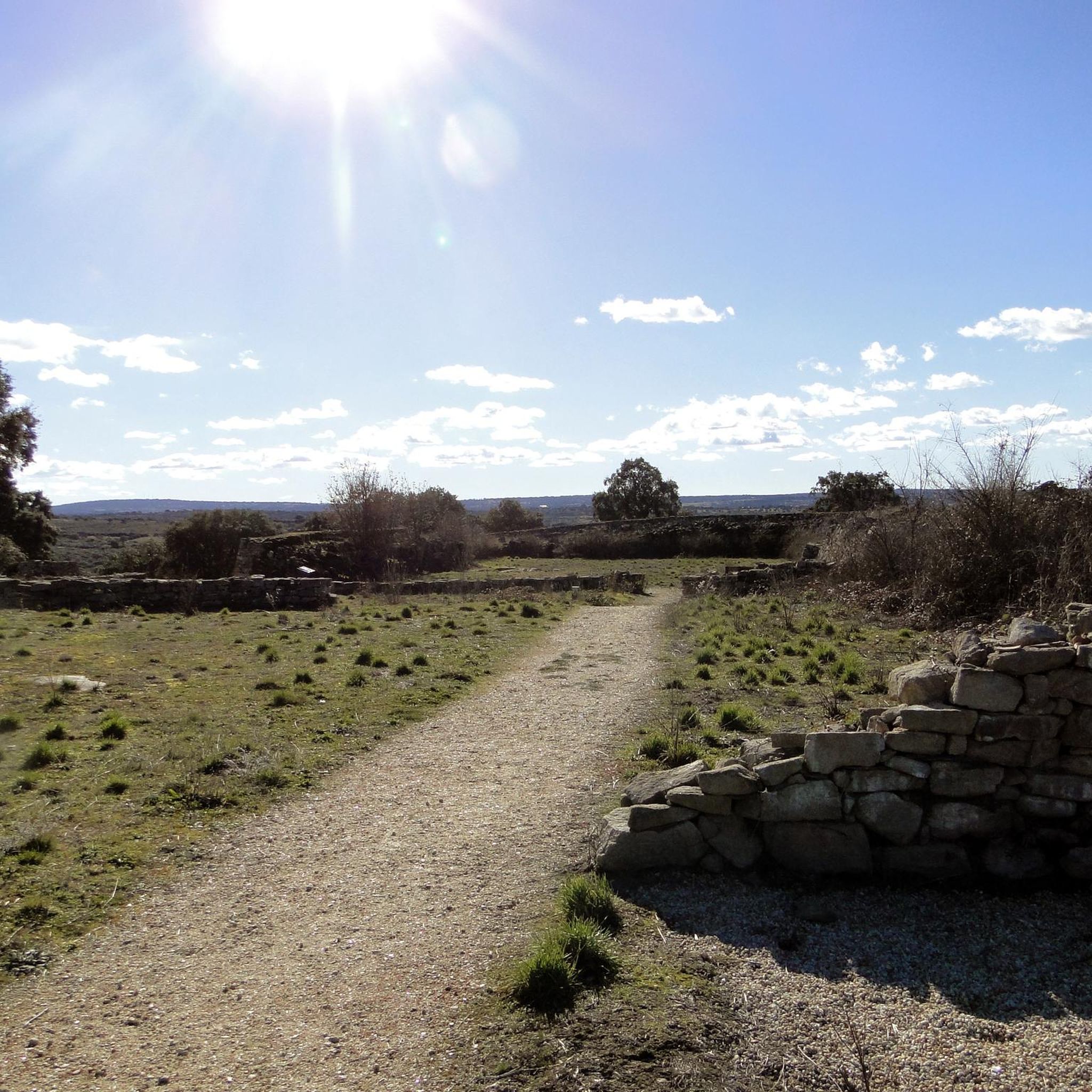
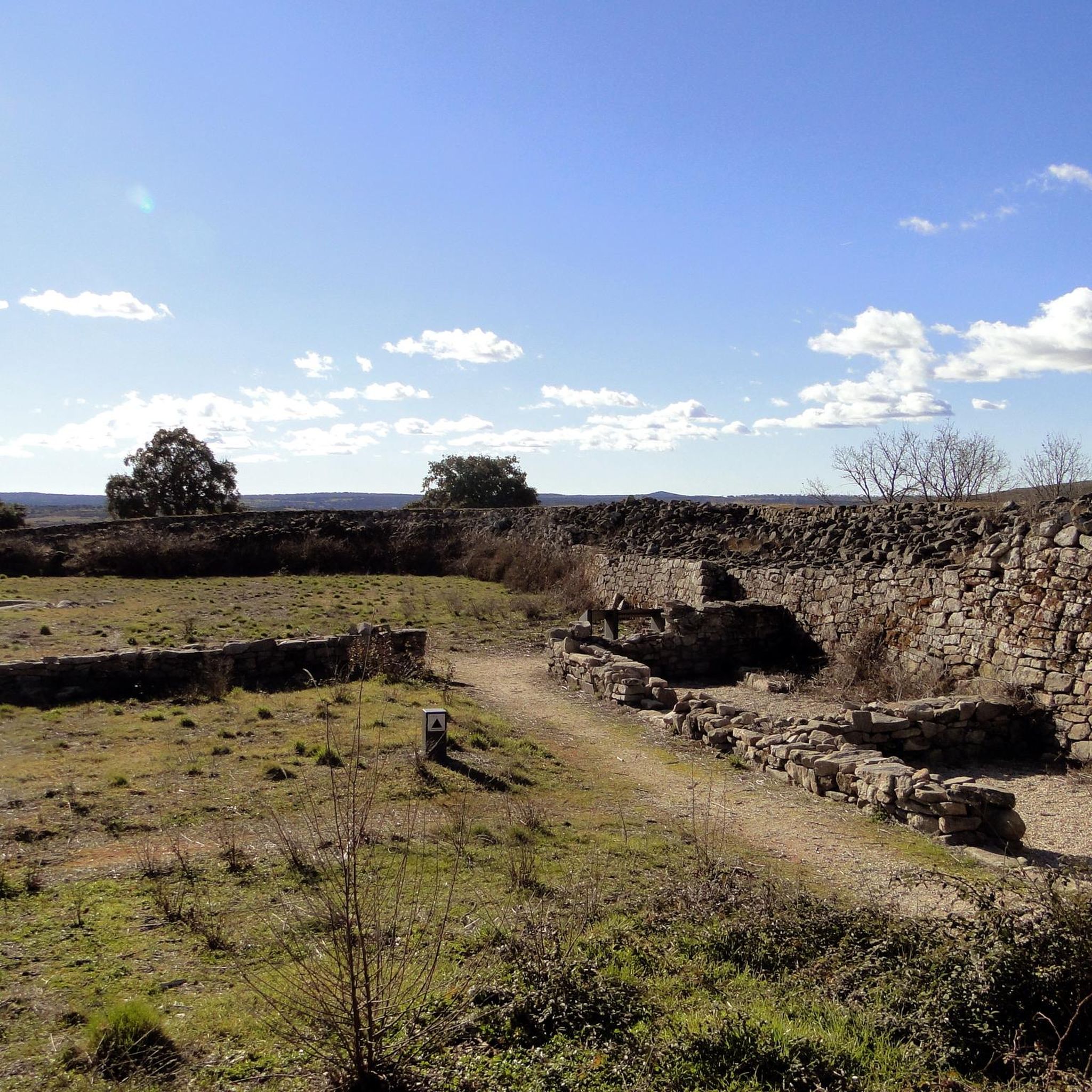
A huge archaeological site of about 5 hectares, also known as "El Castillo". One of the most spectacular pre-Roman fortifications on the Iberian Peninsula. The walls that surround it are preserved in good condition. It is probably from the 5th century B.C.
1
1

Beautiful small town that is located near the Huebra River and where one of its characteristics is the influx of inhabitants that appear between the summer and winter months, assuming large differences due to the good temperatures of the summer season.
0
1

The sites dating back to pre-Roman times up to the most recent ones related to the culture of the castros and boars are known as Vetón territory. It has been studied that the occupation of these territories dates back to the Iron Age 500 years ago and even much earlier up to the 5th century in the case of this particular site of Las Merchanas. In the golden age of these territories, these settlements were mainly populated by shepherds and warriors who, according to various Roman writers, were known as "vetones".
1
0
The province of Salamanca is well known for being Vetón territory since it has two of the most important deposits in the area, Yecla la Vieja and Las Merchanas. The sites dating back to pre-Roman times up to the most recent ones related to the culture of the castros and boars are known as Vetón territory. It has been studied that the occupation of these territories dates back to the Iron Age 500 years ago and even much earlier up to the 5th century in the case of this particular site of Las Merchanas. In the golden age of these territories, these settlements were mainly populated by shepherds and warriors who, according to various Roman writers, were known as "vetones".
3
0
Archaeological site where the ruins of El Castro Castle are found, whose wall is the only remaining vestige and surrounds an area of approximately 5 hectares. Within the property is also the Hermitage of the Virgen del Castillo and tour the place through the various paths to see other remains and some stone engravings of animals and human figures. It is estimated that the construction dates from the Iron Age.
2
0
Frequently Asked Questions
What historical landmarks can I explore within Guadramiro itself?
Guadramiro boasts several significant historical sites. You can visit the impressive 15th-century Torre, which served as both a bell tower and a defensive fortress. The Iglesia Parroquial El Salvador, a large Gothic church from the late 15th century, features a beautiful Baroque altarpiece. Other notable sites include the Ermita de Nuestra Señora del Árbol and the Ermita de San Cristóbal, which houses a three-meter-tall sculpture of Saint Christopher. Don't miss the Plaza Mayor with its granite columns and the peculiar Barrio de las Peñas, showcasing unique popular architecture.
Are there any ancient pre-Roman sites near Guadramiro?
Yes, the region is rich in pre-Roman history. You can explore the Vettonian Hillfort of Yecla la Vieja, one of the most spectacular pre-Roman fortifications on the Iberian Peninsula. Another significant site is the Vetón Hillfort of Lumbrales (Las Merchanas), both dating back to the Iron Age and known as Vetón territory, once inhabited by shepherds and warriors.
What natural features characterize the landscape around Guadramiro?
Guadramiro is nestled among four hills and surrounded by abundant holm oaks and oaks, typical of the 'dehesas' (Mediterranean woodlands) of Salamanca. The River Huebra (or Yeltes) borders the municipal area to the south, with riverbanks rich in vegetation like willows and alders, providing habitat for endangered species such as the wildcat and black stork. The area is also very close to the stunning Parque Natural de Las Arribes del Duero, known for its deep river canyons.
Can I find good viewpoints near Guadramiro?
Absolutely. For panoramic views of Guadramiro and the surrounding region, extending towards Portuguese lands, head to Cruz Alta and Teso de San Cristóbal. These elevated areas are particularly recommended for enjoying beautiful sunsets. The Teso de San Cristóbal also holds historical significance as an ancient Vetton settlement.
Is there a notable waterfall or natural spectacle nearby?
Yes, the spectacular Pozo de los Humos waterfall is a major attraction within the nearby Parque Natural de Arribes del Duero, approximately 31.4 km from Guadramiro. It features a 50-meter drop of the Uces River, creating a cloud of mist that gives it its name, especially impressive during periods of high water flow.
What outdoor activities can I do near Guadramiro?
The area around Guadramiro offers various outdoor activities, particularly cycling. You can find numerous routes for road cycling, touring, and mountain biking. For detailed routes and guides, explore the Road Cycling Routes around Guadramiro, Cycling around Guadramiro, and MTB Trails around Guadramiro.
Are there cycling routes suitable for different levels around Guadramiro?
Yes, there are cycling routes catering to various difficulty levels. For road cycling, you can find moderate routes like the 'Abadengo Lands Loop from Cerralbo' or more difficult options such as the 'Alto de la Jana Road – Molinera Bridge loop from Valderrodrigo'. Mountain biking also offers moderate trails like 'Vitigudino to Castro de Yecla la Vieja Loop'. You can find more details and specific routes in the Road Cycling, Touring Bicycle, and MTB guides for the area.
Are there family-friendly attractions around Guadramiro?
Yes, there are options suitable for families. The settlement of Bogajo, located near the Huebra River, is considered family-friendly and experiences a pleasant influx of inhabitants during the summer months. Additionally, the Plaza de España in Vitigudino, the most important population center in the northwest of Salamanca, offers a pleasant environment for families to explore, including the impressive Church of San Nicolás de Bari.
What is the best time to visit Guadramiro attractions?
The summer months are particularly favorable for visiting Guadramiro, as noted by the increased influx of inhabitants in places like Bogajo due to good temperatures. The natural landscapes, such as the dehesas and riverbanks, are enjoyable during warmer periods. For viewing the Pozo de los Humos waterfall at its most spectacular, periods of high water flow, typically after heavy rains or during spring thaws, would be ideal.
What unique architectural features can be found in Guadramiro?
Guadramiro's architecture reflects its rich history. The Torre showcases an Isabelino style, a transition between late Gothic and early Renaissance, with decorative elements like balls, Gothic pinnacles, and gargoyles. The Iglesia Parroquial El Salvador is a fine example of Gothic architecture with well-carved granite. The Plaza Mayor is notable for its popular architecture, featuring granite columns, and the Barrio de las Peñas is characterized by the unique juxtaposition of rocks and houses.
Can I find any Roman or ancient artifacts in Guadramiro?
Yes, Guadramiro has ancient roots. You can find numerous Roman stelae scattered throughout the town, along with some Templar crosses and inscriptions. These artifacts convey messages full of ancestral connotations and highlight the town's long history. There is also a Fuente Romana-Medieval, an ancient fountain that further speaks to the town's historical depth.

Get inspired with the komoot mobile app


Explore more
Still not found the Highlight you’re looking for? See guides of the top attractions in other regions:
