Attractions and Places To See around Melque De Cercos - Top 7
Attractions and places to see around Melque De Cercos offer a glimpse into a historical Spanish municipality in the province of Segovia, Castile and León. Founded in the 11th century, the area is characterized by its tranquil setting, watered by the Cercos stream, and surrounded by vast meadows. Visitors can explore a blend of historical sites, traditional architecture, and natural features. The region provides opportunities to discover cultural landmarks and enjoy the rural landscape.
Best attractions and places to see…
Last updated: July 1, 2026
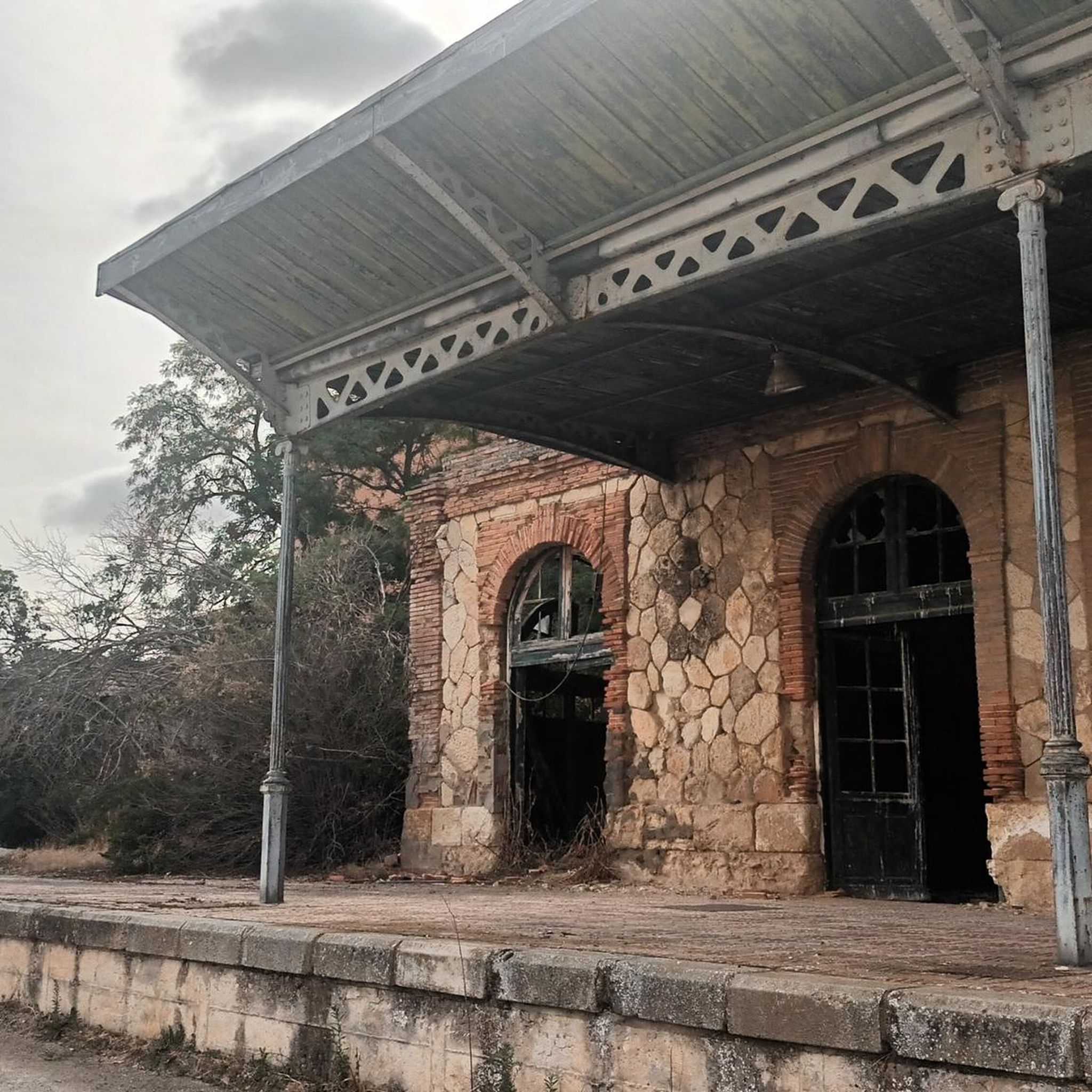
Ortigosa del Pestaño — Abandoned Railway Station
Highlight • Monument
Translated by Google •
Tip by

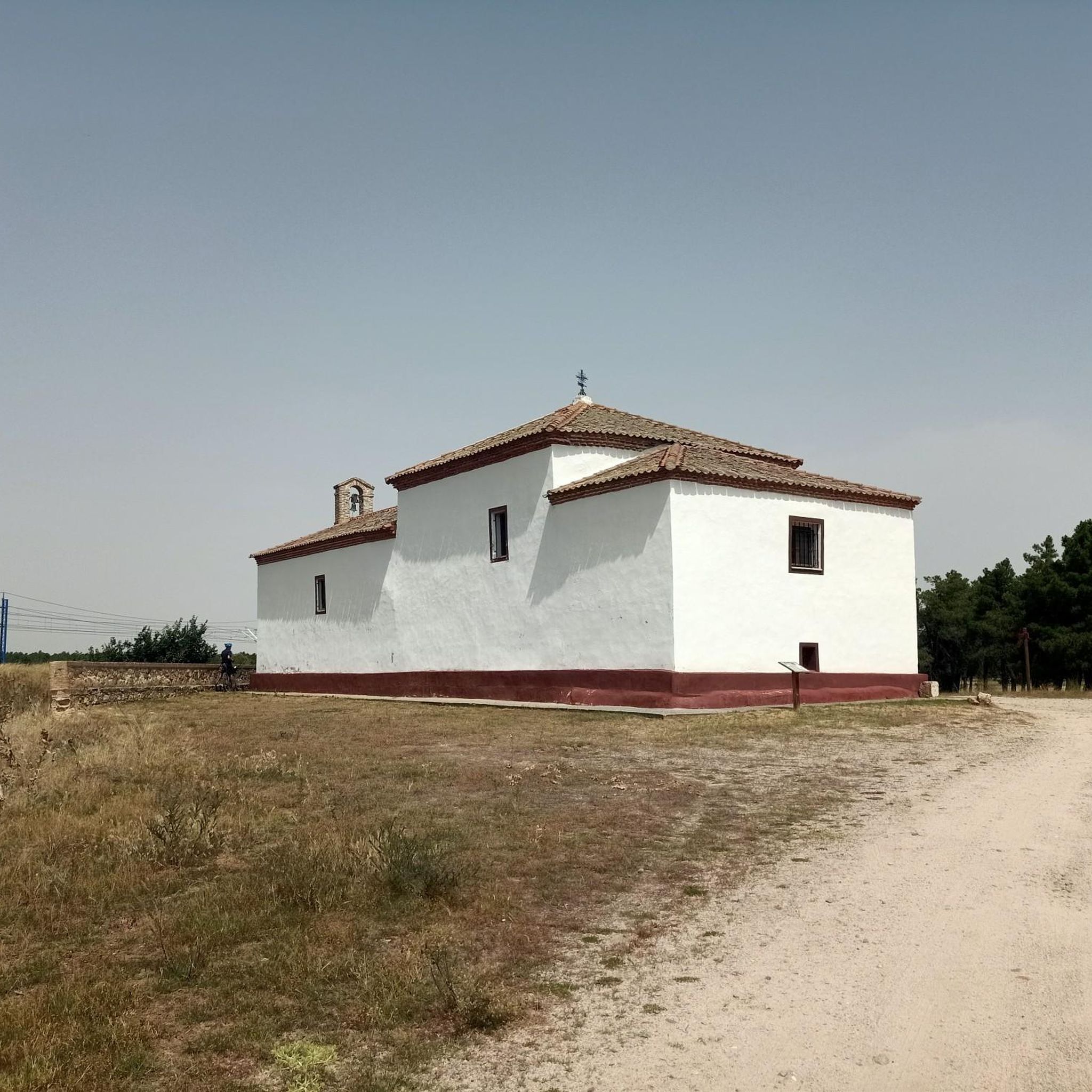
Hermitage of the Virgin of the Well
Highlight • Religious Site
Translated by Google •
Tip by
Sign up now to discover places like this
Get recommendations on the best single tracks, peaks, & plenty of other exciting outdoor places.
Sign up for free
Nava de la Asunción
Highlight • Settlement
Translated by Google •
Tip by

Miguel Ibáñez Rest Area and Fountain
Highlight • Rest Area
Translated by Google •
Tip by
Sculpture Trail of the Via Verde del Valle del Eresma
Highlight • Trail
Translated by Google •
Tip by

Sign up for free to discover even more attractions around Melque De Cercos.
Sign up for free
Already have an account?
Start today with a free account
Your next adventure awaits.
Login or Signup
Popular around Melque De Cercos

Tips from the Community

Old abandoned station
0
0

Nava de la Asunción is a Spanish municipality and town in the province of Segovia. Originally known as Nava de Coca, it belonged to the village and land community. Later, in 1773, King Carlos III granted it the title of Villa and added “La Asunción” to its name, in honor of the Virgin, patron saint of the town. I hope you found this brief description interesting! 😊
2
0

On the route of the Via Verde Valle del Eresma, at kilometer 49 towards Medina del Campo, and passing through Nava de la Asunción, a stop is mandatory for the walker or cyclist in consideration of what meets his gaze at this point. It is striking to come across figures carved in wood that represent the direction of the winds to stay where they blow. They reflect the knowledge that education provides to people to free them from the constraints of economic and religious systems that can limit freedom, folk stories, storks that open doors to information, birds of prey that pay homage to resin craftsmanship, life in a game of chess, fantasy turtles, greyhounds and hares and tubs of water tuned with sentences to read and analyze their content. In short, they are eleven works of art that invite us to reflect on the environment, with social messages, It is the work of many hours of dedication, taking advantage of the days of the pandemic and occupying the mind in offering the landscape an artistic aspect that serves as a call to attention for the inhabitants of Nava, to form a team of volunteers who take on the commitment to take care of the over five hundred tree and shrub plantations that cover the six hundred meters of this Greenway route. This is the objective desired by the author of the sculptures, Manuel Frías Trampal. “It is environmental awareness to enjoy a welcoming natural landscape over time. To do this, you just need to sponsor any of the planted tree species and dedicate your name to it. You don't need to sign up to any list, you just need to decide to sponsor and care for the plant with watering and weeding,” says the forestry engineer and professor at the School of Forestry Foremen in Coca.
1
0

Population located north of the capital of the province, Segovia. It is a nucleus located between the two rivers, the Río Edesma and the Río Voltoya.
1
0

Temple of Romanesque origin that was built in the 13th century and that still today houses pilgrimages for the residents of Nieva. In its surroundings there is a rest area in the shade, with benches and tables.
2
0
Old station on the track that was active for 100 years. These abandoned infrastructures seem like an architectural time capsule where you can sense what the dynamics of rail communication were like then, especially compared to the current nearby high-speed train line.
3
0
Nucleus of houses with 25 inhabitants near the greenway where you can make a stop to rest in the shade and get supplies.
2
0

Beautiful abandoned railway station in Ortigosa.
1
0
Frequently Asked Questions
What historical and cultural sites can I explore in and around Melque De Cercos?
Melque De Cercos is rich in history. You can visit the Church of Santa María, a Romanesque-Mudéjar architectural gem, or the original 12th-century Old Church. The Domingo García Outdoor Rock Art Site offers a fascinating look at engravings from the Upper Paleolithic to the Contemporary Age. Additionally, the Ortigosa del Pestaño — Abandoned Railway Station provides a glimpse into past rail communication, and the Hermitage of the Virgin of the Well is a 13th-century Romanesque temple.
Are there any natural attractions or scenic areas to enjoy in Melque De Cercos?
Yes, the area boasts a tranquil rural landscape. You can enjoy the Arroyo de Cercos (Cercos Stream), which flows through the municipality, offering picturesque views and paths for walking. The typical Segovian countryside, with its vast meadows and wooded areas along the stream banks, is ideal for nature lovers.
What outdoor activities are available near Melque De Cercos?
The natural surroundings are perfect for outdoor activities. You can find various routes for mountain biking, touring cycling, and road cycling. For example, there are challenging MTB loops like the Nava de la Asunción – Puente de Constanzana loop, or moderate touring bicycle routes such as the Nava de la Asunción – Río Voltoya Crossing loop. Explore these and more on the MTB Trails around Melque De Cercos, Cycling around Melque De Cercos, and Road Cycling Routes around Melque De Cercos guide pages.
Are there family-friendly attractions or activities in the area?
Families can enjoy the peaceful environment and some historical sites. The Hermitage of the Virgin of the Well is considered family-friendly, offering a historical visit. The Miguel Ibáñez Rest Area and Fountain provides a pleasant stop with amenities for a break.
What is the best time to visit Melque De Cercos to experience local traditions?
To experience local traditions, consider visiting during one of the festivities. The Flores de la Virgen de La Antigua takes place on the last weekend of May, featuring a mass, procession, and refreshments. The San Esteban Protomártir festival is celebrated on August 3rd and 4th with religious and cultural activities. There's also a Traditional Pig Slaughter (Matanza popular del cerdo) held on December 5th, 6th, and 7th.
Can I find places to rest or get refreshments near the attractions?
Yes, the Miguel Ibáñez Rest Area and Fountain is a good spot to make a stop, rest in the shade, and get supplies. It's a small town on the Greenway, and there's a bar available there.
What kind of unique architecture can I see in Melque De Cercos?
Melque De Cercos is known for its traditional architecture. You can observe houses, walls, and corrals built with a distinctive technique involving superimposing rows of cobblestones and slate, sometimes combined with red brick or tile. The town historically had up to 10 artisanal tile factories, influencing its unique building style.
What do visitors particularly enjoy about the attractions around Melque De Cercos?
Visitors appreciate the historical depth and the tranquil atmosphere. The Ortigosa del Pestaño — Abandoned Railway Station is noted as an 'architectural time capsule,' while the Domingo García Outdoor Rock Art Site offers unique insights into ancient human activity. The overall rural charm and the opportunity for peaceful exploration are highly valued.
Are there any specific viewpoints or scenic spots recommended for photography?
While specific viewpoints aren't highlighted, the rural landscape along the Arroyo de Cercos, with its vast meadows and wooded areas, offers numerous picturesque settings for photography. The traditional architecture of the village itself also provides unique photo opportunities.
Is Melque De Cercos a good destination for a quiet, historical getaway?
Absolutely. Melque De Cercos is a small municipality with a rich history, founded in the 11th century. Its tranquil setting, historical landmarks like the Church of Santa María, and the surrounding natural beauty make it an ideal destination for those seeking a peaceful and culturally enriching experience away from bustling tourist areas.
What is the significance of Nava de la Asunción in the region?
Nava de la Asunción is a historically significant municipality near Melque De Cercos. Originally known as Nava de Coca, it was granted the title of Villa by King Carlos III in 1773, and 'La Asunción' was added to its name in honor of the Virgin, its patron saint. It's a notable settlement with its own historical charm.

Get inspired with the komoot mobile app


Explore more
Still not found the Highlight you’re looking for? See guides of the top attractions in other regions:
