Top 6 Castles around Mora
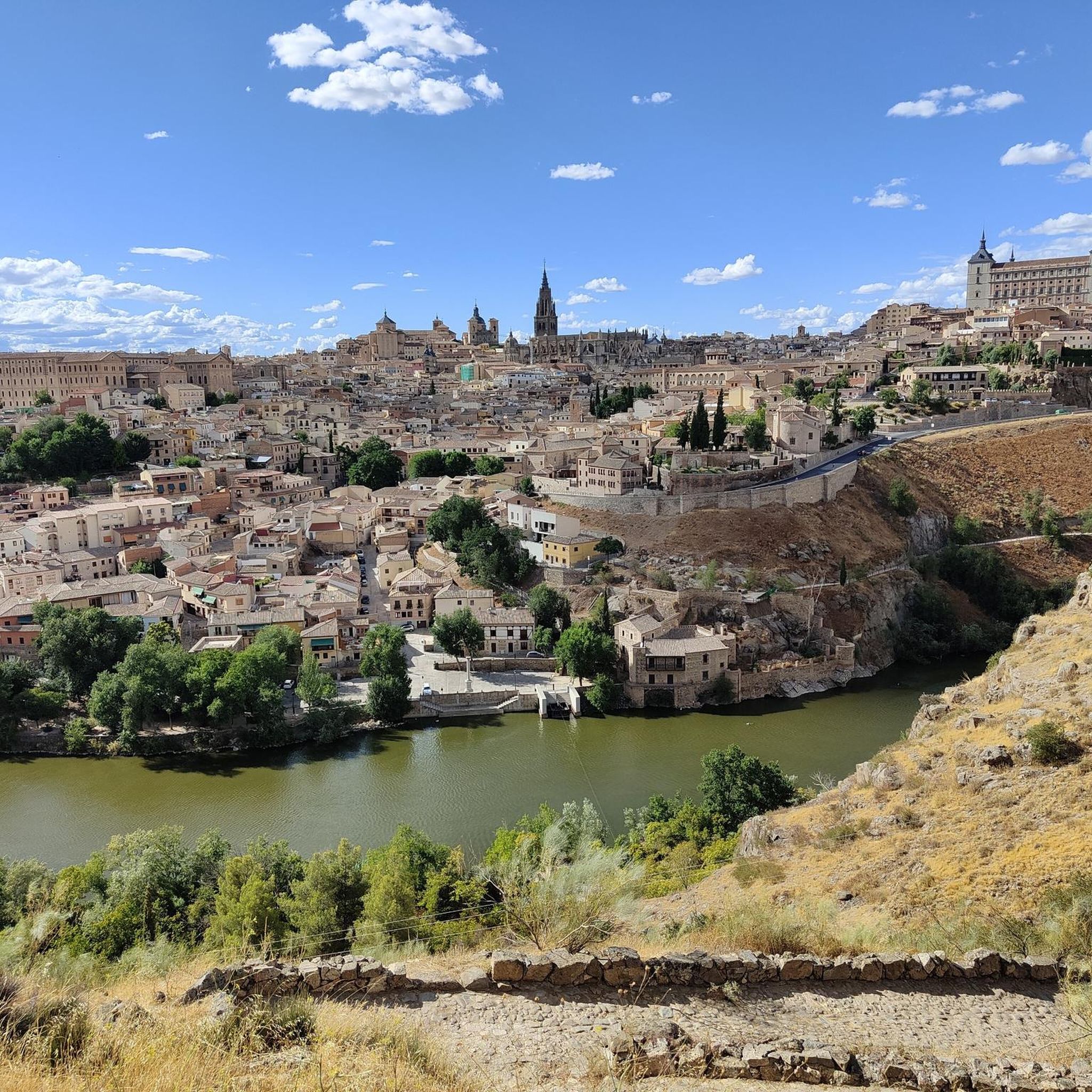
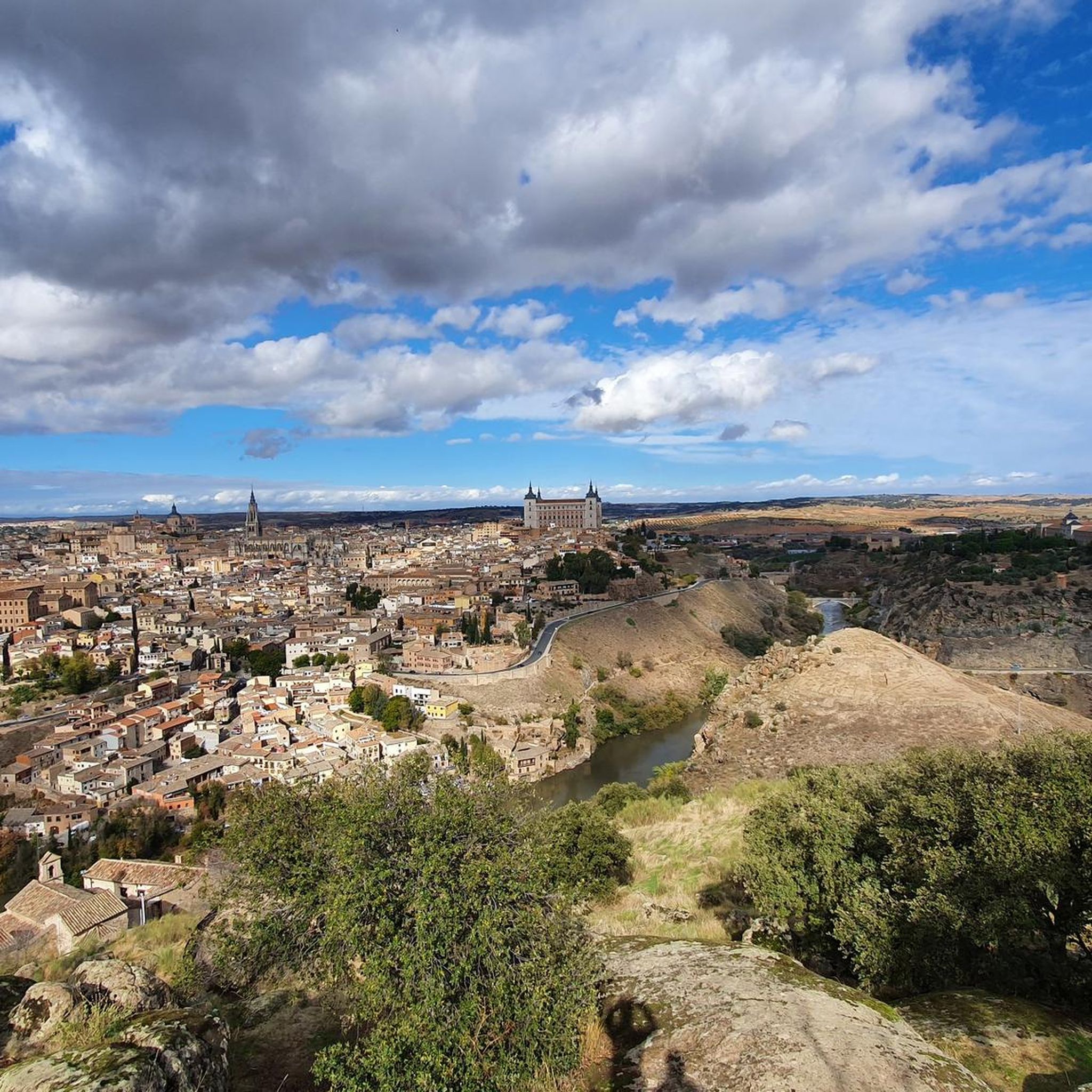
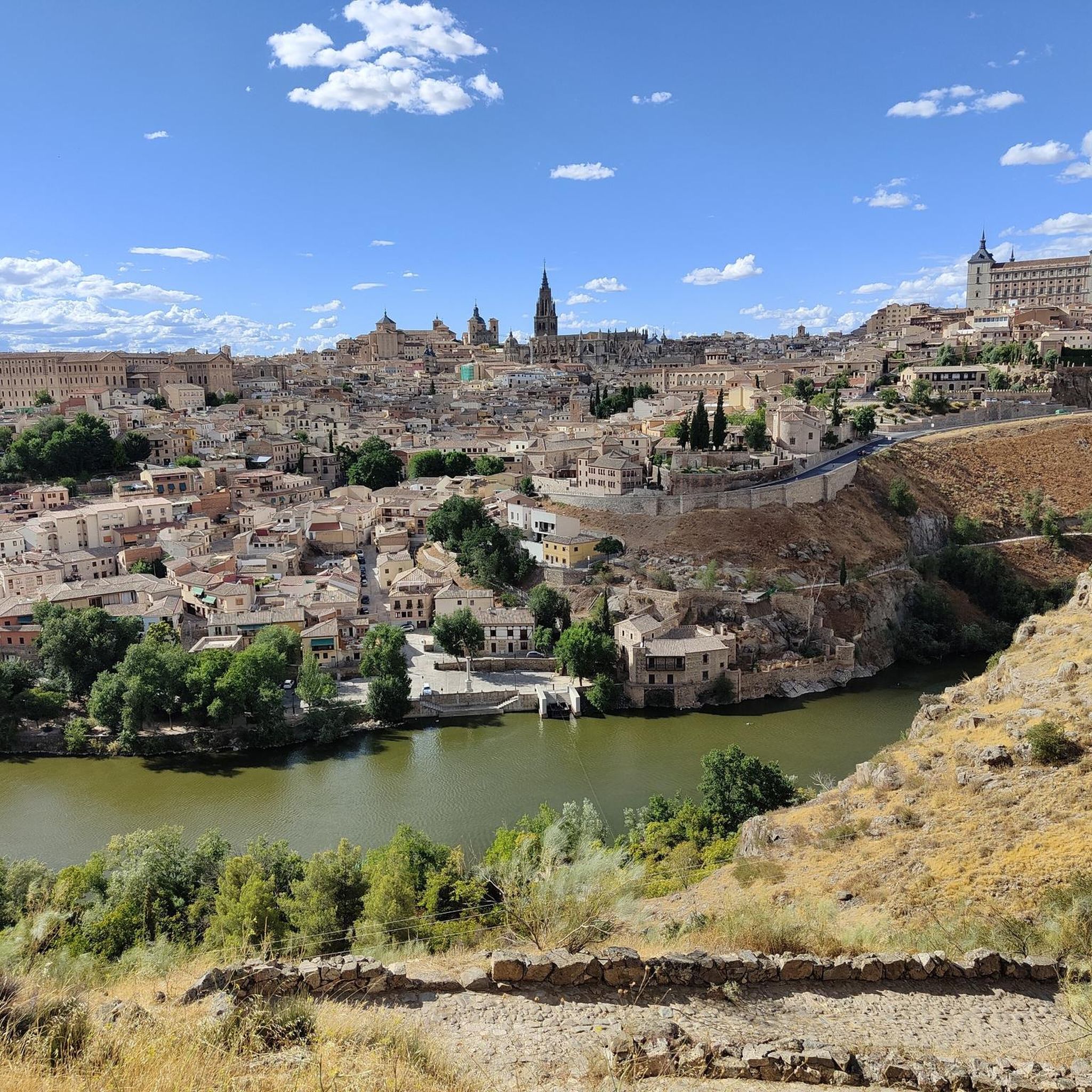
Best castles around Mora are primarily located in Spain's Toledo Province, a region rich in historical sites and medieval architecture. This area features fortresses built for defense and residence, often situated on elevated positions offering strategic views. The castles reflect centuries of cultural transitions and architectural evolution.
Best castles around Mora
- The most popular castles is Castle of the Counts of Orgaz, a castle that is a residential fortress from the 14th century. It is rectangular in shape and finished with battlements and cantilevered sentry boxes on the corners.
- Another must-see spot is Almonacid Castle, a castle intended as a permanent residence for troops and a military settlement. Its silhouette can be seen perched on a promontory, guarding the Camino de La Mancha.
- Visitors also love Los Yébenes, a settlement that includes the medieval Guadalerzas Castle. This destination offers a blend of historical and natural attractions within the Montes de Toledo.
- Mora is known for medieval fortresses, residential castles, and historical settlements featuring castle ruins. The area provides a variety of historical structures to explore, showcasing different architectural styles and strategic purposes.
- The castles around Mora are appreciated by the komoot community, with 19 upvotes and 20 photos shared by visitors.
Last updated: August 17, 2026
Castle of the Counts of Orgaz
Highlight • Castle
Translated by Google •
Tip by

Almonacid Castle
Highlight • Castle
Translated by Google •
Tip by
Sign up now to discover places like this
Get recommendations on the best single tracks, peaks, & plenty of other exciting outdoor places.
Sign up for free
Los Yébenes
Highlight • Settlement
Historical and Cultural Heritage
Churches of Santa María and San Juan Bautista: Both from the 16th century, in Mudejar and late Gothic styles.
Guadalerzas Castle: A medieval fortress that still preserves its imposing structure.
Windmills: Located in the "Crestería Molinera" (Molinera Ridge), these windmills stand out for their panoramic views and historical value. The Tío Zacarías Mill preserves its original machinery.
Natural Science Museum: With an impressive blue whale skeleton.
Hunting and Nature Museum: Showcases the hunting tradition of the area.
Hoploteca – Museum of Ancient Weapons: A tour of the evolution of weapons in different contexts.
Translated by Google •
Tip by
Orgaz
Highlight • Settlement
From an illustrious entrance, the doors of its ancient walls already immerse us in the town and in the Middle Ages, to lose ourselves in both as soon as we flank the Arch of San José or the Arch of Belén. The old town surrounds us with interest and makes us turn our gaze that stops at the details. The house of Calderón de la Barca or that of the Vínculo de las Cadenas. The Church of Santo Tomás Apóstol by Alberto de Churriguera and with an illustration by El Greco, El Expolio, a painter who is impregnating the town and it with his work.
The Castle of the Counts of Orgaz, is from the 14th century, possibly built on a previous one, it is a beautiful example of a residential fortress and of magnificent conservation. It has a rectangular floor plan and is finished with beautiful battlements with wonderful projecting turrets at the corners. The Keep has a semicircular apse corresponding to a chapel that breaks the rectilinear structure of the complex.
Translated by Google •
Tip by
Mascaraque
Highlight • Settlement
Translated by Google •
Tip by
Sign up for free to discover even more castles around Mora.
Sign up for free
Already have an account?
Start today with a free account
Your next adventure awaits.
Login or Signup
Tips from the Community

Currently, it is not possible to climb to the castle because a tower has collapsed.
0
1

Mascaraque Castle is one of the town's main attractions. Origin: It was built in the 14th century on the site of an earlier Muslim fortification. Historical Owners: It was renovated by the Padilla family, who were associated with the Comuneros in the 15th century. Architecture: The keep is a prominent feature, which, according to tradition, was "demolish" (lowered) by order of the Catholic Monarchs after the Revolt of the Comuneros. Interesting Details: Pentacles or Seals of Solomon can be seen on its walls, symbols that fuel legends of protection and mystery. Current Status: It is privately owned, so the interior is not open to the public, but the exterior is impressive and well worth seeing.
1
0
Mascaraque stands out for its authentic and tranquil atmosphere, ideal for those seeking a historical getaway without the crowds. Its historical heritage—centered on the castle, the church, and several hermitages—offers a rich cultural experience alongside a friendly local life. The rural surroundings reinforce this feeling of disconnection: olive groves, vineyards, and nature trails complete the appeal. In short, a destination with its own unique identity, highly valuable for lovers of heritage and charming villages.
2
0
It is located next to the Tourist Information office.
7
0
It is located next to the Tourist Information office, where they provide information about guided tours.
4
0
Los Yébenes is a fascinating destination in the Montes de Toledo! Historical and Cultural Heritage Churches of Santa María and San Juan Bautista: Both from the 16th century, in Mudejar and late Gothic styles. Guadalerzas Castle: A medieval fortress that still preserves its imposing structure. Windmills: Located in the "Crestería Molinera" (Molinera Ridge), these windmills stand out for their panoramic views and historical value. The Tío Zacarías Mill preserves its original machinery. Natural Science Museum: With an impressive blue whale skeleton. Hunting and Nature Museum: Showcases the hunting tradition of the area. Hoploteca – Museum of Ancient Weapons: A tour of the evolution of weapons in different contexts.
31
0
Los Yébenes is a fascinating destination in the Montes de Toledo! Historical and Cultural Heritage Churches of Santa María and San Juan Bautista: Both from the 16th century, in Mudejar and late Gothic styles. Guadalerzas Castle: A medieval fortress that still preserves its imposing structure. Windmills: Located in the "Crestería Molinera" (Molinera Ridge), they stand out for their panoramic views and historical value. The Tío Zacarías Mill preserves its original machinery. Natural Sciences Museum: With an impressive blue whale skeleton. Hunting and Nature Museum: Showcases the hunting tradition of the area. Hoploteca – Museum of Ancient Weapons: A tour of the evolution of weapons in different contexts.
19
1

Built during the Middle Ages next to the western entrance gate to the town of Orgaz, it was for years a key element in the settlement's defense and surveillance functions. Although we now know it as the Castle of the Counts of Orgaz, when it was built, the castle belonged to the Lords of Orgaz. The Lordship of Orgaz was established in 1220 when Ferdinand III granted Ferdinand Juan de Alfariella, who had purchased the town of Orgaz from the Church of Santo Tomé, the title of Lord. Orgaz did not become a County until 1520 when the title of Count of Orgaz was granted to Álvaro Pérez de Guzmán by King Charles I.
0
2
Frequently Asked Questions
What kind of historical significance do the castles around Mora hold?
The castles around Mora, primarily in Spain's Toledo Province, are medieval fortresses with deep historical roots. They often served as defensive strongholds during periods like the Reconquista, monitoring strategic routes. For example, Almonacid Castle was a military settlement for surveillance and defense, while the Castle of the Counts of Orgaz is a well-preserved residential fortress from the 14th century.
Are there family-friendly castles to visit near Mora?
Yes, several castles and settlements offer family-friendly experiences. The Castle of the Counts of Orgaz is noted as family-friendly. Additionally, Los Yébenes, which includes the medieval Guadalerzas Castle, offers a blend of historical and natural attractions suitable for families, such as museums and windmills.
What are some unique architectural features of the castles in this region?
The castles showcase a blend of architectural styles reflecting their history. The original Castillo de Mora (Toledo) is known for its square tower, masonry walls, and distinctive Mudéjar brick patterns. The Castle of the Counts of Orgaz features beautiful battlements and marvelous cantilevered sentry boxes on its corners, with a semicircular apse in its Keep.
Can I explore the interiors of all castles around Mora?
Not all castles are fully accessible for interior exploration. For instance, Mascaraque Castle, while impressive from the exterior, is privately owned and its interior is not open to the public. However, castles like Castle of the Counts of Orgaz often offer guided tours, providing access and detailed information about their history and structure.
What outdoor activities can I do near these castles?
The region around Mora offers various outdoor activities. You can find numerous hiking trails, such as the Virgen de la Oliva Trail or the Castro Reservoir Trail. There are also road cycling routes like the Orgaz, Marjaliza Pass, and Los Yébenes Loop, and running trails including the Los Riscos de Yebenes. For more details, explore the Hiking around Mora, Road Cycling Routes around Mora, and Running Trails around Mora guides.
Are there any castles that offer panoramic views?
Yes, many castles in the region are strategically perched on elevated positions, offering excellent panoramic views. Almonacid Castle, for example, is situated on a promontory, providing extensive views of the surrounding area. The windmills in Los Yébenes also offer panoramic vistas.
What is the best time to visit the castles around Mora?
The best time to visit the castles around Mora, Spain, is typically during spring (April-May) or autumn (September-October). During these seasons, the weather is generally milder and more pleasant for exploring historical sites and engaging in outdoor activities, avoiding the intense heat of summer.
Are there any hidden gem castles or lesser-known historical sites in the Mora region?
While the main castles are well-known, exploring settlements like Mascaraque can feel like discovering a hidden gem. It offers an authentic and tranquil atmosphere with its castle, church, and hermitages, providing a rich cultural experience away from larger crowds. Orgaz also provides a deep dive into medieval history with its well-preserved architecture and monuments.
What do visitors enjoy most about the castles around Mora?
Visitors frequently appreciate the tangible connection to the past, the well-preserved architecture, and the strategic locations offering impressive views. The historical context, from defensive strongholds to residential fortresses, and the blend of cultural influences are often highlighted. The opportunity for guided tours at places like the Castle of the Counts of Orgaz also enhances the experience.
Are there any castles that are part of a larger historical or natural area?
Yes, Los Yébenes is a prime example. It's a settlement within the Montes de Toledo that includes the medieval Guadalerzas Castle. This destination offers a blend of historical and natural attractions, including churches, windmills, and museums, set within a natural resource rich in flora and fauna typical of Mediterranean mountains.
How long should I plan for a visit to a castle in the Mora area?
The duration of a visit can vary depending on the castle and your interest. For a single castle like Almonacid Castle or the Castle of the Counts of Orgaz, you might spend 1-2 hours exploring. If you combine a castle visit with exploring a nearby town or natural area, such as Los Yébenes, you could easily spend half a day or more.
Are there any castles that are particularly good for photography?
Many castles offer excellent photographic opportunities due to their dramatic settings and historical architecture. The silhouette of Almonacid Castle perched on a promontory, or the well-preserved battlements of the Castle of the Counts of Orgaz, provide striking subjects. The windmills and natural landscapes around Los Yébenes also offer picturesque scenes.
Most popular attractions around Mora

Get inspired with the komoot mobile app


Explore more
Looking for the best castles somewhere else? Discover other guides around Mora:
