The best road cycling routes around Norra Lunsen
4.5
(142)
3,320
riders
194
rides
Road cycling routes around Norra Lunsen provide access to a diverse natural landscape southeast of Uppsala, Sweden. The region is characterized by extensive coniferous forests, interspersed with birch and exposed bedrock, and nearly a fifth of the area consists of wetlands. Small country roads with minimal traffic allow road cyclists to navigate through these tranquil environments, connecting to the reserve's entry points and nearby attractions.
Best road cycling routes around Norra Lunsen
- The most popular road cycling route is Geijersdalen…
Last updated: June 26, 2026
3.0
(1)
6
riders
13.7km
00:37
70m
70m
Easy road ride. Great for any fitness level. Mostly well-paved surfaces and easy to ride.
13
riders
51.5km
02:16
210m
210m
Moderate road ride. Good fitness required. Some segments of this route may be unpaved and difficult to ride.

Sign up for free
8
riders
Moderate road ride. Good fitness required. Some segments of this route may be unpaved and difficult to ride.
10
riders
18.4km
00:54
130m
130m
Moderate road ride. Great for any fitness level. Some segments of this route may be unpaved and difficult to ride.
5.0
(1)
7
riders
27.4km
01:08
160m
160m
Moderate road ride. Great for any fitness level. Some segments of this route may be unpaved and difficult to ride.
Get access to more routes and recommendations from other explorers.
Sign up for free
Already have an account?
Our route recommendations are based on thousands of hikes, rides, and runs completed by other people on komoot.
Start today with a free account
Your next adventure awaits.
Login or Signup
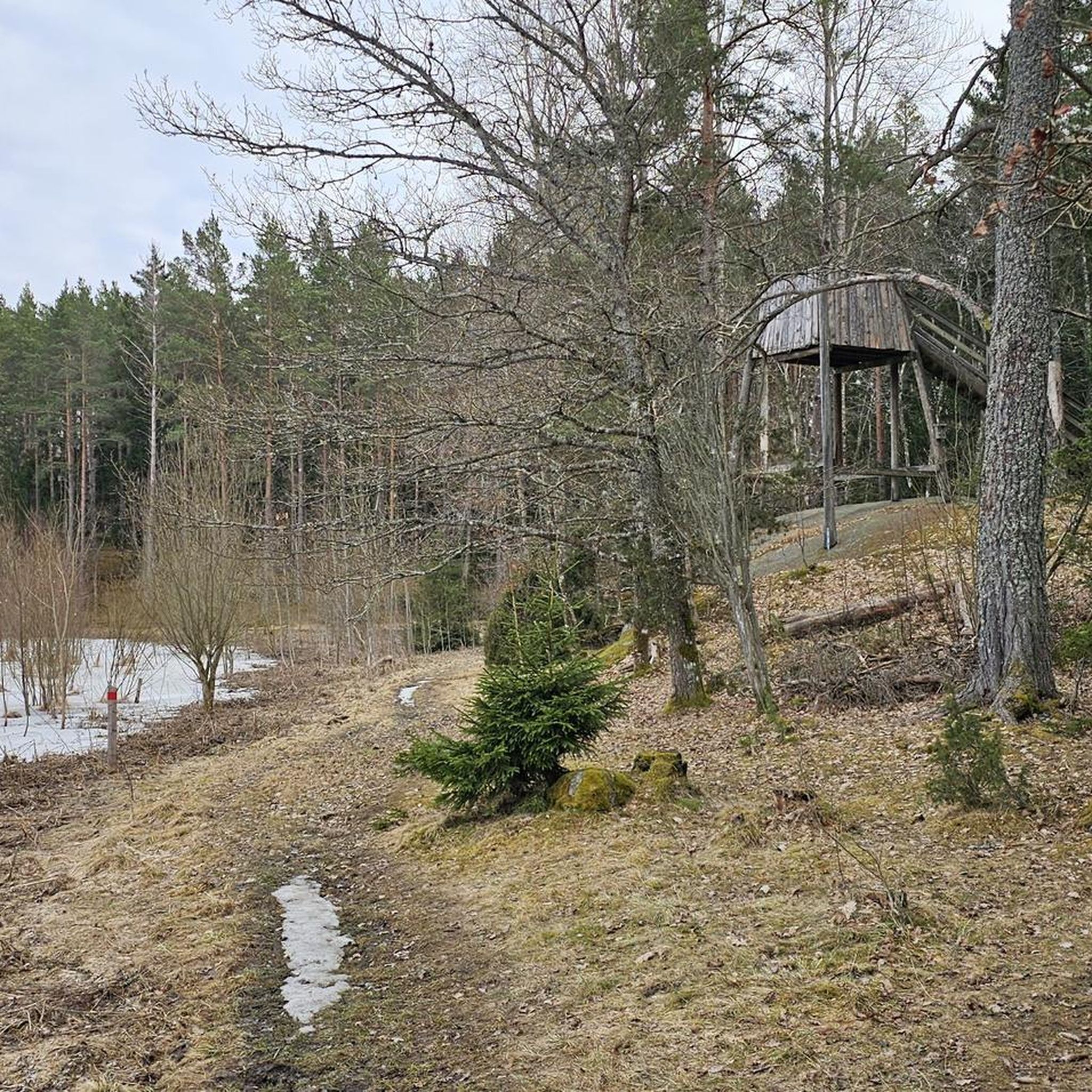
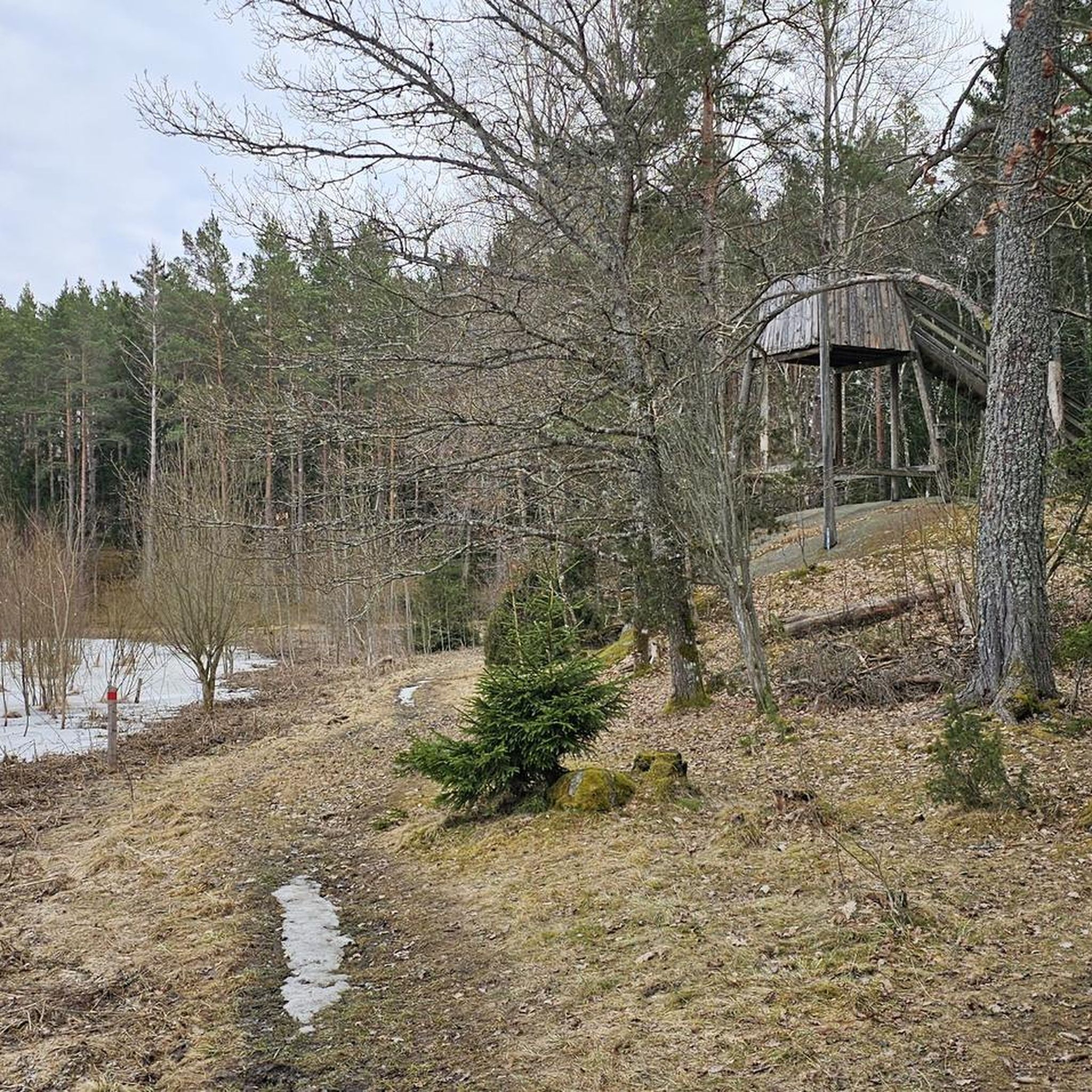

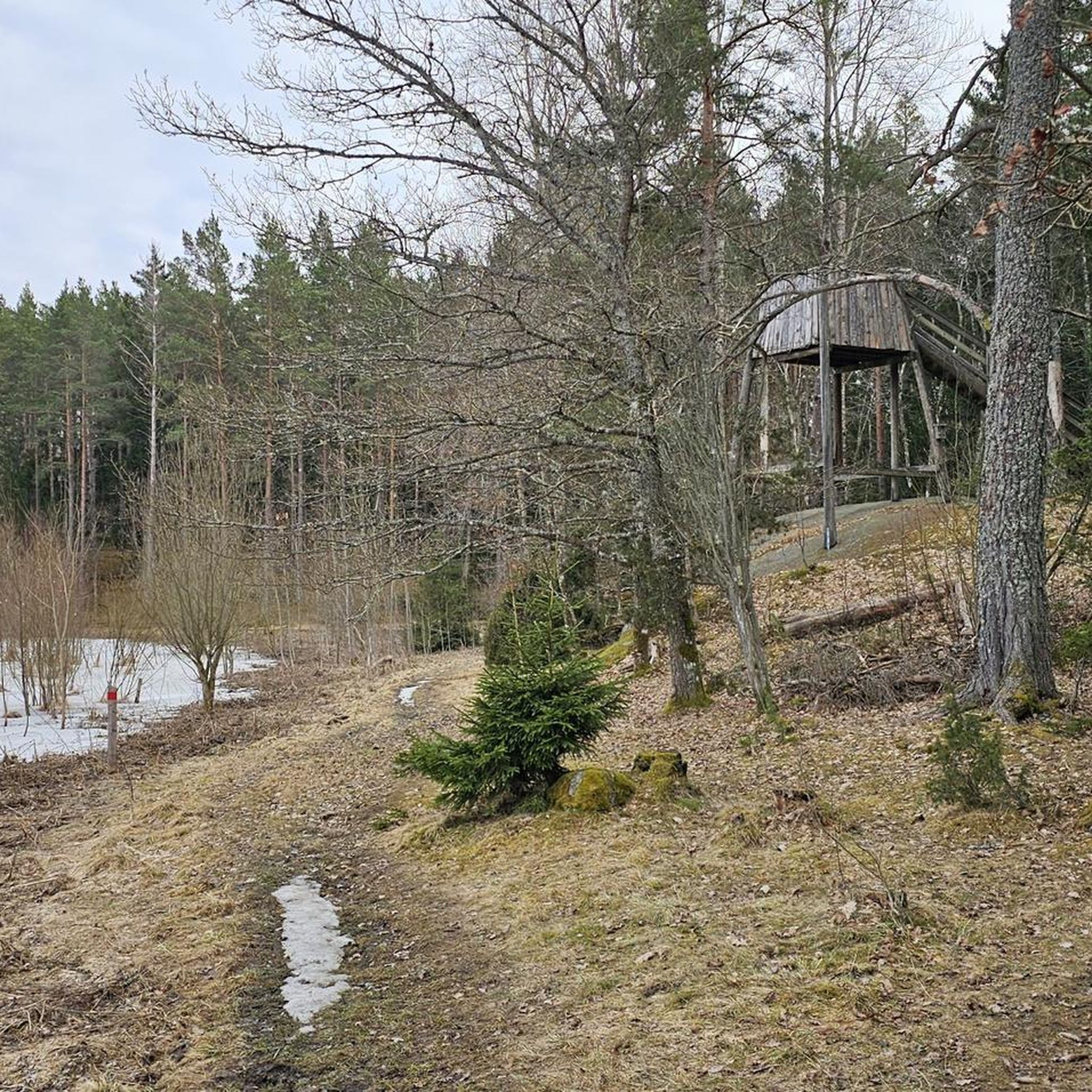
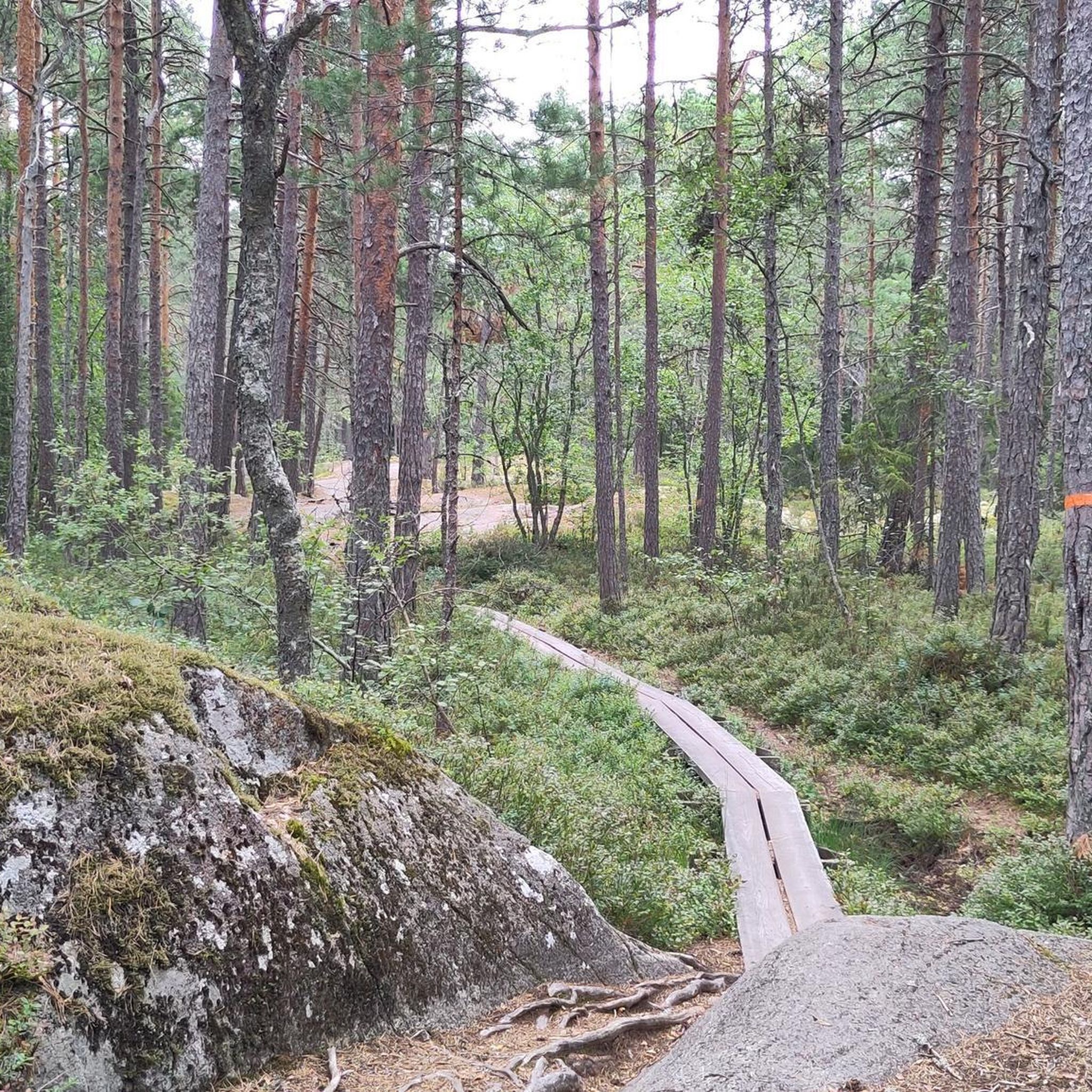
Tips from the Community

The anatomy hall is really worth seeing and is worth the visit alone.
2
0

Built from 1549 onwards as a fortress by Gustav Vasa, the castle was only rebuilt into a grand Renaissance palace after a fire in 1572. The old cannons on the Styrbiskop bastion still bear witness to its fortified early years.
10
0
Within the remaining ruins of Uppsala's original 16th-century castle, the Vasaborgen Museum offers insights into the history of Swedish rulers, recounting tales of kings and queens, princes and princesses. Guided tours led by costumed guides also reveal gruesome details of gruesome and violent sudden deaths. The museum is open from June 1st to September 1st.
11
0

What would old fortresses be – anywhere in the world – without these decorative old cannons?
4
1
The Gothic Uppsala Cathedral (Uppsala Domkyrka), consecrated in 1435, is the cathedral of the Archdiocese of Uppsala, the parish church of the Uppsala Cathedral parish, and a national shrine of the Church of Sweden. It houses the relics of Sweden's national saint, Saint Erik, and a relic of Saint Bridget. The church is traditionally the coronation and burial church for Swedish kings and queens. Following a fire in the former cathedral (in Gamla Uppsala), the Pope granted permission in 1258 to move the bishopric to present-day Uppsala (then Östra Aros). The move to Domberget took place in 1273. Initially, the existing Saint Erik Chapel was used for services while French builders, under the direction of Etienne de Bonneuil, began constructing a new cathedral. The construction would continue for over a century and a half. The cathedral's towers are the tallest church towers in Scandinavia, reaching 118.7 meters. The most powerful of its five church bells, called Storan, weighs 7,360 kilograms, making it Sweden's largest church bell. The Church of Sweden estimates that around half a million people visit Uppsala Cathedral each year.
11
0
With its commanding position on Kasåsen hill high above Uppsala, the castle is visible from afar. Today it is the residence of the Governor of Uppsala County. Built as a fortification by Gustav Vasa starting in 1549, the castle was the site of the Sture Murders in 1567, the decision regarding Sweden's participation in the Thirty Years' War was made here, Queen Christina abdicated here in 1654, and many of Sweden's former kings and queens were born and lived here. As early as 1572, the castle had been remodeled by Johan III and expanded into a grand Renaissance palace. After the great city fire of 1702, parts of the main building, the so-called Cross Castle, were demolished. During its reconstruction in 1744, the entire castle acquired its present form in the French Neoclassical style, based on designs by Carl Hårleman. The room, the district council hall, which was specially set up for the district council meetings after the municipal reform of 1862, is today primarily used as a representative reception room.
11
0
A unique feature of this building is the medical lecture hall, the "Anatomical Theater" (Theatrum anatomicum). The dome in the center of the building was constructed between 1662 and 1663. Medical professor Olof Rudbeck the Elder intended to perform dissections here before an audience of colleagues and students. The Anatomical Theater rises above the other roofs of the Gustavianum, allowing ample light to enter through its many windows. Its basic structure is modeled on the classical Greek amphitheater, but it is built at a significantly steeper angle and offers only standing room for spectators, enabling them to get as close as possible. The theater could accommodate 200 spectators. Rudbeck's lecture hall was long considered the most important theater of its kind in Europe. The hall still exists and is occasionally used for concerts, lectures, or other events.
10
0
The Gustavianum is the oldest surviving building of Uppsala University. It has housed the University Museum since 1997. After a five-year renovation, it reopened on June 24, 2024. Construction of this new, larger building, intended to supplement the teaching facilities of the Academia Carolina, began in 1622. It contained lecture halls, a printing press, a student dining room, student dormitories, and later, a library. With the demolition of the old Academia Carolina in 1778, the Gustavianum became the university's main building until the new university building was constructed in 1887.
11
0
Frequently Asked Questions
How many road cycling routes are available around Norra Lunsen?
There are over 200 road cycling routes around Norra Lunsen, offering a wide range of options for different skill levels. You'll find 54 easy routes, 131 moderate routes, and 19 more challenging options.
What kind of terrain can I expect on road cycling routes near Norra Lunsen?
The road cycling routes around Norra Lunsen primarily feature small country roads with minimal traffic, winding through extensive coniferous forests, birch groves, and areas with exposed bedrock. You'll also encounter wetlands and bogs, characteristic of the region's diverse natural landscape.
Are there any family-friendly road cycling routes in the Norra Lunsen area?
Yes, there are several easy road cycling routes suitable for families. For instance, the Geijersdalen loop from Nåntuna is an easy 8.5-mile (13.7 km) route that offers a quick and enjoyable ride through the local landscape, perfect for a family outing.
What are some notable landmarks or attractions I can see while cycling around Norra Lunsen?
While cycling around Norra Lunsen, you can explore several interesting spots. The Ulva Kvarn Mill – Royal Mounds of Gamla Uppsala loop from Sunnersta combines natural scenery with historical landmarks like the Royal Mounds of Gamla Uppsala. Within the reserve, you might also find access points to attractions like Lunsentorpet, a wilderness cabin, or the lookout tower near Fläktanstugan, offering views over Fläktankärret.
What is the best time of year for road cycling in Norra Lunsen?
The best time for road cycling in Norra Lunsen is generally during the warmer months, from late spring through early autumn. During this period, the weather is more stable, and the natural environment is at its most vibrant. Always check local weather conditions before heading out.
Are there any long-distance road cycling routes available?
Yes, for those looking for longer rides, the area offers routes like the Royal Mounds of Gamla Uppsala – Ulva Kvarn Mill loop from Flottsund. This moderate 57.5-mile (92.5 km) trail leads through the broader Uppsala region and can take around 4 hours to complete, offering an extended exploration of the landscape.
Can I bring my dog on road cycling routes in Norra Lunsen?
While dogs are generally welcome in the Norra Lunsen nature reserve, especially on marked trails and roads, it's important to ensure they are kept on a leash to protect wildlife. When road cycling, make sure your dog is accustomed to riding alongside a bike and that you adhere to local regulations regarding pets in public areas.
What do other road cyclists enjoy most about cycling in Norra Lunsen?
The area is highly rated by the komoot community, with an average score of 4.5 stars from over 100 reviews. Road cyclists often praise the tranquil natural environment, the quiet country roads, and the diverse scenery that includes forests, wetlands, and open fields.
Are there circular road cycling routes around Norra Lunsen?
Yes, many of the routes around Norra Lunsen are designed as loops, allowing you to start and end at the same point. Examples include the Kohagen loop from Flottsund and the Trastparken – Kohagen loop from Graneberg, which offer convenient circular options for exploring the area.
Is there public transport access to the road cycling routes near Norra Lunsen?
While specific public transport connections directly to every trailhead may vary, the broader Uppsala region is cycling-friendly. You can often reach areas close to Norra Lunsen by public transport and then begin your ride from there, benefiting from the network of roads leading into the reserve's vicinity.
Are there any cafes or accommodation options near the road cycling routes?
While Norra Lunsen itself is a nature reserve, the surrounding Uppsala region offers various amenities. For specific cafes or accommodation directly on a route, it's best to check maps or local listings for towns and villages adjacent to the cycling paths. Within the reserve, Lunsentorpet offers basic overnight accommodation and rest facilities for visitors.
Most popular routes around Norra Lunsen

Get inspired with the komoot mobile app


Explore more
Browse the best Road cycling routes in other regions.
