The 14 Most Amazing Peaks around Lanciego/Lantziego
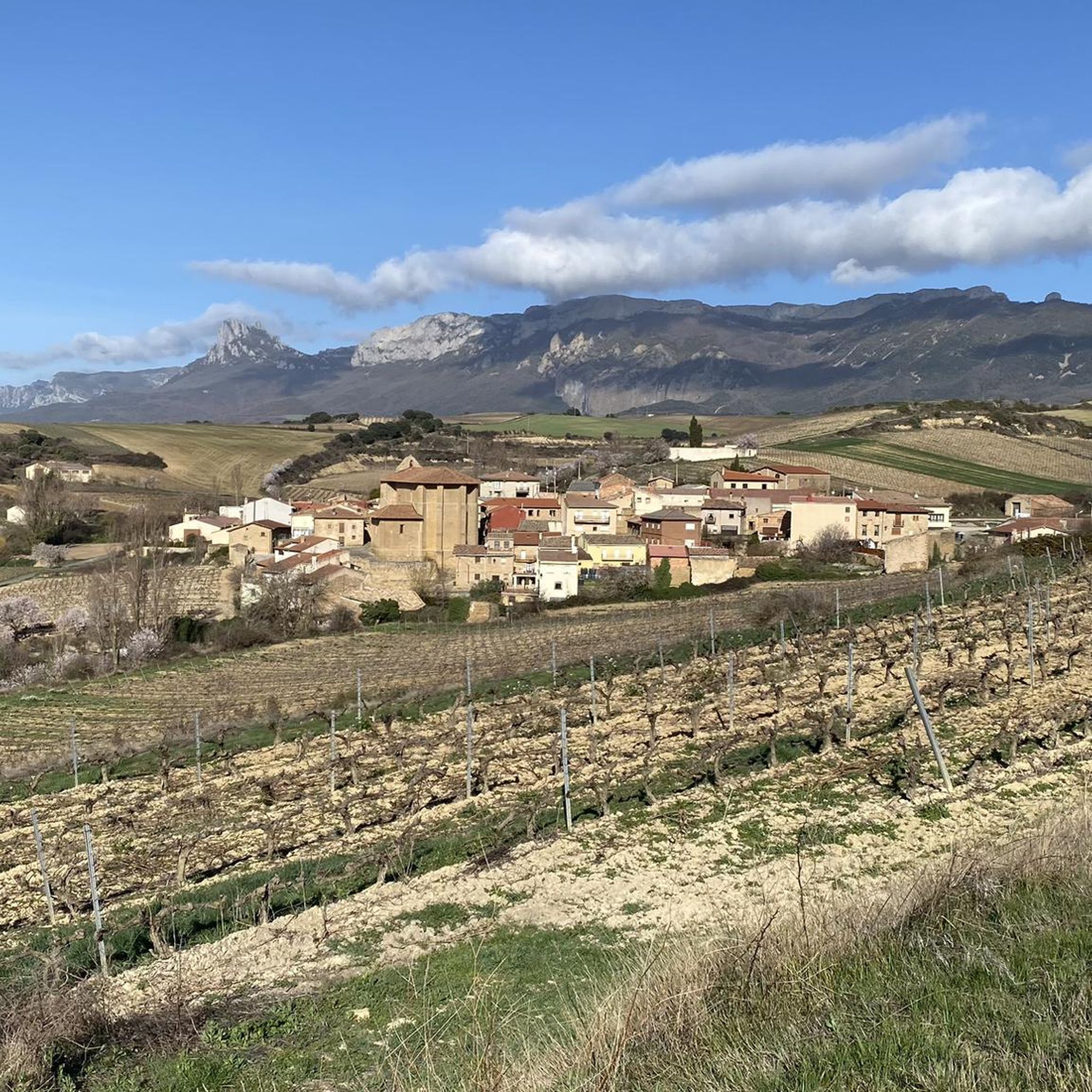
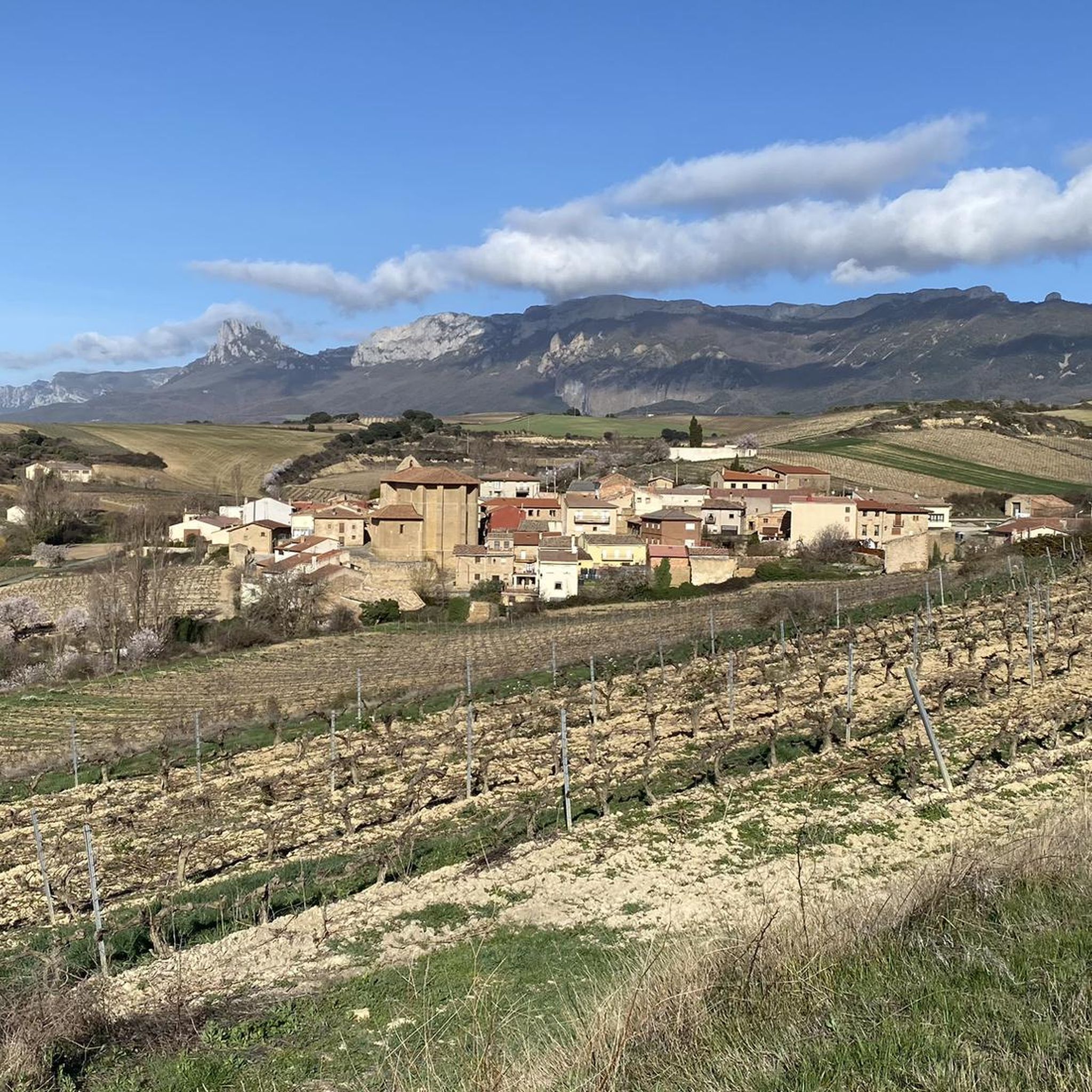
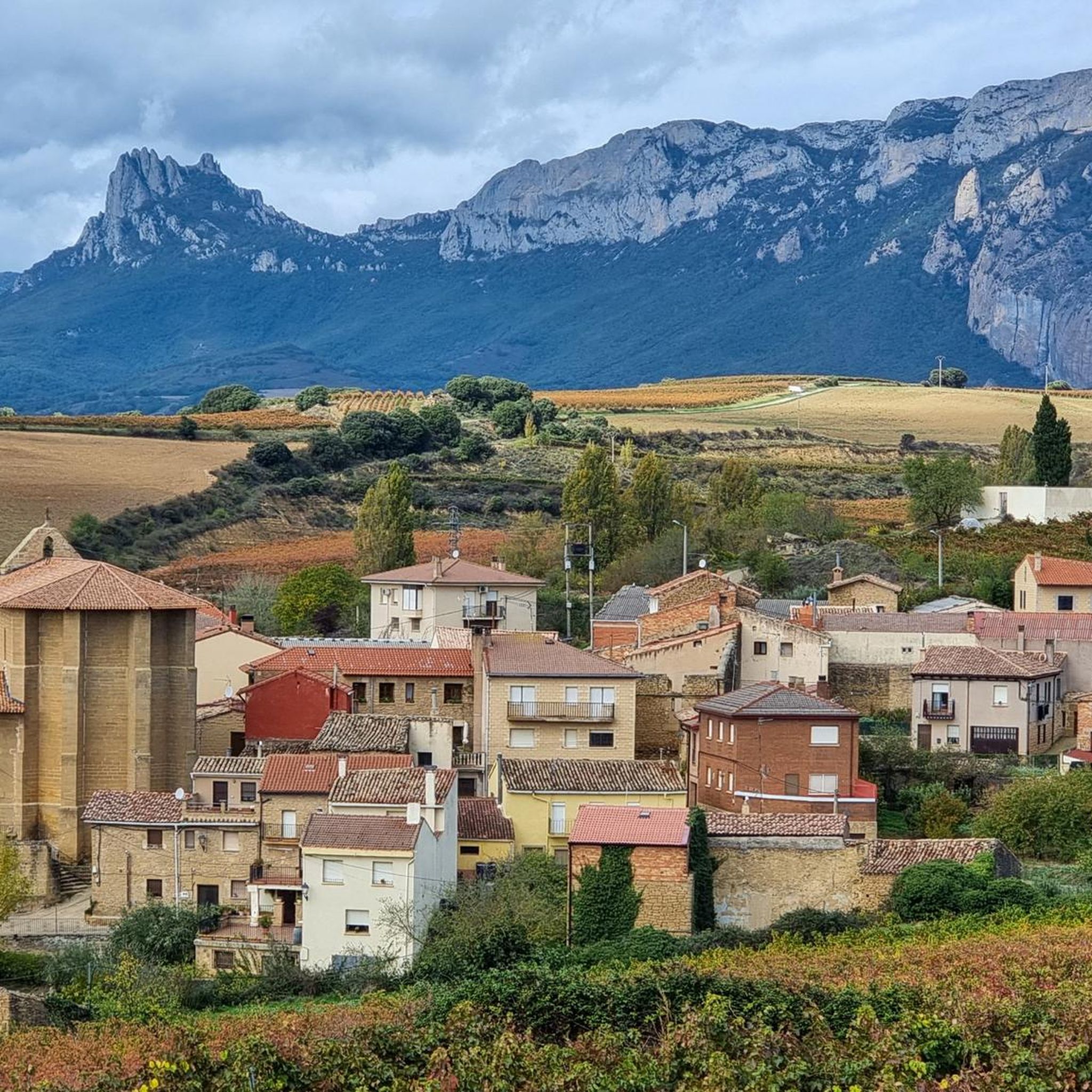
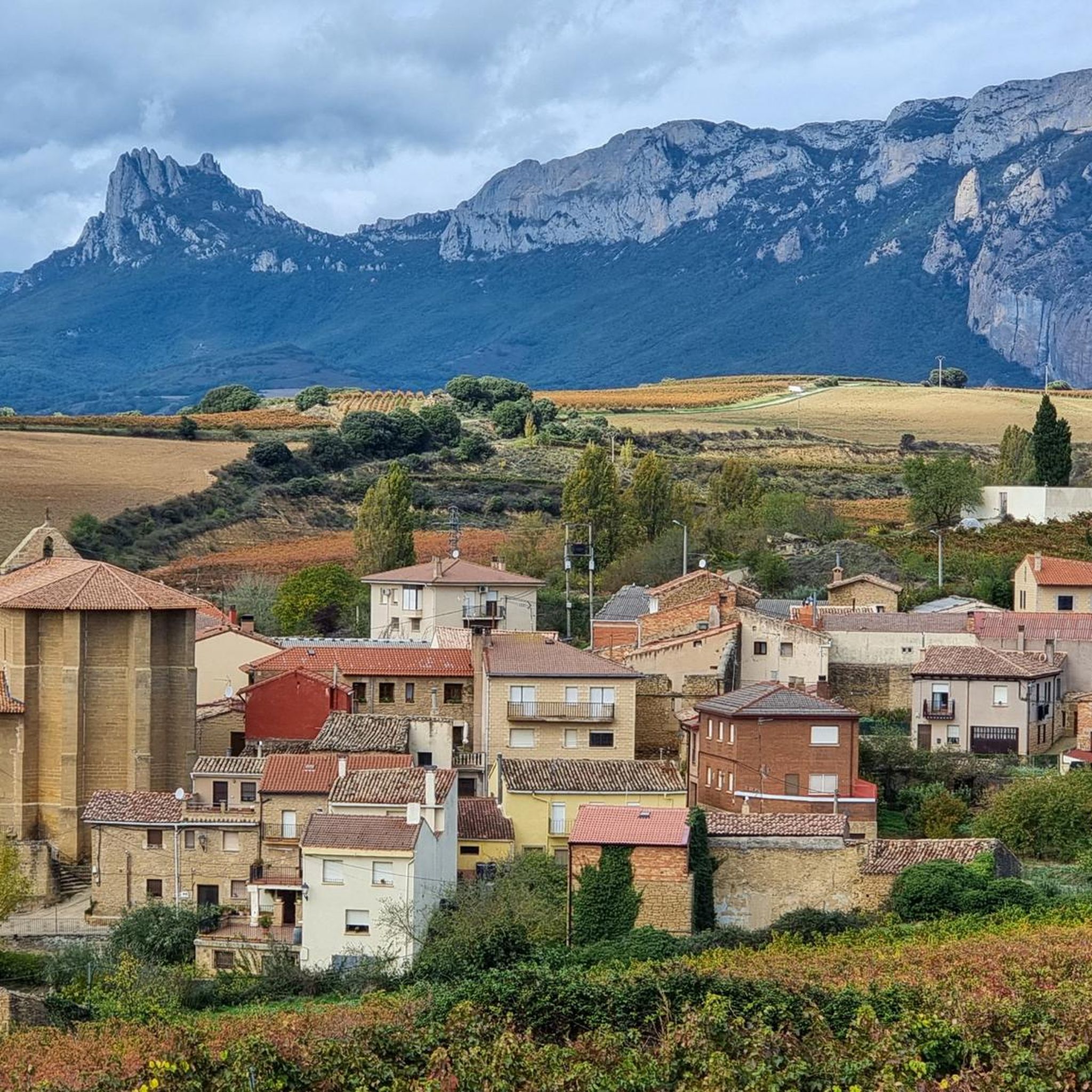
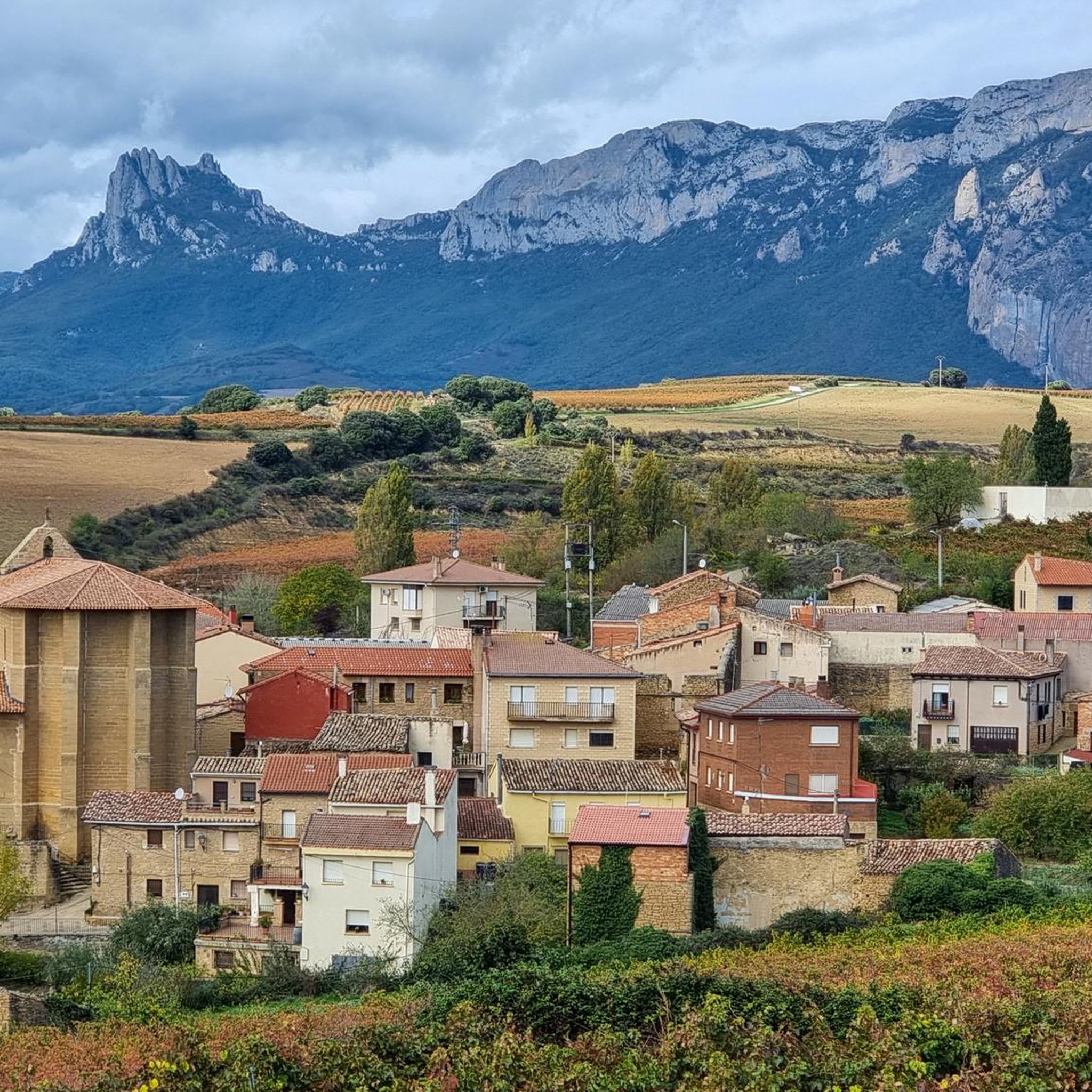
Mountain peaks around Lanciego/Lantziego are situated in the Rioja Alavesa region, at the foot of the Sierra de Cantabria, also known as the Sierra de Toloño. This mountain range provides a backdrop to the area's vineyards and olive groves. The region features notable peaks known for their natural beauty, panoramic views, and historical significance. The Sierra de Cantabria creates a microclimate vital for local viticulture, protecting the Rioja Alavesa from cold winds.
Best mountain peaks around Lanciego/Lantziego
- The most popular mountain peaks is Sleeping Lion Peak (Lapoblación Castle), a summit that offers amazing views above 1300 meters of altitude. It can be reached by several paths from the town of Lapoblación, with the final meters being somewhat technical.
- Another must-see spot is Bonete de San Tirso, a characteristic summit of the Sierra de Toloña. This steep peak is named for its shape, resembling a bishop's hat.
- Visitors also love Cruz del Castillo (1,431 m), a summit offering excellent viewpoints. It provides spectacular views in all 4 directions.
- Lanciego/Lantziego is known for high-altitude summits, historically significant peaks, and those with distinctive natural features. The area offers a variety of mountain peaks to see and explore, from challenging climbs to panoramic viewpoints.
- The mountain peaks around Lanciego/Lantziego are appreciated by the komoot community, with 24 upvotes and 53 photos shared by visitors.
Last updated: August 24, 2026
Sleeping Lion Peak (Lapoblación Castle)
Highlight • Summit
Translated by Google •
Tip by

Bonete de San Tirso
Highlight • Summit
Translated by Google •
Tip by

Sign up now to discover places like this
Get recommendations on the best single tracks, peaks, & plenty of other exciting outdoor places.
Sign up for free
Cruz del Castillo (1,431 m)
Highlight • Summit
Translated by Google •
Tip by

Monte La Pila
Highlight • Summit
Translated by Google •
Tip by

Recilla
Highlight • Summit
Translated by Google •
Tip by

Sign up for free to discover even more peaks around Lanciego/Lantziego.
Sign up for free
Already have an account?
Start today with a free account
Your next adventure awaits.
Login or Signup

Tips from the Community


Almost 1400 meters, and with a very mountainous final climb, I liked it a lot.
2
0

Characteristic summit of the Sierra de Toloña near Mount San Tirso. It is a steep peak that has the shape of a bishop's hat, from which the name comes.
1
0

A simply wonderful place with amazing views above 1300 meters above sea level. of altitude. It can be reached by several paths from the town of Lapoblación, go carefully and firmly, the last meters to get here can be somewhat technical.
2
0
A simply wonderful place with amazing views above 1300 meters above sea level. of altitude. It can be reached by several paths from the town of Lapoblación, which is worth a visit.
2
0
A vertigo climb and impressive views.
2
1

Mythical hill between Lardero and Logroño, frequented by trairrunners, bikers and other fauna of the style ...
1
0

Nice views in all 4 directions
0
0
Frequently Asked Questions
Which mountain peaks offer the most spectacular views around Lanciego/Lantziego?
For truly spectacular views, consider visiting Sleeping Lion Peak (Lapoblación Castle), which provides amazing panoramas from over 1300 meters. Another excellent option is Cruz del Castillo (1,431 m), known for its superb viewpoints in all four directions. The summit of San Formerio also offers extensive panoramas, connecting views of mountain ranges across five provinces.
Are there any historically significant mountain peaks in the Lanciego/Lantziego area?
Yes, San Formerio (752 m), located slightly east of Lanciego, is highly significant. It has been inhabited since prehistoric times due to its strategic value and features a hermitage that served as a fortress during medieval times, the Napoleonic invasion, and the Carlist Wars. You can also find Visigothic anthropomorphic tombs carved into the rock near the hermitage.
What kind of wildlife can be spotted in the Sierra de Cantabria mountains?
The Sierra de Cantabria, also known as the Sierra de Toloño, is designated as an EU special protection area for birds of prey. Visitors might spot golden eagles, peregrine falcons, and Griffon vultures. Larger mammals such as roe deer, red fox, and wild boar also inhabit these mountains.
What are some challenging mountain peaks for experienced hikers near Lanciego/Lantziego?
Experienced hikers looking for a challenge might enjoy Sleeping Lion Peak (Lapoblación Castle), where the final meters to the summit can be technical. Bonete de San Tirso is another steep and characteristic peak of the Sierra de Toloña that offers a challenging ascent. Additionally, Recilla features a very mountainous final climb, reaching almost 1400 meters.
What is the best time of year to hike the mountain peaks around Lanciego/Lantziego?
The microclimate created by the Sierra de Cantabria protects the Rioja Alavesa from cold, humid Cantabrian winds, transforming them into dry, warm breezes. This generally makes for pleasant hiking conditions. While specific seasonal recommendations depend on your preference for weather, spring and autumn often offer mild temperatures and beautiful scenery, ideal for exploring the peaks.
Are there family-friendly hiking options near the mountain peaks?
While many peaks in the Sierra de Cantabria can be challenging, there are generally easier hiking routes in the broader Lanciego/Lantziego area. For family-friendly options, you can explore the Hiking around Lanciego/Lantziego guide, which includes routes like the 'Oyón Vineyard Loop' rated as easy.
What are some unique natural features of the peaks in this region?
The peaks in the Sierra de Cantabria are known for their distinctive shapes and geological formations. For example, Bonete de San Tirso is named for its resemblance to a bishop's hat. Peña Las Doce means 'twelve o'clock peak' due to the shadow it casts at midday, and La Tortuga ('the tortoise') gets its name from the distinctive rock shape at its summit.
Can I find routes for cycling or running near the mountain peaks?
Yes, the region offers various routes for different activities. For cycling, you can find options in the Cycling around Lanciego/Lantziego guide, including loops through vineyards. If you prefer running, the Running Trails around Lanciego/Lantziego guide features routes like the 'Bonete de San Tirso – San Tirso Peak loop' for a more challenging run.
What is the highest peak in the Sierra de Cantabria?
Mount Toloño, standing at 1271 meters, is the highest point in the Sierra de Cantabria (also known as the Sierra de Toloño). It is located in the municipality of Labastida and offers spectacular views from its summit, which is marked by a geodetic vertex.
Are there any peaks with historical structures or ruins?
Yes, Sleeping Lion Peak (Lapoblación Castle) is associated with a castle, and Peña del Castillo (1262 m) once housed a small castle, though access to it is now difficult. San Formerio also features a historic hermitage with fortress-like characteristics and ancient Visigothic tombs.
What do visitors particularly enjoy about the mountain peaks around Lanciego/Lantziego?
Visitors frequently highlight the amazing and spectacular views from the summits, especially from peaks like Sleeping Lion Peak (Lapoblación Castle) and Cruz del Castillo (1,431 m). The challenging nature of some climbs and the unique natural features of the peaks are also highly appreciated by the komoot community.
Is it possible to find intermediate-level trails among the mountain peaks?
Yes, many peaks offer intermediate-level trails. For instance, Cruz del Castillo (1,431 m) and Monte La Pila are categorized as intermediate. These trails provide a good balance of challenge and accessibility for hikers with some experience.
Most popular routes around Lanciego/Lantziego
Most popular attractions around Lanciego/Lantziego

Get inspired with the komoot mobile app


Explore more
See even more amazing summits around Lanciego/Lantziego with these guides:
