Attractions and Places To See around Granátula De Calatrava - Top 20
Best attractions and places to see around Granátula De Calatrava, a municipality in Ciudad Real, Castile-La Mancha, offers a landscape shaped by volcanic activity, quartzite hills, and the Jabalón river valley. The area holds a rich history, being heir to the ancient Roman Oretum and a Visigothic bishopric. Visitors can explore a range of historical, cultural, and natural features within this region.
Best attractions and places to see around Granátula De Calatrava
- The most popular attractions is Hervideros Baños del…
Last updated: August 16, 2026
Virgen de los Santos
Highlight • Religious Site
In the enclosure next to the hermitage there is a conglomerate of small and traditional …
Translated by Google •
Tip by

Hermitage of San Pedro (Almagro)
Highlight • Religious Site
Translated by Google •
Tip by
Sign up now to discover places like this
Get recommendations on the best single tracks, peaks, & plenty of other exciting outdoor places.
Sign up for free
Almagro Main Square
Highlight • Historical Site
Translated by Google •
Tip by
Oreto and Zuqueca Archaeological Site
Highlight • Historical Site
Translated by Google •
Tip by
Hervideros Baños del Barranco
Highlight • Natural Monument
Translated by Google •
Tip by
Sign up for free to discover even more attractions around Granátula De Calatrava.
Sign up for free
Already have an account?
Start today with a free account
Your next adventure awaits.
Login or Signup
Tips from the Community

Built in the early 16th century, it was one of the chapels that emerged in the outlying neighborhoods of Almagro. In the 17th century, it was expanded to include the chapel of Our Lady of Sorrows. In the 19th century, it housed images from the nearby Hermitage of Santiago, which was in poor condition. It was destroyed during the Civil War and rebuilt in the 1980s by architect Miguel Fisac, who applied modern techniques such as the use of white concrete in flexible formwork for the porch.
23
0

Almagro's Plaza Mayor is the most visited and one of the busiest squares in the city. It dates back to the Middle Ages, with arcades and corridors, and underwent a major transformation in the 16th century as a result of the arrival of the Fuggers, German bankers who were subjects of Emperor Charles V. Throughout history, it has received other names, such as Plaza de la Constitución, Plaza de la República, Plaza Real, and even Plaza de España after the Spanish Civil War. The square measures approximately 104.5 meters by 37 meters. It has an irregular rectangular layout. On one of its larger sides, it opens onto the so-called Palacio Maestral (Master Palace). This square also houses the Town Hall, but perhaps what deserves special mention is that in the former inn in this main square of Almagro, we find none other than the Corral de Comedias (Comedy Playhouse), the only one of its kind in the world, declared a monument in 1955. In this square, there are shops where you can buy crafts and typical food from the town and the surrounding area. There are also several bars and restaurants with impressive terraces where you can enjoy tapas and wine, or enjoy a home-cooked menu or typical dishes from La Mancha.
6
0
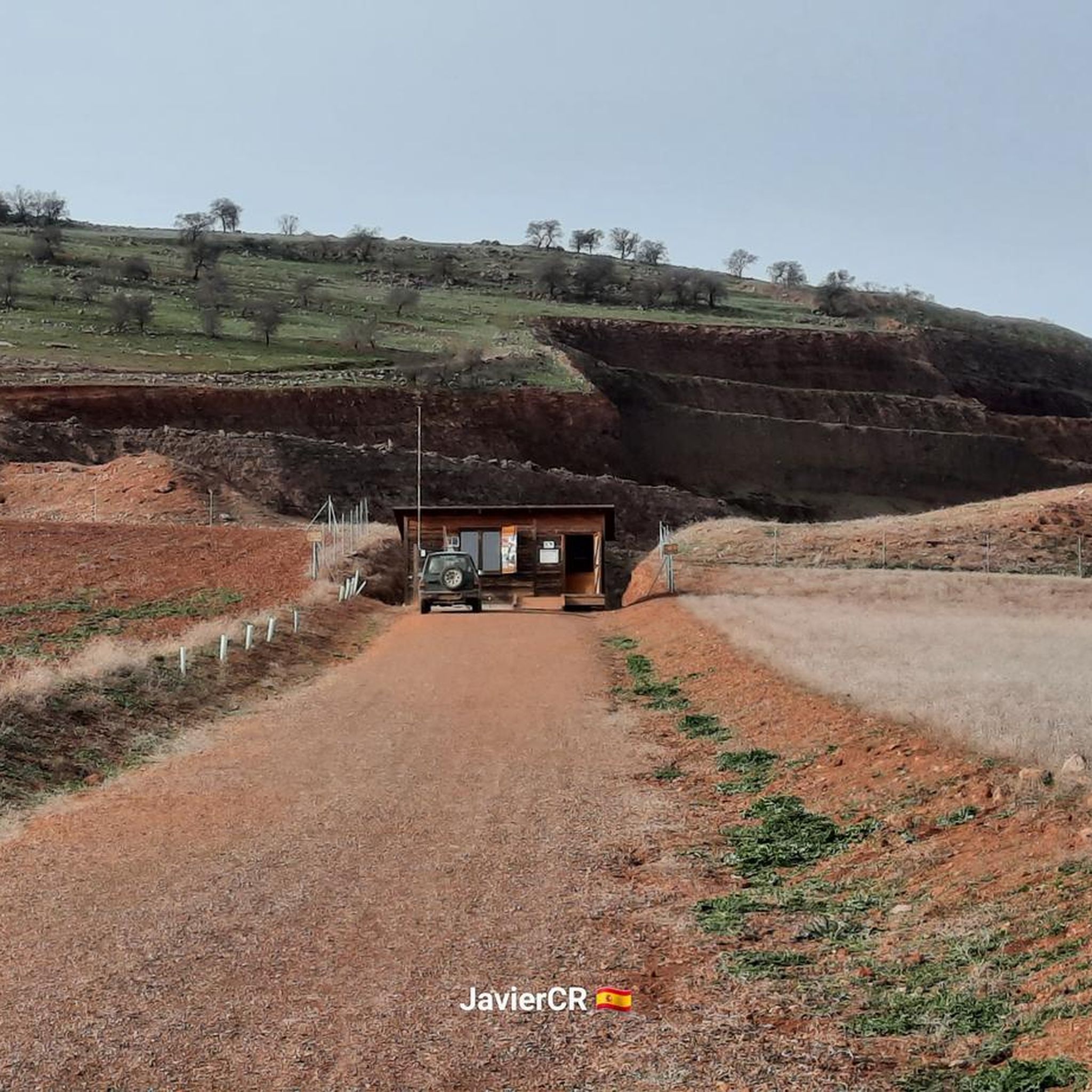
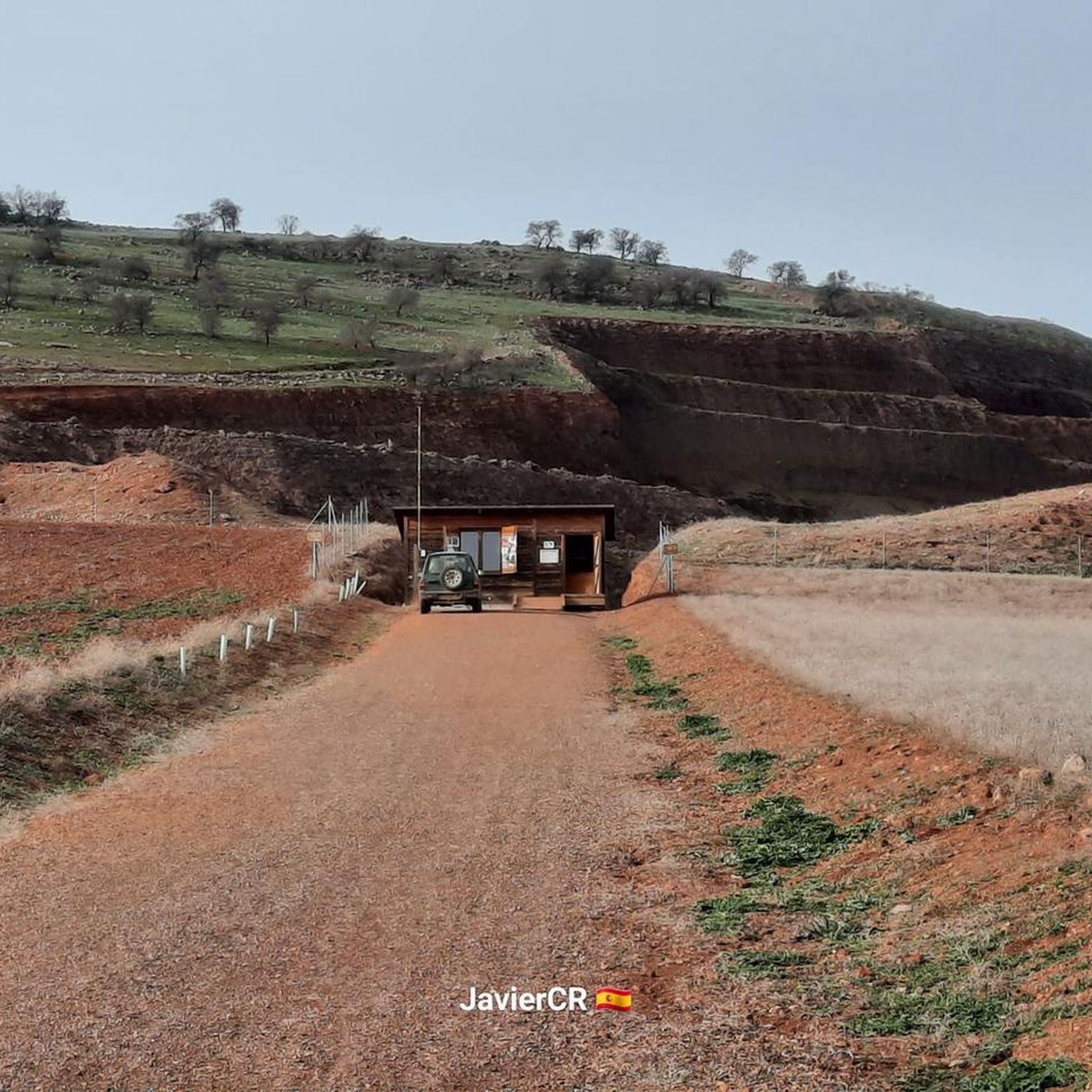
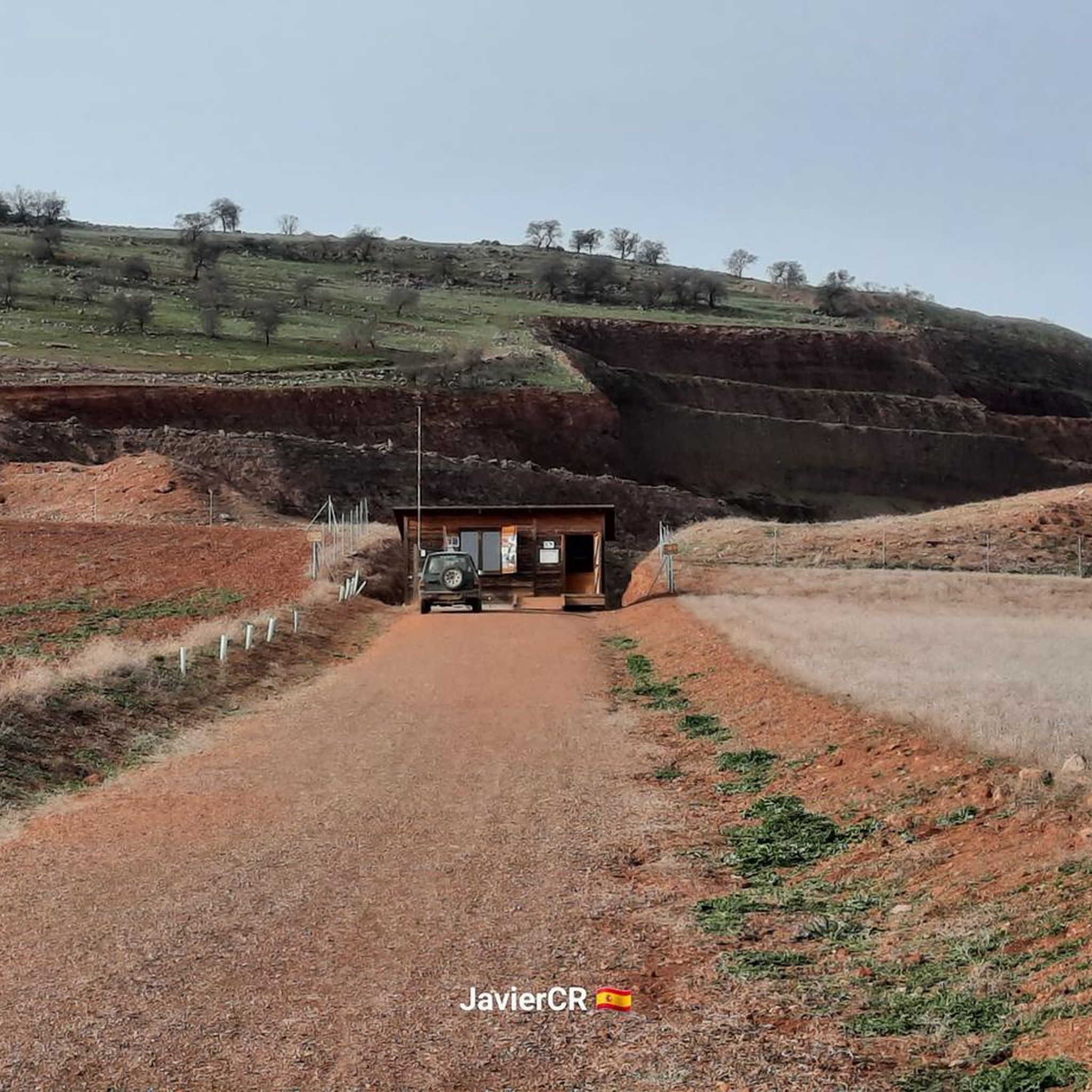
The Hermitage of the Virgen de los Santos is a place of worship and devotion on the hill that bears its name, near the town of Pozuelo de Calatrava. It is a construction from the 15th or 16th century, with a Mudejar roof and a baroque altarpiece that houses the image of the patron saint. The sanctuary is located on a magical and once strategic pointy mountain, and its white and luminous architecture stands out in the landscape.
32
0
Almagro, in Campo de Calatrava, in the very center of the province, has a strategic position in its physical and cultural environment. The city of the corral theater, houses the only Corral de Comedias that has remained intact and active since the beginning of the 17th century to the present day, and which is, to a large extent, the emblem of the city. It maintains all its parts: hall, lodging, patio, casserole, galleries and stage, as well as an intense activity that makes the city grow, especially during the International Festival of Classical Theater.
13
0
The so-called “hotbeds” are one of the most common phenomena in the Calatrava region, as a consequence of its intense volcanic activity. A unique spectacle that, together with sour springs, maares, wells, and jets or sinas, are part of the history of the region and that the Association for the Development of Campo de Calatrava tries to preserve and make known outside its borders.
21
0
Almagro, in Campo de Calatrava, in the very center of the province, has a strategic position in its physical and cultural environment. The city of the corral theater, houses the only Corral de Comedias that has remained intact and active since the beginning of the 17th century to the present day, and which is, to a large extent, the emblem of the city. It maintains all its parts: hall, lodging, patio, casserole, galleries and stage, as well as an intense activity that makes the city grow, especially during the International Festival of Classical Theater. However, despite its importance, Almagro is not only the Corral de Comedias or the activity that derives from it. Declared a Historic-Artistic Site, the entire city envelops us in culture, art, tradition and Castilian flavor. The walk through its streets will give us the delight of each of its corners, opening the restless look that will not know where to choose to perch. The Plaza Mayor, monumental and wide, stands out for the porticoes set behind the Tuscan stone columns, which support some covered galleries that make it unique in its class. The numerous religious buildings: Convent of the Incarnation, Church of the Mother of God, Convent of Santa Catalina, Church of San Bartolomé, etc. they complete the artistic spirit of the traveler who will make a journey through styles and works of different and singular beauty.
6
0
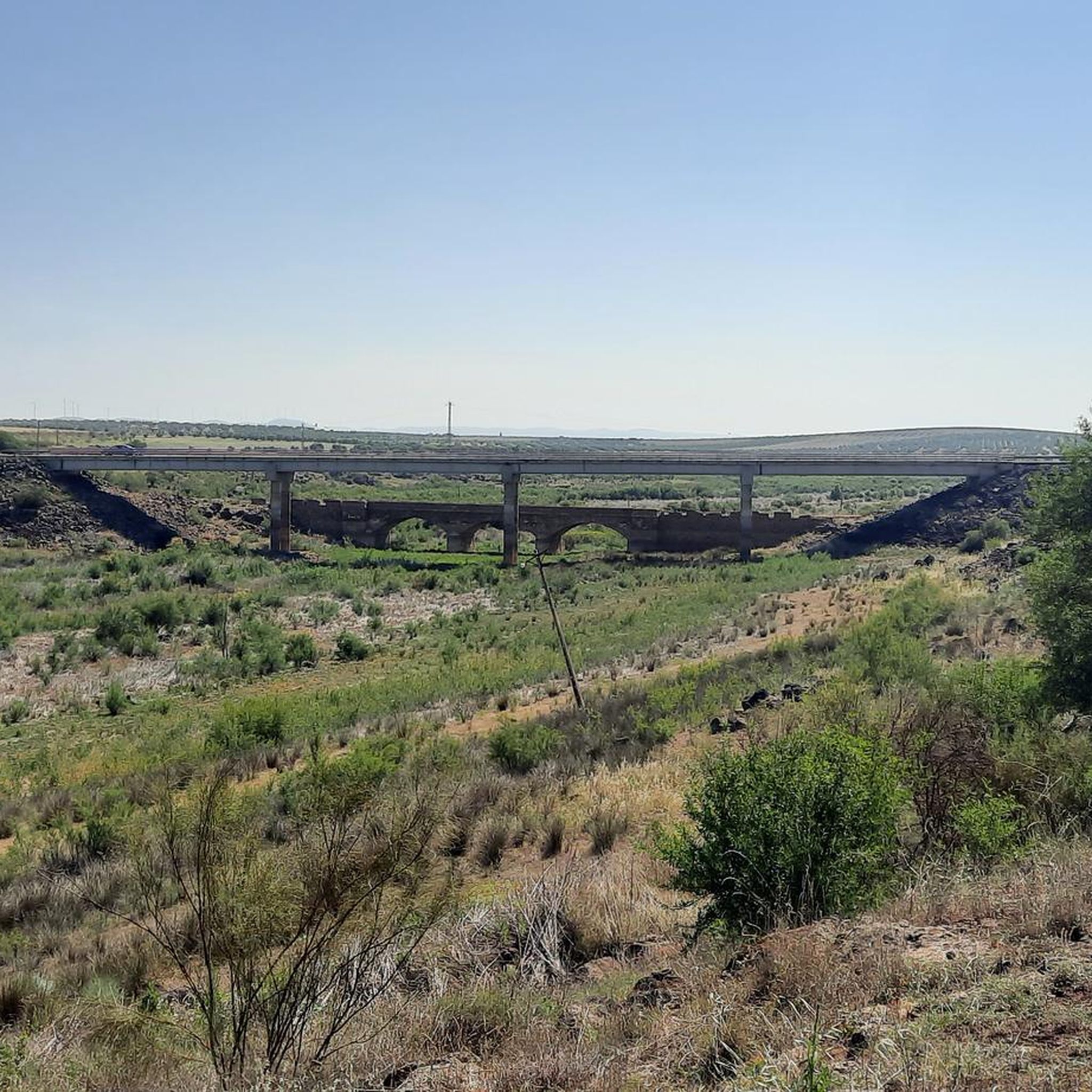
The archaeological importance of the environment in which the site is located has been well known since ancient times, since the Cerro de Oreto is located nearby, which contains the ruins of the capital of Oretania, Oretum according to sources, (a Roman province that included from north to south beyond Sierra Morena and extended to the end of the Bética); the Cerro de los Obispos, an important Iberian site on whose slopes appeared some burials attributed to Visigothic bishops (one of them Bishop Amador, as recorded on the tombstone that covered his tomb); several late-Roman necropolises corresponding to that classical city and the Roman bridge over the Jabalón ordered to be built by Publio Baebio Venusto, dated between the end of the 1st century and the beginning of the 2nd century AD, and which has currently been covered by the waters of the Reservoir. Numerous pieces belonging to different periods have been found, among which are coins, ceramics, farm elements, and loom stones.
23
0

Located in the center of the province of Ciudad Real, Almagro is famous for its theatrical culture maintained in the city since the 17th century. Don't forget to stop for a quick coffee in the imposing Plaza Mayor to see the green wooden porticos.
3
0
Frequently Asked Questions
What unique natural features can I explore in Granátula de Calatrava?
Granátula de Calatrava is rich in unique natural phenomena due to its volcanic activity. You can visit the Hervideros Baños del Barranco, which are "boiling spots" showcasing the region's intense volcanic past. Another significant site is the Volcán del Cerro Gordo-Yozosa, one of over 330 volcanic structures in the Campo de Calatrava, offering guided tours into its interior. Don't miss "La Sima," the only active fumarole on the Iberian Peninsula, located near Cerro Gordo.
Are there significant historical or archaeological sites to visit?
Yes, the region boasts a deep history. The Oreto and Zuqueca Archaeological Site is believed to be the ancient capital of Oretania, Oretum, with remains spanning Iberian, Roman, Visigothic, and Arab periods. Another important site is the Yacimiento de La Encantada, a Bronze Age settlement with tombs, dwellings, and defensive structures. The Santuario de Nuestra Señora de Oreto y Zuqueca, a 13th-century monument, also incorporates elements from earlier Visigothic periods.
What cultural landmarks can I find in Granátula de Calatrava?
The town offers several cultural landmarks. The Casa del General Espartero is the birthplace of a significant 19th-century Spanish figure, offering guided tours. The Iglesia Parroquial de Santa Ana, built between the 14th and 18th centuries, features a 16th-century tower and houses the image of the Virgen de Oreto y Zuqueca. The Palacio de los Torrubias, a 16th-century stately home, is a Site of Cultural Interest with Mudéjar and Baroque sections.
What kind of outdoor activities can I do near these attractions?
The area around Granátula de Calatrava is excellent for various outdoor activities. You can find numerous hiking trails that traverse interesting points in the region. For more structured activities, explore the Running Trails around Granátula De Calatrava, Road Cycling Routes around Granátula De Calatrava, and MTB Trails around Granátula De Calatrava, which offer routes for different sports and difficulty levels.
Are there family-friendly attractions in the area?
Many attractions in Granátula de Calatrava are suitable for families. Natural sites like the Hervideros Baños del Barranco offer a unique natural spectacle. Historical sites such as the Oreto and Zuqueca Archaeological Site can be an educational experience. The Embalse y Río Jabalón is also a great spot for birdwatching, which can be an engaging activity for children.
Where can I go for birdwatching or to enjoy nature by the water?
The Embalse y Río Jabalón (Jabalón River and Reservoir) is an excellent artificial wetland for birdwatching. It serves as a wintering, breeding, and feeding ground for hundreds of bird species. During periods of drought, the ancient Roman bridge of Baebio Publio Venusto (1st century), usually submerged, becomes visible.
What is the Pósito and its current use?
The Pósito is an 18th-century building that originally functioned as a granary and pawn shop. Today, it has been repurposed and houses the local public library, training rooms, and the tourism office, making it a central point for community and visitor information.
What is the significance of the Virgen de los Santos hermitage?
The Virgen de los Santos hermitage is a 15th or 16th-century religious building located on a prominent hill. It features a Mudéjar roof and a Baroque altarpiece, housing the image of the patron saint. The white and luminous architecture stands out in the landscape, and the surrounding enclosure includes traditional buildings for community use.
What is the Almagro Main Square and why is it notable?
The Almagro Main Square, located in the nearby town of Almagro, is a unique historical site. Its rectangular, irregular floor plan is framed by arcades with Tuscan stone columns and two running galleries. Originally public, these galleries are now enclosed by Central European-style glazing, making it distinct in Spain. It was historically used for public, festive, and religious events.
Are there any unique architectural features related to agriculture in the region?
Yes, you can find 'Carapuchetes' in the region. These are characteristic circular stone structures with false slab vaults. They are related to traditional agriculture and represent interesting examples of popular Manchegan architecture, showcasing historical building techniques.
What is the Casa de la Inquisición?
The Casa de la Inquisición is an 18th-century Baroque building. It features two floors arranged around a courtyard with columns, a Baroque chapel, and a stone facade adorned with a noble coat of arms and another from the Inquisition, reflecting its historical significance.
What is the best time to visit Granátula de Calatrava for outdoor activities?
The region experiences a Mediterranean climate with hot, dry summers and mild winters. Spring (April-May) and autumn (September-October) generally offer the most pleasant temperatures for outdoor activities like hiking and cycling, avoiding the intense heat of summer.
Most popular routes around Granátula De Calatrava
Most popular attractions around Granátula De Calatrava

Get inspired with the komoot mobile app


Explore more
Still not found the Highlight you’re looking for? See guides of the top attractions in other regions:
