Attractions and Places To See around Castillo-Albaráñez - Top 7
Best attractions and places to see around Castillo-Albaráñez. This small municipality in Cuenca, Castilla-La Mancha, is characterized by serene landscapes of rolling hills and historical landmarks. The area features remnants of a medieval castle, from which the town derives its name, and unique natural formations like distinctive rock formations. It offers a blend of historical sites and natural beauty for exploration.
Best attractions and places to see around Castillo-Albaráñez
- The most popular attractions is Villar de Domingo García, a…
Last updated: June 29, 2026
Villar de Domingo García
Highlight • Settlement
Translated by Google •
Tip by

Castillo-Albaráñez
Highlight • Settlement
Translated by Google •
Tip by

Sign up now to discover places like this
Get recommendations on the best single tracks, peaks, & plenty of other exciting outdoor places.
Sign up for free
Bólliga
Highlight • Settlement
Translated by Google •
Tip by
Olmeda de la Cuesta
Highlight • Settlement
Translated by Google •
Tip by
Canyon and Ravines of Olmedilla de Eliz
Highlight (Segment) • Canyon
Translated by Google •
Tip by

Sign up for free to discover even more attractions around Castillo-Albaráñez.
Sign up for free
Already have an account?
Start today with a free account
Your next adventure awaits.
Login or Signup
Popular around Castillo-Albaráñez
Tips from the Community

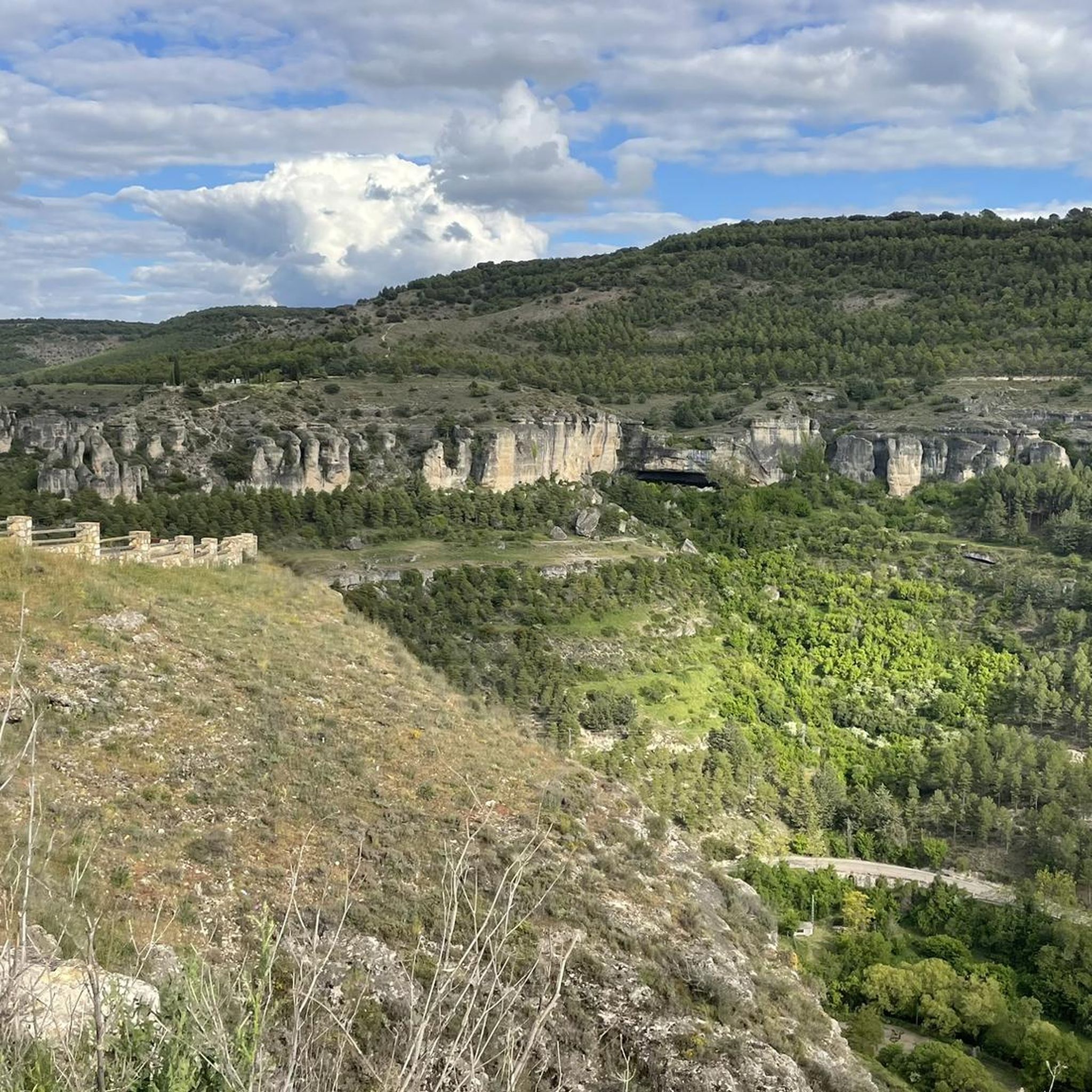
It is a small canyon near Olmedilla de Eliz and with the characteristics of the predominant subsoil!
0
0

The town in the beginning was called El Villar de Don García, in honor of the Third Bishop of Cuenca. Monuments to highlight: the Church of Nuestra Señora de la Asunción (with the baroque altarpieces in the side naves and some interesting carvings of value from the same period), the Hermitage of Santo Cristo de la Calzada and the town hall. In addition, Villar has a set of 120 cellar-caves (some in a state of abandonment) located on the outskirts of the town, which due to their constant lower temperature are an ideal place for the production and conservation of wine.
2
0

Bólliga is a town that is located in its passage along the Río Guadamejud and where in some of its walls closest to the mountains you can find ancient tombs carved into the stone.
0
0
Typical town that is located together with what is called Villas de la Ventosa and that represents the typical landscape of this area of the province of Cuenca. Hills, low mountains and vegetation between agricultural fields where you can see these towns by bike.
0
0
Population that is located on a small hill and where it is a good option to stop and take a break and get energy!
0
0
Frequently Asked Questions
What historical landmarks can I explore around Castillo-Albaráñez?
The region is rich in history. You can visit the remnants of the Medieval Castle, dating back to the 8th century, which offers magnificent views and was famously reconstructed by Alvar Fáñez. Other notable sites include the Iglesia de la Asunción and the Ermita de Santa Lucía. Additionally, the nearby settlement of Villar de Domingo García features the historic Church of Nuestra Señora de la Asunción and a unique set of 120 cellar-caves.
Are there any unique natural features or viewpoints to discover?
Yes, the area boasts several distinctive natural features. The Cerro del Castillo (Castle Hill) provides panoramic vistas of the Alcarria conquense. You can also find La Piedra Llana, a large, flat-topped stone offering scenic views, and La Piedra del Gredal, a unique rock formation with a sizable hollow. For more dramatic scenery, explore the Canyon and Ravines of Olmedilla de Eliz.
What kind of outdoor activities can I do near Castillo-Albaráñez?
The serene landscapes of rolling hills and agricultural fields make the area ideal for cycling. You can find various routes, including those passing through settlements like Castillo-Albaráñez itself. For more detailed cycling options, explore the Road Cycling Routes around Castillo-Albaráñez guide, which includes routes like the 'Trinidad Bridge – Streets of Cuenca loop from Villar de Domingo García'.
Are there family-friendly attractions in the area?
Absolutely. The settlement of Villar de Domingo García is considered family-friendly, offering historical sites and unique cellar-caves. Another good option for a break with the family is Olmeda de la Cuesta, located on a small hill, perfect for a stop to recharge.
What is the best time of year to visit Castillo-Albaráñez?
The region's proximity to the Embalse de Buendía (Buendía Reservoir) suggests that spring and autumn are particularly picturesque for exploring routes and trails with natural viewpoints. These seasons generally offer pleasant weather for outdoor activities and enjoying the scenic beauty.
Can I find ancient archaeological sites or cultural points of interest?
Yes, archaeological remains on Castle Hill indicate settlements from the Bronze Age, Iron Age, Iberian, and Medieval periods. Culturally, the town is the birthplace of Francisco de Paula Novoa y Moreno, a distinguished rector. You can also find traditional shrines called 'humilladeros' and a 'casona plaza' (manor house) in the town square. The town of Bólliga also features ancient tombs carved into stone along the Río Guadamejud.
What kind of wildlife can I expect to see?
The region boasts diverse wildlife. Birdwatchers might spot ducks, larks, tits, warblers, sparrows, and goldfinches. Mammals such as deer, rabbits, roe deer, wild boar, and voles inhabit the area. Various fish species and reptiles like the Montpellier snake and long-tailed lizard can also be found.
Are there any unique local traditions or fiestas?
Castillo-Albaráñez celebrates its patron saint, Santa Lucía, on December 13th and the second Saturday of August. Another local commemoration is San Marcos on April 25th. These fiestas offer a glimpse into traditional Spanish culture.
What are the 'cuevas-bodegas' mentioned in the region research?
The 'conjunto cuevas-bodegas' refers to a set of underground caves found throughout the town. Historically, these caves were used for wine storage and potentially for protection. The nearby Villar de Domingo García is particularly known for its 120 cellar-caves, which provided ideal conditions for wine production and conservation due to their constant lower temperature.
What is the typical landscape like around Castillo-Albaráñez?
The area, part of the Alcarria conquense, is characterized by serene landscapes of rolling hills, low mountains, and vegetation interspersed with agricultural fields. This typical scenery can be observed particularly well around the settlement of Castillo-Albaráñez itself, making it a picturesque setting for exploration.
Most popular routes around Castillo-Albaráñez

Get inspired with the komoot mobile app


Explore more
Still not found the Highlight you’re looking for? See guides of the top attractions in other regions:
